Which Sleeve Styles Tattoo Ideas Will Look Best on Your Arm?
What Makes Sleeve Styles Tattoo Ideas Worth Planning?
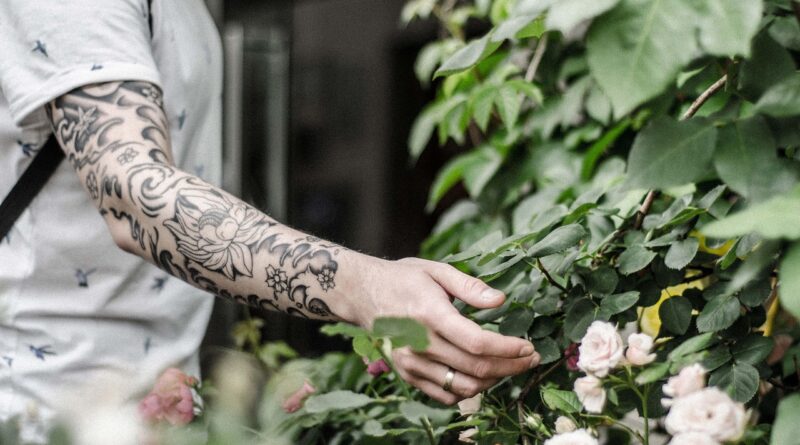
A sleeve styles tattoo is not the kind of tattoo most people should book on a quick feeling. It sits on one of the most visible and active parts of the body, so the design has to work when the arm bends, stretches, gets sun, ages, and then disappears under a jacket sleeve on a normal workday. If you are looking through wider tattoo styles, sleeve work needs more thought because the finished piece depends on flow, size, skin tone, spacing, and the artist’s plan for the whole arm, not only one image saved on your phone.
Your Arm Becomes the Canvas
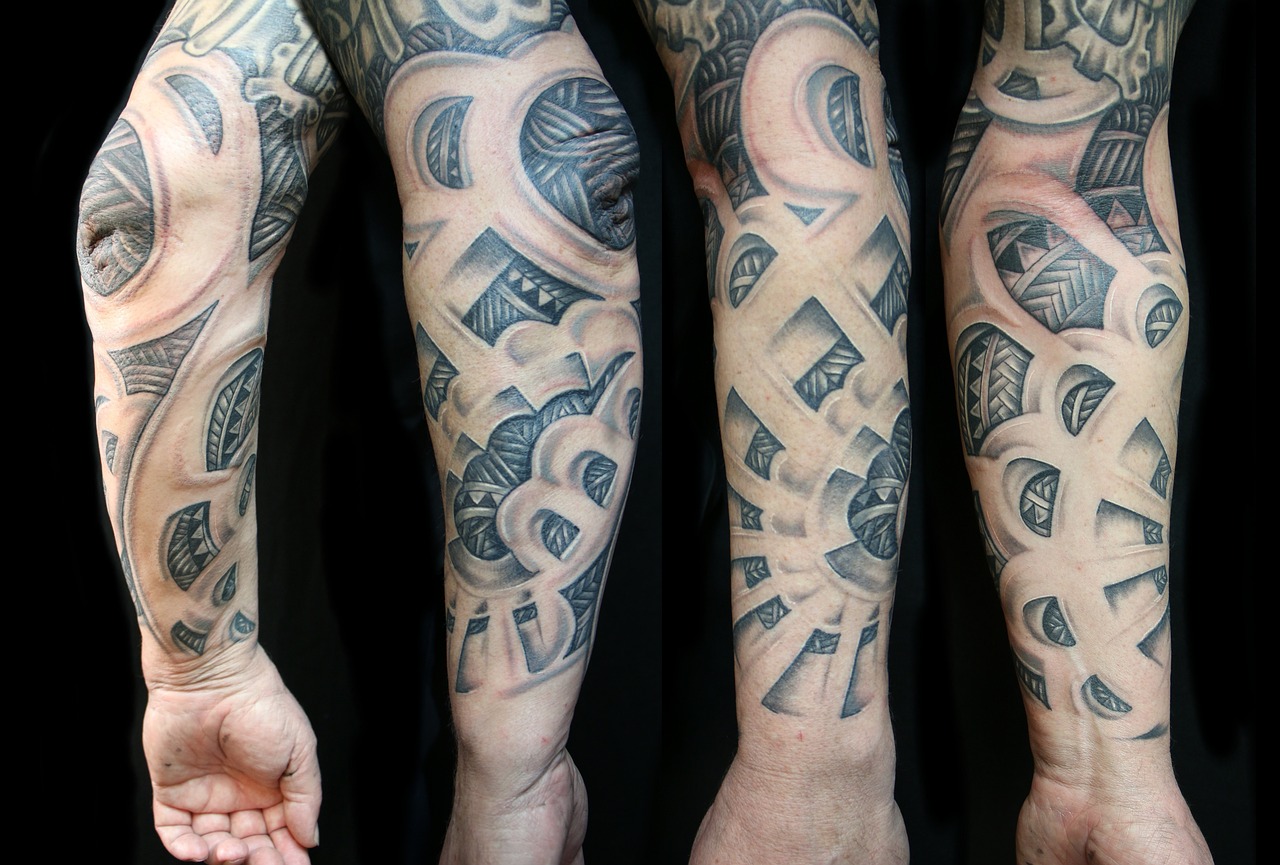
A sleeve has to wrap around curves, joints, muscle lines, and flatter areas. The outside forearm usually works well for detail because it is easy to see and keeps its shape quite well. The inner arm often feels more personal and can take a softer mood. The elbow and ditch need a careful layout because tight detail can spread or blur there sooner. Good sleeve planning treats the arm as one joined surface, not as a row of separate stickers.
Large Work Needs a Real Timeline
Most full sleeves need several sessions, with time between appointments so the skin can settle and heal. The American Academy of Dermatology notes that tattooed skin needs proper aftercare and should be checked for signs of infection, especially when the tattoo is fresh. This matters even more with sleeve clients because one rough healing area can throw off the look of the whole arm. It is better to plan the time honestly than rush the work and pay for it later.
Popularity Does Not Replace Fit
Pew Research Center reported in August 2023 that 32% of U.S. adults have at least one tattoo, and many people got ink to honor someone, show a belief, or express identity. That shows tattoos are now common, but it does not mean every popular sleeve idea fits every arm. A trend can help you find direction, but the final choice still has to suit your body, job, skin, and taste. Fit beats hype almost every time.
Which Sleeve Coverage Should You Choose?
Coverage is usually the first big decision because it affects price, pain, visibility, workplace issues, and how much story the tattoo can carry. A sleeve does not have to cover the arm fully from shoulder to wrist. Many good sleeves use negative space, partial coverage, or a clean gap near the wrist so the tattoo works better in daily life.
Full Sleeve for Maximum Story
A full sleeve runs from shoulder to wrist. It gives the artist the most space for a theme, such as Japanese waves and koi, black and gray realism, biomechanical forms, or a sacred geometry build. It also needs the largest budget and the longest commitment. If your job, clients, or family setting is more conservative, think carefully before taking the design below the cuff line.
Half Sleeve for Balanced Visibility
A half sleeve usually covers shoulder to elbow or elbow to wrist. Upper half sleeves are easier to hide under a shirt and often hold up well because that area gets less sun than the forearm. Lower half sleeves are more visible and can look clean in everyday wear, but they need better sunscreen habits. Simple point, sun is hard on tattoos.
Quarter Sleeve for a First Big Step
A quarter sleeve covers the shoulder cap, upper arm, or part of the forearm. It is a practical choice if you want a serious piece but do not want to commit the whole arm right away. A good artist can leave open edges, so the tattoo can grow into a larger sleeve later. Ask about expansion paths before the first stencil goes on, because that small planning step can save a lot of repair work.
Which Sleeve Styles Tattoo Looks Timeless?
Style sets the feel of the sleeve. Some sleeves read clearly from across the street, while others are meant to be seen up close. The right choice depends on your skin, daily routine, clothing, and how much care you are willing to give the tattoo over the next ten years. There is no public, reliable dataset that ranks sleeve styles by long-term satisfaction, so real-world judgment matters more than random trend numbers online.
Japanese Sleeve With Strong Flow
Japanese sleeves are known for movement and structure. Clouds, wind bars, waves, dragons, koi, peonies, chrysanthemums, masks, and warriors can wrap around the arm in a natural way. This style works well for a full sleeve because the background elements can connect the main subjects without looking forced. It is clear, strong, and made for larger work.
Black and Gray Realism With Depth
Black and gray realism can make the arm feel like one photo-based composition. Portraits, animals, statues, religious imagery, skulls, and roses are common choices in this style. It needs a skilled artist because weak contrast can make the sleeve look muddy after it heals. Check healed photos, not just fresh studio shots. Fresh tattoos can look better than they will look in real life after a few months.
Traditional Sleeve With Clear Icons
American traditional sleeves use bold lines, solid color, easy-to-read shapes, and classic symbols like eagles, daggers, panthers, hearts, ships, and roses. This style often ages well when the lines are clean and the spacing is not packed too tightly. It can be planned as one complete sleeve, or it can be built as a collected patchwork sleeve over time. The key is to keep scale and spacing under control from the start.
How Should You Match Design to Your Body?
A sleeve should look like it was made for your arm, not copied and pasted onto it. Two people can choose the same dragon, but the better tattoo will follow that person’s shoulder width, forearm length, elbow movement, and muscle lines. Bring references to the consultation, but let the artist redraw the idea for your body.
Flow Should Follow Muscle Lines
Long shapes usually look best when they move with the arm. Snakes, dragons, vines, smoke, waves, script, and ornamental bands can lead the eye from shoulder to wrist. Round images often fit the shoulder cap well, while narrow details can sit nicely on the forearm. If the flow works against your anatomy, the sleeve can look stiff even if the drawing itself is good.
Contrast Keeps the Sleeve Readable
Good sleeves need dark areas, light areas, and open space. If every inch is filled with small detail, the arm can look gray from a few feet away. Blackwork, traditional, and Japanese designs often stay readable because they use strong contrast and planned spacing. Fine-line sleeves can look clean, but they need careful spacing and an honest talk about how they may age.
Skin Tone Affects Color Choice
Color does not heal the same way on every skin tone. Red, orange, blue, and green can heal with different strength depending on pigment, placement, and sun exposure. The FDA has reported tattoo ink issues such as allergic reactions and contamination cases, so color choice should include safety, not just style. If you have a history of allergies or keloids, speak with a qualified medical professional before booking. See also: tattoo care.
What Should You Ask Before Booking a Sleeve?
A sleeve means you may be working with the same artist for months, and sometimes longer. The consultation is where you find out whether the artist listens, explains limits, and has real experience in the style you want. A cheap sleeve can become expensive later if it needs cover-up work or heavy rework.
Ask for Healed Sleeve Photos
Fresh photos show shine, swelling, and studio lighting. Healed photos show what the work really looks like after the skin has settled. Ask to see healed work from six months to several years if the artist has it available. This is especially important for realism, color blends, fine-line patterns, and large black fills. A professional artist should not take that question badly.
Ask About Sessions and Budget
Talk through the likely number of sessions, hourly rate or day rate, deposit, touch-up policy, and payment schedule. Full sleeves can vary a lot by city, artist demand, and design complexity. Since there is no reliable public price index for custom sleeve tattoos, be careful with exact online averages unless they come from a named survey with a clear sample. A clear budget talk helps both sides avoid pressure later.
Ask About Hygiene and Aftercare
The studio should use single-use needles, clean workstations, proper barriers, and sealed supplies. The FDA advises consumers to report tattoo-related infections or reactions, and local health departments handle many shop safety rules. Your artist should give clear aftercare steps in writing, not just a quick comment at the end. If the instructions sound unclear, ask again before the needle starts.
How Can You Make a Sleeve Age Better?
A sleeve is not finished just because the last session is done. Healing, sunscreen, skin care, and touch-ups all affect how it looks later. You do not need a shelf full of expensive products. You do need clean hands, patience, and some discipline when the tattoo starts peeling and looks rough for a few days.
Follow Aftercare Without Guessing
Use the aftercare your artist gives you, and follow medical advice if something looks wrong. The American Academy of Dermatology recommends watching tattooed skin and seeing a board-certified dermatologist when you notice unusual changes, rashes, or skin concerns. Do not scratch peeling skin, even when it is annoying. Do not soak a fresh sleeve in a pool. It is plain advice, but it works.
Protect the Arm From Sun
Sun exposure can fade color, soften black, and make small details look worn. Once the tattoo is healed, sunscreen and clothing help protect the design. This matters most for lower sleeves because forearms get daily light while driving, walking, or working outside. A sleeve can cost real money, so it makes sense to protect it like something valuable.
Plan Touch-Ups With Purpose
Some sleeves need touch-ups after healing, especially around elbows, wrists, and heavy color areas. That does not always mean the artist did poor work. Skin moves, bends, and heals unevenly in different places. Schedule touch-ups only after the tattoo has settled, and do not add random filler too quickly. Empty space can be part of the design.
FAQ
Q1: What Is the Best Sleeve Styles Tattoo for a First Large Piece? A: A half sleeve is often the safest first step because it gives enough room for a strong design while keeping cost, pain, and visibility easier to manage than a full sleeve.
Q2: How Long Does a Full Sleeve Tattoo Usually Take? A: Many full sleeves need several sessions across a few months or longer. The exact timeline depends on size, detail, color, healing speed, and the artist’s schedule.
Q3: Are Color Sleeves Harder to Maintain Than Black and Gray Sleeves? A: They can be. Color sleeves usually need better sun protection and may need touch-ups sooner, while black and gray designs often depend more on contrast and shading.
Q4: Can You Build a Sleeve From Small Tattoos? A: Yes. Patchwork sleeves can look good when spacing, scale, and theme feel planned. Random pieces may still need background, filler, or reworking to feel connected.
Q5: What Should You Bring to a Sleeve Consultation? A: Bring reference images, placement goals, budget range, work visibility concerns, medical skin concerns, and examples of healed tattoos you like. Clear input helps the artist design a sleeve that fits you.