Is a Maori Culture Tattoo Right for You or Is Kirituhi the Respectful Choice?
Why Does a Maori Culture Tattoo Carry More Weight than a Pattern?
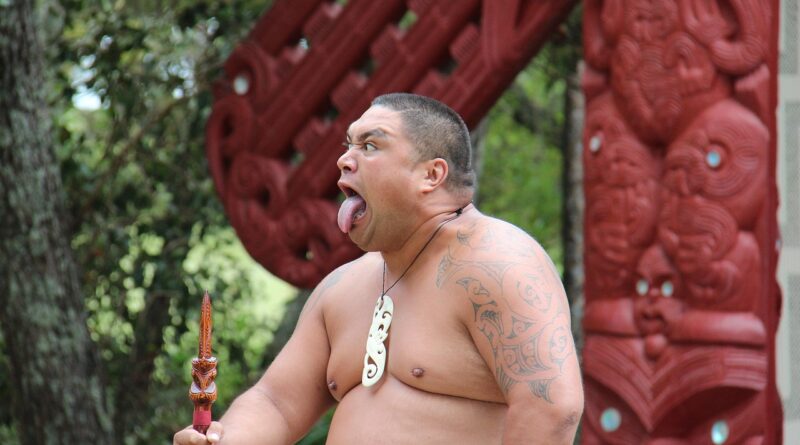
If you are searching for a maori culture tattoo, the first thing you may notice is the black line work, the spirals, and the sense that the marks carry a story. That interest is understandable, but the story comes before the look. In Māori culture, tattooing connects with whakapapa, or genealogy, mana, or status and authority, and the ties between people, land, family, and ancestors. For more background on global tattoo meaning and cultural context, you can also explore the tattoo culture section.
Te Ara, the Encyclopedia of New Zealand, explains that tattooing across Polynesia took its own form in Aotearoa New Zealand, with cut grooves and strong spiral motifs. It also says facial moko became less common after European settlement, then came back into wider use from the late twentieth century. That background is why a Māori-inspired design needs more care than a flash design chosen late at night. (teara.govt.nz)
Tā Moko as Identity and Whakapapa
Tā moko is not just a blackwork style. It can point to whakapapa, tribal links, personal history, family duty, and place. For Māori wearers, a moko may hold meanings that people outside the culture cannot read from a photo. Two designs may look close to someone without training, yet one may connect to a specific whānau, or family, while another may have been made for a very different life story.
Mana, Tapu, and Personal Standing
Mana is often translated as status, authority, or spiritual power, though no single English word says it fully. Tapu means sacredness and restriction. Te Ara records that moko showed a person’s mana, and that some chiefs who signed the Treaty of Waitangi used their moko as signatures. That detail matters because these marks could carry legal, social, and personal value, not only visual appeal.
Living Art Rather than Trend Art
A good tattoo can still look right many years later, but a cultural tattoo also has to hold its meaning over time. Trends move quickly, and a short video can be forgotten the next day. Tā moko belongs to a living culture, not to a passing style. If it is treated like a trend, the design loses its base; if it is treated as a reason to learn and ask better questions, the choice becomes more respectful.
How Did Tā Moko Change through History?
The history of tā moko is not a clean line from old practice to modern studio work. It includes skilled work, ceremony, colonization, decline, revival, museum study, and public debate. This matters because many people now first see Māori tattooing through travel photos, social media, or Pinterest boards, far from the setting that gives the marks their weight.
Grooved Marks and Spiral Forms in Aotearoa
Traditional Māori tattooing used uhi, or chisels, to cut and mark the skin, making grooves rather than only placing pigment on the surface. Te Ara describes tohunga tā moko, tattoo experts, as respected specialists who were paid with valued items such as weapons, cloaks, and greenstone. The work followed ritual and was tapu. That is a very different setting from a walk-in studio appointment with headphones on and a coffee nearby.
Colonial Pressure and a Long Decline
European settlement changed how moko was viewed and practiced. Te Ara records a harsh trade in preserved tattooed heads, known as mokomōkai, and says some Māori with moko were killed for their heads. New Zealand Legislation records the Tohunga Suppression Act 1907, a law aimed at people practicing as tohunga. Legal and cultural writing often connects that period with pressure on Māori spiritual and cultural practices. (legislation.govt.nz)
Revival Since the Māori Renaissance
The revival was not automatic. Te Ara notes that Māori women continued to receive moko kauae into the 1950s, and that from the 1980s the Māori renaissance supported tā moko as a sign of Māori or tribal identity. Te Papa also reported a 2025 public moko kanohi event where Māori artists studied more than 200 returned Toi Moko. That work connected patterns with carvings, photographs, regions, and iwi. (tepapa.govt.nz)
What Do Common Māori Tattoo Motifs Say?
Many online symbol lists make Māori tattoo motifs sound too simple: koru means growth, spiral means life, shark tooth means strength. Those notes can help someone start learning, but they are not enough for a real design. Meanings can change by artist, wearer, placement, family, and local tradition. A motif is not a sticker with one fixed label.
Koru as Growth and Return
The koru, based on an unfurling fern frond, is often linked with new life, return, growth, and movement. In tattoo design, it can soften the layout and lead the eye through the piece. Still, a koru does not give anyone automatic cultural depth. It has more meaning when the design has a clear reason behind it, such as a family change, recovery, or a new role in life.
Spirals, Lines, and Genealogy
Spirals and flowing lines can suggest movement across generations. In Māori visual art, lines often do more than fill empty space. They can lead the viewer toward ancestry, rank, and identity. Cambridge Core scholarship on traditional cultural expressions describes tā moko as a collective Māori taonga, or treasured possession, rather than something any one person can own alone. That is why copying someone’s exact moko is not a harmless shortcut. (cambridge.org)
Placement That Changes the Message
Placement changes the message. Moko kanohi, facial tattooing, carries a much stronger cultural charge than a shoulder or calf design. Moko kauae, the chin moko worn by women, is widely tied to identity and mana wahine. If you are non-Māori, facial placement is usually the point where caution should become a firm no. A sleeve inspired by kirituhi can be discussed with the right artist. A copied face marking is a different issue altogether.
Is Kirituhi More Respectful for Non-Māori Wearers?
Kirituhi is often described as Māori-style skin art made for people who do not carry Māori whakapapa. The word is commonly explained as kiri, skin, and tuhi, to write or draw. In practice, many artists use kirituhi for work inspired by Māori visual language without saying the wearer has Māori genealogy. It can be a better route, but only when the process is honest.
Tā Moko Belongs to Māori Lineage
If you are not Māori, calling your tattoo tā moko can give the wrong message. Tā moko is tied to Māori identity, whakapapa, and community. Stats NZ 2023 Census national data recorded 887,493 people identifying with the Māori ethnic group, or 17.8 percent of New Zealand’s population. That number gives useful scale because this is a living people and culture, not an old theme sitting in the public domain for anyone to reuse. (stats.govt.nz) See also: tattoo care.
Kirituhi as Skin Writing
Kirituhi can give you a respectful way to work with the visual strength of Māori art while leaving sacred lineage marks alone. The design should be original, not copied from a leader, elder, celebrity, museum image, or family photo. It should also avoid any symbols the artist says are restricted. A good piece can still feel strong, personal, and connected to your own story without pretending to be someone else’s record.
Questions to Ask Before Booking
Ask direct questions before you book. Is this design kirituhi or tā moko? Are any parts linked to a specific iwi or family? Is this placement suitable for a non-Māori wearer? Has the artist made this kind of work before? A serious artist should not be annoyed by respectful questions. If the only answer is that it looks cool, it may be better to keep your deposit in your pocket for now.
How Can You Plan a Design Without Crossing a Line?
Respectful tattoo planning is not about being scared to choose. It is about slowing down enough to make a better decision. A rushed tattoo often looks rushed, and cultural work makes that more obvious. The best planning folder may look plain: notes about family, reasons for the tattoo, reference limits, body placement, and artist names. That kind of plain folder can save skin.
Work with the Right Artist
If possible, work with a Māori artist or an artist who is clear about cultural limits and proper process. Look for healed photos, not only fresh studio shots. Ask how the artist creates original work. If they can only copy a picture you brought from Google, treat that as a warning sign. Custom work should start with a conversation, not a tracing layer.
Tell Your Story Without Taking Another
Your tattoo can speak about your own life: protection, grief, parenthood, travel, discipline, recovery, or a major turning point. It does not need to borrow another person’s genealogy to feel strong. Share useful details with the artist, then let them build a design that fits you. The result may be less obvious to strangers, but it can carry more value for you.
Keep Sacred Areas and Family Marks Private
Do not copy moko from portraits, museum collections, political figures, performers, or people you follow online. Do not ask an artist to place a Māori-style mark on your face unless you have a real cultural basis and guidance. If a design has a known family or tribal link that is not yours, leave it alone. There are many ways to make a strong tattoo without stepping on sacred ground.
FAQ
Q1: Is a Maori Culture Tattoo the Same as Tā Moko? A: Not always. Tā moko is a Māori cultural practice tied to whakapapa, mana, and identity. A general Māori-inspired tattoo for a non-Māori wearer is more often discussed as kirituhi.
Q2: Can a Non-Māori Person Get Kirituhi? A: Yes, many artists create kirituhi for non-Māori clients, but it should be original, respectful, and clearly separate from personal or tribal moko.
Q3: Are Māori Tattoo Symbols Universal? A: No. Some motifs have common public meanings, but the full message can change by wearer, artist, family, region, and placement.
Q4: Is It Okay to Copy a Design from the Internet? A: No. Copying a moko can copy a person’s identity or family story. Bring mood references if needed, then ask for a custom design.
Q5: What Is the Safest First Step Before Booking? A: Learn the difference between tā moko and kirituhi, choose a skilled artist, ask direct questions, and avoid facial or sacred placements if you do not carry Māori whakapapa.