
Is Tattoo Cream Care the Best Way to Heal New Ink?
Why Does Tattoo Cream Care Matter After Fresh Ink?
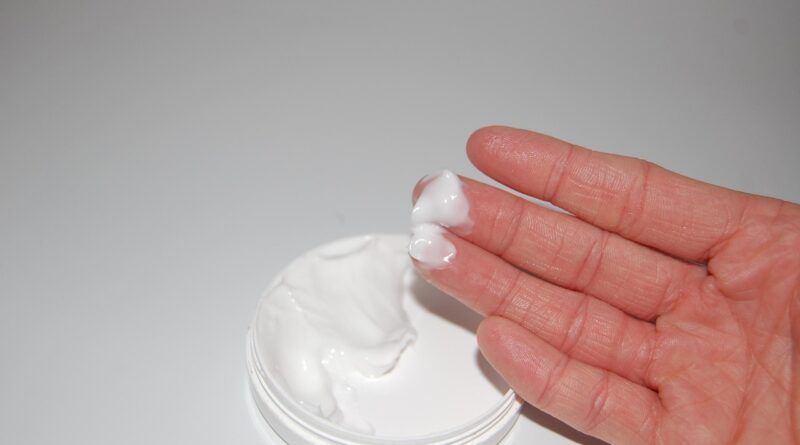
Tattoo cream care begins as soon as needles have broken the skin and placed pigment under it. That is the reason careful tattoo aftercare matters in the first few days. A cream will not heal a tattoo overnight. It only helps the surface stay comfortable while the body repairs the skin.
Fresh Tattoos Are Open Skin
A new tattoo is more than a design on the skin. It is a controlled skin wound, so it needs clean handling from the start. The FDA says in its public tattoo safety guidance that redness, swelling, and warmth may happen after tattooing. It also notes that poor hygiene or contaminated ink can increase infection risk, so cream should support healing instead of hiding trouble signs.
Moisture Helps Normal Repair
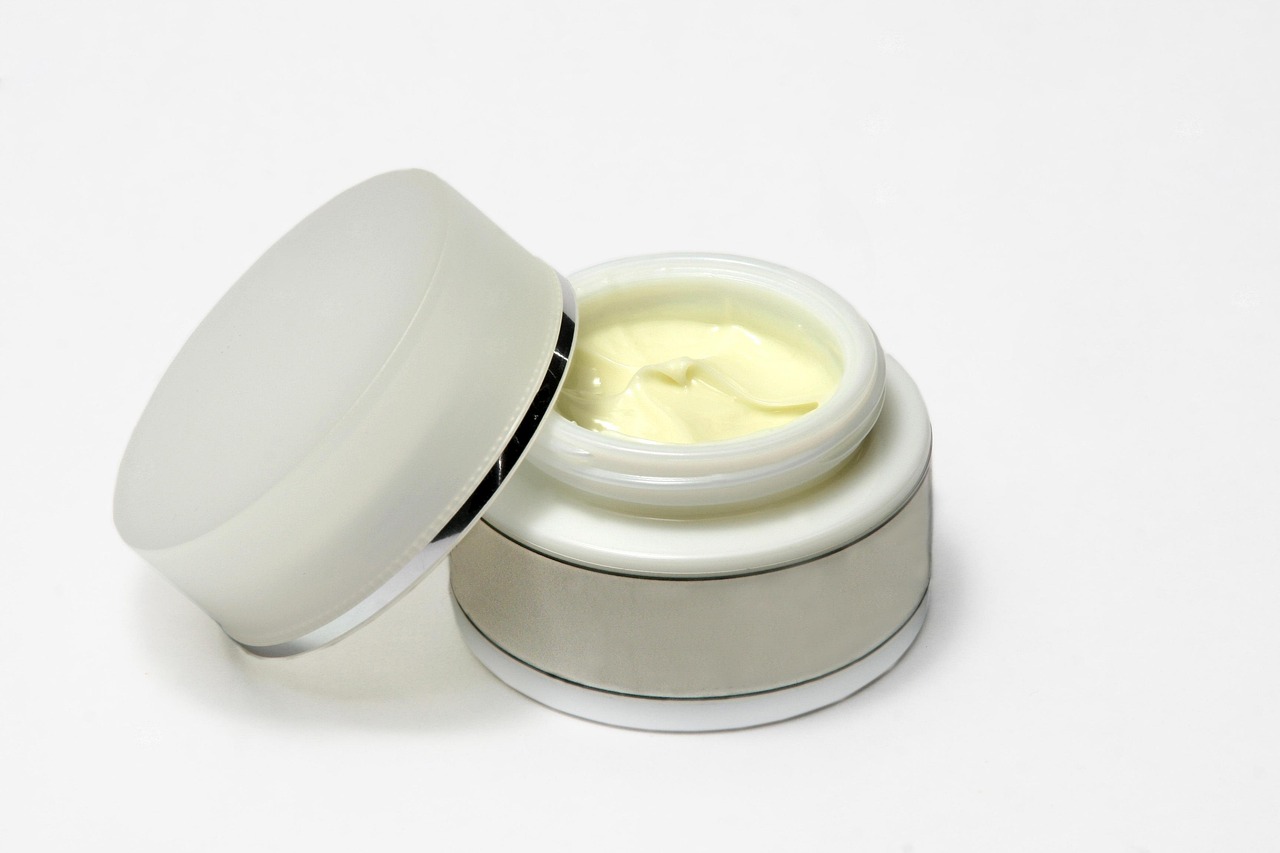
Dry skin can split, itch, and make you want to pull at flakes. A thin layer of the right cream helps the tattoo feel less tight while the skin settles. The American Academy of Dermatology Association advises using a water-based lotion or cream when tattooed skin feels dry. That point is worth noting because too much heavy product can keep the area too wet.
Less Picking Means Cleaner Color
Many healed tattoos lose clean edges because scabs were picked too soon. It is not always a problem with the artist’s work. Cream can reduce that dry, itchy feeling, so you are less likely to scratch while resting, working, or sleeping. This small habit helps protect line work during the flaky stage.
Which Tattoo Cream Should You Put on a New Tattoo?
The best tattoo cream is often a simple one. It should not have a strong scent, glitter, a cooling burn, or a mixed herbal smell that feels more like a candle than skin care. A new tattoo needs clean moisture and a calm surface. If your artist gives clear instructions, follow those first, especially when protective film is used.
Water-Based Creams and Lotions
Water-based creams and lotions are easy to spread and usually absorb without leaving a thick greasy layer. They are also less likely to mark sheets and clothes. The AAD points to water-based lotion or cream for dry tattooed skin. That does not make every store product a good choice, but it gives buyers a simple rule to start with.
Fragrance-Free Ingredient Lists
Fragrance is a small detail that people often ignore until the tattoo starts to sting. Choose a fragrance-free cream made for sensitive skin when you can. A short ingredient list is usually easier to understand and check. If you often react to cosmetics, test a very small amount on untattooed skin first, or speak with a dermatologist before your appointment.
Petroleum Products Used With Caution
The AAD warns that petroleum-based products, such as petroleum jelly, can cause tattoo ink to fade. Some artists may still suggest a very thin ointment layer for a short early period, depending on the tattoo style, body placement, and bandage type. The main point is simple. Do not cover a fresh tattoo with a thick shiny coat.
How Should You Apply Tattoo Cream Day by Day?
A good routine depends more on timing and amount than on brand name. There is no reliable public study that gives one exact cream dose per square inch for every tattoo, skin type, weather condition, and ink style. Use a workable standard instead: clean hands, clean skin, a thin layer, and no heavy residue.
The First 24 Hours
Leave the first bandage on for the time your artist tells you. Wash your hands before touching the area, even if you are only checking it. The CDC handwashing guidance updated in 2024 recommends washing with soap and water for at least 20 seconds, especially before and after treating a cut or wound. A fresh tattoo should be handled with the same clean-hand habit.
Days Two to Seven
Most tattoos start to feel dry and tight during this period. After gentle washing and patting the skin dry, apply a thin coat of tattoo cream. The surface should look soft, not wet. If cream collects in the lines, you have used too much; a pea-sized amount may cover a small wrist tattoo, while a large thigh piece will need more.
Week Two and Beyond
Flaking often slows in the second week, but the skin may still look dull or shiny in some spots. Keep using light moisture until the texture feels like normal skin again. Once the tattoo is fully healed, cream becomes normal skin care instead of wound care. At that stage, long-term color care matters more than daily scab control.
What Should You Avoid While Using Tattoo Cream?
Cream only helps when the rest of the care routine is sensible. Even a good product cannot protect a tattoo from dirty hands, pool water, sunburn, or constant rubbing from tight denim. The basic rules are not exciting, but they are usually the rules that protect the final look.
Heavy Layers That Trap Moisture
More cream does not mean better care. Thick layers can trap sweat and lint, soften flakes too much, and leave the tattoo sticky. If your shirt sticks to the area, blot off the extra cream with a clean paper towel. You want a light layer that can breathe, not a coating sitting on top of the skin.
Swimming, Sun, and Dirty Hands
Avoid pools, hot tubs, lakes, and ocean soaking until the tattoo is healed. The CDC advises keeping open wounds clean and covered and getting care if redness, swelling, or oozing develops. Fresh tattoos should also stay away from strong sun. UV exposure can fade pigment, and sunburn on a new tattoo is painful.
Scratching, Picking, and Tight Clothes
Itching is common, but scratching can pull healing skin off before it is ready. If needed, tap lightly around the area or add a very thin cream layer when the skin feels dry. Loose cotton clothing can help reduce rubbing. This matters most on ribs, thighs, hips, and inner arms, where fabric moves across the tattoo all day. See also: tattoo culture.
When Are Redness, Bumps, or Itching a Warning Sign?
Not every red patch means infection. A fresh tattoo can feel warm, swollen, and sore for a short time. Still, you should watch whether symptoms are improving or getting worse. Better each day is a good sign; worse each day needs attention.
Normal Early Tenderness
Mild redness, light swelling, and a sunburn-like feeling can be normal soon after tattooing. The area may look rough after a long session, especially on thin skin or near joints. Apply cream gently and keep the area clean. Do not judge the final look while the tattoo is still peeling.
Signs That Need Medical Help
Contact a health care professional if redness spreads, pain gets stronger, pus appears, the skin feels hotter in a worsening way, or you develop fever or chills. These are not signs to cover with more cream. FDA tattoo safety information says more serious infections may require antibiotics for months, hospitalization, or surgery. That is not common, but it should not be ignored.
Allergic Reactions Can Appear Later
A rash or bumps near the tattoo may also point to an allergic reaction. The FDA has reported reactions to tattoo inks soon after tattooing and even years later. A cream may help dry skin feel better, but it will not solve an ink allergy. If a healed tattoo suddenly changes, contact a dermatologist.
How Can Tattoo Cream Care Protect Long-Term Color?
After the tattoo heals, the job is different. You are no longer caring for broken skin. You are caring for skin that holds pigment. When that skin stays in good condition, the tattoo usually looks better day to day.
Daily Moisture After Healing
Use a light lotion when the tattoo looks dry or ashy. This is useful on elbows, knees, hands, and lower legs, where skin can look dull quickly. Moisture will not make an old tattoo look brand new. It can, however, make lines and shading look clearer for the day.
Sun Protection With SPF 30 or More
The AAD advises protecting tattoos from the sun with broad-spectrum, water-resistant sunscreen of SPF 30 or higher, applied before going outside and reapplied at least every two hours. Sunscreen is not meant for fresh open skin, so wait until the tattoo is healed. After that, it is one of the most useful habits for keeping color in better shape.
Better Habits Before Touch-Ups
If you plan a touch-up, keep the skin calm in the weeks before the appointment. Do not scrub hard, tan heavily, or test a strong new body product over the tattoo. A settled skin surface gives your artist a better area to work on. It is basic advice, but it can prevent problems later.
FAQ
Q1: How Many Times a Day Should You Use Tattoo Cream? A: Many people apply a thin layer two to three times daily after gentle washing, but your artist may give different directions. The skin should feel comfortable, not greasy.
Q2: Can You Put Too Much Cream on a Tattoo? A: Yes. Too much cream can make the tattoo sticky, trap sweat, and soften flakes. If the surface looks wet or shiny for a long time, remove the excess gently.
Q3: Is Tattoo Cream Better Than Regular Lotion? A: A good tattoo cream is usually fragrance-free, gentle, and easy to spread. Some regular sensitive-skin lotions can also work if they follow the same basic rules.
Q4: When Can You Stop Using Tattoo Cream? A: You can usually reduce use when peeling has stopped and the skin feels normal. Many people keep moisturizing healed tattoos to keep the skin smooth and the color looking clear.
Q5: Should You Use Tattoo Cream if the Tattoo Looks Infected? A: Do not rely on cream to treat infection. If you see spreading redness, pus, worsening pain, fever, or chills, contact a health care professional promptly.