What Does The Maori Moko Tattoo Reveal About Cultural Resilience Today
The Facial Tattoos Sending a ’Very Clear Statement’ After Decades of Suppression
The revival of Māori moko tattoos marks not only an artistic resurgence but a profound declaration of cultural sovereignty. Once suppressed by colonial policies, these facial markings now reemerge as visible affirmations of identity and endurance. In contemporary New Zealand, the moko is both personal narrative and political statement—an assertion that Māori heritage cannot be erased. This renewed visibility challenges outdated notions of professionalism and beauty while restoring pride in ancestral lineage.
The Historical Foundations of the Māori Moko
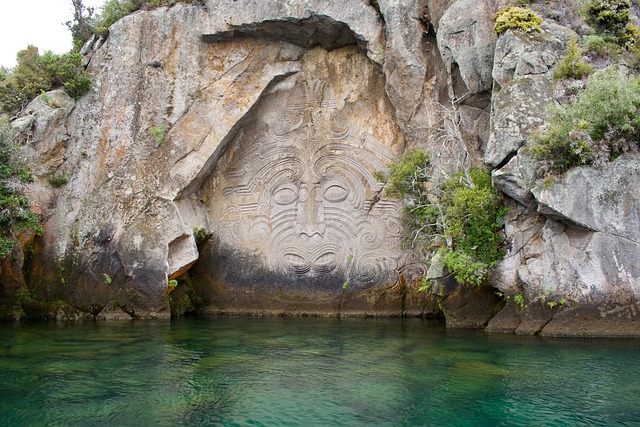
The origins of tā moko are deeply entwined with Māori cosmology and social order. To grasp its historical gravity, one must look beyond aesthetics to its role as an ancestral text inscribed on living skin.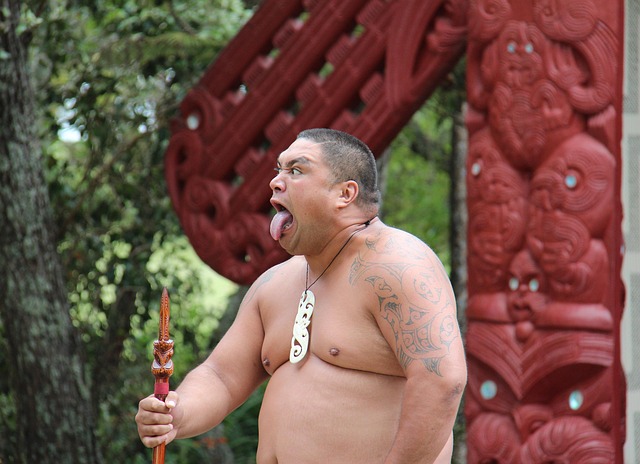
Origins and Symbolism of Tā Moko
Tā moko was traditionally regarded as a sacred art form that recorded genealogy, tribal affiliations, and personal achievements. Each line carried meaning, reflecting the bearer’s place within their whānau (family) and iwi (tribe). Male moko often covered the entire face, symbolizing rank and valor, while female moko—particularly the moko kauae on the chin—represented spiritual strength and connection to whakapapa (genealogy). Traditional artists used chisels called uhi rather than needles, embedding pigment made from burnt wood or caterpillar fungus into the skin through ritualized ceremony. The process was painful by design; it marked transformation from one life stage to another.
Colonial Encounters and Suppression of Tā Moko
European colonization disrupted this sacred continuity. Missionaries condemned tā moko as pagan, while colonial authorities associated it with criminality. Legal restrictions on tattooing practices emerged in the 19th century, coinciding with broader efforts to assimilate Māori people into European norms. As Christianity spread, many Māori abandoned moko under pressure to conform socially and economically. By the early 20th century, facial moko had nearly disappeared outside remote communities. What once signified honor became stigmatized—a visible reminder of difference in a colonized society.
The Revival of Tā Moko in Contemporary Māori Society
After decades of marginalization, tā moko has reemerged as a central expression of cultural reclamation. This revival speaks not only to artistic renewal but also to political self-determination.
Reclaiming Identity Through Cultural Expression
In recent decades, Māori artists have reclaimed tā moko as an act of decolonization. The resurgence reflects collective pride and resistance against cultural erasure. Prominent figures such as scholars, performers, and politicians now wear moko publicly, signaling that indigenous identity belongs in every sphere—from Parliament to television screens. Community-based workshops teach younger generations traditional carving patterns and their meanings, ensuring that knowledge transmission remains grounded in tikanga (customary law).
Modern Techniques and Ethical Considerations
Contemporary practitioners balance respect for tradition with modern health standards. Electric tattoo machines replace bone chisels for hygiene reasons, yet many artists retain ceremonial protocols before each session. Ethical debates continue over who may wear moko: it is widely agreed that full facial designs belong solely to Māori descendants with clear genealogical ties. Non-Māori interest in “tribal” tattoos has raised questions about appropriation versus appreciation. Responsible artists emphasize education before application to prevent cultural distortion.
Tā Moko as a Symbol of Cultural Resilience
Tā moko today embodies more than aesthetic revival—it stands as living proof of survival through colonization’s trauma.
Moko as an Embodiment of Resistance and Continuity
Each revived pattern tells a story of endurance. For many wearers, receiving a maori moko tattoo is both personal healing and political defiance against historic silencing. It transforms pain into permanence—a visible archive linking ancestors who endured suppression with descendants reclaiming pride today. This continuity reinforces collective memory within Māori communities worldwide.
Gendered Dimensions of Cultural Resilience
Women have become central to this renaissance through the return of moko kauae. Once nearly lost, these chin markings now symbolize empowerment and leadership among Māori women across generations. Elders pass down carving knowledge through mentorship circles where young women learn pattern symbolism alongside spiritual discipline. Their visibility challenges patriarchal interpretations imposed during colonization, reframing leadership within indigenous matrilineal traditions.
Global Perceptions and Cross-Cultural Dialogues
As tā moko gains international attention through media and tourism, new complexities arise around representation and ownership.
Representations of Moko in Media and Popular Culture
Global fascination often risks reducing tā moko to exotic imagery detached from its sacred roots. Misrepresentation in fashion or entertainment can trivialize centuries-old meanings. In response, Māori leaders advocate for narrative control—ensuring images used abroad reflect authentic voices rather than stereotypes. Digital platforms now serve as educational tools where practitioners share stories behind each design directly with global audiences.
Cross-Cultural Respect and Intellectual Property Concerns
The debate between cultural appropriation and appreciation extends into legal realms. International frameworks increasingly recognize indigenous intellectual property rights under conventions like UNESCO’s safeguarding measures for intangible heritage. Collaborative projects between Māori artists and museums demonstrate ethical exchange models—where consent, attribution, and shared benefit guide creative partnerships without exploiting sacred symbols.
The Future Trajectory of Tā Moko as Cultural Heritage
Looking ahead, tā moko’s future lies not just in preservation but integration across all aspects of modern life—from governance to digital archiving.
Integration into Contemporary Māori Life and Institutions
Visible moko now appears in spaces once deemed inappropriate: corporate offices, classrooms, even parliamentary chambers. Such normalization challenges Western ideals about professionalism by redefining what authority looks like through an indigenous lens. Institutions increasingly support tattoo artists preserving ancestral techniques while adapting them for contemporary practice within regulated environments.
Sustaining Cultural Knowledge Across Generations
Educational programs embedded in schools teach students about tā moko history alongside language revitalization efforts like Te Reo immersion curricula. Elders collaborate with researchers documenting motifs’ linguistic roots so future generations inherit both art form and worldview intact. Community archives record oral histories from tattoo bearers describing their journeys—creating living databases that resist homogenization amid globalization pressures.
FAQ
Q1: What does a traditional Māori facial tattoo represent?
A: It represents genealogy, tribal identity, social status, and personal milestones encoded visually on the skin through symbolic patterns unique to each wearer.
Q2: Why did tā moko decline during colonial times?
A: Missionary influence labeled it unchristian while colonial policies criminalized indigenous expressions; combined social stigma led many Māori to abandon facial tattoos for survival within settler society.
Q3: How do modern artists maintain authenticity when using electric tools?
A: They follow traditional rituals such as karakia (prayers) before sessions and consult elders on design meanings even when employing contemporary equipment for safety compliance.
Q4: Can non-Māori receive a tā moko?
A: Full facial designs are reserved for those with verified whakapapa connections; non-Māori may receive inspired body art only after informed consultation respecting cultural boundaries.
Q5: How is tā moko being preserved for future generations?
A: Through community education programs, digital archives documenting designs’ meanings, mentorship between elders and youth artists, ensuring both technique continuity and cultural integrity remain strong amid global change.