How Does Couple Tattoo Design Redefine Identity In Shared Art
These 15 Couple Tattoos Blur The Line Between Two Individuals And One Design
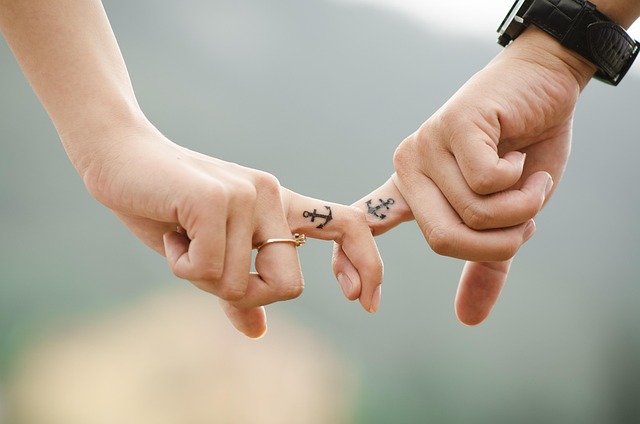
Couple tattoo design has evolved into a sophisticated form of shared art that fuses emotional intimacy with visual storytelling. It’s not merely about matching symbols but about crafting interconnected expressions of identity. When two individuals collaborate on a design that spans both bodies, they create a tangible metaphor for connection — a permanent dialogue between self and other. These tattoos blur the boundaries of individuality, turning skin into a shared canvas where love, memory, and artistry coexist.
The Concept of Shared Identity Through Couple Tattoo Design
Couple tattoos have become more than decorative marks; they function as statements of unity and individuality intertwined. Each design tells a story about how two people perceive their bond — not as ownership, but as mutual creation.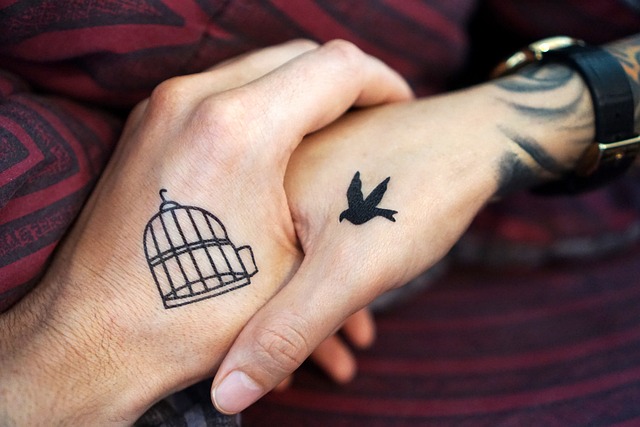
Understanding the Symbolism Behind Couple Tattoos
Couple tattoo design serves as a visual representation of emotional connection and shared meaning. The merging of two distinct designs reflects the balance between individuality and unity, often achieved through motifs like interlocking shapes or mirrored imagery. Symbolic elements — such as coordinates, constellations, or minimalist icons — communicate personal narratives or milestones within relationships. In many cases, these designs mark transitions: anniversaries, engagements, or even reconciliations after hardship.
The Psychological Dimensions of Shared Art on Skin
Tattoos act as permanent markers of relational identity and commitment. The act of co-creating body art introduces vulnerability; it requires trust in both the partner and the artist. Shared tattoos can strengthen emotional bonds by transforming private sentiment into visible art. Yet permanence also brings tension — a reminder that relationships evolve while ink remains fixed. This duality keeps couple tattoos psychologically rich: they are both declarations and questions about what it means to share identity over time.
Aesthetic Integration in Couple Tattoo Design
The artistry behind couple tattoos lies in how two separate pieces form one cohesive image when partners come together. This integration demands technical precision and creative foresight from both artist and couple.
Techniques for Creating Interconnected Designs
Artists employ symmetry, alignment, and complementary shapes to achieve cohesion across two bodies. Placement matters greatly: a design split across wrists may align perfectly when hands meet, while shoulder or ankle placements alter visual flow depending on posture. Negative space becomes crucial for maintaining balance; it allows each tattoo to stand alone yet feel incomplete without its counterpart. This interplay between separation and union mirrors relational dynamics themselves.
The Evolution of Design Concepts in Modern Tattooing
Advances in fine-line techniques allow for intricate shared artwork that was once impossible with traditional tools. Minimalist and geometric styles now dominate couple tattoo design because they emphasize concept over complexity — unity expressed through simplicity. Digital sketching tools enable collaborative refinement before any needle touches skin, letting couples preview how designs interact across anatomy. This pre-visualization process has redefined professional practice within modern studios.
Cultural Interpretations of Couple Tattoos as Shared Art
Body marking has long served communal purposes across cultures; couple tattoos extend this lineage into personal partnership rituals within contemporary society.
Historical Roots of Paired Body Art Traditions
In ancient Polynesian societies, paired tattoos symbolized alliances or marriages within tribes. Similarly, certain Indigenous groups used ritualistic markings to represent shared fate or spiritual unity between individuals or clans. Today’s couple tattoo design reinterprets these ancestral practices through modern aesthetics — blending sacred symbolism with personal storytelling rather than communal identity.
Cross-Cultural Variations in Symbolism and Meaning
Interpretations vary widely: some Eastern traditions view paired tattoos as representations of yin-yang duality rather than romance, emphasizing harmony over possession. In Western contexts, designs often focus on love, loyalty, or narrative imagery like linked hearts or matching quotes. Globalization has blurred these distinctions further; couples now mix cultural motifs freely to express hybrid identities shaped by travel and technology.
The Role of Individuality Within Shared Design Frameworks
Even in shared art forms like couple tattoos, individuality remains essential. The challenge lies in balancing two creative voices without losing coherence.
Negotiating Personal Expression in Collaborative Tattoos
Each partner contributes unique elements reflecting personal traits — favorite symbols, initials, or stylistic preferences — which the artist weaves into one unified piece. Professional tattooists act as mediators during planning sessions to maintain aesthetic cohesion while preserving individuality. The final composition becomes an intersection where two creative identities coexist rather than compete.
The Tension Between Permanence and Change in Relationships
Tattoos capture specific moments in relational time: an engagement ring inked before marriage or coordinates marking where two people met. Yet identities evolve; what once symbolized permanence may later require reinterpretation. Some couples modify existing tattoos instead of removing them entirely — adding new layers to reflect growth rather than erasing past meaning.
Artistic Collaboration Between Tattooists and Couples
Professional collaboration defines the success of any couple tattoo project. It requires empathy from artists and clarity from clients about emotional intent.
Methodologies for Designing Shared Tattoos Professionally
Consultations often begin with deep discussion around emotional significance alongside visual preferences. Artists then conduct iterative sketch sessions to refine composition across both anatomies — ensuring symmetry aligns naturally when bodies meet but still looks balanced apart. Technical aspects such as ink longevity and healing consistency are considered early to avoid distortion over time.
Ethical Considerations in Representing Relational Bonds Permanently
Tattooists bear ethical responsibility when designing for intimate relationships. They must confirm informed consent from both partners and discuss long-term implications candidly before proceeding. Transparency builds trust between all parties involved and protects artistic integrity by aligning intention with execution.
Couple Tattoo Design as a Form of Contemporary Identity Construction
Shared tattoos have become cultural artifacts reflecting how modern partnerships negotiate identity through creativity rather than convention.
Redefining Selfhood Through Shared Creative Acts
Co-designing tattoos transforms selfhood into something relational — an intersubjective experience inscribed onto skin. By embedding meaning collectively rather than individually, couples challenge traditional autonomy narratives common in Western thought. These tattoos act as living records of co-authorship within evolving personal histories.
The Future of Couple Tattoo Design in Visual Culture
Emerging technologies like augmented reality are beginning to influence pre-tattoo visualization processes, allowing couples to simulate placement dynamically before commitment. Hybrid art forms combining digital projection with physical ink may soon expand expressive possibilities further. As social attitudes toward body modification continue shifting toward acceptance, couple tattoo design will likely remain at the forefront of how collective identity is visually constructed.
FAQ
Q1: Are couple tattoos considered permanent commitments?
A: Yes, they symbolize lasting emotional bonds but can be adapted over time through redesigns that reflect relationship growth rather than permanence alone.
Q2: How do artists maintain symmetry across two bodies?
A: They use anatomical mapping techniques during sketching sessions to align key points visually when partners stand together or apart.
Q3: What styles are most popular for modern couple tattoo design?
A: Minimalist line work, geometric compositions, and fine-line realism dominate due to their clarity and conceptual focus on unity without excess detail.
Q4: Can cultural symbols be mixed within one shared design?
A: Yes, many couples blend motifs from different traditions to express hybrid identities shaped by multicultural experiences or travel memories.
Q5: How do professionals handle consent during joint sessions?
A: Ethical practice requires confirming individual consent separately before finalizing any shared concept to prevent emotional pressure during decision-making stages.