What Makes a Good Ointment for Tattoos Essential for Long-Term Aftercare
Proper Aftercare Can Help Your New Tattoo Last Longer
A tattoo’s longevity depends less on the ink and more on how the skin heals afterward. The first few weeks are critical: hydration, hygiene, and the right topical products make the difference between a vibrant tattoo and one that fades prematurely. A good ointment for tattoos helps preserve pigment, prevent infection, and maintain elasticity. When chosen carefully and used correctly, it supports natural healing while keeping the artwork crisp for years.
Understanding the Role of Ointments in Tattoo Aftercare
Tattoo aftercare is a controlled healing process that blends dermatological science with artistic preservation. The skin’s response to trauma dictates how pigment settles, and ointments play a central role in guiding that recovery.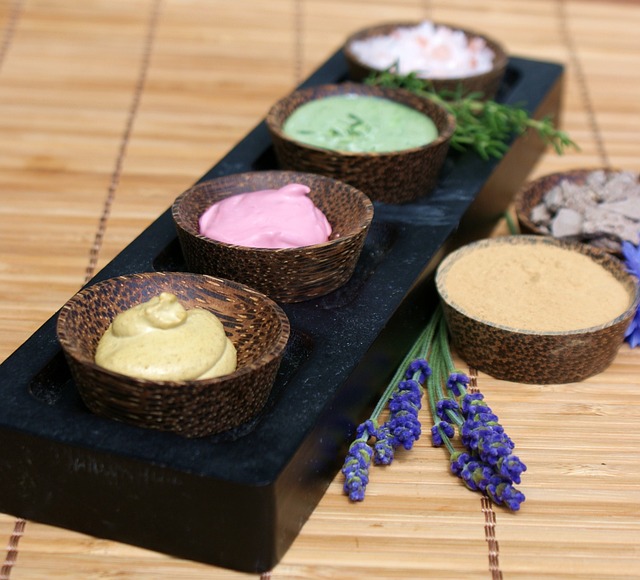
The Healing Process of a New Tattoo
A fresh tattoo is an open wound. The outermost layer of skin has been punctured thousands of times, leaving it vulnerable to bacteria and dehydration. During the first 48 hours, plasma leakage forms a thin film that helps seal the wound. Proper cleansing followed by light ointment application keeps this environment moist but not overly greasy. As epithelial cells regenerate over days 3–10, maintaining consistent moisture prevents scab formation that could pull pigment from the dermis.
Why Ointments Are Critical in Early Recovery
Ointments act as both shield and conditioner. They create a breathable barrier that locks in hydration while deterring environmental contaminants like dust or sweat. In clinical dermatology, occlusive yet non-suffocating films are known to accelerate tissue repair by maintaining optimal moisture balance. The quality of formulation—especially its ratio of humectants to emollients—determines how evenly a tattoo heals and how vivid it remains once settled.
Key Characteristics of a Good Ointment for Tattoos
Selecting an effective product requires understanding ingredient behavior on compromised skin. A good ointment for tattoos must protect without clogging pores or altering pigment chemistry.
Ingredient Composition and Skin Compatibility
Non-comedogenic and hypoallergenic bases are vital since newly tattooed skin is hypersensitive. Natural emollients such as shea butter or jojoba oil mimic sebum composition, providing hydration without heavy residue. Many professionals avoid petroleum-heavy formulas beyond initial healing because they can trap heat and slow oxygen exchange at the surface. Lightweight botanical oils allow better cellular respiration during recovery.
Antibacterial and Anti-inflammatory Properties
During early healing, mild antiseptic agents like chlorhexidine derivatives or tea tree extract help curb bacterial growth without disrupting beneficial flora. Anti-inflammatory compounds such as panthenol or bisabolol calm redness and micro-swelling around inked lines. Balanced formulations achieve comfort without greasiness—an important factor when tattoos cover large areas or high-friction zones like forearms or calves.
Absorption Rate and Texture Considerations
Fast absorption prevents sticky buildup that attracts lint or dirt. Professionals often prefer semi-solid balms with creamy textures that spread evenly across varying contours. For instance, fine-line tattoos on wrists benefit from lighter emulsions than dense color blocks on shoulders. The tactile feel should be smooth enough to apply with minimal friction yet durable enough to maintain protection between washes.
The Impact of Ointment Quality on Long-Term Tattoo Longevity
High-quality ointments don’t just aid short-term healing—they influence how well colors hold over time by supporting barrier integrity long after visible recovery ends.
Preserving Pigment Intensity Over Time
Hydrated skin retains pigment molecules more effectively than dry skin where microcracks scatter light unevenly. Regular use of nourishing ointments safeguards against premature fading caused by dehydration or UV exposure. Dermatological studies show that maintaining lipid balance enhances color vibrancy even years after tattooing.
Preventing Scarring and Uneven Healing
Over-drying leads to thick scabs that distort line work as they detach. Proper moisturization keeps epidermal turnover steady, reducing scar risk. Some advanced ointments include allantoin or silicone derivatives known for promoting smooth texture restoration once peeling subsides.
Controlled Healing Minimizes Patchiness
Even moisture distribution ensures consistent pigment settling across different sections of a tattoo. When healing occurs too quickly in one area due to dryness or irritation, uneven tone may appear beneath the dermis layer—a common cause of patchy results seen in poorly managed aftercare routines.
Comparing Common Ointment Bases Used in Tattoo Aftercare
The base material largely determines breathability, absorption rate, and comfort level during recovery. Each type serves distinct phases within the aftercare timeline.
Petroleum-Based vs Natural Oil-Based Formulations
Petroleum-based ointments provide strong occlusion ideal for initial 24–48 hours when maximum protection is needed against external contaminants. However, prolonged use can hinder oxygen flow essential for tissue regeneration and may clog pores leading to minor breakouts around healed areas.
Natural oil-based ointments rely on plant-derived lipids such as coconut or almond oil blended with waxes for texture stability. These offer breathable hydration with antioxidant benefits while supporting microbiome balance—particularly beneficial during later stages when skin begins normalizing its barrier function.
Water-Based Emulsions for Sensitive Skin Types
For clients prone to allergic reactions or acneiform eruptions, water-based emulsions deliver lightweight moisture without greasy residue on clothing or bedding. They absorb rapidly while still maintaining protective hydration levels suitable for delicate areas like necks or ankles where friction is higher.
Professional Recommendations for Optimal Use of Tattoo Ointments
Tattoo artists often emphasize consistency over quantity: applying small amounts frequently yields better outcomes than thick layers applied sporadically.
Application Frequency and Duration Guidelines
A thin layer two to three times daily maintains steady hydration through all regenerative phases. Overapplication can suffocate tissue by oversaturating pores; moderation encourages balanced oxygen flow crucial for collagen synthesis within dermal layers.
Integration with Other Aftercare Practices
Cleansing remains equally important—using pH-balanced soaps reduces buildup before each reapplication cycle. Once flaking ends, transitioning from heavy ointments to lighter lotions sustains suppleness without over-moisturizing mature tissue.
Evaluating Product Efficacy Through Skin Response Monitoring
Monitoring redness reduction, elasticity improvement, and pigment retention provides insight into product suitability. Environmental factors also matter: humid climates may require lighter formulations compared to arid regions where thicker balms perform better under dry air exposure.
Advances in Formulation Science for Tattoo Aftercare Products
Modern research continues refining how topical agents interact with newly tattooed skin at molecular levels, merging cosmetic chemistry with wound-healing biology.
Incorporation of Bioactive Compounds in Modern Ointments
Peptide-enriched blends stimulate collagen networks responsible for structural resilience post-tattooing. Some laboratories experiment with probiotic-infused bases designed to restore microbial equilibrium disrupted during sterilization procedures—a promising direction aligning with broader dermatological trends toward microbiome-friendly care.
Sustainable and Ethical Trends in Product Development
Consumer demand increasingly favors cruelty-free vegan products using renewable raw materials like plant waxes instead of mineral derivatives. Brands adopting biodegradable packaging also align with eco-conscious standards recognized across professional skincare industries worldwide, reflecting responsibility beyond aesthetics alone.
FAQ
Q1: How long should an ointment be used after getting a tattoo?
A: Typically 7–10 days until peeling stops; afterward switch to lighter moisturizers to maintain softness without clogging pores.
Q2: Can petroleum jelly replace specialized tattoo ointments?
A: It can be used briefly during initial hours but lacks breathable properties needed for sustained healing; specialized formulas perform better long term.
Q3: What signs indicate an allergic reaction to an ointment?
A: Persistent redness, itching beyond normal irritation, or rash-like bumps suggest incompatibility—discontinue use immediately and consult a dermatologist.
Q4: Is sun exposure safe during healing?
A: No direct sunlight until full recovery; UV rays degrade pigments quickly when skin is still regenerating its protective barrier.
Q5: Do vegan ointments work as effectively as traditional ones?
A: Yes—modern plant-based emulsions match performance levels while offering ethical sourcing advantages preferred by many professionals today.