
How Do Tattoo Care Tips Influence Long-Term Pigment Retention
Proper Aftercare Can Help Your New Tattoo Last Longer
Tattoo longevity depends less on the artist’s skill than on what happens after the session. The skin’s healing response determines how pigment settles, and every step of aftercare—from cleaning to sun protection—directly affects color stability. Proper wound care, balanced moisture, and protection from UV exposure preserve vibrancy for years. This article explores the biological mechanisms of pigment fixation, the environmental and lifestyle factors that influence fading, and advanced tattoo care tips for both professionals and clients seeking lasting results.
Understanding the Relationship Between Tattoo Care and Pigment Retention
Tattoo pigment retention is shaped by cellular biology as much as by surface care. Once ink enters the dermis, immune responses begin shaping its permanence. Every choice—from ointment use to environmental exposure—can either stabilize or weaken pigment over time.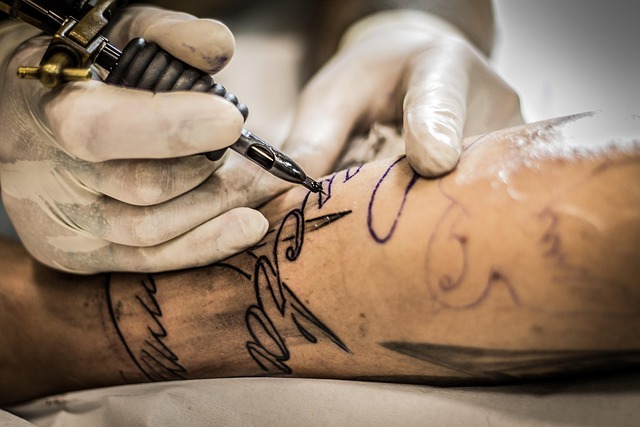
The Biological Process of Pigment Fixation in the Skin
Tattoo pigments are injected into the dermal layer where fibroblasts and macrophages interact with foreign particles. Macrophages engulf some pigment molecules but many remain trapped within dermal cells, giving tattoos their lasting visibility. Over months, collagen remodeling stabilizes these pigments deeper in tissue. If inflammation persists too long, excess cytokine activity can push pigment upward or cause uneven fading. Proper hydration and gentle cleansing reduce this risk by keeping skin pliable and oxygenated during early repair.
Factors That Affect Long-Term Pigment Stability
Pigment stability varies widely across individuals. Oily or highly elastic skin may diffuse ink faster than dry or mature skin because of differences in collagen density. Immune response also matters; stronger phagocytic activity can gradually clear pigments faster. Environmental exposure—especially UV light—oxidizes certain pigments such as red and yellow compounds more quickly. Ink quality plays a critical role: stable organic pigments combined with consistent needle depth produce sharper lines that resist migration. A controlled healing environment remains essential for optimal pigment fixation.
Immediate Post-Tattoo Care and Its Impact on Healing
The first few days after a tattoo are decisive for pigment retention. The wound must be protected from infection while allowing oxygen exchange for tissue regeneration. Many fading problems trace back to poor early-stage care rather than later neglect.
Importance of Initial Wound Management
A fresh tattoo functions like an open wound that requires sterile handling. Cleaning with mild antibacterial soap prevents microbial invasion that could cause pigment loss or scarring. Controlled moisture through thin layers of fragrance-free ointment supports epidermal regeneration without promoting scabbing or excessive peeling. Heavy occlusive dressings should be avoided because they trap heat and limit airflow, slowing epithelial recovery.
Managing Inflammation and Irritation During Early Healing
Inflammation is a normal immune reaction but excessive swelling can distort fine lines or expel pigment particles prematurely. Non-steroidal anti-inflammatory ointments formulated for post-procedure use help calm redness without interfering with pigment bonding. Loose clothing reduces friction against healing areas, preventing mechanical disruption of inked surfaces. Adequate hydration aids cellular turnover, ensuring consistent repair across all layers of skin.
Environmental and Lifestyle Influences on Tattoo Longevity
Even perfectly healed tattoos will fade if daily habits work against them. Sunlight, nutrition, and general skin health determine how long colors stay crisp before touch-ups become necessary.
UV Exposure and Its Effect on Pigment Fading
Ultraviolet radiation accelerates oxidation within tattoo pigments, breaking molecular bonds that create color intensity. Extended sun exposure can cause uneven fading where melanin competes with ink for UV absorption. Using broad-spectrum sunscreen above SPF 30 significantly slows this process by forming a protective barrier against UVA and UVB rays. Indoor tanning carries similar risks since artificial UV lamps emit concentrated radiation that penetrates deeply into dermal layers.
The Role of Nutrition and Skin Health in Pigment Retention
Healthy skin maintains tattoos better because it regenerates evenly around embedded pigments. Diets rich in vitamins A, C, E, zinc, and omega-3 fatty acids promote collagen synthesis essential for structural integrity around ink deposits. Antioxidants from fruits or supplements counter oxidative stress that degrades pigments at a molecular level over time. Consistent hydration keeps skin supple; dehydration leads to micro-fissures that distort tattoo lines subtly but noticeably over years.
Advanced Aftercare Practices for Professional Artists and Clients
Professional environments can dramatically influence healing outcomes through controlled hygiene and education practices that extend beyond basic home care routines.
Optimizing Healing Environments Through Controlled Conditions
Studios maintaining stable temperature and humidity reduce risks of delayed healing caused by dryness or bacterial growth. Sterile breathable wraps now replace plastic films because they balance moisture retention with airflow while protecting from contaminants during transport home. Artists who provide tailored guidance based on client skin type improve consistency across different tattoo styles—from delicate linework to heavy shading—by adjusting aftercare accordingly.
Long-Term Maintenance Strategies for Preserving Color Integrity
After initial healing ends, long-term maintenance keeps tattoos looking fresh rather than dulling into muted tones. Regular moisturization prevents dryness that accelerates pigment degradation under daily friction from clothing or washing routines. Gentle exfoliation removes dead surface cells without disturbing deeper ink layers, restoring natural sheen to colored areas. Periodic touch-ups every few years maintain vibrancy while preserving original design precision rather than requiring full rework later.
Evaluating Common Misconceptions About Tattoo Aftercare
Despite growing awareness about professional hygiene standards, misinformation about aftercare persists among clients who rely on outdated advice or social media myths.
Overuse of Ointments and Its Consequences on Pigment Retention
Excessive application of thick ointments clogs pores and traps bacteria beneath the surface film, creating conditions ripe for infection or patchy color absorption. Petroleum-based products delay epithelial recovery by blocking air circulation needed for keratinocyte formation at the surface layer; this often results in uneven texture once healed.
The Myth of “Set-and-Forget” Tattoos
Tattoos evolve alongside aging skin; they’re not static artworks sealed beneath glass but living imprints within biological tissue constantly renewing itself. Neglecting moisturization or sun protection inevitably leads to gradual fading regardless of initial technique quality or cost invested at the studio stage.
FAQ
Q1: How long should a new tattoo stay covered?
A: Most artists recommend removing the initial wrap within two to four hours unless using breathable film wraps designed for extended wear up to 24 hours under sterile conditions.
Q2: When can normal lotions replace healing ointments?
A: Once peeling subsides—typically after five to seven days—a fragrance-free moisturizer can replace specialized ointments to maintain hydration without clogging pores.
Q3: Does swimming affect new tattoos?
A: Yes, submerging fresh tattoos in pools or seawater introduces bacteria and chemicals like chlorine that disrupt healing; it’s best avoided until full epithelial closure occurs around two weeks post-session.
Q4: Can diet really influence tattoo color retention?
A: Nutrient-rich diets supporting collagen synthesis improve structural stability around pigments; antioxidants also slow molecular oxidation responsible for color dulling over time.
Q5: How often should sunscreen be applied over healed tattoos?
A: Reapply every two hours during outdoor activity since perspiration reduces sunscreen efficacy; consistent use is key to preventing premature fading from cumulative UV exposure.