
How Do Black Culture Tattoos Redefine Legacy And Identity In New Orleans
How One Black Woman Is Building Legacy Through Tattoos In New Orleans
In New Orleans, black culture tattoos have evolved into more than visual art—they are living statements of heritage and resistance. One Black woman tattoo artist is redefining what legacy means by transforming skin into a canvas for ancestral storytelling. Her work bridges African spiritual traditions, Creole aesthetics, and modern identity politics, making her studio both a cultural archive and a community hub. Through her artistry, she preserves the narratives often excluded from mainstream history while mentoring the next generation of artists who see tattooing as both an act of creation and remembrance.
The Cultural Roots of Black Tattoos in New Orleans
The cultural resonance of black culture tattoos in New Orleans cannot be separated from centuries-old African body art traditions. These practices were once sacred expressions of lineage, survival, and belonging—meanings that continue to echo through the city’s tattoo culture today.
Historical Context of Body Art in African and African American Traditions
Tattooing and scarification have deep roots across West and Central Africa, where markings on the skin signified tribal affiliation, social status, or rites of passage. Enslaved Africans carried these aesthetic codes across the Atlantic, though many were suppressed under colonial systems. Over time, these practices transformed within African American communities into subtle forms of self-expression—tattoos became silent declarations of freedom and individuality. Within modern Black culture, body art has shifted from survival to self-definition, reflecting how identity adapts under pressure yet remains connected to its origins.
The Transatlantic Influence on Body Art Traditions Among African Diasporic Communities
Across the diaspora—from Haiti to Brazil to Louisiana—body art evolved as a hybrid language combining indigenous African symbolism with local influences. In New Orleans, this fusion found new life through Creole syncretism. Tattoo motifs began incorporating veve symbols from Vodou rituals or geometric designs reminiscent of Yoruba cosmology. These transatlantic exchanges created a visual vocabulary that continues to inform contemporary tattoo aesthetics among Black artists.
The Evolution of Tattoo Symbolism From Survival to Self-Expression Within Black Culture
What once served as protection or identification has become a form of empowerment. For many Black individuals today, tattoos reclaim agency over representation. A simple ankh or Adinkra symbol etched on skin can signal pride in heritage or solidarity with ancestors whose stories were erased by history books. This evolution underscores how tattoos remain dynamic markers of cultural continuity rather than static decoration.
New Orleans as a Cultural Nexus for Black Artistic Expression
New Orleans stands at the crossroads of multiple diasporic identities—African, Caribbean, Indigenous—and this convergence shapes every aspect of its creative life. Tattooing thrives here because it mirrors the city’s rhythm: improvisational yet rooted in tradition.
The City’s Creole, African, and Caribbean Heritage Shaping Its Aesthetic Traditions
From Congo Square drumming to Mardi Gras Indian beadwork, New Orleans’ art forms all share one thing: they transform memory into performance. Tattoos operate similarly by turning personal history into visible art. The city’s layered heritage allows tattoo artists to draw inspiration from diverse iconographies—African masks, Caribbean flora, jazz instruments—all woven together through Creole sensibility.
Tattooing as Part of the Broader Continuum of Black Visual Arts in New Orleans
Tattoos occupy the same continuum as mural painting and sculpture in local Black communities. Artists often collaborate across mediums; a tattoo design might later appear on stage costumes or festival banners. This fluid exchange blurs boundaries between fine art and folk practice while reinforcing collective identity through shared symbols.
How Local Artists Reinterpret Heritage Through Modern Tattoo Forms
Modern tattooists reinterpret ancestral symbols using digital tools or minimalist linework but maintain their spiritual essence. One artist might reimagine a Yoruba deity through abstract geometry; another could merge brass band motifs with protective sigils. These reinterpretations keep tradition alive without freezing it in nostalgia.
Reimagining Legacy Through Skin Art
Legacy in tattoo culture extends beyond family bloodlines—it encompasses community resilience and historical continuity.
Tattoos as Living Archives of Memory and Resistance
For many in New Orleans’ Black neighborhoods, tattoos function as living archives preserving stories erased by dominant narratives. Each design becomes testimony: portraits honoring lost relatives or emblems referencing civil rights struggles. In this sense, tattoos resist forgetting by inscribing memory directly onto flesh.
Tattoos as Acts of Reclamation—Inscribing Stories of Ancestors, Resilience, and Pride
When a client requests an image inspired by their grandmother’s quilting pattern or ancestral village mark, they reclaim ownership over their story. These acts challenge colonial erasure by restoring visibility to marginalized histories through intimate self-inscription.
Symbolic Motifs Representing Spiritual Continuity and Cultural Survival
Common motifs include Sankofa birds symbolizing learning from the past or cowrie shells denoting prosperity and femininity. Such imagery links wearers spiritually to Africa while grounding them firmly within contemporary urban life—a bridge between worlds that affirms survival through adaptation.
The Role of Tattoo Artists in Shaping Modern Black Identity
Tattoo artists today act not only as creators but also as custodians of cultural memory.
Artists as Cultural Historians Translating Oral Tradition Into Visual Permanence
Through consultation sessions resembling oral storytelling circles, artists document family histories before translating them into symbolic designs. This process transforms ephemeral stories into permanent visual texts carried on skin for generations.
The Studio as a Site for Cultural Dialogue, Mentorship, and Healing
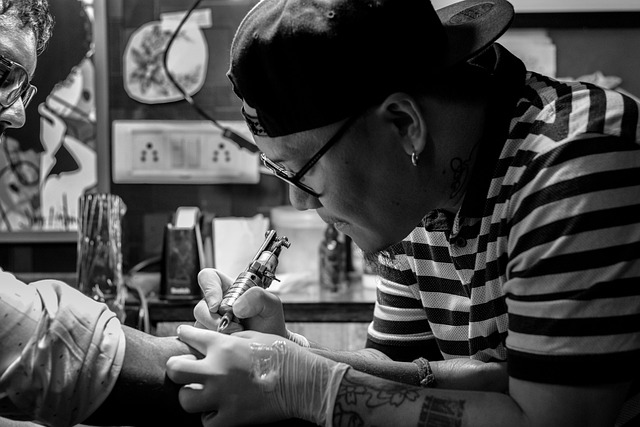
In New Orleans’ tight-knit creative scene, studios double as sanctuaries where clients discuss trauma or celebrate milestones while receiving ink. The atmosphere often resembles that of barbershops or beauty salons—spaces where cultural dialogue thrives alongside artistry.
How Tattoo Practices Redefine Notions of Legacy Beyond Bloodline Into Community Lineage
By mentoring apprentices and collaborating with local youth programs, established artists expand legacy beyond personal fame toward communal empowerment. Each apprentice continues the lineage not biologically but culturally—through shared technique and philosophy rooted in collective pride.
Gender, Power, and Representation in Tattoo Culture
Gender dynamics within tattooing mirror broader struggles for equity across creative industries—but change is underway led by pioneering Black women artists.
Black Women Redefining Artistic Authority in a Male-Dominated Space
Black women tattooists often face dual marginalization due to race and gender biases that question their technical skill or artistic authority. Yet many now operate successful studios that center feminine perspectives within body art discourse.
How Their Artistry Expands the Discourse Around Gendered Creativity in Body Art
Their approach frequently integrates softness with strength—combining delicate linework with bold Afrocentric symbolism—to challenge stereotypes about what “feminine” art should look like while asserting ownership over representation itself.
Building Intergenerational Networks That Empower Women Through Tattooing Traditions
Workshops led by female artists encourage mentorship among younger women seeking entry into tattooing careers. These networks foster solidarity reminiscent of quilting circles—a modern continuation of women preserving culture through craft.
Tattoos as Expressions of Feminine Power and Self-Definition
Female clients increasingly use tattoos to articulate identity beyond imposed narratives.
Symbolism Used to Honor Matrilineal Strength and Ancestral Femininity
Designs may feature portraits of mothers or goddesses like Oshun representing fertility and creativity—symbols affirming matrilineal power within patriarchal contexts.
Tattoos Functioning as Both Armor and Affirmation for Black Women’s Identities
For some women survivors of discrimination or violence, tattoos serve dual purposes: emotional armor against objectification and affirmation celebrating autonomy over their bodies’ imagery.
The Intersection of Aesthetics, Spirituality, and Activism in Feminine Tattoo Narratives
Many designs integrate protest slogans with spiritual motifs such as lotus flowers emerging from mud—a metaphor for rebirth amid oppression—reflecting activism fused with faith-driven resilience.
Community Building Through Ink and Storytelling
Tattoo culture thrives when rooted in community rather than commerce alone; this is especially true within New Orleans’ predominantly Black neighborhoods where storytelling remains central to identity formation.
Tattoo Studios as Cultural Hubs in New Orleans’ Black Neighborhoods
Studios often host open-mic nights or art shows featuring musicians from nearby jazz clubs. They become safe spaces where elders share folklore while younger patrons find belonging through shared symbolism etched into skin.
Tattooing Rituals Fostering Belonging Within Fragmented Urban Communities
Group tattoo sessions during festivals like Juneteenth foster unity among residents who view collective marking ceremonies as acts reaffirming solidarity amid gentrification pressures reshaping their neighborhoods.
Collaborative Projects Linking Tattoo Art With Music, Performance, and Heritage Festivals
Collaborations between tattooists and local performers extend ink artistry onto stage backdrops or parade floats during second-line events—turning body art into mobile exhibitions celebrating communal creativity.
Intergenerational Transmission of Identity Through Tattoo Practices
Tattoo traditions are increasingly recognized as educational tools transmitting values across generations rather than mere fashion statements.
Younger Generations Learning to Read Tattoos as Texts of Cultural Memory
Youth programs teach participants how symbols encode stories—from slave ship diagrams reinterpreted into liberation icons—to help them decode heritage visually inscribed on elders’ bodies.
Family-Inspired Designs Bridging Past Struggles With Future Aspirations
Siblings might share matching designs referencing ancestral migration routes paired with modern elements like skyline outlines representing future dreams—a synthesis linking struggle with aspiration.
Tattoos Reinforcing Continuity Between Personal Identity and Communal Legacy
By carrying familial emblems publicly displayed on skin during festivals or funerals alike individuals reinforce unity across temporal divides ensuring legacy remains visible daily not confined to archives alone.
The Aesthetic Language of Black Culture Tattoos in New Orleans
The distinctive visual grammar emerging from this scene reflects both reverence for ancestry and openness toward innovation—a balance defining much contemporary Southern artistry.
Symbolism Technique and Visual Codes Unique to the Region
Local designs blend Afrocentric geometry with Creole flourishes such as fleur-de-lis patterns intertwined with tribal lines creating hybrid compositions emblematic only to Louisiana’s multicultural landscape.
Technical Innovations Reflecting Hybrid Influences From African Diasporic Artistry
Artists experiment using hand-poke techniques alongside machine shading producing textures reminiscent of scarification yet refined through modern precision tools bridging ancient ritual aesthetics with present-day craftsmanship.
Color Palettes Linework And Composition Styles That Convey Cultural Specificity
Warm earth tones dominate complemented by rhythmic line repetition echoing jazz improvisation visually translating soundscapes into pattern work unique among global tattoo traditions.
The Dialogue Between Tradition And Innovation In Design Choices
Balancing homage with originality defines how contemporary practitioners sustain relevance without diluting authenticity.
Artists Balancing Reverence For Ancestral Symbols With Contemporary Reinterpretation
Some reinterpret Adinkra icons using minimalist abstraction others overlay traditional motifs atop futuristic grid layouts reflecting coexistence between heritage reverence modernization impulse.
Incorporation Of Jazz Second Line Culture And Spiritual Imagery Into Tattoo Designs
Second-line rhythms inspire spiral patterns suggesting motion while trumpet silhouettes intertwine with veve diagrams symbolizing harmony between music spirituality community celebration.
Tattoos Acting As Evolving Visual Languages That Articulate Shifting Identities Within Modern New Orleans Society
Each generation adds new layers meaning turning body art into evolving dialect chronicling citywide transformations shaped equally by migration technology activism creativity.
FAQ
Q1: What makes black culture tattoos distinct in New Orleans?
A: Their fusion of African diasporic symbolism with Creole iconography creates regionally specific aesthetics connecting personal identity to collective memory.
Q2: How do female artists influence this movement?
A: They expand representation introducing feminist perspectives challenging industry norms while building mentorship networks empowering other women creators.
Q3: Why are tattoos considered acts of reclamation?
A: Because they restore visibility to suppressed histories allowing individuals control over how ancestry resilience pride appear publicly on their bodies.
Q4: What role do studios play beyond artistry?
A: Studios serve educational social healing functions acting simultaneously as classrooms galleries sanctuaries preserving oral histories via inked storytelling rituals.
Q5: How does intergenerational transmission occur through tattoo practices?
A: By teaching younger people symbolic meanings behind designs families transform tattoos into living textbooks linking past experiences future aspirations seamlessly across time.