
Is Laser Tattoo Removal Aftercare More Complex Than Expected
I Thought Removing My Tattoo Would Be Easy
Laser tattoo removal aftercare is far more complex than most patients expect. While the procedure itself may seem straightforward, the biological and dermatological processes that follow are intricate and demand precision. The skin’s recovery depends on how well inflammation is managed, how effectively pigment particles are cleared, and how consistently aftercare routines are followed. Many underestimate the healing time, yet optimal results hinge on disciplined care guided by clinical expertise. The reality is that removing a tattoo safely involves as much science as it does patience.
Understanding the Complexity of Laser Tattoo Removal Aftercare?
The process of laser tattoo removal sets off a cascade of cellular responses that extend well beyond the treatment room. Each pulse of laser energy interacts differently with pigment molecules and skin structures, meaning aftercare cannot follow a one-size-fits-all model.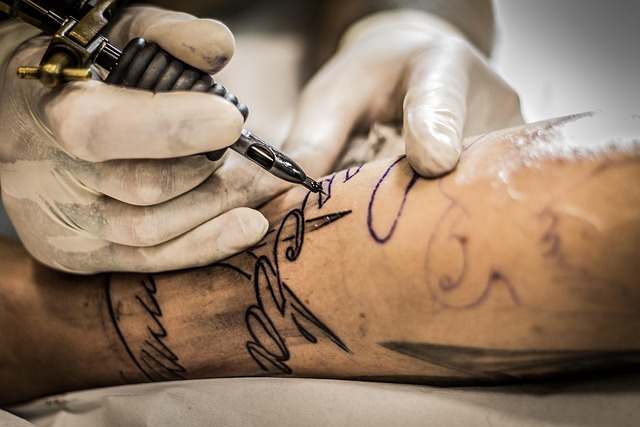
The Biological Response to Laser Treatment
Laser energy breaks down tattoo ink into microscopic fragments. These fragments are then processed by macrophages—immune cells responsible for clearing foreign materials. Over several weeks, the lymphatic system carries these particles away from the treated area. This immune-driven clearance is gradual, explaining why multiple sessions are needed for complete fading. Inflammatory reactions such as redness or mild edema are part of this natural repair cycle and influence how long recovery takes.
Factors Influencing Aftercare Complexity
Not all skin types react equally to laser exposure. Fitzpatrick skin types IV to VI often face higher risks of pigmentary changes due to melanin sensitivity. Ink color also matters: black pigments absorb laser light efficiently, while green or blue inks require different wavelengths for effective fragmentation. Patients with eczema or psoriasis may experience prolonged irritation post-treatment, as pre-existing conditions heighten dermal reactivity. Additionally, frequent high-energy sessions can overstress tissue, extending downtime between treatments.
Managing Post-Laser Skin Reactions
After each session, the skin enters a delicate phase of inflammation and regeneration. Proper management during this period determines whether healing proceeds smoothly or complications arise.
Common Immediate Reactions After Treatment
Redness and swelling appear within minutes after exposure and typically subside within 24 to 48 hours. Blistering can occur when epidermal moisture vaporizes under intense heat; while alarming in appearance, it often resolves without scarring if left intact. Temporary darkening or lightening of the skin happens when melanin production is disrupted by laser energy. Applying cool compresses helps constrict blood vessels and limit inflammation, while sterile ointments form a protective barrier against infection.
Long-Term Skin Management Strategies
Once acute symptoms fade, maintaining hydration becomes critical. Moisturizers rich in ceramides or hyaluronic acid reinforce the lipid barrier and prevent transepidermal water loss. Consistent use of broad-spectrum sunscreen (SPF 50 or higher) prevents post-inflammatory hyperpigmentation—a common complication among darker skin tones. Avoiding exfoliants or alcohol-based products during recovery supports collagen remodeling and reduces scar risk over time.
The Role of Professional Guidance in Aftercare Protocols
Laser tattoo removal aftercare should not rely solely on patient intuition or generic online advice. Dermatological supervision ensures that healing trajectories remain within safe parameters.
Importance of Clinician Supervision During Recovery
Qualified dermatologists track wound closure rates and adjust topical regimens based on observed progress. They identify early signs of infection or allergic reaction before they escalate into long-term damage. Tailored care plans—ranging from antibiotic ointments to silicone-based dressings—improve both comfort and visual outcomes.
Integration of Advanced Wound Care Techniques
Modern clinics now employ hydrocolloid dressings that maintain optimal moisture levels for epithelial regeneration. Topical antioxidants such as vitamin C serums neutralize free radicals generated during photothermal stress, reducing oxidative injury to surrounding tissue. In some cases, controlled phototherapy using low-level light devices helps balance pigmentation irregularities left by uneven melanin recovery.
Comparing Expectations with Clinical Realities
Public perception often romanticizes tattoo removal as quick and painless, but clinical data tell another story.
Misconceptions About the Ease of Tattoo Removal Recovery
Many patients assume one or two sessions will suffice; however, complete clearance can require ten or more treatments spaced several weeks apart. Each session compounds tissue stress and demands careful monitoring for cumulative effects like textural changes or residual ghosting of ink outlines. Discomfort varies widely—some describe it as tolerable heat snaps, others equate it to repeated rubber band strikes on sensitive skin.
Aligning Patient Expectations with Evidence-Based Outcomes
Transparent consultation before treatment helps align goals with biological limits. Explaining potential side effects such as temporary hypopigmentation fosters trust and compliance with aftercare routines. Educated patients who follow instructions precisely tend to report fewer complications and greater satisfaction across successive treatments.
Innovations Shaping Modern Aftercare Practices
Advancements in medical technology continue to refine how clinicians manage post-laser healing environments.
Emerging Technologies in Post-Laser Recovery Support
Cryotherapy-assisted cooling systems deliver targeted cold air streams that reduce inflammation more efficiently than traditional ice packs by controlling temperature gradients across treated zones. Bioactive peptide gels stimulate fibroblast activity, accelerating dermal matrix renewal without occluding pores. Meanwhile, AI-powered imaging tools analyze microvascular changes in real time to personalize skincare recommendations between appointments.
Future Directions in Aftercare Optimization
Research into genetic profiling aims to predict individual inflammatory responses to laser exposure, paving the way for personalized formulations tailored to one’s DNA markers for collagen synthesis and pigment metabolism. Teledermatology platforms now allow remote monitoring via high-resolution photos uploaded securely for clinician review—a convenience especially valuable for patients undergoing extended multi-session protocols across months or years. Studies on immune modulation therapies suggest potential breakthroughs that could shorten overall recovery cycles by enhancing macrophage efficiency in pigment clearance.
FAQ
Q1: How long does full recovery take after each laser tattoo removal session?
A: Most patients experience surface healing within one week, but deeper dermal repair continues for up to six weeks depending on skin type and treatment intensity.
Q2: Can I exercise immediately after treatment?
A: It’s best to avoid strenuous activity for at least 48 hours since sweat can irritate open pores and delay epithelial closure.
Q3: What should I do if blisters form?
A: Leave them intact; apply sterile gauze if necessary and consult your clinician before using any topical creams beyond prescribed ones.
Q4: Why does my tattoo look darker right after treatment?
A: The fragmented ink particles scatter light differently beneath swollen tissue layers, creating a temporary darkened appearance that fades as swelling subsides.
Q5: Are there ways to speed up pigment clearance naturally?
A: Staying hydrated, maintaining healthy circulation through moderate movement once healed, and following professional aftercare guidance all support faster lymphatic drainage of pigment debris.