
What Makes The Best Tattoo Healing Cream Essential For Long-Lasting Ink
Proper Aftercare Can Help Your New Tattoo Last Longer — Here’s What Experts Recommend
Tattoo aftercare is not just a matter of aesthetics; it’s a biological process that determines how long the pigment stays vivid and how well the skin recovers. Professionals agree that the best tattoo healing cream supports moisture balance, reduces inflammation, and protects against infection. Without proper care, even the most skilled tattoo work can fade or scar prematurely. The key lies in understanding how skin heals, what ingredients promote recovery, and how consistent application habits preserve both color and texture over time.
The Importance of Tattoo Aftercare
A tattoo is more than body art—it’s a controlled wound that demands precise care to heal properly. Every step in the aftercare process influences pigment retention, scarring potential, and overall skin health.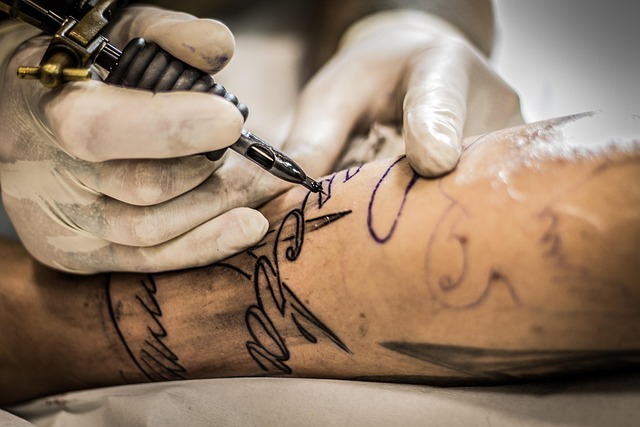
The Science Behind Tattoo Healing
Tattooing punctures the skin thousands of times per minute, creating micro-injuries that trigger an immune response. White blood cells move to the area to repair tissue while macrophages engulf excess pigment particles. Some pigment remains trapped in dermal cells, forming the visible design. If aftercare is neglected, scabbing or infection can disrupt this process and lift ink from the skin surface.
The body’s natural healing timeline typically spans two to four weeks for surface recovery, though deeper layers may take longer to stabilize. During this period, maintaining cleanliness and hydration helps prevent bacterial growth and promotes uniform pigment settlement.
How Aftercare Affects Ink Longevity
The longevity of tattoo ink depends heavily on moisture regulation. When skin dries out, cracks can form, leading to uneven color patches or flaking. Conversely, consistent hydration encourages new cell formation and stabilizes pigment distribution within the dermis.
Inflammation management also plays a role in preserving vibrancy. Excess swelling or irritation can distort color perception as blood vessels dilate beneath the surface. Using a suitable healing cream minimizes these effects by calming reactive skin cells and maintaining structural integrity around inked areas.
Key Components That Define an Effective Tattoo Healing Cream
Selecting the best tattoo healing cream involves more than picking something labeled “for tattoos.” Ingredient composition determines whether a product supports or hinders recovery.
Essential Ingredients for Skin Recovery
Natural emollients such as shea butter and jojoba oil reinforce the lipid barrier that protects against moisture loss. These components mimic sebum’s natural function, allowing oxygen flow without clogging pores. Antioxidants like vitamin E neutralize free radicals generated during inflammation, reducing oxidative stress that could dull pigments over time.
Anti-inflammatory agents including panthenol and aloe vera soothe redness while promoting epithelial regeneration. Their gentle properties make them ideal for sensitive post-tattoo skin prone to irritation from external contaminants.
Ingredients to Avoid in Tattoo Aftercare Products
Not all moisturizing agents are beneficial for fresh tattoos. Petroleum-heavy bases create an occlusive layer that traps heat and bacteria while limiting oxygen exchange—conditions unfavorable for wound healing. Artificial fragrances often contain alcohol derivatives or allergens that can provoke contact dermatitis on compromised skin barriers.
Similarly, alcohol-based compounds dry out tissue rapidly, risking pigment lifting before full integration occurs. Professionals generally recommend fragrance-free formulations with minimal chemical additives during early recovery stages.
The Role of Moisturization in Tattoo Preservation
Proper hydration doesn’t end once scabs fall off; it remains central to maintaining long-term clarity and brightness of healed tattoos.
Maintaining Optimal Hydration Levels
Balanced moisturization prevents cracking or peeling that might distort fine lines or shading gradients. Lightweight creams with non-comedogenic profiles allow pores to breathe while retaining essential water molecules within epidermal layers.
Frequent yet moderate application ensures continuous nutrient supply without oversaturating tissue—a delicate equilibrium crucial for both comfort and durability of results.
The Impact of Over-Moisturizing on Tattoo Healing
Excessive use of ointments can suffocate newly inked skin by forming thick residues that block airflow. This environment fosters bacterial proliferation and delays scab detachment naturally required for sealing pigment beneath regenerated tissue.
Understanding absorption rates helps refine application timing: thin layers reap better outcomes than heavy coatings applied infrequently. Environmental factors like humidity or temperature should also guide adjustments in routine frequency.
Expert Recommendations for Application Techniques
Even high-quality products lose efficacy if applied incorrectly. Professional artists emphasize timing precision and gentle handling throughout recovery phases.
Timing and Frequency of Use
Initial application typically follows professional cleaning at the studio once bleeding subsides. A thin layer should be spread evenly using clean hands two to three times daily for at least one week or until peeling ceases naturally.
Skin type influences absorption—dry complexions may require slightly more frequent use than oily ones—while climate conditions dictate product thickness preferences between ointments and light lotions.
Integrating Healing Cream with Broader Aftercare Practices
Topical treatment works best when paired with comprehensive hygiene routines: mild soap cleansing twice daily prevents microbial buildup without stripping natural oils. Direct sunlight exposure should be avoided during early stages since UV rays accelerate fading through photochemical reactions within pigments.
Loose clothing minimizes friction over freshly inked zones, allowing uninterrupted air circulation essential for balanced healing dynamics.
Evaluating Product Performance from a Professional Perspective
Professionals assess tattoo aftercare products through both clinical data and real-world performance metrics gathered from client outcomes over time.
Assessing Clinical Efficacy and Safety Standards
Dermatologically tested creams validated under standardized laboratory conditions demonstrate compatibility with sensitive post-tattoo tissue. pH-balanced formulas mirror natural skin acidity levels around 5.5 pH—critical for microbial defense while supporting enzymatic repair pathways active during regeneration cycles recognized by dermatological associations such as ISO 9001-certified laboratories focusing on cosmetic safety testing.
Comparing Market Options Based on Professional Insights
Industry specialists examine ingredient transparency alongside manufacturing consistency before recommending any brand as the best tattoo healing cream available commercially. Feedback loops between artists and clients highlight subtle differences: some formulations perform better on darker pigments due to melanin interaction; others excel on delicate shading thanks to faster absorption textures suited for fine-line work across diverse skin tones.
Long-Term Skin Maintenance Beyond Initial Healing
Tattoo preservation extends beyond early recovery into lifelong skincare habits designed to maintain elasticity and color saturation against environmental wear factors like UV exposure or dehydration.
Sustaining Vibrancy Through Ongoing Care Routines
Continued moisturization keeps epidermal turnover steady while preventing dryness-induced dullness common among older tattoos exposed frequently to sunlight or chlorinated water environments such as swimming pools. SPF-infused lotions act as dual protectors—hydrating agents plus UV shields—reducing photodegradation rates observed under prolonged outdoor conditions documented by dermatological research institutions worldwide.
Periodic Skin Conditioning for Healed Tattoos
Gentle exfoliation every few weeks removes dead cells accumulating atop healed areas without compromising ink depth embedded within dermal strata layers approximately 1–2 mm below surface level. Nutrient-rich creams containing ceramides restore suppleness lost through aging processes while enhancing visual contrast between pigment hues year-round maintenance favored among professionals who value longevity equal to artistry itself.
FAQ
Q1: How soon should a healing cream be applied after getting a tattoo?
A: Once the artist completes cleaning and bandaging procedures, apply a thin layer after removing the wrap—usually within two hours—to prevent dryness from forming crusts prematurely.
Q2: Can petroleum jelly substitute for specialized tattoo creams?
A: It’s not ideal since petroleum restricts oxygen flow needed for proper healing; specialized formulations allow breathable protection instead.
Q3: How long should moisturization continue after initial peeling ends?
A: At least four weeks post-procedure; continued daily use maintains elasticity even after full closure has occurred.
Q4: Is sunblock necessary on healed tattoos?
A: Yes, SPF 30 or higher reduces UV-induced fading significantly over years of exposure according to dermatological consensus standards such as those cited by international skincare associations like ISO-certified testing bodies.
Q5: What distinguishes professional-grade healing creams from standard moisturizers?
A: Professional options feature clinically tested ingredients tailored for wounded epidermis—balancing hydration with antimicrobial support absent in everyday lotions designed merely for cosmetic softness rather than wound repair efficiency.