

Could Hand Tattoos For Men Truly Indicate Gang Affiliation In Legal Contexts
Experts Cast Doubt on Trump’s Claim That Abrego Garcia’s Finger Tattoos Prove MS-13 Membership
The claim that Abrego Garcia’s finger tattoos confirm his MS-13 affiliation has drawn skepticism from criminologists and tattoo culture experts. Modern tattooing has evolved far beyond its historical use in gang identification, making visual assumptions unreliable. Courts and law enforcement now recognize that tattoos alone cannot serve as definitive evidence of criminal ties without contextual proof. Experts emphasize that body art, including hand tattoos for men, increasingly reflects personal identity and aesthetics rather than organized crime symbolism. The discussion surrounding this case underscores the need for nuanced interpretation grounded in legal standards and cultural literacy.
The Historical Association Between Tattoos and Gang Identification
Tattoos have long carried layered meanings across societies. In criminal contexts, they once served as coded identifiers within specific groups, but their role has changed dramatically with time.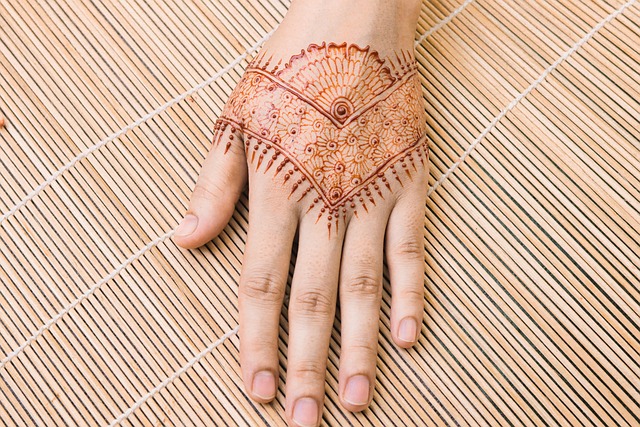
The Origins of Tattoo Symbolism in Criminal Contexts
In early 20th-century prison systems, tattoos operated as covert communication tools among inmates. Certain numbers or designs indicated rank or allegiance within gangs. For instance, three dots arranged in a triangle often symbolized “mi vida loca” (my crazy life), a phrase common among Hispanic gangs but not exclusive to them. Law enforcement agencies developed databases cataloging such imagery to track affiliations more efficiently. Yet even these systems faced challenges due to overlapping symbols used by non-criminal individuals.
Shifts in Tattoo Culture and Public Perception
Over recent decades, tattooing has entered mainstream culture across professions—from athletes to corporate executives. Hand tattoos for men are now considered fashion-forward rather than rebellious. This normalization complicates any attempt to equate visible ink with deviance. The cultural shift undermines outdated assumptions that visible tattoos indicate criminality, especially as global tattoo artistry borrows motifs once confined to subcultures.
Legal Interpretation of Tattoos as Evidence of Gang Affiliation
The legal system treats tattoos cautiously when used as evidence of gang involvement. Courts demand a demonstrable connection between the tattoo’s meaning and the alleged criminal conduct.
Evidentiary Standards in Criminal Proceedings
Judges typically require expert testimony to establish that a specific tattoo carries gang-related significance relevant to the case at hand. Without corroborating behavior or statements, relying solely on imagery risks violating evidentiary fairness principles. Visual markers can mislead juries if presented without sociocultural context or updated reference data.
Constitutional Implications of Using Tattoos as Proof
Body art falls under expressive conduct protected by the First Amendment. Using tattoos as incriminating evidence raises free speech and due process concerns because it penalizes expression rather than action. U.S. appellate courts have repeatedly emphasized context over appearance when assessing intent or affiliation, warning against conflating aesthetic choices with criminal identity.
The Role of Expert Testimony in Tattoo Interpretation
Expert witnesses play a central role in determining whether a tattoo signifies gang membership or personal expression. Their assessments must balance law enforcement intelligence with evolving cultural dynamics.
Qualifications and Methodologies of Gang Experts
Qualified experts analyze tattoos alongside behavioral patterns, language use, social networks, and self-identification indicators. Their credibility depends on up-to-date familiarity with shifting gang symbology and regional variations. Misinterpretation often occurs when experts rely on outdated law enforcement manuals that fail to reflect current trends or globalization effects.
Challenges in Linking Modern Tattoo Trends to Gang Membership
Common motifs—skulls, initials, numerals—appear widely across artistic genres unrelated to crime. For example, Roman numerals may commemorate birth dates rather than represent gang codes. Globalization has blurred distinctions once tied to local groups; designs circulate freely through social media and pop culture. Therefore, contextual analysis is essential to differentiate between personal art and organizational allegiance.
Sociocultural Analysis of Hand Tattoos for Men in Contemporary Society
The visibility of hand tattoos makes them socially significant markers of identity today. They communicate confidence or creativity more often than defiance.
The Aesthetic and Personal Dimensions of Hand Tattoos
Modern tattoo artistry prioritizes design precision and individuality over symbolic secrecy. Placement on hands highlights self-assurance since it cannot easily be concealed in formal settings. Many professionals now wear visible ink without stigma—an indication that workplace norms are catching up with broader cultural acceptance.
Media Influence on Public Perception of Tattooed Individuals
Celebrities such as musicians, athletes, and actors have normalized hand tattoos for men through public exposure. Yet some media narratives still perpetuate stereotypes linking visible ink to deviance or aggression. Sociological research consistently finds little empirical correlation between tattoo presence and criminal activity, suggesting perception lags behind reality.
Implications for Law Enforcement and Policy Development
The debate surrounding Abrego Garcia’s case exposes broader ethical issues in how authorities interpret physical appearance during investigations.
Ethical Considerations in Profiling Based on Physical Appearance
Profiling individuals based on visible tattoos risks reinforcing systemic bias and discrimination. Ethical policing requires holistic evaluation—considering behavior patterns, affiliations, and corroborative evidence instead of visual heuristics alone. Training programs increasingly stress objectivity over symbolic assumption when assessing suspects’ backgrounds.
Recommendations for Legal Practitioners and Policymakers
Legal practitioners should collaborate with sociologists, anthropologists, and forensic artists to refine interpretive frameworks around body art evidence. Updated guidelines can help prevent prejudicial rulings rooted in outdated cultural knowledge. Courts benefit from judicial education programs emphasizing how tattoo meanings evolve alongside society itself.
FAQ
Q1: Why do experts doubt Trump’s claim about Abrego Garcia’s finger tattoos?
A: Experts argue that finger tattoos alone cannot prove MS-13 membership because similar designs are common among non-gang individuals today.
Q2: Are hand tattoos for men still associated with crime?
A: No, they have become mainstream expressions of style or identity rather than indicators of criminal affiliation.
Q3: Can a court convict someone based solely on their tattoos?
A: Courts require additional evidence linking the tattoo’s meaning directly to criminal activity; visual proof alone is insufficient.
Q4: How do law enforcement agencies interpret gang-related tattoos?
A: Agencies maintain databases of known symbols but must verify context through interviews, surveillance, or corroborative intelligence before drawing conclusions.
Q5: What steps can policymakers take to avoid bias related to tattoo profiling?
A: They can promote training emphasizing evidence-based evaluation over appearance-based assumptions and update investigative protocols reflecting modern tattoo culture trends.