
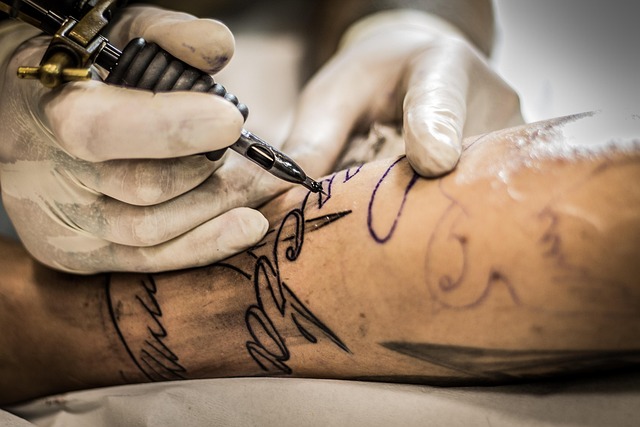
Is Tattoo After Care the Key to Long-Term Ink Longevity and Safety
Debunking Tattoo Myths: Expert Insights on Safety, Care, and Longevity Explained
Tattoo after care is not just a cosmetic ritual; it’s a biological necessity that determines how long ink remains vibrant. Proper care aligns with dermatological science, supporting pigment stability and preventing complications. Expert consensus now recognizes that meticulous hygiene, controlled hydration, and consistent photoprotection are decisive factors in tattoo preservation. Neglecting these steps accelerates fading and increases infection risks. This article explores the scientific mechanisms behind healing, pigment retention, and evolving professional standards shaping modern tattoo care.
Understanding the Connection Between Tattoo Aftercare and Ink Longevity?
The longevity of tattoo ink depends on how the skin heals after being punctured thousands of times by needles. Each micro-injury triggers a cascade of biological responses that either stabilize or expel pigment from the dermis.
The Biological Process of Skin Healing After Tattooing
Tattooing creates controlled micro-injuries that activate the body’s wound-healing sequence. The inflammatory phase begins immediately as immune cells rush to remove debris and pathogens. During proliferation, fibroblasts rebuild tissue while macrophages engulf pigment particles, embedding them within dermal layers. Finally, remodeling consolidates collagen fibers around the ink, securing its placement. Balanced healing minimizes pigment migration and prevents uneven coloration.
How Aftercare Influences Pigment Stability Over Time
Aftercare directly impacts how well pigments remain encapsulated in dermal macrophages. Hydration maintains elasticity and supports cellular turnover without excessive scabbing. Barrier protection prevents infection that could disrupt pigment fixation. Conversely, over-cleansing or applying thick occlusive ointments can suffocate tissue repair, leading to patchy fading. Environmental exposure—especially UV light—further breaks down pigment molecules through photo-oxidation.
Core Components of Effective Tattoo Aftercare Protocols
Professional tattoo after care protocols integrate dermatological principles with practical hygiene measures. These guidelines have evolved from anecdotal advice into evidence-based practices emphasizing moisture balance and microbial control.
Cleansing and Moisturization Strategies
Gentle cleansing with pH-balanced soap removes plasma buildup without stripping natural oils essential for barrier recovery. Non-comedogenic moisturizers keep skin supple and reduce transepidermal water loss, preventing hard scabs that lift pigment during shedding. However, excessive use of petroleum-heavy products can trap moisture beneath the surface, delaying epithelial regeneration and potentially causing folliculitis.
The Role of Dressings and Barrier Films in Early Recovery
Modern tattoo artists increasingly recommend semi-permeable films during the first 24–48 hours post-session. These dressings allow oxygen diffusion while shielding wounds from bacteria and friction. For large or high-movement tattoos—such as sleeves or back pieces—film dressings minimize trauma from clothing contact. Traditional gauze bandaging remains suitable for smaller designs but requires frequent changes to avoid bacterial growth. Experts emphasize tailoring dressing choice to skin type and tattoo density rather than applying a universal rule.
Photoprotection as a Long-Term Maintenance Measure
UV exposure remains the leading cause of premature fading in healed tattoos. Ultraviolet radiation penetrates the dermis, fragmenting ink molecules over time. Applying broad-spectrum sunscreen with SPF 30 or higher significantly slows this degradation process while reducing inflammation risk during outdoor activities. Consistent photoprotection not only preserves color integrity but also supports long-term skin health by minimizing photoaging.
Common Misconceptions About Tattoo Aftercare Practices
Despite widespread access to information, myths about tattoo healing persist within both client communities and some professional circles. Clarifying these misconceptions helps prevent avoidable complications that compromise aesthetic outcomes.
The Myth of “Letting It Breathe” Without Moisturization
Many believe that leaving a fresh tattoo uncovered promotes faster drying and better healing. In reality, unprotected exposure accelerates transepidermal water loss, encouraging thick scab formation that pulls out pigment when detached prematurely. Controlled hydration using light emollients fosters epithelial regeneration while maintaining an optimal environment for pigment fixation within dermal macrophages.
Misunderstanding Antibacterial Ointments in Healing Phases
Antibiotic ointments are often misused during early recovery stages under the assumption they prevent infection more effectively than mild cleansers or fragrance-free creams. Overuse can trigger allergic dermatitis or impede oxygen flow necessary for tissue repair. Modern dermatology favors pH-balanced emollients free from fragrances or alcohols to maintain microbial equilibrium without disrupting natural flora essential for wound closure.
Scientific Insights Into Long-Term Ink Retention Mechanisms
Tattoo permanence relies on complex interactions between immune cells, pigment chemistry, and lifestyle factors influencing skin physiology over decades.
Cellular Interactions Between Macrophages and Pigment Particles
Within days after application, macrophages engulf foreign pigment granules but remain stationary in the dermis rather than migrating toward lymph nodes as they would with other debris types. This stationary behavior preserves visible ink patterns beneath the epidermis even as superficial cells renew continuously. Over years, however, some macrophages die or release particles absorbed by new ones—a slow process contributing to gradual fading rather than total disappearance.
The Impact of Lifestyle Factors on Tattoo Longevity
External habits profoundly affect ink durability. Chronic smoking reduces peripheral circulation and collagen synthesis, accelerating dullness through oxidative stress. Poor nutrition limits amino acid availability required for collagen maintenance around pigment deposits. Prolonged sun exposure further oxidizes pigments while dehydrated skin loses elasticity, distorting line precision over time.
Advancements in Professional Tattoo Care Standards
The industry’s approach to tattoo after care has matured alongside dermatological research, integrating clinical insights into everyday practice to enhance safety outcomes for clients worldwide.
Evolving Guidelines from Dermatological Research and Industry Experts
Contemporary standards prioritize evidence-based recommendations supported by peer-reviewed dermatology studies rather than studio folklore. Collaborative efforts between medical professionals and tattoo practitioners have led to standardized hygiene protocols addressing everything from sterilization techniques to post-procedure skincare formulations tailored for sensitive skin types.
Innovations in Aftercare Products and Technologies
Emerging technologies now redefine recovery expectations beyond traditional ointments or lotions. Hydrocolloid dressings accelerate re-epithelialization by maintaining moist wound environments proven effective in clinical trials for minor abrasions. Bioactive creams enriched with peptides promote collagen synthesis around pigmented areas for smoother texture retention. Experimental LED-assisted therapies show potential in modulating inflammation without pharmacological intervention, while microbiome-friendly formulations may soon balance beneficial bacteria critical to optimal healing dynamics.
FAQ
Q1: How long should a new tattoo stay covered after application?
A: Typically between 2–24 hours depending on size and location; professional assessment determines exact timing based on moisture accumulation risk.
Q2: Can swimming affect fresh tattoos?
A: Yes, submerging a new tattoo exposes it to bacteria and chlorine which can irritate tissue or leach pigment before full epidermal closure occurs.
Q3: Why does my healed tattoo look slightly duller months later?
A: Minor fading results from natural cellular turnover; consistent sunscreen use helps maintain vibrancy over time.
Q4: Are fragrance-free moisturizers always necessary?
A: Yes; fragrances often contain alcohols or allergens that disrupt barrier recovery during critical healing phases.
Q5: Does diet influence how tattoos age?
A: Nutrient-rich diets support collagen production and hydration balance which indirectly preserve line definition and color clarity across years.