What Is the Best Placement for Tattoo That Enhances Masculine Appeal
The Best Place for a Man To Get a Tattoo, According to a Dating Coach
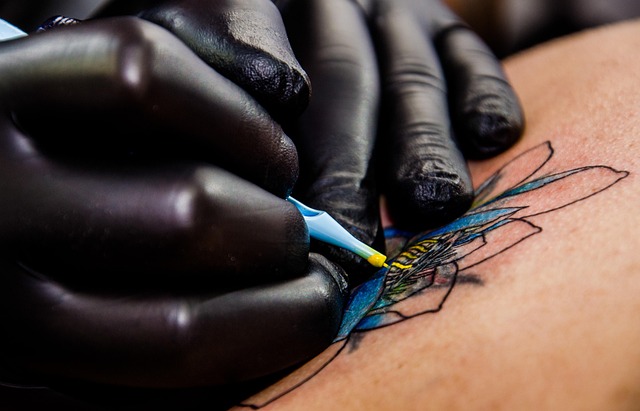
Tattoo placement is more than an artistic decision; it’s a statement about identity and attraction. From a dating coach’s perspective, the best placement for tattoo designs on men depends on how visibility, proportion, and symbolism interact with confidence and social perception. Areas like the forearm, chest, and upper arm consistently rank highest in appeal because they project strength while maintaining approachability. These placements highlight masculine features without overpowering them, creating balance between physical expression and personal meaning. For men considering their first or next tattoo, strategic placement can subtly enhance both aesthetic harmony and perceived confidence.
Understanding Tattoo Placement and Masculine Appeal?
Tattoo placement shapes how masculinity is read by others. It’s not only about where the ink sits but how it complements posture, muscle structure, and personal style. In social psychology, visible tattoos often signal confidence and individuality—traits that align with traditional masculine ideals.
The Psychological Impact of Tattoo Placement
Placement determines how tattoos influence perception. A design across the chest or shoulders can amplify strength and dominance because these areas naturally draw attention during movement. Symmetry also matters: balanced tattoos on both sides of the body communicate stability and self-control. When placed along natural muscle lines, tattoos reinforce anatomical definition, giving the impression of discipline and fitness.
The Role of Cultural and Social Contexts in Tattoo Perception
Cultural interpretations of tattoos vary widely. In some societies, body art represents warrior heritage or social status; in others, it reflects rebellion or creativity. Modern dating psychology links visible tattoos with authenticity—a man comfortable in his own skin tends to be perceived as more attractive. However, professional settings still shape acceptability: industries with conservative dress codes might favor less visible placements such as ribs or back.
Upper Body Placements That Accentuate Masculine Features
The upper body remains prime real estate for masculine tattoo expression because it aligns closely with physical power and emotional symbolism. Each area—from chest to shoulders—communicates different aspects of strength and personality.
Chest Tattoos and Symbolism of Strength
The chest has long symbolized courage and protection. Tattoos here emphasize muscular definition while carrying deep emotional weight when positioned near the heart. Many men choose symbols tied to loyalty or resilience in this area because they sit close to vital organs—literally over one’s core values. The broad surface allows for symmetrical compositions that enhance proportion across the torso.
Shoulder and Upper Arm Tattoos as Displays of Power
The shoulder’s rounded structure naturally highlights athleticism. Designs wrapping around the deltoid accentuate curvature and mass, making even modest builds appear broader. Upper arm tattoos strike a balance between visibility and restraint—they can be shown casually yet hidden in formal contexts. This flexibility makes them one of the best placement for tattoo visibility during dating interactions without seeming excessive.
Back Tattoos as Expressions of Authority and Mystery
Large back pieces project endurance because they require time, pain tolerance, and planning. The expanse allows intricate compositions that represent legacy or transformation—common masculine narratives. Partial exposure under clothing adds intrigue; someone glimpsing part of a design may infer depth or mystery about its wearer.
Lower Body Placements for Subtle Masculine Expression
Lower body placements communicate refinement rather than dominance. They allow personal storytelling without overt display, appealing to men who value discretion over showmanship.
Forearm Tattoos and Their Communicative Value
Forearm tattoos are highly communicative yet approachable. They reveal confidence but not aggression since they’re visible during gestures like handshakes or conversation. Placement along veins or muscle lines enhances tone visually even when relaxed. Many dating experts note that forearm tattoos often become conversation starters due to their accessibility.
Ribcage Tattoos for Personal Significance
Ribcage tattoos carry intimacy both in meaning and experience—the process itself is painful, demanding endurance often associated with mental toughness. Because this area stays covered most of the time, it suits messages meant for self-reflection rather than public display. Men drawn to symbolic imagery often choose this spot to balance privacy with emotional gravity.
Leg Tattoos as Modern Statements of Style
Leg tattoos have gained traction among athletes who use them to highlight symmetry or commemorate milestones like competitions or achievements. Calf designs can accentuate definition when walking or training, while thigh placements remain easily concealed under clothing—a practical choice for professionals who still want expressive art off-duty.
Factors Influencing Optimal Tattoo Placement for Masculine Appeal
Choosing where to place a tattoo involves more than aesthetics; lifestyle constraints, physique proportions, and evolving cultural standards all play roles in defining what feels authentically masculine today.
Body Proportion and Aesthetic Balance
A tattoo should harmonize with body shape rather than dominate it. Larger frames accommodate expansive designs across chest or back; leaner physiques benefit from elongated patterns along arms or ribs that follow natural contours. Maintaining symmetry between left and right sides reinforces visual stability—a subtle cue linked to attractiveness in human perception studies.
Lifestyle, Profession, and Social Perception Considerations
Occupation influences how visible ink is perceived. Corporate roles may necessitate covered areas like torso or thighs, whereas creative fields encourage open expression through arms or necklines. Socially too, context matters: at casual events bold visibility reads confident; in formal environments subtlety signals awareness of norms—a trait many find appealing in dating dynamics.
Evolution of Masculine Tattoo Trends Over Time
Tattoo trends mirror shifts in masculine ideals—from tribal motifs representing dominance to minimalist linework emphasizing control and precision. Media portrayal continues shaping desirability: cinematic heroes often feature forearm or shoulder ink that complements physique rather than overwhelms it. Contemporary aesthetics now favor balance—tattoos that integrate seamlessly into lifestyle instead of serving as rebellion markers.
FAQ
Q1: What is considered the best placement for tattoo designs on men?
A: Areas like forearms, upper arms, and chest rank highest because they emphasize strength while remaining socially versatile across settings.
Q2: Do women generally find certain tattoo placements more attractive?
A: Surveys suggest women associate forearm tattoos with confidence and approachability more than other placements that appear overly dominant.
Q3: How does body type affect ideal tattoo placement?
A: Broader builds suit large symmetrical designs on chest or back; leaner frames look better with elongated patterns along arms or ribs following muscle flow.
Q4: Are visible tattoos still viewed negatively in professional environments?
A: Acceptance varies by industry—creative sectors are open-minded while corporate fields still prefer concealed placements under clothing.
Q5: How have masculine tattoo trends changed recently?
A: Modern trends favor clean lines and proportional placement over oversized motifs; subtle visibility now defines contemporary masculine appeal rather than sheer size alone.