What Are the Most Meaningful Flower Tattoo Ideas Inspired by June Birth Flowers
The Month of June Has 2 Birth Flowers To Choose From—Here’s What They Symbolize
June celebrates two birth flowers, each carrying a different emotional and cultural tone. The rose stands for love, beauty, and passion, while the honeysuckle reflects loyalty and affectionate bonds. Together, they form a dual symbol of deep emotion and enduring connection. For those exploring flower tattoo ideas, these blooms offer layered meanings that can be expressed through various artistic styles—from minimalist line work to detailed realism. Their shared symbolism of devotion makes them timeless motifs for personal expression in tattoo art.
Exploring June Birth Flowers and Their Symbolic Depth
June’s floral identity is unique because it includes both the rose and the honeysuckle. Each flower brings its own mythology, aesthetic qualities, and emotional associations that have evolved through centuries of artistic representation.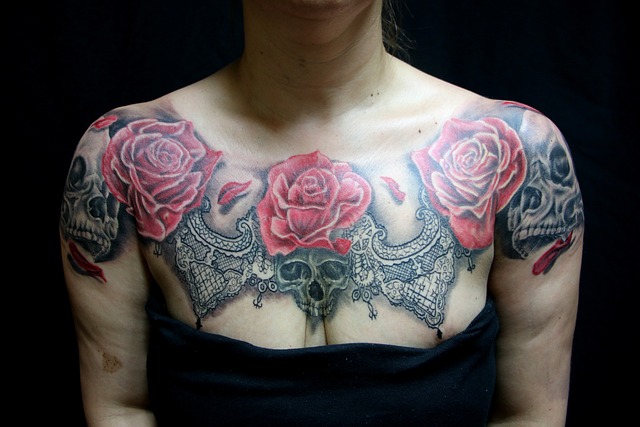
The Dual Nature of June’s Birth Flowers
June’s two birth flowers—the rose and the honeysuckle—reflect a balance between passion and tenderness. The rose has long been linked to love and beauty across cultures, while honeysuckle conveys affection and steadfastness. When combined in design or symbolism, they form a dialogue between intense emotion and gentle devotion, offering rich inspiration for flower tattoo ideas.
The Historical and Cultural Significance of June’s Flowers
Roses appear throughout history: from ancient Greek myths connecting them with Aphrodite to their use in royal emblems during medieval Europe. Honeysuckle holds a quieter but equally powerful presence, often symbolizing bonds that endure over time. In Victorian floriography, gifting honeysuckle represented devoted affection that transcended distance or hardship. Both flowers carry emotional weight that translates naturally into body art.
Rose-Inspired Tattoo Concepts for June Births
The rose remains one of the most requested floral tattoos globally because of its versatility in meaning and form. Its layered petals mirror human complexity—beauty intertwined with vulnerability.
Symbolism Behind Rose Tattoos
A rose tattoo typically expresses love or remembrance but can also signify resilience or transformation. Color choice refines this message: red roses embody passion; white suggests purity; yellow evokes friendship or joy; black roses often symbolize rebirth or farewell. Artists frequently reinterpret these classic meanings through contemporary compositions or mixed-media techniques.
Design Variations for Rose Tattoos
Realistic Rose Designs
Realism highlights the tactile texture of petals through intricate shading. Many artists place these designs on curved areas such as shoulders or forearms to enhance natural flow and depth. This approach suits those seeking lifelike representation with emotional resonance.
Minimalist or Line Art Roses
Minimalist roses strip away excess detail to reveal clean outlines that emphasize grace through simplicity. These tattoos suit clients who prefer subtlety—small yet meaningful symbols placed on wrists or collarbones for understated elegance.
Geometric or Abstract Rose Compositions
Geometric interpretations introduce structure by framing organic petals within angular lines or shapes. This blend of precision and softness creates visual harmony while giving traditional rose imagery a modern edge suitable for contemporary aesthetics.
Honeysuckle-Inspired Tattoo Ideas for June Birthdays
Honeysuckle tattoos are less common but deeply personal. They carry an aura of nostalgia, representing memories or relationships that persist despite change.
The Symbolism of Honeysuckle in Body Art
Honeysuckle signifies lasting affection rooted in loyalty rather than fleeting attraction. Its climbing vines illustrate perseverance—reaching upward toward light yet anchored firmly at the base. Many clients choose it to commemorate enduring friendships or family bonds rather than romantic love alone.
Artistic Interpretations of Honeysuckle Tattoos
Flowing Vine Motifs
Vine-based designs wrap gracefully around limbs such as ankles, wrists, or ribs, creating motion even when still. The continuous line suggests growth without end—a fitting metaphor for lifelong connection.
Botanical Illustration Style Honeysuckles
Rendered with fine-line precision reminiscent of scientific drawings, botanical honeysuckles appeal to those valuing realism over abstraction. Artists often use muted palettes to highlight natural form rather than color intensity.
Integrating Both June Birth Flowers in a Unified Tattoo Concept
When both flowers appear together, they tell a story greater than either could alone: passion balanced by constancy.
Balancing Symbolism Between Rose and Honeysuckle Elements
Combining these motifs allows exploration of duality—romantic intensity paired with loyal affection. Artists may contrast bold reds with soft creams or intertwine stems to represent harmony between fiery emotion and enduring care.
Creative Approaches to Dual Flower Tattoos
Symmetrical Arrangements
Placing one flower on each arm or shoulder achieves visual balance while distinguishing their symbolic roles—rose as outward passion, honeysuckle as inward devotion.
Interwoven Floral Patterns
Entwined vines create unity between contrasting energies, forming compositions where one bloom supports another much like interdependent relationships do in life.
Watercolor Techniques
Watercolor washes soften outlines into fluid gradients that evoke warmth and sentimentality—ideal for expressing emotional depth tied to both blooms’ meanings.
Choosing Placement and Style for Meaningful Flower Tattoos
Placement affects not only visibility but also narrative impact. Larger areas invite complexity; smaller ones favor intimacy.
Factors Influencing Tattoo Placement Choices
Anatomical flow should guide design orientation so petals follow muscle contours naturally. Back pieces allow grand storytelling scenes; thighs provide ample space for detailed arrangements; forearms suit linear compositions like vines.
Style Considerations Based on Personal Expression
Realism vs Stylization
Realistic tattoos capture nature’s intricacy; stylized versions translate feeling through abstraction or exaggerated form. Each approach speaks differently depending on personal temperament and desired message.
Color vs Black-and-Grey Rendering
Color adds symbolic nuance—reds intensify emotion while greens suggest renewal—but monochrome highlights texture integrity and timelessness suited for classic interpretations.
Interpreting Personal Meaning Through June Flower Tattoos
Floral tattoos gain significance when aligned with personal milestones rather than aesthetic preference alone.
Aligning Symbolism With Personal Narratives
Choosing between rose and honeysuckle depends on which values resonate most deeply: passion versus loyalty, transformation versus endurance. Adding initials, dates, or zodiac constellations turns generic imagery into individualized storytelling inked permanently onto skin.
Evolving Symbolism Over Time
Meaning isn’t static; it matures alongside life experience. A rose first chosen for romance might later signify self-love after growth through hardship—a reminder that body art evolves just as people do across decades.
FAQ
Q1: What are the two birth flowers associated with June?
A: June is represented by the rose and the honeysuckle, each symbolizing different aspects of love and devotion.
Q2: Which flower is better suited for minimalist tattoo designs?
A: The rose works beautifully in minimalist line art due to its recognizable shape even when simplified.
Q3: What does a honeysuckle tattoo typically symbolize?
A: It represents lasting affection, loyalty, and cherished memories that withstand time’s changes.
Q4: Can both flowers be combined in one tattoo?
A: Yes, combining them creates a visual narrative balancing passion (rose) with faithfulness (honeysuckle).
Q5: What placement best suits floral tattoos?
A: Areas following natural curves like shoulders, ribs, or forearms enhance organic flow in floral compositions while maintaining elegance over time.