What Are the Best Back Tattoo Ideas for Men That Age Well?
Which Back Tattoo Ideas for Men Make the Most Sense?
If you are looking at back tattoo ideas male collectors can live with for years, start with the back as a working area. It gives space, cover when you need it, and enough shape for larger artwork. For more design direction, browse the tattoo ideas section, then use this guide to sort out the look before you speak with an artist.
The male back is not the same as an arm, chest, or calf. It is wide near the shoulders, tighter toward the waist, and it moves when you bend, lift, or train. A good tattoo works with that movement, so the design does not fight the body.
A Large Canvas With Real Design Room
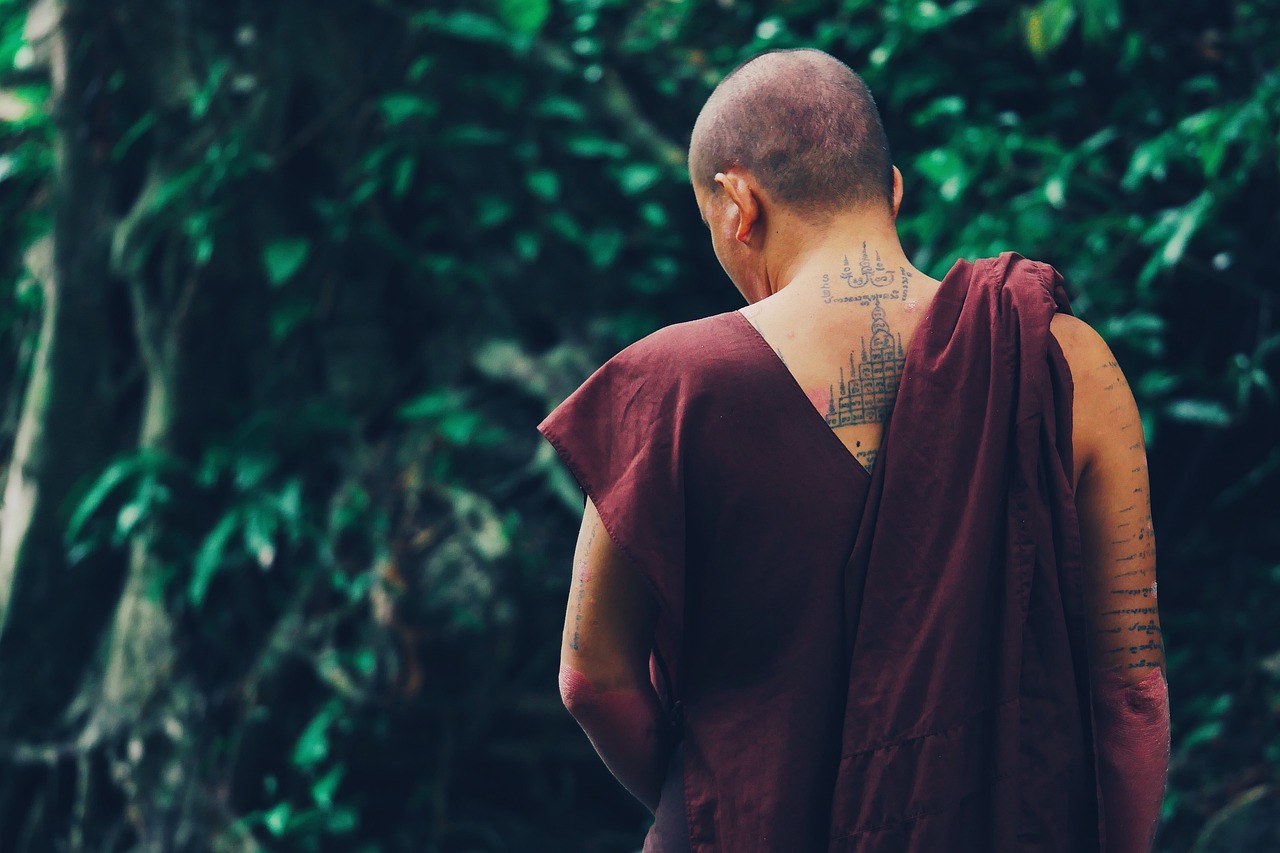
Your back can take a single main piece, a full scene, or a few smaller designs that connect later. That matters if you like detail but do not want the work to look crowded. A dragon can coil across the shoulder blades. A phoenix can rise from the lower back. A geometric mandala can sit between the spine and the traps with enough room around it. Small tattoos can work too, but the back often suits larger work better.
A Private Placement That Can Still Feel Bold
A back tattoo can stay covered under a shirt at work and still stand out at the gym, pool, or beach. That is one reason men often use the back for bigger designs. You can keep a clean look in public without losing the effect when the shirt comes off. It is not on show every minute, and for many men, that is part of the appeal.
Data Behind Modern Tattoo Confidence
Public numbers give some useful context. Pew Research Center reported in August 2023 that 32% of U.S. adults had at least one tattoo, based on a July 2023 survey of 8,480 adults. Pew also found that 27% of men had at least one tattoo. That does not mean back tattoos are the most common placement. For this article, I did not find a solid public dataset that ranks male back tattoo locations. It does show that tattoos are common enough now to plan calmly, not from panic or guesswork.
What Back Tattoo Style Fits Your Body and Personality?
Pick the style before you get lost in small details. If the style suits your body, the tattoo will read better from a few steps away and still have interest up close. Think about how you dress, how often your back is visible, and whether you want something spiritual, aggressive, calm, or mainly graphic.
Full Back Pieces for a Big Story
A full back tattoo is the biggest choice for this placement. It can run from the base of the neck to the waist, and sometimes it moves into the ribs or glutes. Japanese-inspired dragons, samurai scenes, large eagles, religious art, biomechanical designs, and battlefield themes all need this kind of space. Full backs usually take several sessions, so patience matters. If you rush a large piece, even a good idea can end up looking muddy.
Spine Tattoos for Clean Symmetry
Spine tattoos fit men who like a straight, balanced layout. Script, runes, vertical symbols, ornamental lines, sacred geometry, and minimalist blackwork can sit well along the center line. The design can stay narrow and clean, or it can become the center of a wider back piece later. One thing to know is the pain can be sharp on the spine. There is less padding there, and the machine vibration is hard to ignore.
Shoulder Blade Designs for Easier Growth
The shoulder blade is a practical starting point if you are not ready for a full back tattoo. A wolf head, compass, skull, angel wing, family crest, or blackwork pattern can sit on one side and grow later. You can also match both shoulder blades to get balance without covering the full back. It is a useful middle ground because it shows when shirtless, covers easily, and takes less time than a full mural.
Which Designs Work Best on the Male Back?
The best design is not always the most detailed one. It is the one that still reads when your skin moves, when the ink settles, and when someone sees it from across the room. On the male back, strong shapes usually work better than tiny clutter.
Mythology, Warriors, and Sacred Figures
Mythology works well on the back because the subjects often need scale. Think Norse gods, Greek statues, archangels, oni masks, samurai armor, or guardian figures. These designs can fill wide areas and give the artist room for shadow. If you use sacred imagery, do it with care. Placement, symbols, and cultural meaning should be checked before the stencil goes on your skin.
Animals, Wings, and Nature Scenes
Animal designs fit the back because the body gives them movement. A tiger can stretch across the lats. A raven can angle over one shoulder. Wings can follow both shoulder blades, though very literal angel wings can look dated if they are copied from old flash. Nature scenes can also work well, including mountains, waves, forests, snakes, koi, and storm clouds. Keep one clear focal point, or the tattoo can start to look like background pattern.
Geometric, Lettering, and Abstract Work
Geometric tattoos need clean placement, especially near the spine. Mandalas, blackwork panels, dotwork patterns, and sacred geometry can look strong on a broad back. Lettering can work too, but it has to stay readable. A six-word quote across the upper back will often age better than a long paragraph. Abstract brushwork, trash polka, and negative-space designs suit men who want something less traditional but still direct.
How Should You Plan Size, Placement, and Pain?
Planning is what separates a tattoo you enjoy from one you keep explaining. Before you book, look at your back in a mirror from different angles. Sit, stand, turn, and raise your arms. The skin shifts more than many people expect.
Muscle Lines Guide the Layout
Your shoulders, traps, lats, and spine create natural borders for the design. A wide upper-back tattoo can make the shoulders look broader. A vertical spine piece can make the torso look longer. A lower-back or waistline tattoo can be strong, but the placement needs care so it does not look added on at the last minute. If you train heavily, tell your artist before the design is set. Big changes in muscle size can change how the piece reads over time.
Pain Changes Across the Back
Pain is personal, but the back has some common tough spots. The shoulder blades, spine, ribs, and lower back usually bite more. Areas with more flesh near the lats may feel easier for many people. Long sessions are a separate issue. A four-hour outline across the back can feel manageable in the first hour and very different by the third. Eat well, sleep properly, and avoid alcohol before the appointment.
Sessions, Budget, and Healing Time
Large back tattoos usually need more than one session. The artist may split the work into outline, shading, detail, and sometimes background. A full back can take many months from the first stencil to the healed result, depending on size and the artist’s schedule. Budget for quality, not only chair time. Cheap large tattoos are rarely cheap later if you need cover-up work. Healing also affects daily life. Sleeping on your back, tight shirts, gym benches, and backpacks can all be annoying for a while. See also: tattoo care.
How Can You Make a Back Tattoo Age Well?
A fresh tattoo gets the first comments, but the healed tattoo shows the real quality. Back pieces can age well because the area usually gets less daily sun than hands or forearms. Even so, design choice and skin care matter from the start.
Strong Contrast Beats Tiny Detail
Fine detail can look clean in a fresh photo, but skin is not paper. Lines soften with time. For the back, choose contrast, clear silhouettes, and enough open skin so the eye can rest. Black and gray realism can age well when the values are strong. Color can work too, especially in traditional, Japanese, and neo-traditional styles. It still needs enough room and steady care after healing.
Skin Care Starts Before the Appointment
Dry, sunburned, or irritated skin is not good for tattooing. Keep the back moisturized in the weeks before the appointment, but do not arrive with greasy skin. If you have acne, active rashes, keloid history, or skin conditions, speak with a dermatologist before booking. The U.S. Food and Drug Administration notes that tattoo inks are permanent marks placed into skin. The FDA also warns that allergic reactions or infections can happen, including from contaminated ink.
Sun Protection Keeps Ink Clear
The American Academy of Dermatology advises protecting tattooed skin from ultraviolet light because UV can fade some inks. Their public guidance recommends broad-spectrum, water-resistant sunscreen with SPF 30 or higher, applied before sun exposure and reapplied at least every two hours outdoors. It is basic advice, but it works. It helps keep a black back piece from turning soft and gray too soon.
What Should You Check Before Booking a Back Tattoo?
The right artist matters more than the perfect screenshot. Back tattoos need layout skill, steady work, and good judgment. A clean studio, healed portfolio photos, and a direct conversation can save you years of regret.
Artist Portfolios Show Healed Results
Ask to see healed back tattoos, not only fresh photos. Fresh ink is dark, shiny, and often more forgiving. Healed work shows line quality, shading, and whether the design still holds shape. Look for backs with body types close to yours. If every sample is filtered, over-lit, or cropped too tight, keep looking.
Safety Questions Matter More Than Speed
The FDA says infections can come from unhygienic equipment and from contaminated ink, even if a container is sealed. Ask about single-use needles, ink handling, surface cleaning, gloves, and aftercare instructions. A professional artist will answer these questions without acting offended. Clear answers are part of the job. If the reply is vague, the chair is not worth it.
Regret Drops When the Idea Has a Job
Pew Research Center found in 2023 that 24% of tattooed U.S. adults said they regretted one or more tattoos. The same survey found that 69% of tattooed adults got tattoos to honor or remember someone or something, 47% to make a statement about belief, and 32% to improve appearance. The point is practical: give your back tattoo a job. It can honor, protect, mark a chapter, or simply make your body feel more like yours. It does not need a long explanation. It just should not be random because Friday was boring.
FAQ
Q1: What Is the Best First Back Tattoo for a Man? A: A shoulder blade tattoo or upper-back design is often a good first choice. It gives enough room for detail, stays easy to cover, and can expand into a larger piece later.
Q2: Do Back Tattoos Hurt More Than Arm Tattoos? A: Some areas do. The spine, shoulder blades, ribs, and lower back can hurt more than many arm placements. Wider, fleshier areas near the lats may feel easier for many people.
Q3: How Big Should a Male Back Tattoo Be? A: Match the size to the design. Portraits, animals, wings, and mythological scenes usually need medium to large space. Simple symbols, script, and geometric marks can stay smaller if the lines are clean.
Q4: Are Back Tattoos Easy to Hide at Work? A: Yes. Most back tattoos stay fully covered by normal shirts, making them one of the easier large placements to keep private in professional settings.
Q5: How Do You Keep a Back Tattoo Looking Sharp? A: Follow your artist’s aftercare, avoid scratching, keep the skin moisturized after healing, and protect it from sun. For outdoor days, use SPF 30 or higher, as recommended by the American Academy of Dermatology.