Why Is Tribal Tattoo Culture Still So Powerful Today?
Why does Tribal Tattoo Culture Still Matter?
Tribal tattoo culture is not just a group of black patterns taken from a flash sheet. It can carry family memory, migration, rank, protection, pain, beauty, and sometimes a private promise. If you are looking through ideas in the wider world of tattoo culture, it is worth slowing down before picking a sleeve, chest panel, or band because it looks good in one photo.
A Pew Research Center survey of 8,480 U.S. adults, conducted from July 10 to July 16, 2023, found that 32% of U.S. adults have at least one tattoo. Among tattooed adults, 69% said honoring or remembering someone or something was a reason for their tattoo. That gives useful context: even when a tattoo style looks current, many people still want ink to hold memory, belief, and identity. (pewresearch.org)
Identity before Decoration
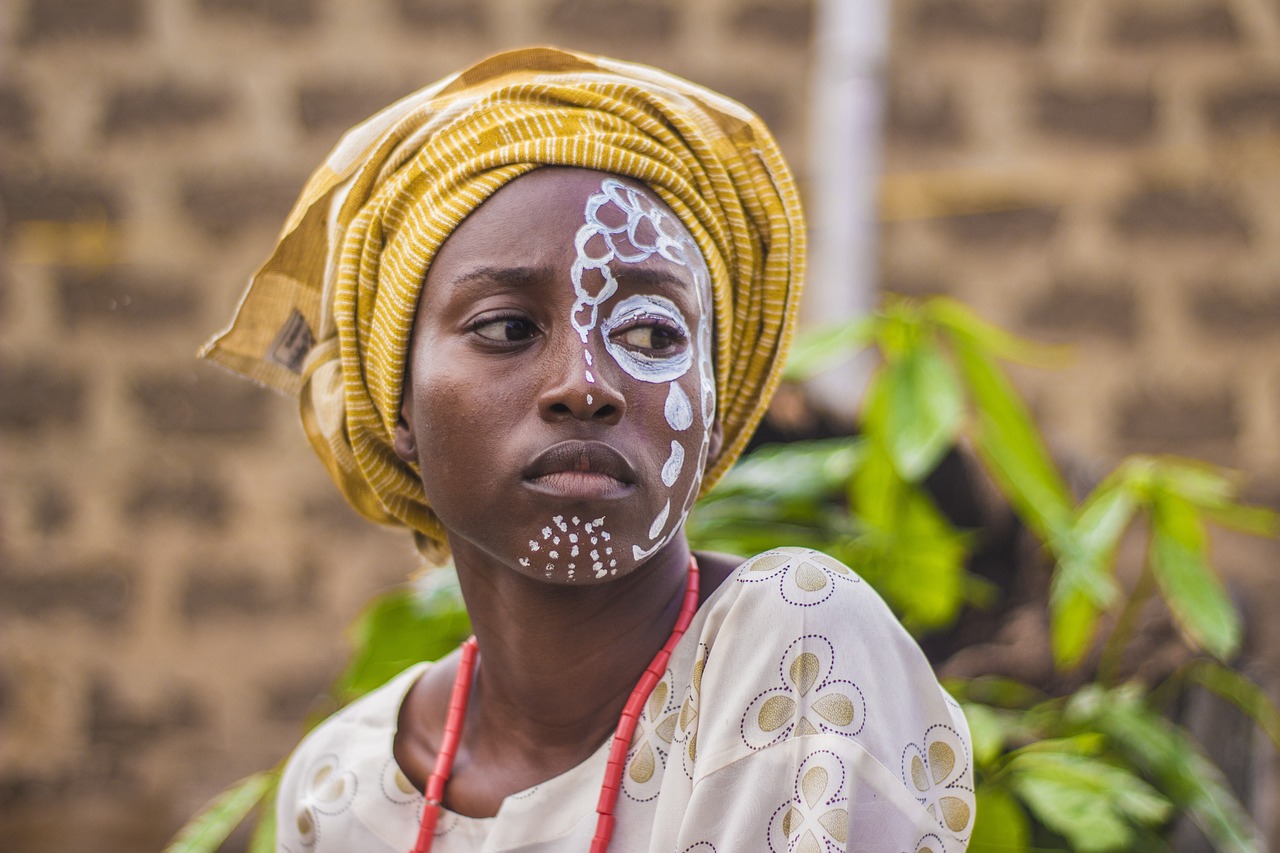
Traditional tribal tattoos often showed who a person was inside a group. That could mean lineage, rank, adulthood, work, courage, marriage status, or a role in ceremony. In a studio today, you may not live under the same social rules, but the design still raises a plain question: what identity are you ready to wear every day?
Pain as Part of the Message
Older tattoo methods were often slow and hard on the body. The pain was not always seen as an unwanted side effect. In many communities, receiving the tattoo showed patience, discipline, and readiness. A modern machine changes the process, but a large tribal back piece or full sleeve still takes time. After four hours under the needle, even a steady client usually stops talking much.
Skin as a Public Record
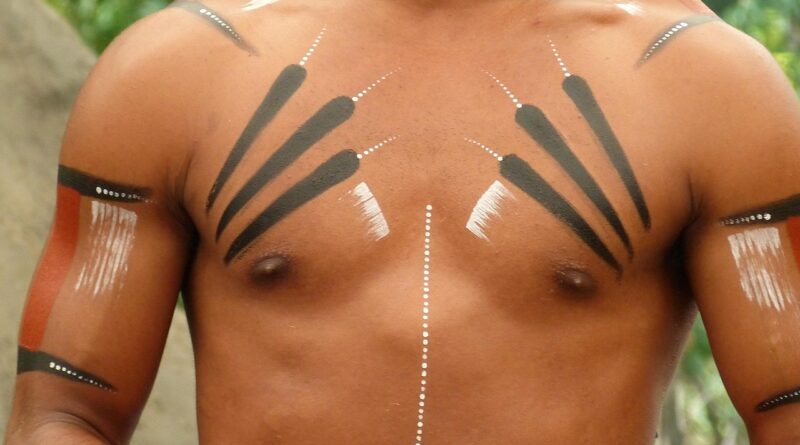
Tribal tattoo culture turns skin into a record that people can see. That record moves when you breathe, stretch, age, and work. This is why placement matters as much as the motif. A shoulder cap can suggest strength, a chest panel can feel protective, and a calf band can follow the movement of the leg.
Where did Tribal Tattoo Culture Begin?
No single place owns the full story of tribal tattoo culture. Tattooing grew in many regions, with different tools, rules, and meanings. A better question is not only where it started, but why so many cultures used skin to tell stories before paper, phones, or printed IDs existed.
Ancient Skin Evidence
Archaeology gives a long timeline. A 2018 Journal of Archaeological Science study reported tattoos on two Predynastic Egyptian mummies, with hair samples dated to 3351 to 3017 cal BC. The study identified these as the oldest known figural tattoos and noted that they pushed evidence for tattooing in Africa back by about a millennium. This matters because it shows tattooing was not a late fashion idea; it was part of visual culture more than 5,000 years ago. (sciencedirect.com)
Indigenous Knowledge Systems
The Smithsonian Institution has described tribal tattoos as more than ornament. Anthropologist Lars Krutak explained that many indigenous tattoos identified tribal designation, social accomplishments, medicinal therapy, or protective symbols. That is a useful warning for anyone choosing a design today. A pattern may look abstract in a studio folder, but it may belong to a specific cultural system. (si.edu)
Local Methods and Local Meaning
Different regions used different methods: hand poking, skin stitching, hand tapping, comb tools, soot pigments, plant materials, bone, cactus spine, and metal needles. The tool changed the look of the finished mark. Repeated tapping can build a dense black rhythm, while stitching can leave fine linear marks. A design is not only a picture; it is also the trace of the tool that made it.
Why do Tribal Tattoo Designs Still Feel Modern?
Many tribal designs still work in modern studios because people can read them from a distance. They use contrast, flow, and negative space. Even a simple black band can look strong when it fits the arm properly. Poor placement, though, can make a serious motif feel like a sticker put in the wrong place.
Strong Black Geometry
Black ink gives tribal tattoos their clear impact. Thick lines, tapered points, curves, chevrons, hooks, spirals, and bars stay readable after healing when the artist leaves enough space. Very small packed details may look good on the first day, but skin lets ink spread a little over time. An experienced artist plans the line weight with that in mind.
Movement with the Body
Tribal work often follows muscle groups. A shoulder design may wrap around the deltoid, and a rib panel may rise and fall with the breath. A forearm band also needs to respect how the wrist turns. The mirror in a shop can be blunt once the stencil is on; if the design fights the body then, it will still fight the body after healing.
Clean Negative Space
Negative space is not empty space. It is part of the design. Clear skin can build rhythm, show direction, and stop a blackwork tattoo from turning into one heavy block. Good tribal design often looks carved rather than simply filled in, and that is one reason the style still works with minimal wardrobes, streetwear, and formal clothing.
How can You Read Common Tribal Tattoo Symbols?
There is no universal dictionary that can safely explain every tribal symbol. A triangle in one culture may not mean the same thing in another. Still, you can learn the basic design logic before sitting down for a consultation.
Lines and Repetition
Repeated lines can suggest endurance, steps, waves, paths, or family links, depending on the tradition. In modern custom work, repetition is also a practical design tool. It can connect shoulder to chest, elbow to wrist, or thigh to knee without forcing one large image into every open area.
Animals and Nature
Animal forms may show strength, speed, hunting skill, guardianship, or ancestral ties. Nature motifs can point to ocean, wind, mountains, plants, teeth, shells, sun, or stars. It is better not to take a sacred animal symbol just because it looks aggressive. Ask what the form means, who uses it, and whether it has a place in your own story.
Placement and Scale
Scale changes the feeling of the tattoo. A narrow wrist band does not read the same way as a full chest and shoulder composition. Face, neck, hand, and throat tattoos may carry heavy cultural weight in some traditions, and they may also carry heavy social weight in daily life. If you work in a conservative office, that part is not dramatic; it is just practical. See also: tattoo care.
Is Tribal Tattoo Culture Appreciation or Appropriation?
This is the part many people would rather skip, but it often matters most. Appreciation means you respect the source, learn the background, and avoid claiming something that is not yours. Appropriation happens when a sacred or identity-based mark is turned into a costume, a trend, or a product while the original people are left out.
Start with Your Own Story
The safest starting point is your own life. You can build a tribal-inspired design around personal ancestry, family migration, grief, protection, recovery, or discipline. A tattoo does not need to copy a sacred motif to carry weight. A good artist can create black geometry that fits your story without taking restricted cultural marks.
Ask Who Owns the Motif
Some motifs are open, some are personal, and some are not for outsiders. Māori tāmoko is a clear example of tattoo as cultural identity rather than a generic pattern. Te Papa, the Museum of New Zealand, explains that the lines of moko carved in skin mean much more than a tattoo, and describes traditional methods using uhi combs and tā mallets. If a design comes from a living culture, ask before borrowing it. (tepapa.govt.nz)
Work with Cultural Knowledge
If you want a Polynesian, Māori-inspired, Filipino, Native, Berber, Dayak, or other culturally rooted piece, look for artists who are connected to that tradition or who clearly explain what they will and will not tattoo. A respectful artist may say no. That is not poor service. In this kind of work, it may be the most honest answer you can get.
How should You Plan a Tribal Tattoo Today?
A solid tribal tattoo starts well before the needle touches skin. Planning includes meaning, body placement, line weight, budget, artist skill, health, and aftercare. This is the stage where patience usually saves money, skin, and regret.
Research before the Consultation
Bring references, but do not ask for a direct copy. Point out what you like, such as the curve, density, symmetry, asymmetry, or the way the black wraps the arm. Also say what you do not want. Three clear examples and a calm explanation usually help more than a ten-minute scroll through random photos.
Choose a Trained Artist
Look at healed work, not only fresh photos. Healed tribal tattoos show whether the artist can pack black evenly, keep points sharp, and place negative space well. For large work, ask how many sessions it may take. A half sleeve can need several appointments, especially when the artist is building custom flow instead of placing a ready stencil.
Care for the Ink and Skin
Safety is part of culture too. The U.S. Food and Drug Administration states that tattoo inks and pigments fall under FDA oversight as cosmetics, and it has received reports of infections from contaminated inks and allergic reactions to inks. It also notes that no tattoo pigments are approved for injection into the skin for cosmetic purposes. Choose a licensed studio, follow aftercare, and contact a health professional if redness, bumps, fever, or unusual swelling appears. (fda.gov)
FAQ
Q1: Is Tribal Tattoo Culture Only about Polynesian Tattoos? A: No. Polynesian tattooing is very important, but tribal tattoo culture also includes many indigenous and traditional systems from Africa, the Americas, Asia, the Arctic, and other regions.
Q2: Can You Get a Tribal Tattoo without Ancestry from That Culture? A: Sometimes, but you should avoid sacred, rank-based, or restricted motifs. Choose custom tribal-inspired blackwork or speak with an artist connected to the culture you admire.
Q3: What Makes a Tribal Tattoo Look High Quality? A: Clean line weight, solid black fill, planned negative space, body flow, and healed clarity. A good design should still read well from several feet away.
Q4: Are Tribal Tattoos More Painful than Other Styles? A: They can be, especially large blackwork pieces with heavy fill. Pain depends on placement, session length, skin type, and your own tolerance.
Q5: How Long should You Research before Booking? A: Give yourself at least a few weeks for a small piece and longer for a sleeve, chest panel, or culturally rooted design. A tattoo that lasts for life deserves more than one late-night search.