What Is the Maori Face Tattoo Meaning and Why Is It So Sacred?
What Is the Maori Face Tattoo Meaning?
If you are searching for maori face tattoo meaning, the first point is simple: a Māori face tattoo is not just decoration. In traditional Māori culture, tā moko can tell people about whakapapa, mana, family ties, public role, and a person’s own path. For more background on body art traditions, visit the tattoo culture section, then come back to this subject with care.
Identity Written Through Whakapapa
Whakapapa means genealogy, but in Māori use it reaches past a family tree written on paper. A facial moko may link the wearer to ancestors, land, iwi, hapū, and whānau. Te Aka Māori Dictionary describes moko as Māori tattooing designs on the face or body done under traditional protocols. That short definition is useful because it shows the protocol matters as much as the mark.
Mana, Rank, and Life Role
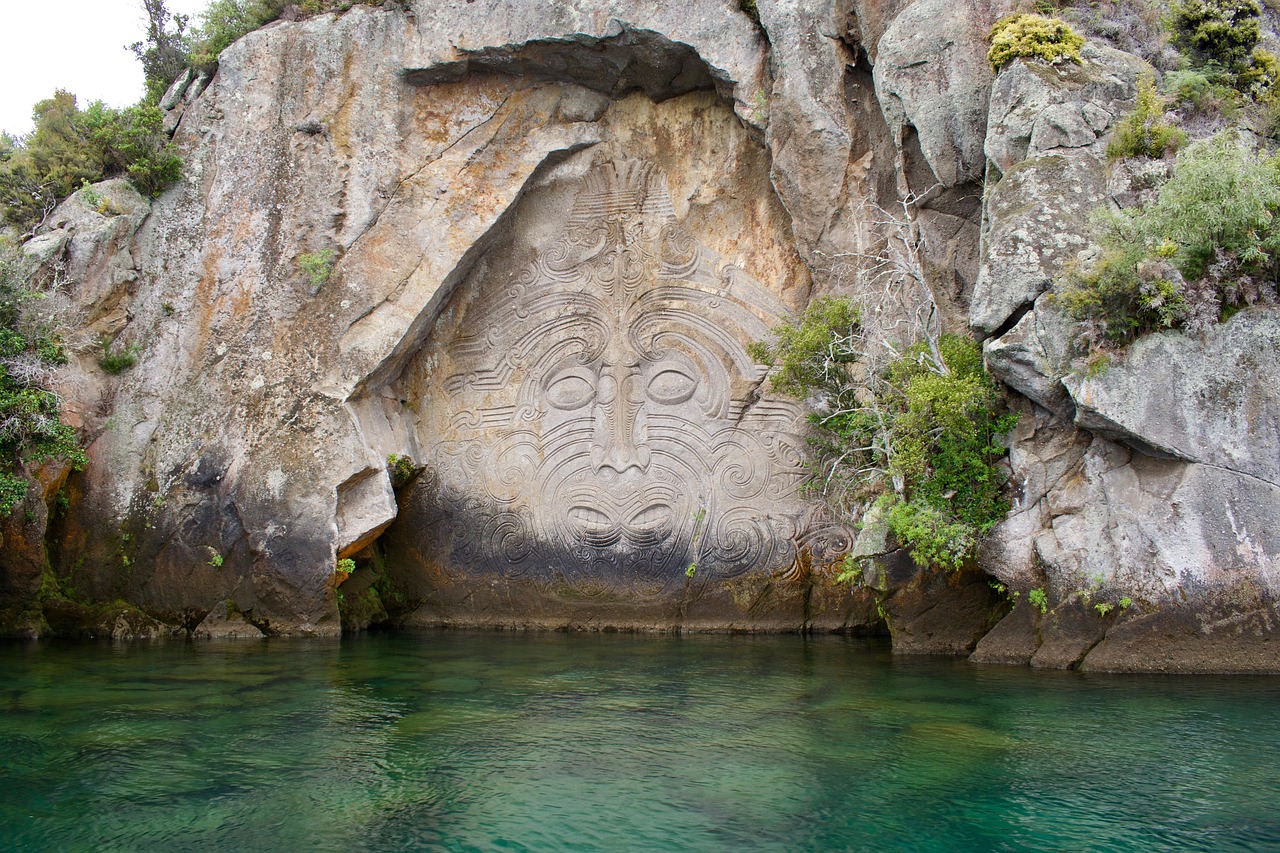
Mana is often translated as status, authority, or spiritual power. Te Ara Encyclopedia of New Zealand, in its 2013 article by Rawinia Higgins, explains that moko represented mana and that some chiefs reproduced their moko as signatures on the Treaty of Waitangi. So the face could work as a public record, not a style badge bought on a whim.
Moko Kauae and the Female Chin Tattoo
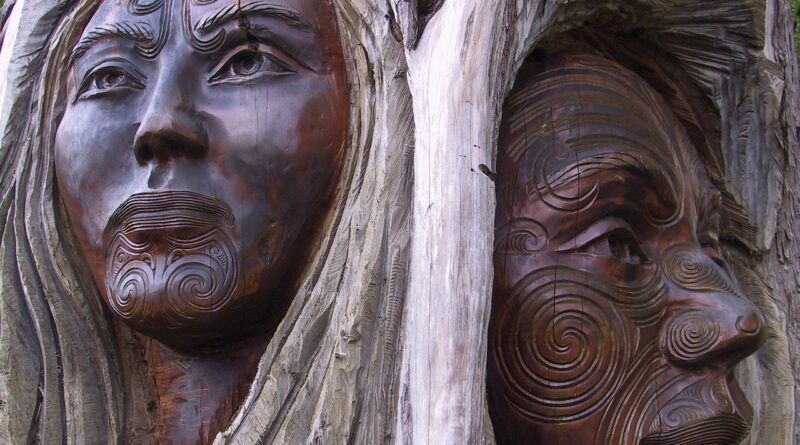
Moko kauae is the female chin and lip tattoo. Te Aka lists moko kauwae as a female chin or lip tattoo, and Te Ara notes that Māori women continued receiving moko kauae into the 1950s. Today, for many Māori women, it may mark identity, voice, leadership, and connection. That meaning is personal, not something outsiders can read from a photo.
Why Is Tā Moko Different From a Regular Tattoo?
A regular tattoo can still carry meaning, look good, and take commitment. Tā moko, though, sits inside a cultural system with language, ceremony, ancestry, and social duty. If you only look at the lines, you miss the main point. It is like seeing a signature but not knowing the person who signed it.
Sacred Protocol and Personal Genealogy
Traditional tā moko is tied to tikanga, the right way of doing things in Māori custom. The design is not taken from a flash sheet just because it looks good that day. It may be built through talks about whakapapa, personal standing, family, and the reason for wearing it. For Māori, that process can carry strong tapu.
Carved Skin, Not Just Ink
Te Papa Tongarewa, New Zealand’s national museum, explains that Māori adapted Pacific tattooing into a method that cut grooves into the skin, most often discussed in relation to the face. Older uhi tools made raised, carved lines that were stained with pigment. Modern machines are common now, but the older carved look still affects how many people understand the tradition.
Kirituhi as a More Open Path
Kirituhi is often used for Māori-style tattoo art made for people who do not carry Māori whakapapa, or for designs that are not personal tā moko. Artists do not all explain it the same way, so the word should not be treated as a free pass. If you are non-Māori and like the visual language, kirituhi is usually the more suitable starting point.
Which Parts of the Face Carry Meaning?
Face placement matters, but simple charts online can make it look too fixed. Some diagrams split the face into areas for rank, ancestry, work, marriage, or achievements. Those charts can help beginners get a rough idea, but real moko depends on the wearer, the artist, and local cultural knowledge. A cheek line is not a universal barcode.
Forehead for Standing and Rank
The forehead is often linked with a person’s standing, public identity, or rank in basic explanations of male facial moko. It is better not to speak with too much certainty here. Historical sources such as Te Ara speak clearly about moko and mana, but they do not set one fixed modern code for every line on every forehead.
Cheeks for Family Lines and Work
Cheeks are often described as places where family ties, life work, and social role may appear. In old portraits, cheek patterns can look balanced at first glance, but each side can carry different information. The meaning is not only a left-and-right reading. It belongs to the wearer and their people.
Chin and Jaw for Voice and Commitment
The chin and jaw get noticed because they move when a person speaks. That is one reason moko kauae is often linked with voice, identity, and responsibility. It is not just a tidy design below the lip. When a Māori woman wears moko kauae at work, on television, or at a ceremony, the mark can be seen before she says anything.
How Did History Shape Maori Face Tattoos?
The meaning of Māori face tattoos is tied to history. There is origin tradition, old technique, colonial pressure, museum collecting, and present-day revival. Some parts of that story carry pride. Some parts are painful. If the hard parts are skipped, the design looks lighter than it really is.
The Niwareka and Mataora Origin Story
Te Papa traces the origins of tā moko to the story of Niwareka and Mataora. In that tradition, Mataora follows Niwareka to the underworld and learns tattooing from Uetonga, a master of the art. Te Papa also notes that Mataora means living face. That phrase sits well with how moko is understood.
Colonial Pressure and Public Decline
European settlement changed how moko was worn and how it was judged. Te Ara records that facial moko became less common after European settlement. It also describes the harsh trade in preserved tattooed heads during the early contact period, a trade that damaged the practice and the people connected to it. This is why careful language is needed.
Revival Since the Late Twentieth Century
Te Ara says a renaissance from the late twentieth century encouraged tā moko as a way to express Māori or tribal identity. Te Papa also points to a revival in Pacific tattooing since the 1980s. For a population backdrop, Stats NZ 2023 Census national data counted 887,493 people in the Māori ethnic group, 17.8% of New Zealand’s population, and 978,246 people of Māori descent. The point is plain: this is a living culture, not only a museum topic. See also: tattoo care.
Can Non-Māori Get Maori-Inspired Face Tattoos Respectfully?
This is the question many tattoo fans want to ask, and many ask it with some caution. The short answer is to slow down. A face tattoo is already a very public choice. A Māori-inspired face tattoo adds cultural weight, so good intent is not enough by itself. You still need permission where it applies, context, and clear limits.
Ask First and Listen Closely
If you are not Māori, talk with a Māori artist or cultural adviser before using facial design. Ask what may be appropriate, what should be avoided, and whether the face is the right place at all. If the answer is no, take it seriously. That small step can prevent years of poor explanations later.
Choose Kirituhi Over Tā Moko
For non-Māori clients, kirituhi is usually a better route than claiming tā moko. The difference is not that one is decorative and the other is serious. It comes back to whakapapa. A kirituhi piece can still be custom, strong, and respectful, but it should not act as if it carries Māori genealogy that you do not have.
Avoid Copying Living Genealogy
Do not copy a Māori person’s facial moko from Instagram, a museum portrait, a sports photo, or a news clip. That pattern may belong to a living family line or an ancestor. Also do not use sacred terms just to sell the design. If no reliable cultural source can support the choice, leave it out.
What Should You Know Before Choosing a Maori Face Tattoo Design?
A face tattoo changes how strangers read you in the first few seconds. When Māori design language is added, the decision carries more weight. Before choosing anything, treat the process as cultural research and body planning, not just a booking deposit. Taking more time usually leads to a cleaner decision.
Work With a Māori Artist or Cultural Guide
A skilled Māori artist can explain what belongs in tā moko, what may fit kirituhi, and what should not be used. Bring your story, not a demand. If the artist asks about family, place, and reason, that is not casual chat. It is part of the work.
Treat Online Flash With Caution
Online flash can turn cultural art into repeatable shapes. That is risky with Māori facial forms. Before saving a design to your phone, check a few basics:
- Is the design made by a Māori artist or a random stock site?
- Does it claim a meaning without naming a reliable cultural source?
- Could the pattern be copied from a real person’s moko?
Plan Placement, Language, and Aftercare
Think about work, travel, family reaction, and daily skincare before you book. Face skin heals differently from arms or legs, and heavy black work needs careful aftercare. Get the language right as well. Use Māori terms with macrons when possible, such as tā moko and moko kauae, because spelling is part of respect.
FAQ
Q1: What does a Maori face tattoo mean? A: It can show whakapapa, mana, ancestry, identity, social role, and life journey. The exact meaning depends on the wearer, the artist, and cultural protocol.
Q2: Is moko kauae only for Māori women? A: Moko kauae is a Māori female chin and lip tattoo tied to Māori identity and whakapapa. Non-Māori should not copy it as a style trend.
Q3: Is tā moko the same as a tribal tattoo? A: No. Tā moko is a specific Māori cultural practice. Calling it a tribal tattoo can remove its language, history, and protocol.
Q4: Can a non-Māori person get kirituhi? A: Many artists use kirituhi for Māori-style work made for non-Māori clients. You still need a respectful artist and a design that avoids sacred genealogy.
Q5: Are there public statistics on how many people wear Māori face tattoos today? A: No reliable national public dataset gives a verified count of people wearing facial moko today. Available sources give cultural history and wider Māori population data, not wearer totals.