
How Does a Tattoo Mexican Flag Reflect Chicano Identity in Vietnam
In Vietnam, an Unlikely Outpost for Chicano Culture
Chicano symbolism has traveled far beyond its birthplace in the American Southwest. In Vietnam, tattoos of the Mexican flag—once markers of ethnic pride and political struggle—are now reimagined as global art forms. The tattoo Mexican flag, once tied to narratives of resistance and heritage, finds new meaning in Southeast Asia’s growing tattoo scene. This phenomenon reveals how cultural icons migrate, adapt, and gain layered interpretations across borders. The Vietnamese context shows not imitation but transformation: a blending of visual codes that turns identity symbols into shared artistic language.
The Symbolism of the Mexican Flag in Chicano Identity
The Mexican flag holds deep emotional and political weight within Chicano identity. It is not merely a national emblem but a reminder of cultural survival and resistance that transcends borders.
Historical Roots of the Mexican Flag as a Cultural Symbol
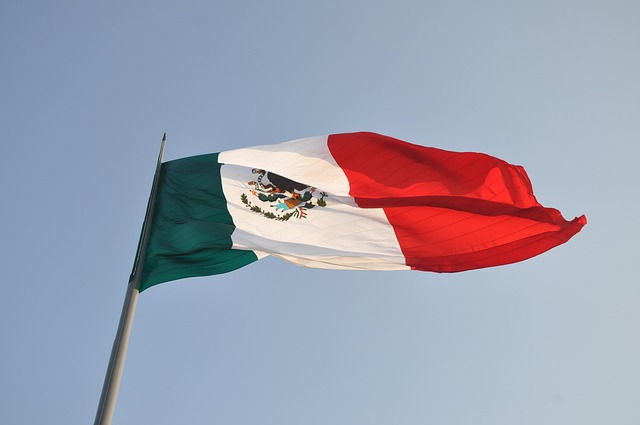
The Mexican flag symbolizes heritage, resilience, and unity within Chicano communities. Its central imagery—an eagle devouring a serpent while perched on a cactus—derives from Aztec mythology, representing triumph through adversity. For Chicanos, this imagery becomes more than patriotic; it signals self-determination in the face of marginalization. The flag’s colors—green for hope, white for purity, red for blood shed in struggle—are often invoked to express both pride and defiance. Within barrios across Los Angeles or San Antonio, murals featuring the flag serve as declarations of belonging.
The Tattoo as a Medium of Cultural Expression
Tattoos translate collective memory into personal expression. When individuals inscribe the Mexican flag onto their skin, they transform public symbolism into intimate narrative. A tattoo Mexican flag can mark family lineage or solidarity with broader social movements. The permanence of ink mirrors the enduring strength of identity itself. Tattoos also act as storytelling tools: each design encodes migration histories or generational struggles that words may fail to capture.
The Migration of Chicano Symbolism Beyond Borders
As Chicano culture globalized through art, film, and music, its symbols began circulating in unexpected places—from Tokyo’s lowrider festivals to Saigon’s tattoo parlors.
Global Circulation of Chicano Cultural Icons
Chicano aesthetics spread internationally via hip-hop videos, graffiti art, and digital media networks. Artists abroad reinterpret these symbols through local sensibilities while maintaining their core spirit of resistance. International tattoo communities have embraced motifs like Virgen de Guadalupe or Aztec eagles as emblems of strength and authenticity. Yet this diffusion raises debates over cultural ownership: when symbols migrate, their meanings shift between homage and appropriation.
Vietnam as an Unlikely Context for Chicano Expression
Vietnam’s tattoo industry has grown rapidly over the past decade, blending Western realism with Asian traditionalism. Within this environment, designs such as the tattoo Mexican flag appear both foreign and familiar—foreign in origin yet resonant with Vietnamese notions of endurance after war and colonization. Local artists reinterpret these images using Vietnamese line work or color gradients inspired by Đông Hồ painting traditions. This intersection illustrates how transnational art can connect histories separated by oceans.
Interpreting the Tattooed Mexican Flag in the Vietnamese Context
In Vietnam’s studios from Hanoi to Ho Chi Minh City, tattoos bearing foreign flags invite layered readings about identity and aspiration.
Cross-Cultural Translation of Identity Symbols
When Vietnamese clients choose a tattoo Mexican flag design, motivations vary widely—from aesthetic admiration to ideological kinship with struggles against oppression. Detached from its original sociopolitical roots, the symbol undergoes semantic transformation: it may signify courage or simply artistic appreciation rather than ethnic pride. This fluidity reflects how hybrid identities form through exposure to global media flows.
The Role of Tattoo Studios in Mediating Symbolic Exchange
Tattoo artists function as interpreters between cultures. They adapt imported imagery into local contexts by adjusting composition or incorporating native motifs like lotus petals or dragons around the flag emblem. Through consultation sessions with clients, artists negotiate meaning—balancing authenticity with creativity. These interactions reveal how global subcultures become localized not by replication but reinterpretation.
Chicano Identity and Its Representation Through Tattoo Art Abroad
The display of Chicano-inspired tattoos outside North America challenges conventional notions of cultural boundaries while prompting reflection on ethics and solidarity.
Negotiating Authenticity and Appropriation in Global Tattoo Culture
The spread of Chicano symbols abroad sparks ongoing debate about respect versus exploitation. Authentic representation depends less on nationality than on comprehension and intent behind use. When foreign wearers acknowledge historical context—the labor movements, civil rights battles—they participate in dialogue rather than appropriation. However, when stripped purely for aesthetic appeal without recognition of origin stories, such imagery risks dilution.
Transnational Solidarity Through Shared Symbolism
Tattoos can bridge distant communities through shared experiences of marginalization or resilience. A Vietnamese youth wearing a tattoo Mexican flag might identify with themes of struggle against colonial history much like Chicanos confronting systemic inequality in America. Artistic exchange thus fosters empathy across boundaries where politics once divided societies.
Visual Semiotics and Aesthetic Analysis of the Tattoo Mexican Flag in Vietnam
Visual analysis reveals how meaning resides not only in symbol choice but also execution—the colors used, placement on body, or integration with other motifs all contribute to interpretation.
Stylistic Adaptations in Vietnamese Tattoo Practice
Vietnamese artists often blend traditional brushstroke techniques with Western realism when rendering foreign flags. They might replace bold reds with subtler tones reflecting lacquer art palettes or add background textures reminiscent of silk painting traditions. Such adaptations show creative respect rather than mimicry; they localize global imagery into culturally coherent aesthetics.
Reading the Semiotics of National Symbols on Skin
Placement carries semiotic weight: a chest piece signals devotion; an arm design suggests strength; back tattoos may symbolize protection or legacy. When combined with elements like roses or skulls common in Chicano style, these compositions articulate complex messages about belonging and admiration across nations. The human body becomes both archive and canvas where transnational narratives are visually negotiated.
Sociocultural Implications for Understanding Globalized Identity Formation
The rise of cross-cultural tattoos highlights broader shifts in how individuals navigate identity amid globalization’s constant flux.
Tattoos as Markers of Transnational Belonging
Body art now serves as evidence that identity operates beyond geography. In Vietnam’s cosmopolitan circles, wearing a tattoo Mexican flag may express openness toward multicultural dialogue rather than allegiance to Mexico itself. Such choices indicate evolving notions of belonging shaped by travel networks and digital connectivity that collapse distance between cultures.
Academic Perspectives on Hybrid Identity Construction Through Art Forms
Scholars across anthropology and visual studies examine how artistic practices mediate between personal emotion and collective memory within globalization processes. Tattooing exemplifies this dynamic: it materializes intangible affiliations onto visible surfaces while allowing reinterpretation over time. Through these lenses, hybrid aesthetics like those seen in Vietnam’s adaptation of Chicano symbols illuminate contemporary patterns of cultural negotiation rather than static heritage preservation.
FAQ
Q1: Why is the tattoo Mexican flag popular among Vietnamese youth?
A: It represents resilience and individuality while connecting local experiences with global artistic movements rooted in resistance narratives.
Q2: Does using foreign national symbols count as cultural appropriation?
A: It depends on context; respectful engagement that acknowledges origins differs from superficial use detached from meaning.
Q3: How do Vietnamese tattoo artists reinterpret Chicano designs?
A: They integrate local motifs such as lotus flowers or use traditional color schemes to align imported imagery with native aesthetics.
Q4: What drives global interest in Chicano-style tattoos?
A: Media exposure through music videos and street art has popularized their bold iconography associated with strength and heritage pride.
Q5: Can cross-cultural tattoos foster solidarity?
A: Yes; they create symbolic bridges among groups sharing histories of struggle or marginalization despite differing national backgrounds.