
Moon tattoo ideas for meaningful phases, placements, and styles
How to choose a moon tattoo that matches your intent
Moon tattoo ideas are easiest to refine when three decisions work together: the lunar shape, the feeling you want the design to carry, and the body area where it will be placed. A crescent moon can feel quiet and minimal. A full moon often reads as bolder and more complete. A full phase cycle may suggest growth, timing, or personal change. The strongest designs are not always the most detailed; they are the ones where scale, line weight, negative space, and placement support the idea clearly.
This guide compares common moon tattoo concepts, their possible meanings, and practical placement considerations. If you are still collecting references across different motifs, you can also browse more tattoo ideas before narrowing your final direction.
Popular moon tattoo ideas and what they can express
The moon has a flexible visual language. It can look soft, mysterious, spiritual, romantic, astronomical, gothic, or minimalist depending on how it is drawn. Meanings also vary by person, culture, and life experience, so the ideas below should be treated as creative starting points rather than fixed definitions.
Crescent moon tattoo
A crescent moon is one of the most adaptable moon tattoo ideas because it remains readable at a small size. It can sit behind the ear, on the wrist, ankle, collarbone, finger, or rib area without needing heavy detail. Many people associate the crescent with transition, renewal, intuition, or a quiet beginning. Visually, it can stay clean and modern as a single fine-line curve, or become more decorative with small stars, dots, leaves, or ornamental accents.
For tiny crescent tattoos, the curve should not be too thin. Very delicate lines may soften over time, so a slightly stronger outline often ages better than a barely visible stroke. A simple crescent also works well as a first tattoo because the shape is recognizable even when scaled down.
Full moon tattoo
A full moon tattoo usually has a stronger visual presence than a crescent. It can suggest completion, clarity, reflection, or a moment of emotional fullness. This concept works especially well when the artist has enough space to include shading, surface texture, craters, clouds, or a surrounding night-sky scene.
Because a full moon depends on tonal contrast, it is usually more successful at medium size than at micro scale. Too much crater texture inside a tiny circle can blur into a gray patch. If you want a small full moon, consider a clean circle with subtle dotwork instead of trying to include every surface detail.
Moon phase tattoo
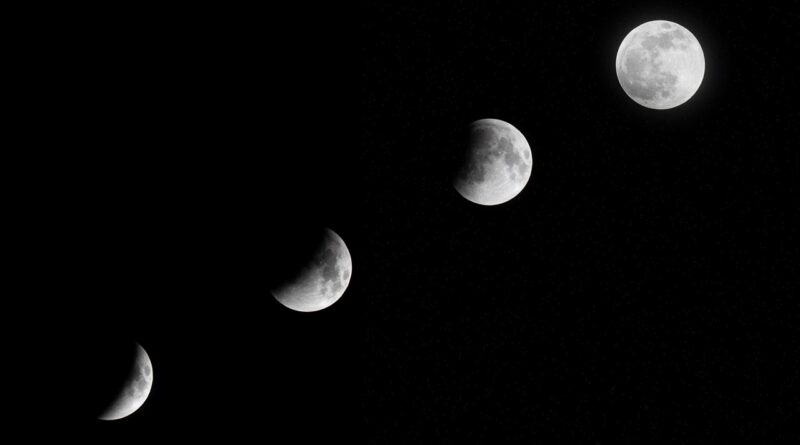
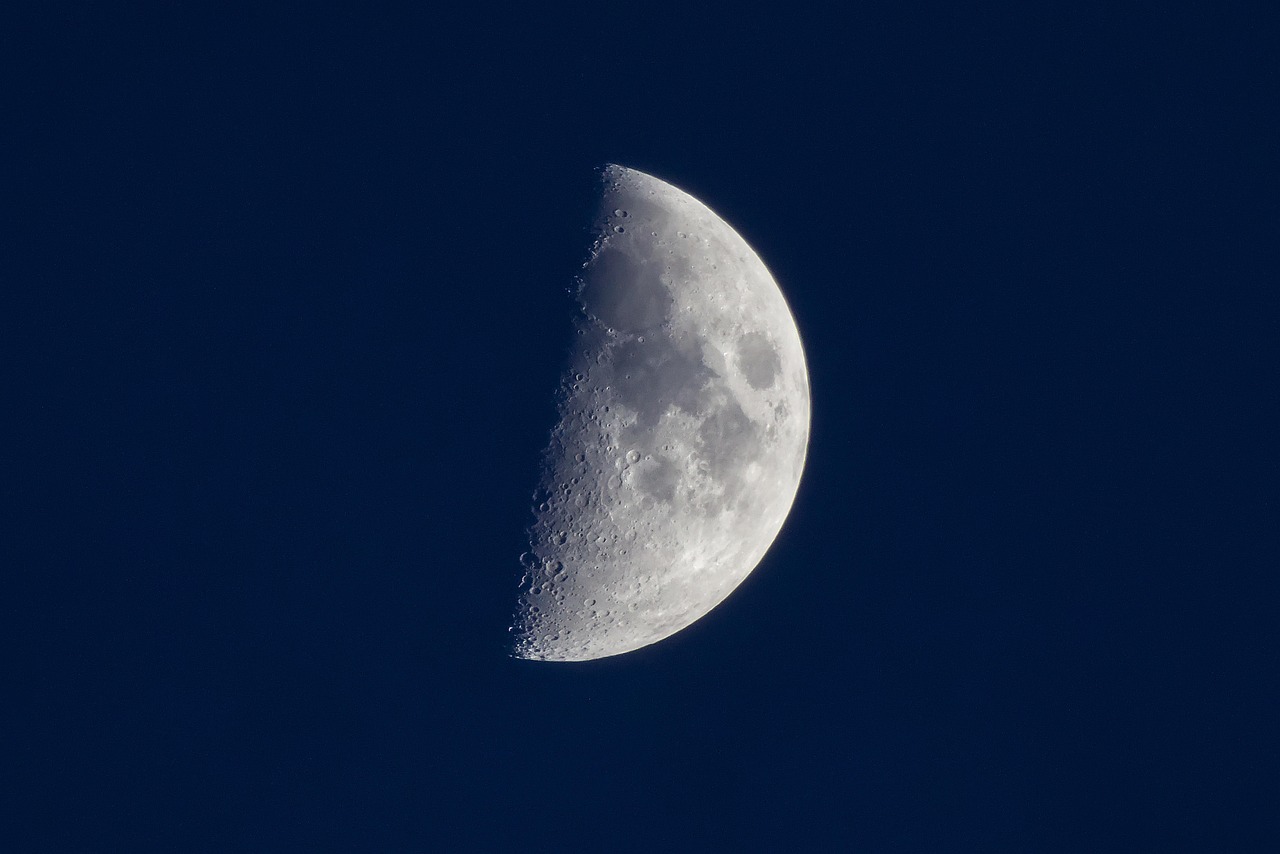
A moon phase tattoo shows several lunar stages in sequence, often across the forearm, spine, sternum, upper arm, or collarbone. NASA educational resources describe the eight familiar lunar phases as new moon, waxing crescent, first quarter, waxing gibbous, full moon, waning gibbous, third quarter, and waning crescent. In tattoo design, that sequence can become a visual timeline of change, patience, cycles, and personal growth.
Phase tattoos need careful spacing. If the moons are too close together, the design can look crowded after healing. A clean layout with consistent sizing and enough negative space between each phase usually reads better than a heavily decorated sequence.
Sun and moon tattoo
A sun and moon tattoo uses contrast as its main idea. The sun can represent energy, action, visibility, or warmth, while the moon can suggest reflection, night, rest, or inner life. Together, they can express balance rather than opposition. This is a strong choice for couples, siblings, friends, or anyone who wants a design built around duality.
The most common risk with this concept is adding too many symbols at once. A sun, moon, stars, flowers, faces, clouds, and text can all work, but not always in the same small tattoo. Choose one primary relationship: sun and moon as equals, the moon as the central figure, or the sun as the background element.
Moon and stars tattoo
Moon and stars designs are useful for people who want a celestial tattoo that feels light and atmospheric. Stars can frame a crescent, trail behind it, or form a constellation-like pattern around the moon. This concept works especially well on curved body areas such as the shoulder, hip, ankle, or side of the ribs because the stars can follow the natural movement of the body.
Small star details should be simplified. Tiny five-point stars, dots, and sparkles can close up visually if they are packed too tightly. Leaving air around each element keeps the tattoo crisp.
Floral moon tattoo
A floral moon tattoo combines celestial and botanical symbolism. Flowers can soften a crescent, fill the inner curve, or wrap around a full moon. Roses, lotus flowers, peonies, lavender, wildflowers, and vines all change the emotional tone of the piece. A rose can make the design feel romantic or memorial; a lotus may suggest resilience or personal renewal; wildflowers can make the tattoo feel natural and free-form.
This idea works best when the flower scale matches the moon scale. If the petals are drawn too small, they may lose definition. A crescent with two or three well-shaped botanical elements often looks stronger than one overloaded with tiny leaves and blossoms.
Minimal fine-line moon tattoo
Fine-line moon tattoos are popular because they feel subtle and are easy to place. A single-line crescent, a tiny moon phase row, or a moon with one small star can look elegant without taking much skin space. The limitation is durability: fine lines can soften, spread slightly, or fade unevenly depending on placement, skin type, sun exposure, and aftercare.
If you like a minimal look, ask the artist how small the design can be while still healing clearly. A good minimal tattoo is not just a complex tattoo made smaller; it is a design simplified for skin. See also: tattoo care.
A practical comparison of moon tattoo concepts
| Concept | Best for | Placement ideas | Design notes |
|---|---|---|---|
| Crescent moon | Minimal symbolism, renewal, subtle body art | Wrist, ankle, behind ear, collarbone, rib | Reads well small, but avoid lines that are too faint |
| Full moon | Completion, clarity, night-sky imagery | Upper arm, shoulder, thigh, calf, back | Needs enough size for shading and texture |
| Moon phases | Growth, timing, cycles, transformation | Forearm, spine, sternum, collarbone, upper arm | Spacing is essential for long-term readability |
| Sun and moon | Balance, contrast, paired meanings | Chest, shoulder blade, forearm, back, thigh | Works best with a clear focal point |
| Moon and stars | Soft celestial style, dreamlike mood | Shoulder, hip, ribs, ankle, upper arm | Use negative space so small stars do not merge |
| Floral moon | Feminine, natural, memorial, or romantic designs | Forearm, shoulder, thigh, ribs, upper back | Keep petals large enough to heal cleanly |
Placement ideas by size and visibility
Small and discreet placements
Small moon tattoos work well on the wrist, ankle, finger, behind the ear, side of the neck, inner arm, or collarbone. These placements suit crescents, tiny stars, single-line moons, and very simple phase symbols. The benefit is subtlety; the tradeoff is that small tattoos cannot hold much texture. If you want a discreet tattoo, prioritize a strong silhouette over detail.
Medium placements with more detail
The forearm, upper arm, shoulder, calf, and outer thigh give a moon tattoo more room to breathe. These areas are useful for full moons, floral crescents, ornamental moons, and small night landscapes. A medium placement also gives the artist more control over shading transitions, which matters for full moons and dotwork designs.
Larger placements for full compositions
The back, sternum, ribs, hip, and thigh can support more ambitious moon tattoo ideas, such as a full phase cycle, a moon over mountains, a goddess-inspired moon, or a large celestial composition. Larger designs allow more detail, but they also require stronger planning. The moon should remain the focal point instead of becoming lost among clouds, stars, flowers, and decorative patterns.
Style choices that change the final look
The same moon concept can look completely different depending on tattoo style. Fine-line designs feel quiet and delicate. Dotwork creates softness and shadow without heavy outlines. Blackwork can make a moon feel bold, graphic, or gothic. Ornamental designs use symmetry, beads, mandala-like details, and hanging elements to create a jewelry effect. Illustrative or realism-inspired moons can include craters, clouds, faces, animals, or landscapes.
Before choosing a style, look at healed examples from the artist, not only fresh photos. Fresh tattoos often appear sharper and darker than they will after healing. Healed work gives a more realistic idea of line stability, shading smoothness, and how small details settle into the skin.
Planning details before getting a moon tattoo
A tattoo is created by inserting ink into the skin with needles, as described in consumer guidance from the U.S. Food and Drug Administration. That means even a small moon tattoo should be planned with the same care as a larger piece. Choose a licensed studio where equipment hygiene, single-use needles, safe ink handling, and clear aftercare instructions are treated seriously. Requirements can vary by location, so local health rules matter.
Dermatology guidance from the American Academy of Dermatology notes that tattoo-related skin reactions can include infection, allergy, swelling, itching, or other symptoms, and some reactions may appear later rather than immediately. If a tattoo becomes increasingly painful, hot, swollen, draining, or is accompanied by fever or widespread symptoms, medical advice is more appropriate than waiting for it to settle on its own.
Sun exposure is another practical issue. Moon tattoos often use fine lines, soft shading, or pale negative space, all of which can lose contrast when the skin is frequently exposed to the sun. Once healed, consistent sun protection helps preserve clarity. During healing, follow the artist’s aftercare instructions and avoid treating the tattoo like ordinary unbroken skin.
Finally, think about orientation. A crescent that looks balanced on paper may point differently when placed on a curved wrist, shoulder, or rib area. Ask the artist to stencil the design and view it from multiple angles before tattooing. For moon phase designs, check whether the sequence direction matters to you. Some people prefer waxing-to-waning left to right; others choose the direction that fits the body placement best.
Frequently asked questions
What does a moon tattoo usually mean?
A moon tattoo can suggest change, intuition, cycles, calm, mystery, femininity, night, memory, or emotional growth. The meaning depends on the exact design. A crescent may feel like a beginning, a full moon may feel complete, and a moon phase sequence may represent transformation over time.
Which moon tattoo is best for a small design?
A crescent moon is usually the easiest moon design to make small because the outline remains recognizable. A tiny moon with one star or a very simple three-phase design can also work. Full moons with crater details usually need more space to avoid blurring.
Where should I place a moon phase tattoo?
Moon phase tattoos work well on long or gently curved areas such as the forearm, spine, sternum, collarbone, or upper arm. The key is spacing. Each phase needs enough room to remain distinct after healing.
Can I combine a moon tattoo with flowers or text?
Yes, but the design should be edited carefully. Flowers, dates, names, short phrases, and stars can all pair well with a moon. For smaller tattoos, choose one supporting element rather than several competing details.
Do moon tattoos age well?
They can age well when the design has enough contrast, clean spacing, and an appropriate size for the level of detail. Very tiny lines, crowded stars, and dense micro-shading may soften over time, so it is worth asking the artist how the design is expected to heal and age.