
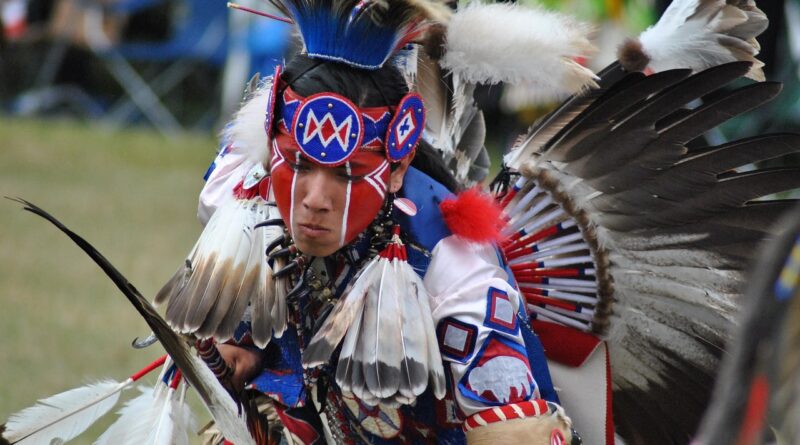
Native American feather tattoo meaning and respectful design ideas
What a Native American feather tattoo usually means
A Native American feather tattoo is often chosen to express honor, courage, spiritual connection, protection, remembrance, or respect for nature. Its meaning becomes more specific when the design suggests an eagle feather, a ceremonial plume, a headdress, a particular tribal pattern, or a known cultural tradition. For that reason, this tattoo should not be treated as a simple decorative symbol.
In Native communities, feathers may be connected to ceremony, prayer, leadership, family history, military service, healing, and earned respect. For someone outside those communities, the safest approach is to understand the cultural weight of the image, avoid copying sacred or earned regalia, and choose a design that has personal meaning without pretending to represent a tribal identity.
For more background on symbolism across tattoo styles, browse our tattoo meanings guide.
Why feather symbolism needs cultural context
The phrase Native American covers many distinct peoples, nations, languages, and cultural traditions. A design that is meaningful in one community may not carry the same meaning in another. As of the Bureau of Indian Affairs’ January 30, 2026 Tribal Leaders Directory, the United States listed 575 federally recognized tribes. That number alone shows why there is no single universal Native American feather meaning.
Public educational materials from the Smithsonian’s National Museum of the American Indian and the Smithsonian Center for Folklife and Cultural Heritage consistently emphasize that Native clothing, regalia, and ceremonial objects are specific to people, place, responsibility, and occasion. In other words, a feather is not always just a feather. It may represent an honor received, a prayer practice, a family relationship, or a role within a community.
This matters in tattoo design because modern tattoo flash often blends several Native-inspired elements into one generic image: a feather, arrows, beads, a dreamcatcher, a wolf, a skull, or a woman wearing a Plains-style headdress. These designs may look familiar, but they can flatten many living cultures into one stereotype. A respectful tattoo starts by asking what the image is referencing and whether the wearer has a real connection to that reference.
Common meanings associated with feather tattoos
Feather tattoos are popular partly because they hold layered meanings even outside Native contexts. A light feather can suggest freedom, movement, air, travel, or release. A falling feather may symbolize grief, memory, or a message from someone who has died. A feather paired with a name or date often becomes a memorial tattoo. When the feather is described as Native American or designed to resemble an eagle feather, the meaning becomes more culturally sensitive.
| Design element | Common reading | Cultural note |
|---|---|---|
| Single feather | Freedom, memory, lightness, personal growth | Can be designed as a general nature symbol if it avoids tribal claims |
| Eagle feather | Honor, prayer, courage, spiritual responsibility | Highly significant in many Native traditions and should be handled with care |
| Feather with beads | Connection to craft, ancestry, or regalia | Specific beadwork patterns may belong to particular communities |
| Feather with arrow | Direction, focus, defense, life path | Avoid presenting generic arrow symbols as tribal heritage without research |
| Feather headdress | Leadership, warrior imagery, status | Often the most sensitive choice because warbonnets are not universal and are not costume |
These are general interpretations, not tribal definitions. If you want a tattoo connected to a specific Native nation, family line, ceremony, language, or clan, general internet symbolism is not enough. The more specific the design becomes, the more important it is to seek community-grounded guidance.
The eagle feather and why it is different
An eagle feather tattoo deserves special attention. The U.S. Fish and Wildlife Service states in its public guidance that Native Americans have long used eagle remains, parts, and feathers for religious and cultural purposes, including ceremonies and traditional regalia. The agency’s National Eagle Repository was established in the early 1970s to provide bald and golden eagle remains, parts, and feathers to enrolled members of federally recognized tribes for spiritual and religious use.
Federal law also treats real eagle feathers differently from ordinary decorative feathers. The Bald and Golden Eagle Protection Act, first enacted in 1940 and later amended, restricts taking, possessing, transporting, or selling bald and golden eagles, including parts and feathers, unless a legal exception or permit applies. A tattoo of an eagle feather is not the same as possessing a real feather, but the law shows how culturally and legally significant eagle feathers are in the United States.
In tattoo form, an eagle feather may be read as honor, bravery, prayer, leadership, protection, or a link between the earthly and spiritual worlds. Those meanings should not be used casually. If the tattoo is chosen only because it looks exotic, it can come across as borrowing sacred imagery without understanding its place in living Native traditions.
Cultural respect and appropriation concerns
The main concern with a Native American feather tattoo is not the feather shape itself. The concern is misrepresentation. The National Congress of American Indians has repeatedly criticized unsanctioned Native-themed mascots, caricatures, and symbols because they can reduce Native peoples to stereotypes. The same concern applies when tattoo designs rely on generic warrior faces, sexualized Native women, skulls in headdresses, or costume-like warbonnets.
A Plains-style feather headdress is especially sensitive. In popular culture, it is often treated as a universal symbol of all Native people. In reality, it is associated with particular Plains traditions and with earned honor, leadership, and responsibility. A headdress tattoo worn without connection or context can suggest that sacred or earned regalia is being used as decoration.
Respectful design does not mean every feather tattoo is forbidden. It means the wearer should be honest about connection, avoid false claims, and choose imagery that does not turn another people’s spiritual or cultural identity into an aesthetic. The Native American Rights Fund has also described eagle feathers and plumes as comparable to other religious objects in their importance for Native students and families in graduation and religious freedom cases. That framing is useful for tattoo clients: if you would treat another community’s sacred object with caution, treat eagle feather imagery the same way.
Design ideas that keep the meaning clear
If you are Native and the tattoo relates to your own nation, family, ceremony, or personal history, the most meaningful design direction usually comes from your community rather than from generic tattoo flash. That may mean consulting relatives, cultural teachers, tribal artists, or Native tattooers who understand the boundaries of what can and cannot be shared publicly. See also: tattoo care.
If you are not Native but feel drawn to feather symbolism, consider a design that focuses on personal meaning rather than borrowed identity. A general feather from a local bird, a memorial feather with initials, or an abstract feather about recovery can still be meaningful without claiming Native heritage. It is also better to avoid terms such as tribal, warrior, chief, or medicine unless the design has a real and specific cultural basis.
- For remembrance: Use a soft single feather with a date, name, initials, or small botanical element connected to the person remembered.
- For resilience: Choose a feather with broken but repaired barbs, suggesting survival without copying ceremonial regalia.
- For spiritual growth: Consider a minimal feather with open space, wind lines, or sky imagery rather than sacred symbols you do not belong to.
- For ancestry: If you have Native ancestry, identify the specific nation, community, and family context before choosing visual motifs.
- For nature connection: Base the design on a real bird species meaningful to your region or life story, not a generic Native-inspired template.
It is also wise to avoid copying beadwork, clan marks, ceremonial fans, language, sacred bundles, or named tribal designs from museum images or social media. Public visibility does not automatically mean a design is free to use as body art.
Placement, style, and readability
Feather tattoos can be delicate, but delicate designs still need enough space to age well. Thin barbs, tiny bead details, and fine line shading may blur over time if the tattoo is too small. A forearm, upper arm, calf, shoulder blade, rib panel, or thigh usually gives the artist more room to show the feather’s structure.
Style also changes the message. Fine line feathers tend to feel quiet and personal. Blackwork feathers can feel stronger and more symbolic. Realistic eagle feathers may point more directly toward Native ceremonial meaning, especially when combined with beads, leather wraps, or headdress elements. Watercolor feathers can move the design toward a general artistic interpretation, but the cultural question still depends on the shapes and symbols included.
Before the appointment, prepare a short explanation of what the tattoo means to you. If that explanation depends on vague ideas such as Native spirit, warrior blood, or ancient tribal energy, the design probably needs more thought. If the explanation is personal, specific, and honest, the tattoo is more likely to feel grounded rather than borrowed.
Frequently asked questions
Is a Native American feather tattoo offensive?
It can be, depending on the design and the wearer’s relationship to it. A general feather used for memory or personal growth is different from a tattoo that copies sacred regalia, headdresses, tribal designs, or stereotyped Native imagery. Context, accuracy, and humility matter.
What does an eagle feather tattoo mean?
An eagle feather tattoo is often associated with honor, courage, prayer, leadership, and spiritual connection. In many Native traditions, eagle feathers carry sacred importance, so this design should not be treated as a casual symbol of freedom only.
Can non-Native people get a feather tattoo?
Non-Native people can choose feather tattoos, but they should avoid claiming tribal identity or copying ceremonial objects. A personal feather design based on nature, memory, or resilience is usually less problematic than a Native-themed headdress, warrior portrait, or sacred-looking eagle plume.
Is a feather headdress tattoo different from a single feather?
Yes. A single feather can have broad symbolic meanings. A feather headdress points toward specific forms of Native regalia, especially Plains-style warbonnets, and carries much higher cultural sensitivity because such regalia is connected to earned honor and community responsibility.
Is an eagle feather tattoo illegal?
A tattoo image is not the same as possessing a real eagle feather. However, real bald and golden eagle feathers are regulated under U.S. federal law, with specific provisions connected to Native religious and cultural use. If your question involves an actual feather, check official rules rather than relying on tattoo symbolism.
The takeaway
A Native American feather tattoo can be meaningful, but it should be chosen with more care than a generic nature tattoo. The strongest designs are specific about personal meaning and careful about cultural boundaries. If the image points toward eagle feathers, headdresses, regalia, or tribal identity, slow down, research the source, and ask whether the design honors a living culture or simply borrows from it. Respectful ink is not only about how the tattoo looks; it is also about what the wearer understands, claims, and refuses to misuse.