
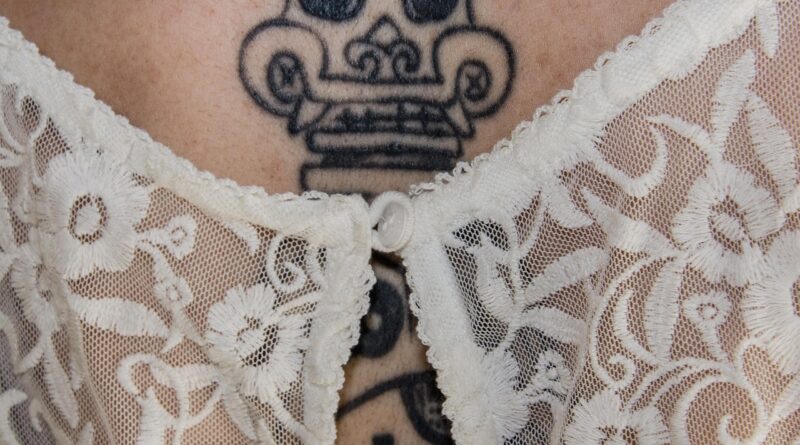
Noa Polynesian tattoo symbols and how to read them respectfully
What noa means in Polynesian tattoo symbolism
Noa Polynesian tattoo symbols are better understood as a search for culturally open or non-restricted design elements, not as a fixed symbol alphabet. In Māori usage, noa is often explained in contrast to tapu: common, ordinary, released from sacred restriction, or made safe for everyday contact. In tattoo culture, that does not mean empty or meaningless. A noa-inspired design can still express family, movement, protection, resilience, or a personal life story. It simply should not claim a sacred role, genealogy, rank, ceremony, or community authority that the wearer does not have.
This distinction matters because Polynesian tattooing is not one generic style. Sāmoan tatau, Māori tāmoko, Marquesan tattooing, Tahitian patterns, Hawaiian kākau, and other Pacific traditions each have their own histories, protocols, words, placements, and visual grammar. Public sources such as the Museum of New Zealand Te Papa Tongarewa, the Intellectual Property Office of New Zealand, Te Aka Māori Dictionary, and the Australian Museum point to a consistent lesson: marks on the body may carry identity, status, protection, role, lineage, and ceremony. A respectful design begins by asking what is open, what is restricted, and who has the authority to interpret it.

Noa is a cultural status, not a universal motif list
The most common mistake is treating noa as a category on a tattoo flash sheet: turtle equals noa, shark teeth equals noa, tiki equals tapu, and so on. Real tattoo meaning is more layered. A motif may be appropriate in one composition but become sensitive when copied from a family tattoo, placed on the face, linked to a deity, or presented as a traditional mark from a community the wearer does not belong to.
Three levels usually shape meaning:
- Motif: The individual sign, such as waves, spearheads, turtle forms, human figures, shark teeth, or spirals.
- Arrangement: The way motifs connect, repeat, face one another, or build a visual story across the body.
- Placement: The body area, which can change the cultural weight of a design. Facial, thigh, groin, and ceremonial placements may carry responsibilities that are not present in a decorative arm band.
For that reason, a more accurate phrase than “noa symbols” is “symbols that may be appropriate for a noa or Polynesian-inspired design when chosen with guidance.” This keeps the focus on context rather than shortcut meanings.
Key concepts to know before choosing a design
| Concept | Plain-language meaning | Why it matters for tattoo design |
|---|---|---|
| Noa | Common, unrestricted, or released from tapu in Māori cultural explanation | Useful when discussing designs that do not claim sacred rank, genealogy, or ceremony |
| Tapu | Sacred, restricted, protected, or set apart | Some motifs, names, placements, or ceremonies should not be copied casually |
| Mana | Authority, prestige, spiritual force, or inherited dignity | A tattoo can imply status or responsibility, not just decoration |
| Whakapapa or gafa | Genealogy, descent, family connection, and relational identity | Genealogical marks should not be borrowed from another person or community |
| Kirituhi | A Māori term often used for skin art not carrying the full cultural aspects of moko | Non-Māori collectors should ask about kirituhi rather than calling a Māori-inspired tattoo tā moko |
These words are not interchangeable across all Pacific cultures, but they help explain why a Polynesian-looking tattoo can be more than an attractive geometric sleeve. A person may want a design about travel, family, or courage; a traditional practitioner may also be considering ancestry, obligations, ceremonial readiness, or the difference between personal storytelling and cultural claims.
Motifs often adapted in noa or Polynesian-inspired designs
The following motifs appear widely in contemporary Polynesian-inspired tattooing. They can be part of a respectful custom design, but they should not be treated as automatic permissions. Meanings shift by island tradition, artist, lineage, and placement.
| Motif | Common contemporary associations | Respect note |
|---|---|---|
| Ocean waves | Journey, change, navigation, life movement, connection to the sea | Often adaptable, but exact family or regional patterns should not be copied from another person |
| Spearheads | Courage, defense, focus, discipline, readiness | Usually safer when used as an inspired geometric element rather than a claim to warrior status |
| Shark teeth or niho-style triangles | Protection, strength, adaptability, survival | Context matters because sharks may hold ancestral or guardian significance in some traditions |
| Turtle or honu forms | Longevity, family, home, navigation, calm endurance | Popular does not mean culturally neutral; avoid reducing a meaningful ocean symbol to tourist decoration |
| Human figures or enata-like forms | Family, community, relationships, ancestors, life events | Be careful when the figure represents ancestry, rank, or a named relative line |
| Sun forms | Life, leadership, energy, renewal, time cycles | Meaning depends on the surrounding symbols and the artist’s tradition |
| Manta ray or ray forms | Grace, protection, ocean identity, quiet strength | Regional meanings differ; ask whether the form has local restrictions |
| Koru-like spirals | Growth, renewal, unfolding life, new beginnings | In Māori visual culture, discuss whether the work is kirituhi rather than moko |
A useful rule is this: common motifs may be easier to adapt, but copied compositions are rarely respectful. A custom design based on the wearer’s story, shaped by an artist who understands the tradition they are working in, is very different from lifting a sleeve from a search result, museum image, athlete, warrior figure, or another wearer.
Tapu contexts to avoid or approach with special guidance
If noa means a design is not under sacred restriction in a particular context, tapu marks the opposite boundary. That boundary is not always visible to outsiders. A simple-looking line, placement, or negative-space pattern may carry a specific responsibility for people who know the tradition.
Approach the following with caution:
- Facial moko and chin markings: In Māori culture, moko can connect to identity, genealogy, status, and role. Non-Māori collectors should not treat these as fashion placements.
- Sāmoan peʻa and malu references: The Australian Museum describes peʻa and malu as gendered Sāmoan tattoo forms connected with adulthood, protection, service, and ceremony. Their names and structure should not be borrowed casually for a decorative tattoo.
- Deity, chief, warrior, or priestly symbols: Any design claiming sacred authority, divine connection, or rank needs cultural authority, not internet interpretation.
- Copied ancestral designs: A tattoo worn by a specific person may encode their family, achievements, obligations, and community position.
- Museum artifacts and historical photographs: They are valuable for learning, but not every documented mark is available for reuse.
- Generic “tribal” flash: The word tribal often erases the real people, languages, and histories behind the design.
This does not mean respectful cultural exchange is impossible. It means the wearer should not decide alone that something is open simply because it appears online or looks geometric.
How to plan a respectful noa-inspired Polynesian tattoo
A good design brief begins with your own story, not with a request for a sacred-looking sleeve. For more background on related body-art traditions, explore our tattoo culture archive, then bring specific, thoughtful questions to an experienced artist. See also: tattoo care.
Start with meaning before motif
Write down what you want the tattoo to express: family support, a difficult crossing, a new home, protection, grief, recovery, travel, faith, or responsibility. An artist can translate those themes into pattern, flow, and placement without copying someone else’s culturally specific mark.
Ask the right artist questions
- Which island tradition or visual language are you drawing from?
- Which parts of this design are personal, decorative, or noa in your view?
- Are any motifs, placements, or names tapu or restricted?
- Is this closer to kirituhi, contemporary Polynesian-inspired work, or a traditional practice?
- What should I avoid saying about the tattoo after it is finished?
Choose placement with care
Arms, shoulders, calves, and back panels are common locations for contemporary Polynesian-inspired work. That does not make every motif safe in every placement, but it reduces the risk of accidentally claiming a facial, ceremonial, or lineage-specific role. If an artist tells you a placement is inappropriate, treat that as guidance rather than a sales obstacle.
Be honest about identity
A respectful wearer can say, “This is a custom Polynesian-inspired tattoo made to represent my family and journey,” if that is true. They should not call it a traditional tatau, tā moko, peʻa, malu, or ancestral mark unless it was created through the relevant cultural process and authority. The language used after the tattoo matters as much as the design itself.
Frequently asked questions
Is noa a Polynesian tattoo symbol?
No. Noa is better understood as a cultural concept rather than a single symbol. In Māori explanation, it contrasts with tapu and can refer to what is common, unrestricted, or released from sacred restriction. In tattoo discussion, people may use it to ask which designs are more open or appropriate, but the answer depends on context.
Can a non-Polynesian person get a noa Polynesian tattoo?
A non-Polynesian person can commission Polynesian-inspired work in some contexts, especially when it is custom, transparent, and guided by an artist with cultural knowledge. The key is not to claim ancestry, rank, ceremony, or sacred identity. If the design draws from Māori visual culture, ask whether kirituhi is the more accurate term.
Are turtles, waves, and shark teeth always noa?
No. These motifs are common in contemporary designs, but none is automatically noa in every tradition or placement. A turtle may represent family and longevity in one design, while a specific turtle composition may belong to a person, family, region, or sacred story. The same caution applies to waves, shark teeth, human figures, and spirals.
What is the difference between noa and kirituhi?
Noa describes a state or relationship to tapu in Māori cultural explanation. Kirituhi is a Māori term often used for skin art or tattooing that does not carry the full cultural aspects of moko. They overlap in practical conversations about respectful tattooing, but they are not the same word and should not be used as direct substitutes.
How do I avoid cultural appropriation?
Avoid copying another person’s tattoo, do not use sacred names or ceremonial placements without authority, and do not describe your tattoo as traditional if it is inspired or decorative. Work with an informed artist, ask what each element means, and be willing to simplify the design if a motif is not yours to wear.
The takeaway for collectors
The safest way to understand noa Polynesian tattoo symbols is to move away from the idea of a universal symbol chart. Noa is about cultural permission, everyday use, and release from restriction; tattoo meaning is built through motif, arrangement, placement, artist knowledge, and wearer responsibility. A respectful tattoo can still be personal, visually strong, and meaningful without borrowing sacred marks. The best design is not the one that looks the most traditional to outsiders, but the one that tells an honest story without pretending to hold someone else’s lineage, status, or ceremony.