
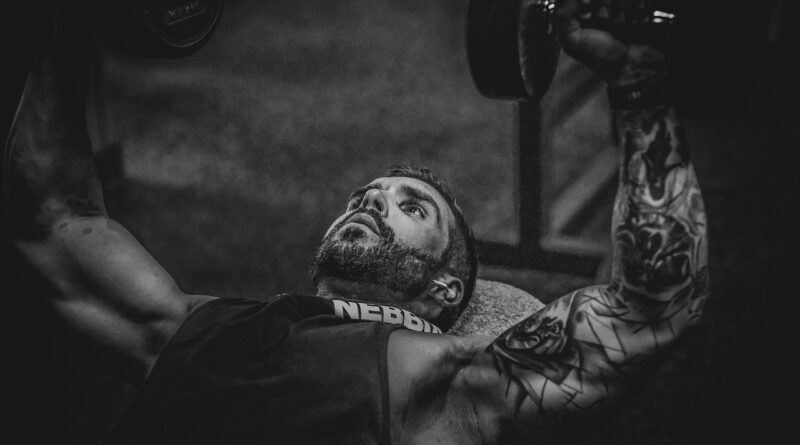
Tattoo positions on body and how to choose the right placement
What tattoo position really changes
Choosing among different tattoo positions on body is not only about where a design looks good on the day it is finished. Placement affects how visible the tattoo is, how much discomfort you may feel, how the area heals, how often it rubs against clothing or shoes, how the design moves with the body, and whether the artwork has enough space to stay readable.
A small word tattoo can work well on the wrist or collarbone. A detailed portrait usually needs a flatter, broader area such as the upper arm, thigh, calf, back, or chest. The most useful way to choose a tattoo position is to compare four factors together: how visible you want it to be, how much discomfort you can tolerate, how the area moves or rubs during daily life, and whether the placement supports the shape and scale of the artwork.
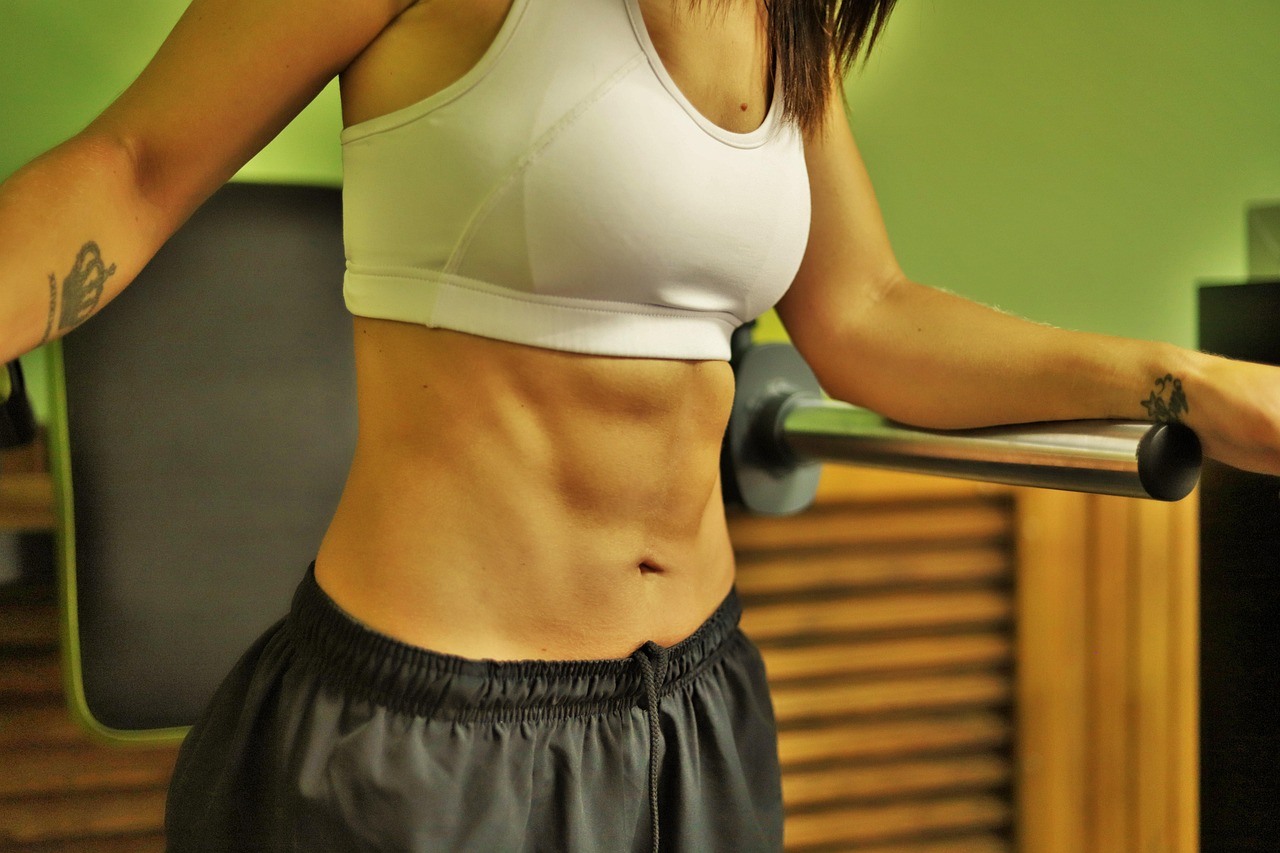
This guide focuses on placement decisions rather than style trends. For a broader library of placement ideas, see the tattoo placements section.
A practical placement map by body area
Most tattoo positions can be grouped into visible, semi-visible, and private areas. That distinction matters because a tattoo is a long-term body mark. The right position should fit your work environment, clothing habits, climate, and comfort with attention from others.
| Body position | Visibility | Typical design fit | Placement notes |
|---|---|---|---|
| Forearm | High | Script, symbols, florals, illustrative pieces, geometric designs | Easy to see and easy to show, but harder to hide with short sleeves. |
| Upper arm | Medium | Medium designs, half sleeves, animals, ornamental work | One of the more flexible positions because it can be shown or covered. |
| Wrist | High | Small symbols, initials, fine-line designs | Limited space; frequent movement and exposure can make aftercare less forgiving. |
| Shoulder | Medium | Round designs, floral pieces, mandalas, tribal-inspired patterns | Works well with the natural curve of the body. |
| Back | Low to medium | Large compositions, symmetrical work, script, landscape-style pieces | Offers the largest uninterrupted canvas, although the wearer sees it less often. |
| Chest | Low to medium | Centered designs, lettering, ornamental pieces, meaningful symbols | Strong visual impact; the shape should account for body movement and clothing lines. |
| Ribs | Low | Vertical script, fine-line artwork, botanical designs | Private and elegant, but often considered more uncomfortable because there is thin padding over bone. |
| Thigh | Low to medium | Large florals, portraits, animals, abstract designs | Good space for detail and easier to cover in many settings. |
| Calf | Medium | Vertical designs, illustrative work, lettering, animals | Readable from a distance and usually easier to display in warm weather. |
| Ankle and foot | Medium | Small symbols, bands, minimal designs | Often exposed to shoe friction and movement, so careful aftercare matters. |
| Hand, fingers, neck, face | Very high | Small symbols, lettering, ornamental details | Highly visible and harder to conceal; many artists treat these as advanced placement choices. |
How visibility should guide your choice
Visibility is often the first practical filter. A visible tattoo can feel expressive, but it also becomes part of your everyday appearance. Forearms, hands, fingers, neck, face, and lower legs are more likely to be noticed in ordinary clothing. Upper arms, shoulders, thighs, ribs, chest, and back give more control because they can be covered or revealed depending on what you wear.
If this is your first tattoo, a semi-visible position often gives the most flexibility. The upper arm, outer shoulder, calf, or thigh lets you live with the tattoo without making every outfit or professional setting revolve around it. If you already have tattoos and understand how visible ink affects your daily routine, hands, neck, and other high-exposure areas may feel more appropriate, but they call for a more deliberate decision.
Visibility also affects how a design reads. A detailed tattoo on a constantly moving or very small visible area may lose clarity faster than the same idea on a larger surface. A complex design that looks balanced on the back or thigh may feel crowded on the wrist. A simple symbol that works on the wrist may look underdeveloped if enlarged across the chest. Placement and scale should be decided together.
Pain, skin, and movement considerations
Pain is personal, but placement patterns are not random. Areas with thin skin, less padding, more nerve endings, or bone close to the surface are often described as more uncomfortable. Ribs, sternum, elbows, knees, ankles, feet, spine, hands, and fingers often appear on higher-pain placement lists for this reason. More padded areas such as the outer upper arm, outer thigh, and calf are often considered more manageable, although individual experience varies.
Movement matters because a fresh tattoo is healing skin. Positions that bend, stretch, rub against clothing, or sit inside shoes may require more careful planning. Elbows, knees, wrists, fingers, ankles, feet, waistline areas, and inner arms can be affected by repeated motion or friction. These positions are not automatically poor choices, but the size, style, appointment timing, and aftercare routine should be realistic.
Public health sources such as the U.S. Food and Drug Administration describe tattoos as permanent designs created by inserting ink into the skin with needles, and they note that infections and allergic reactions can occur, including from contaminated inks. Dermatology guidance also emphasizes protecting healed tattoos from sun exposure and seeking medical advice for unusual reactions. In placement terms, areas that receive more sun, sweat, friction, or shaving need extra attention before and after the appointment.
Matching design type to body position
A strong placement decision starts with the design’s shape. A tattoo should feel like it belongs on the body rather than simply sitting on top of it. Long, narrow designs often work well on the forearm, spine, ribs, calf, or side of the thigh. Circular or radial designs can suit the shoulder cap, elbow area, knee area, chest center, upper back, or sternum. Wide compositions often need the back, chest, thigh, stomach, or upper arm.
Small tattoos
Small tattoos can be effective on the wrist, ankle, behind the ear, inner arm, collarbone, fingers, or side of the rib. The main limitation is detail. Tiny lettering, micro portraits, and dense symbols can blur visually over time if the design is too compressed. A simple outline, short word, small icon, or minimalist floral element usually reads better than a miniature version of complex artwork.
Lettering and script
Script needs enough length and breathing room. Forearms, ribs, collarbones, upper chest, spine, and outer thighs are common choices because they allow words to follow a natural line. Very small lettering on fingers, wrists, or ankles can look delicate at first, but it may be harder to preserve clean spacing. The more important the words are, the more space they usually deserve.
Large custom pieces
Large designs need a position that supports both scale and possible future additions. Upper arm placements can develop into sleeves. Thigh pieces can expand toward the hip or knee. Back pieces can become full-back compositions. Chest designs can connect to shoulders, arms, or stomach. If you think you may want more tattoos later, leave room for a coherent layout rather than placing unrelated designs randomly across prime body areas.
Placement choices for first tattoos
For many first tattoos, the most practical choice is not the boldest or the most hidden position. It is the placement that balances comfort, visibility, and design clarity. The outer upper arm, outer forearm, calf, shoulder, and outer thigh are popular starting points because they provide workable space and do not usually involve the most difficult healing conditions. These positions also let the wearer decide how visible the tattoo should be in daily life.
Ribs, sternum, spine, feet, hands, fingers, neck, and face require more caution for a first piece. Some are more painful for many people, some are harder to hide, and some are more exposed to friction or movement. A first tattoo in one of these positions is still possible, but it should be chosen for a clear reason rather than because it looks dramatic in a photo. See also: tattoo care.
A useful first-tattoo checklist includes:
- Can the design still read clearly from a normal viewing distance?
- Can you cover the tattoo when you want privacy or professional flexibility?
- Will clothing, shoes, watch bands, waistbands, or jewelry rub the area while it heals?
- Is the placement large enough for the level of detail in the artwork?
- Will you still like the tattoo when it is seen from different angles, not only in a flat reference image?
How placement affects aging and long-term appearance
All tattoos change as skin changes. Placement influences how noticeable those changes may be. Areas that receive frequent sun exposure, friction, stretching, or repeated bending may need more maintenance over time. Hands, fingers, feet, elbows, knees, and high-friction areas are commonly discussed as more demanding placements because they are constantly used and exposed. By contrast, upper arms, thighs, back, and shoulders often provide more stable canvases, although no placement is immune to aging.
Sun exposure is one of the clearest long-term concerns. Dermatology sources commonly recommend protecting tattooed skin from ultraviolet exposure, and many advise broad-spectrum sunscreen on healed tattoos when they are exposed outdoors. For placement decisions, that matters: forearms, hands, shoulders, neck, calves, and feet may need more consistent sun protection than tattoos usually covered by clothing.
Weight change, muscle development, pregnancy, and aging can also alter how skin sits on the body. This does not mean tattoos in areas such as the stomach, chest, hips, or thighs should be avoided. It means designs should be planned with natural body movement in mind. Organic designs, flowing compositions, and artwork that follows the body’s shape may adapt visually better than rigid shapes placed across highly changeable areas.
A simple decision framework
When comparing tattoo positions on body, avoid choosing by pain charts or social media images alone. A better decision comes from ranking your priorities. If privacy is most important, start with ribs, back, chest, hip, thigh, or upper arm. If daily visibility matters, consider forearm, wrist, calf, or shoulder. If design detail is the priority, choose a larger and flatter surface. If this is your first tattoo, consider a placement with moderate visibility and manageable aftercare.
Use this order when narrowing the decision:
- Start with the design shape. Decide whether the artwork is vertical, horizontal, circular, small, or large.
- Set your visibility level. Choose whether you want the tattoo seen daily, occasionally, or rarely.
- Consider movement and friction. Think about clothing, work routines, exercise, shoes, jewelry, and sleep position.
- Discuss scale with the artist. A skilled artist can explain whether the idea needs more space to age well.
- Plan for future tattoos. Leave room if you may want a sleeve, back piece, leg piece, or connected layout later.
The best placement is not universal. It is the position where your design, lifestyle, pain tolerance, and long-term expectations meet. A tattoo should look intentional from a distance, hold enough detail up close, and fit the way you actually live.
Frequently asked questions
What is the most common tattoo position for beginners?
The outer upper arm, forearm, shoulder, calf, and thigh are common beginner-friendly choices because they offer enough space for clear designs and can often be shown or covered depending on clothing. They are not painless, but they are usually more practical than highly visible or high-friction areas such as fingers, feet, or neck.
Which tattoo positions are easiest to hide?
Back, ribs, chest, hip, upper thigh, stomach, and upper arm placements are generally easier to hide with normal clothing. The exact answer depends on your wardrobe, climate, job, and whether you wear short sleeves, sleeveless tops, shorts, or open shoes.
Where should I place a small tattoo?
Small tattoos often work well on the wrist, inner arm, ankle, collarbone, behind the ear, side rib, or upper arm. Keep the design simple. If a small tattoo includes too much lettering or detail, it may not stay visually clear over time.
Are hand and finger tattoos a good idea?
Hand and finger tattoos can look striking, but they are highly visible and exposed to frequent movement, washing, sun, and friction. They are better suited to people who understand the social visibility and maintenance expectations of these placements.
Should placement come before design or after design?
They should be developed together. The design determines how much space and what body shape it needs, while the placement determines visibility, scale, and how the artwork will move with the body. A good placement decision usually comes from adjusting both at the same time.