
Japanese tattoo meanings and how traditional motifs work together
What Japanese tattoo meanings depend on
Japanese tattoo meanings are not a simple code in which a dragon always means one thing and a koi always means another. In traditional Japanese tattooing, often discussed in English as irezumi, meaning comes from the main subject, flowers, season, background, body placement and the movement of the overall composition. A koi can suggest perseverance, but waves, maple leaves, direction, scale and neighboring motifs all affect how the design reads. A dragon may suggest wisdom, protection and power, while clouds, water and floral pairings can change its mood. This guide explains common symbols and shows why a strong Japanese tattoo works as a complete visual story, not just a list of icons.
For related symbolism across styles, visit our tattoo meanings section.
The words behind Japanese tattooing
The word irezumi is commonly understood as inserting ink, and in English it is often used for Japanese-style tattooing in general. In Japan, however, the word can carry heavier historical associations because tattooing was used as punishment in some periods. Traditional tattoo artists and collectors may also use terms such as horimono, meaning something carved, or wabori, meaning Japanese carving or Japanese-style tattooing. These terms are not used in exactly the same way by every person, but they show why traditional Japanese tattooing is often discussed as a craft with its own vocabulary, conventions and rules.
The visual language most people recognize today developed strongly during the Edo period, from 1603 to 1868. Woodblock prints, popular theater, folklore and serialized stories helped shape the dramatic figures, animals, waves and clouds that later appeared across backs, sleeves and bodysuits. Museum notes from institutions such as The Metropolitan Museum of Art and the British Museum often connect Edo-period print culture with artists including Utagawa Kuniyoshi, whose warrior prints helped popularize tattooed heroic figures linked to the Chinese tale known in Japanese as Suikoden.
This background matters because many Japanese tattoos are not isolated decorations. They borrow the logic of prints, stage drama and seasonal painting. A sleeve can read like a moving scene, while a backpiece can place the wearer inside a heroic, mythic or protective story.
Common Japanese tattoo motifs and their meanings
The table below gives a practical overview of popular motifs. These meanings are common contemporary readings, not fixed rules. A careful artist may interpret a motif through older stories, regional conventions, personal placement and the other elements in the tattoo.
| Motif | Common meaning | Often paired with | Notes for interpretation |
|---|---|---|---|
| Dragon or ryu | Wisdom, protection, strength and controlled power | Clouds, waves, wind bars, peonies or chrysanthemums | Japanese dragons are usually read as wise and protective rather than purely destructive. |
| Koi | Perseverance, endurance and ambition | Water, waves, maple leaves, lotus or dragon imagery | The carp overcoming strong currents is a central reading; some designs allude to transformation into a dragon. |
| Tiger | Courage, resilience and protection against harm | Bamboo, wind, rocks or autumn leaves | Tigers are often used to balance dragon energy in larger compositions. |
| Phoenix or hoo | Renewal, virtue, harmony and noble rebirth | Peonies, paulownia, clouds or flames | The phoenix can soften a composition with elegance while still carrying dramatic presence. |
| Snake | Renewal, protection, healing and good fortune | Peonies, chrysanthemums, skulls or water | The shedding of skin makes transformation a strong theme. |
| Hannya mask | Jealousy, grief, passion and transformation | Maple leaves, waves, snakes or flames | From Noh theater, the hannya is not simply evil; it represents emotion becoming dangerous. |
| Oni | Fearsome power, punishment, defense and wild force | Flames, weapons, storm clouds or Buddhist figures | Oni designs can be protective when used to confront evil with frightening strength. |
| Fudo Myoo | Immovable resolve, discipline and protection | Flames, rope, sword, rocks or waterfalls | This Buddhist figure should be handled with particular respect because of its religious meaning. |
| Shishi or guardian lion-dog | Protection, courage and guardianship | Peonies, clouds or temple-inspired elements | Often used as a bold guardian motif with strong movement. |
| Samurai or warrior | Discipline, loyalty, duty and courage | Armor, banners, waves, blossoms or battle scenes | The meaning depends heavily on the specific historical or fictional figure shown. |
Flowers, seasons and background elements carry meaning too
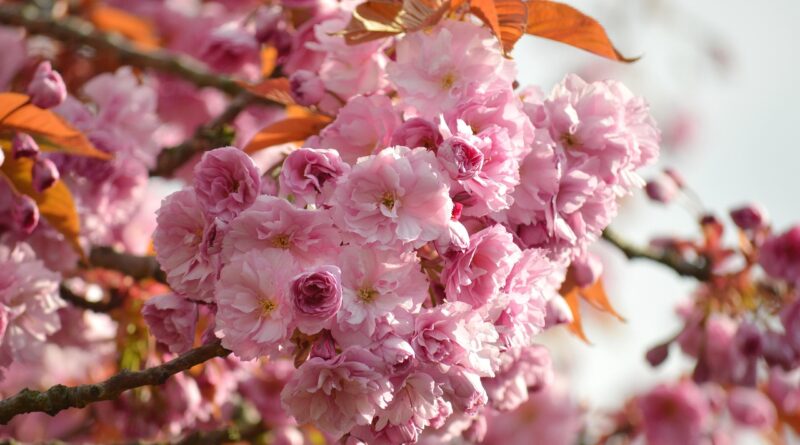
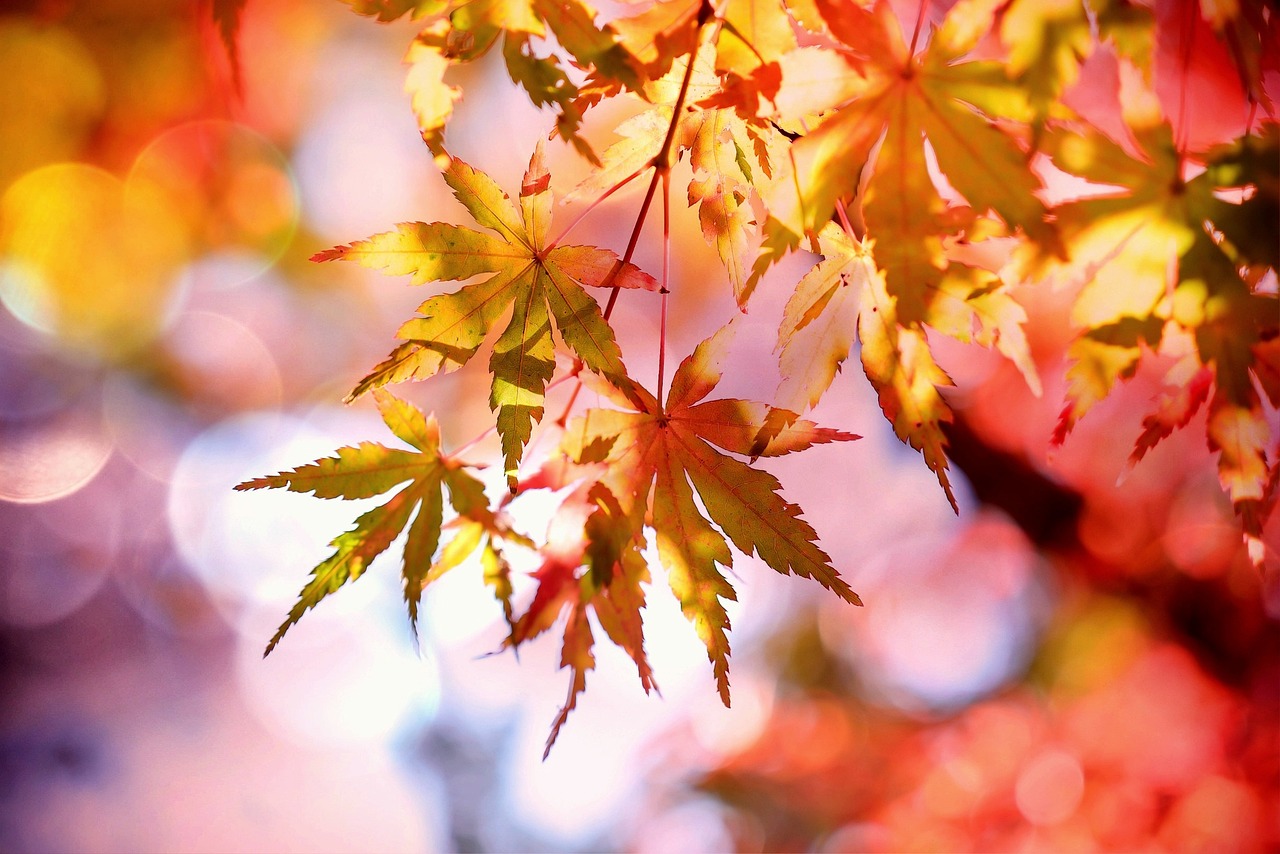
Japanese tattoo meanings become clearer when the secondary elements are read carefully. Flowers are not filler. They can set season, emotion and tone. Cherry blossoms, or sakura, are strongly associated with spring, beauty and impermanence. Their short bloom makes them a natural symbol for the fragile nature of life. Peonies, often called the king of flowers in East Asian art contexts, can suggest bravery, wealth, elegance and bold beauty. Chrysanthemums are associated with autumn, longevity and nobility. Lotus flowers suggest purity, spiritual growth and rising above difficulty because they bloom from muddy water. Maple leaves, or momiji, signal autumn and change.
Backgrounds are just as important. Water supports koi, dragons and many deities because it gives the image motion and environment. Clouds and wind bars place figures in the sky or in a storm-like atmosphere. Rocks can suggest endurance and grounded strength. Flames intensify Buddhist guardian figures, oni or scenes of fierce transformation.
A common mistake is to treat every attractive element as interchangeable. A spring cherry blossom, an autumn maple leaf and a summer lotus can each be meaningful, but mixing them without purpose may weaken the traditional reading. Some contemporary tattoos intentionally blend seasons for personal reasons. In a more traditional composition, however, seasonal consistency helps the whole piece feel coherent.
How composition changes the meaning
A Japanese tattoo is often designed as a complete composition before it is treated as a collection of symbols. The main subject carries the story, while the background creates flow across the body. This is why a sleeve, chest panel or backpiece can look powerful even from a distance. The viewer first sees movement and balance, then recognizes individual details.
Main subject
The main subject answers the first question: what is the tattoo about? A dragon-led tattoo may speak about wisdom and protection. A koi-led tattoo may speak about struggle and persistence. A hannya-led tattoo may speak about passion, jealousy, grief or the danger of uncontrolled emotion. Choosing the main subject before choosing secondary imagery keeps the piece focused.
Supporting motifs
Supporting motifs should deepen the main idea. A koi with strong water and autumn leaves emphasizes effort against current and seasonal movement. A snake with flowers can point toward renewal and beauty, while a snake with a skull may lean toward mortality and transformation. A tiger with bamboo can feel disciplined and resilient; a tiger in storm wind can feel more aggressive and protective.
Placement and scale
Traditional Japanese tattooing often favors large areas because the style depends on flow. A backpiece gives space for a central hero, deity or animal. A sleeve can follow the shoulder, arm and wrist with waves, clouds or wind. A chest panel can connect the torso to the arm. Smaller tattoos can still be meaningful, but very detailed motifs may lose clarity when compressed.
Cultural context and respectful choices
Japanese tattooing has a complicated social history. It is admired globally as a sophisticated art form, yet tattoos in Japan have also been linked at different times to punishment, social stigma and organized crime. Public tourism guidance from Japan has repeatedly noted that some hot springs, gyms and bathing facilities may restrict visible tattoos, although policies vary by location and some places are more flexible with visitors or small covered tattoos.
Respectful design begins with understanding that some motifs are religious, historical or culturally specific. Buddhist figures, temple guardians, samurai, geisha, Noh masks and family crests should not be chosen only because they look dramatic. If a design includes kanji, names, dates or sacred imagery, the meaning should be checked with a knowledgeable source before it is tattooed. A mistranslated character or randomly chosen crest can change the message completely. See also: tattoo care.
Respect also means avoiding the claim that there is only one authentic meaning. Japanese tattooing has lineages, regional preferences, modern adaptations and personal interpretations. A non-Japanese collector can approach the style thoughtfully by researching the motif, choosing an experienced artist, asking why certain elements belong together and being open to correction.
How to choose a Japanese tattoo with meaning
Start with the life theme you want the tattoo to carry. If the theme is endurance, a koi, tiger, Fudo Myoo or wave-heavy composition may fit. If the theme is transformation, a snake, phoenix, lotus or hannya mask may be stronger. If the theme is protection, consider dragons, guardian lion-dogs, tigers, Fudo Myoo or fierce oni. If the theme is acceptance of change, cherry blossoms, maple leaves, water and wind may support it more naturally than a warrior scene.
Next, decide whether you want a traditional reading or a contemporary Japanese-inspired design. A traditional approach usually asks more from the composition: seasonal consistency, strong background, bold scale and a limited group of related symbols. A contemporary approach may allow more mixing, but it still benefits from clear logic. A dragon, koi, snake, phoenix, hannya, lotus, maple leaves and flames all in one small space may contain many meanings, but it can also become visually and symbolically crowded.
Before committing, ask three practical questions:
- What is the main subject, and can it be recognized clearly at the planned size?
- Do the flowers, season and background support the main meaning?
- Is any religious, historical or written element being used accurately and respectfully?
If those questions have clear answers, the design is more likely to age well both visually and personally.
Frequently asked questions
What is the most common meaning of a Japanese dragon tattoo?
A Japanese dragon tattoo commonly represents wisdom, protection, strength and benevolent power. The final meaning depends on its expression, posture, background and pairings. A dragon in clouds can feel celestial and commanding, while a dragon with waves may emphasize elemental force and movement.
What does a koi fish tattoo mean in Japanese tattooing?
A koi tattoo usually represents perseverance, endurance and the ability to move through hardship. In many designs, strong water is essential because it shows the struggle that gives the koi meaning. Pairings with maple leaves, lotus or dragon imagery can shift the design toward seasonal change, spiritual growth or transformation.
Are hannya mask tattoos evil?
Not necessarily. A hannya mask comes from Noh theater and is often connected with jealousy, sorrow, anger and emotional transformation. In tattooing, it can warn against destructive passion or act as a protective image by confronting darker emotions directly.
Can different Japanese tattoo motifs be mixed?
They can, but they should be mixed with intention. Traditional compositions usually work best when the main subject, flower, season and background belong together. Mixing unrelated motifs only because each one has a good meaning can make the tattoo less coherent.
Do Japanese tattoos have to be large?
No, but the traditional style often benefits from scale. Dragons, koi, warriors and deities need space for movement, background and detail. Smaller tattoos can work when the design is simplified and the main subject remains readable.
The main takeaway
Japanese tattoo meanings are richest when they are read as compositions. A dragon, koi, hannya or phoenix has its own symbolism, but the tattoo becomes more meaningful when flowers, seasons, water, clouds, placement and cultural context support the same idea. The best approach is to choose one clear theme, build the design around it and treat the tradition with enough respect to understand why each element belongs.