
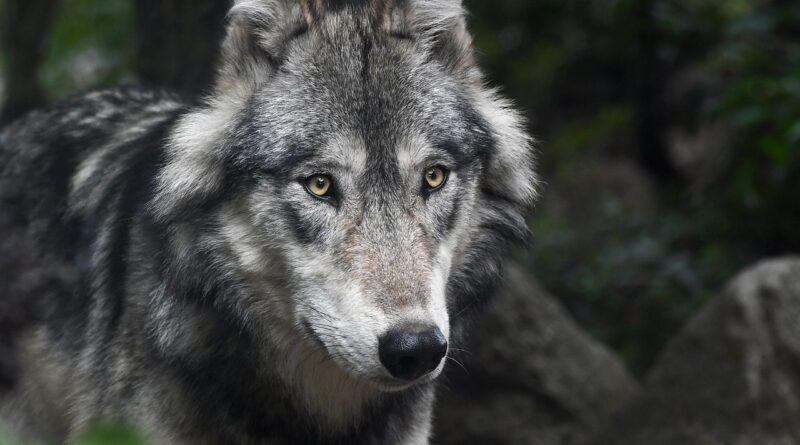
Wolf tattoo styles for meaningful and wearable designs
What makes a wolf tattoo work
Wolf tattoo styles can communicate loyalty, independence, family, protection, instinct, and resilience. The strongest designs, however, do more than place a wolf image on the skin. They connect the meaning with the right art style, placement, size, line weight, and level of detail. A realistic wolf portrait needs enough room for the eyes, muzzle, and fur texture to remain readable. A fine-line wolf needs restraint so it does not soften into a gray shape over time. A blackwork or geometric wolf relies on contrast, spacing, and clean structure. Before choosing a design, decide whether the tattoo should feel fierce, calm, spiritual, memorial, decorative, or symbolic.
For readers comparing broader tattoo styles, wolf designs are a useful example because the same subject can look completely different depending on technique.
Why wolf tattoos remain a strong design theme
Wolves are easy to recognize and flexible in meaning. A single wolf can suggest self-reliance or personal survival, while a pack scene can represent family, chosen community, or protection. The International Wolf Center describes a wolf pack as a cohesive family unit made up of adult parents and offspring. That is why pack-based designs often feel more accurate when they focus on bonds rather than simple dominance imagery. The distinction matters because many older tattoo concepts leaned heavily on the so-called alpha wolf idea, while more thoughtful modern designs often emphasize family structure, guidance, and cooperation.
Wolf tattoos also work across different levels of commitment. A small outline can sit on the wrist, ankle, or behind the ear. A shoulder or forearm piece can show a wolf head with mountains, pine trees, or a moon. A back, chest, thigh, or sleeve design can include a full-body wolf, forest scene, skull, compass, flowers, or abstract geometry. Because the subject scales well, it can suit a first tattoo or become part of a larger collection.
The theme also fits today’s broader tattoo culture. Pew Research Center reported in 2023 that 32% of U.S. adults had at least one tattoo, including 22% who had more than one. That does not mean every wolf tattoo should look trendy or casual. It means the design should hold up as a personal choice in a setting where originality, placement, and execution matter more than simply having ink.
Popular wolf tattoo styles and what each one does best
The right style depends on the mood you want, the size you can commit to, and the artist’s strengths. The table below compares common wolf tattoo approaches from a practical design perspective.
| Style | Visual effect | Works well for | Design caution |
|---|---|---|---|
| Realistic wolf tattoo | Detailed fur, eyes, muzzle, shadows, and natural expression | Portraits, memorial pieces, large forearm, shoulder, chest, back, or thigh tattoos | Needs enough size and tonal contrast to avoid muddy details |
| Blackwork wolf tattoo | Bold black shapes, strong contrast, and graphic impact | High-contrast wolf heads, silhouettes, forest scenes, aggressive or protective themes | Large black areas should be planned around anatomy and future expansion |
| Geometric wolf tattoo | Faceted shapes, symmetry, lines, dots, and abstract structure | Modern designs, split-face wolves, mandala elements, forearm and calf placements | Precision is essential because uneven symmetry is easy to notice |
| Fine-line wolf tattoo | Light, delicate, understated, and minimal | Small wolf outlines, subtle moon motifs, wrist, ankle, collarbone, or behind-ear tattoos | Too much detail in a small space may soften or fade visually |
| Traditional wolf tattoo | Bold outlines, limited color, simplified shapes, and classic tattoo readability | Wolf heads, daggers, roses, banners, flash-inspired designs | Works best when the composition is simplified rather than over-rendered |
| Illustrative or neo-traditional wolf tattoo | Expressive linework, richer color, stylized anatomy, and dramatic lighting | Wolf and flowers, wolf and moon, fantasy scenes, decorative compositions | The color palette should be intentional so the wolf remains the focal point |
| Tribal-inspired wolf tattoo | Pattern-based, symbolic, and often high contrast | Abstract wolf silhouettes, shoulder, chest, upper arm, or calf pieces | Avoid copying sacred or culturally specific motifs without understanding their context |
Choosing a meaning without making the design generic
Wolf tattoo meaning is not fixed. The same animal can represent solitude to one person and loyalty to another. A stronger design starts with a specific idea, then uses symbols that support it rather than adding every common wolf motif at once.
Lone wolf designs
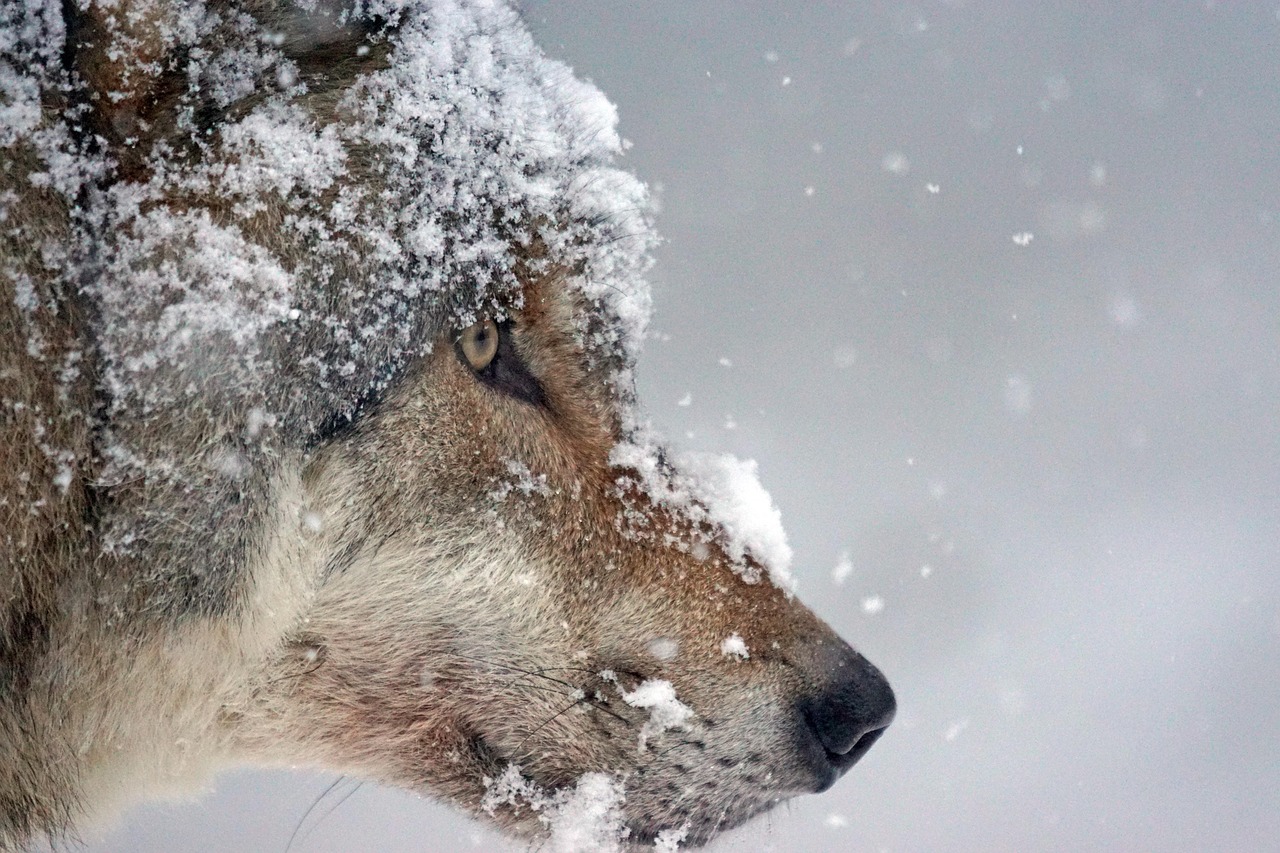
A lone wolf tattoo often represents independence, endurance, recovery, or the ability to move forward without approval from others. To keep the idea from feeling generic, choose a clear visual angle: a wolf walking through snow, a side-profile head, a small silhouette under a moon, or a wolf looking toward a mountain path. A quiet lone wolf can be more powerful than an aggressive expression if the meaning is self-trust rather than confrontation.
Wolf pack and family designs
Pack designs are a strong option for family, loyalty, partnership, or chosen community. Instead of crowding several detailed wolves into a small area, use spacing and hierarchy. One adult wolf with smaller silhouettes, paw prints, or a forest horizon can suggest connection without losing clarity. If the tattoo is meant to honor children, siblings, parents, or close friends, the artist can use the number of wolves, trees, stars, or tracks as subtle symbolic markers.
Howling wolf and moon designs
A howling wolf under a moon is one of the most recognizable wolf tattoo ideas. It can suggest instinct, grief, longing, spiritual connection, or the need to be heard. Because the motif is common, originality usually comes from composition. A circular moon frame, negative-space clouds, mountain layers, or a narrow vertical layout can make the design feel more personal.
Wolf skull and duality designs
A wolf skull or half-wolf, half-skull design often points to mortality, transformation, survival, or the balance between wildness and discipline. These designs work especially well in blackwork, dark illustrative, or neo-traditional styles. The key is deciding whether the tattoo should feel dark and intense, symbolic and calm, or protective rather than threatening.
Wolf with flowers or natural elements
Flowers, leaves, mountains, pine trees, rivers, and snow can soften a wolf tattoo or give it a stronger sense of place. Roses may create a classic tattoo feeling, while wildflowers, ferns, or alpine plants can make the design more naturalistic. This approach is useful for people who want strength without an overly harsh image.
Placement, size, and readability
Placement changes how a wolf tattoo is read. A forearm wolf is highly visible and works well for vertical compositions, especially a wolf head, split-face geometric design, or forest scene. The upper arm and shoulder allow more curve and movement, making them suitable for snarling wolves, traditional heads, or wraparound compositions. The chest can support symmetrical wolf imagery, while the back gives enough space for landscape-heavy pieces. Thigh and calf placements are practical for larger designs that can be covered when needed.
Small placements can work, but they require restraint. A tiny realistic wolf head is usually less durable visually than a simplified outline, silhouette, paw print, or line-art profile. Fur texture, teeth, eyes, and forest details all need breathing room. If the design must be small, reduce the number of elements before reducing every element equally.
Movement also matters. A wolf facing forward can feel confrontational or protective. A side profile can feel watchful and calm. A wolf in motion can suggest freedom, escape, or pursuit. On curved body parts, the nose, eyes, and jawline should work with the anatomy rather than fight against it. A skilled artist will check the stencil while you stand and move, not only while the skin is flat. See also: tattoo care.
How to make a wolf tattoo age better
No tattoo stays exactly as sharp as it looked on the first day. Good planning helps the design remain readable as the skin changes and pigment settles. The American Academy of Dermatology advises protecting healed tattoos from sun exposure with broad-spectrum, water-resistant sunscreen of SPF 30 or higher, because ultraviolet light can contribute to fading. That guidance is especially relevant for wolf tattoos with delicate gray shading, soft fur texture, or color gradients.
From a design standpoint, long-term readability comes from contrast and simplification. A wolf’s eyes should not be so tiny that they disappear. Fur should be suggested with controlled texture rather than thousands of hairlike marks. Geometric lines need enough spacing to avoid merging. Fine-line pieces should avoid packing a moon, forest, stars, flowers, and a full wolf into a coin-sized area.
- Choose contrast over clutter. A clear silhouette often ages better than excessive micro-detail.
- Scale the design to the style. Realism and complex illustrative work need more skin than minimal line art.
- Think about future tattoos. Leave room if the wolf may become part of a sleeve, chest piece, or leg project.
- Use negative space deliberately. Open skin can define moonlight, snow, breath, or highlights without adding more ink.
- Ask for a healed portfolio. Fresh photos show technique, but healed photos reveal long-term decision-making.
Safety, aftercare, and artist selection
A wolf tattoo is still a skin procedure, so the studio and aftercare choices matter as much as the sketch. The U.S. Food and Drug Administration has reported infections linked to contaminated tattoo inks and allergic reactions to inks. The practical takeaway is to choose a licensed, clean studio, ask about sterile needles and professional ink handling, and follow the artist’s aftercare instructions closely. If unusual swelling, spreading redness, pus, fever, or a persistent rash appears, seek medical advice rather than trying to diagnose it yourself.
Aftercare advice can vary slightly by artist and product, but the basic principles are consistent: keep the fresh tattoo clean, avoid picking flakes or scabs, avoid soaking it while it heals, and keep it out of direct sun until the skin has recovered. Once healed, regular moisturizing and sun protection help the tattoo look clearer for longer. These steps are especially important for wolf tattoos because many rely on smooth shading, clean black areas, or delicate linework.
Artist selection should be style-specific. A strong traditional artist may not be the right choice for soft black-and-gray realism. A fine-line specialist may not be the best fit for heavy blackwork. Review portfolios for wolf tattoos, animal portraits, healed shading, clean linework, and compositions on body parts similar to yours. If the artist suggests increasing the size, simplifying the fur, or removing extra symbols, that may be a sign of responsible design judgment rather than resistance to your idea.
A practical checklist before booking
Before booking the appointment, narrow the concept into a clear creative brief. You do not need to control every detail, but you should know the emotional direction and practical limits.
- Choose the main meaning: independence, loyalty, protection, family, recovery, courage, grief, or transformation.
- Select a style that supports that meaning: realistic, blackwork, geometric, fine-line, traditional, illustrative, or tribal-inspired.
- Decide how visible the tattoo should be in daily life and at work.
- Pick a placement that gives the design enough room to breathe.
- Limit supporting elements to the ones that truly add meaning.
- Ask whether the design will still read clearly from a normal viewing distance.
- Review the artist’s healed work, not only fresh studio photos.
The most successful wolf tattoos usually have one strong focal point: the eyes, the silhouette, the howl, the pack relationship, or the contrast between wildness and calm. When every symbol competes for attention, the tattoo becomes harder to read and easier to outgrow.
Frequently asked questions
What is the most versatile wolf tattoo style?
Black-and-gray illustrative work is often the most versatile because it can sit between realism, symbolism, and graphic design. It allows strong shadows, expressive eyes, moon or forest elements, and enough simplification to age well. However, the most suitable style still depends on your placement, size, and artist.
Are wolf tattoos better in color or black and gray?
Black and gray is popular for wolves because it suits fur texture, night scenes, moons, and forests. Color can work beautifully in neo-traditional or illustrative designs, especially with flowers, sunset tones, blue shadows, or red accents. If long-term subtlety is the goal, black and gray may be easier to maintain visually.
Where should I place a wolf tattoo?
Forearm, upper arm, shoulder, calf, thigh, chest, and back placements are all strong choices. Small symbolic designs can work on the wrist or ankle, but detailed wolf portraits need more space. If visibility matters, consider whether you want the tattoo to be seen daily or easily covered.
Can a wolf tattoo be minimalist?
Yes. Minimalist wolf tattoos can use a single-line profile, small silhouette, abstract head, paw print, or moon-and-wolf outline. The key is not to shrink a complex realistic design. Minimalism works best when the idea is simplified from the beginning.
How do I avoid a generic wolf tattoo?
Start with a specific meaning, choose one main visual focus, and remove symbols that do not support it. A custom pose, body placement, landscape, flower choice, or geometric structure can make the tattoo feel personal without overcrowding the design.