
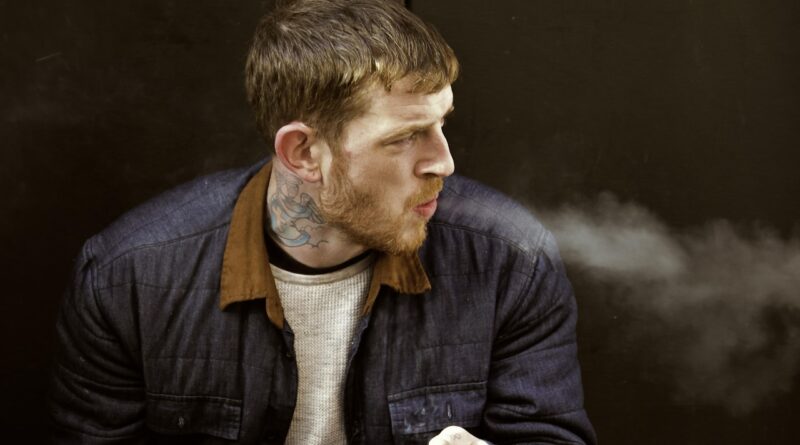
How to choose the best tattoo placement for guys
The short answer on tattoo placement for guys
The best tattoo placement for guys is not one fixed body part. It is the spot where the design fits the shape of the body, can heal without constant friction, matches your comfort with visibility, and still looks balanced as your body changes. For many first tattoos, the outer forearm, upper arm, shoulder, calf, and upper back are practical choices. They offer enough space for clean artwork and are easier to cover than the hands, neck, or face. Larger pieces usually work better on the chest, back, thigh, or sleeve areas, while small symbols often suit the wrist, inner arm, ankle, or behind the ear.
This guide focuses on placement decisions rather than pushing one trend. For more placement ideas across the body, visit our tattoo placements section.
Start with visibility before choosing the design
Visibility is usually the first real decision. A tattoo can be personal, social, professional, or all three. The same design reads very differently on the rib cage, outer forearm, hand, or neck because each area is seen in different settings and carries a different level of attention.
For most guys, placement falls into three visibility levels:
- Low visibility: upper back, chest, ribs, thigh, hip, and upper arm under a sleeve. These areas suit private tattoos, larger symbolic pieces, or work environments where tattoos are better covered.
- Medium visibility: outer forearm, calf, shoulder, and lower leg. These placements show in casual clothing but can usually be hidden with long sleeves or pants.
- High visibility: hands, fingers, neck, face, and sometimes the wrist. These placements are difficult to hide and should usually be chosen only when the wearer is comfortable with long-term visibility.
Pew Research Center reported in 2023 that tattoos are common among U.S. adults. Even so, visibility still matters because social and workplace expectations vary by industry, location, and role. Visible tattoos are not automatically a problem, but placement should account for the settings you regularly move through.
Compare common tattoo placements for guys
The most useful way to choose a placement is to compare body areas by space, visibility, movement, pain level, and long-term wear. Pain is subjective, and every artist will have slightly different observations. In general, bony areas, thin skin, joints, and high-friction spots are often harder to sit through and harder to maintain cleanly.
| Placement | Best for | Visibility | General comfort level | Key trade-off |
|---|---|---|---|---|
| Outer forearm | Script, symbols, geometric work, medium illustrations | Medium to high | Usually manageable | Easy to see daily, which can be good or bad depending on the design |
| Upper arm | First tattoos, portraits, traditional pieces, half sleeves | Low to medium | Usually manageable | The design must work around the curve of the arm |
| Shoulder | Round designs, armor-inspired work, tribal patterns, animals | Low to medium | Moderate | The artwork can distort if it ignores shoulder movement |
| Chest | Large symmetrical pieces, lettering, meaningful symbols | Low | Moderate to high | Can feel intense near the sternum and collarbone |
| Back | Large scenes, Japanese work, realism, full compositions | Low | Varies by area | Harder to see yourself without a mirror |
| Calf | Bold designs, animals, sports themes, vertical artwork | Medium | Usually manageable | May rub against socks, sports gear, or tight pants while healing |
| Ribs | Private script, fine-line pieces, vertical designs | Low | Often high | Breathing movement and thin padding can make sessions difficult |
| Hand or fingers | Small symbols, lettering, visible identity pieces | Very high | Moderate to high | Fades faster for many people and is difficult to hide |
Best placements by goal
For a first tattoo
The outer forearm, upper arm, shoulder, and calf are often sensible first choices. They give the artist enough working room, are less private than the torso, and are usually easier to care for because you can see the healing process. The upper arm is especially flexible because it can stand alone at first and later become part of a half sleeve or full sleeve.
For a discreet tattoo
If you want a tattoo that stays personal, consider the upper chest, ribs, upper back, inner bicep, thigh, or hip. These placements work well for family initials, dates, short quotes, spiritual symbols, or memorial designs. The trade-off is that some private areas, especially the ribs and sternum, can be more painful than the arm or calf.
For a masculine-looking large design
Masculine style is not only about size, but larger body zones often help bold artwork feel balanced. The chest, back, shoulder-to-bicep area, thigh, and full sleeve provide room for strong shapes, heavier shading, animals, mythological figures, biomechanical work, blackwork, or Japanese-inspired compositions. A design that looks powerful on paper may feel cramped if it is forced onto a small wrist or hand.
For lettering and script
Script needs enough length and flatness to remain readable. The inner forearm, outer forearm, collarbone area, chest, and upper back are common options. Very small lettering on fingers, ribs, or behind the ear can blur over time, especially if the letters are packed too tightly. If the phrase matters, readability should matter more than squeezing it into the smallest possible spot.
For future expansion
If you think you may want more tattoos later, avoid placing a small design in the middle of prime sleeve, chest, or back space without a plan. A small isolated tattoo can still be meaningful, but it may limit larger compositions later. Upper arm, shoulder cap, and forearm placements are easier to connect into sleeves when the original design follows the body’s natural lines.
Pain, healing, and aging should shape the decision
Tattoo pain is personal, but placement still affects the experience. Areas with more padding, such as the outer upper arm or parts of the calf, are usually easier for many people. Areas near bone, thin skin, or heavy nerve sensitivity, such as the ribs, sternum, elbow ditch, knee, ankle, and fingers, tend to feel sharper. If you are unsure about pain tolerance, start with a moderate area rather than a long rib or sternum session.
Healing is just as important as the appointment. A tattoo is made by repeatedly breaking the skin, so aftercare affects both safety and the final appearance. The American Academy of Dermatology advises protecting tattooed skin from the sun and using a broad-spectrum, water-resistant sunscreen with SPF 30 or higher when exposed. The FDA also notes that tattoo inks and tattooing can carry risks, including infections and allergic reactions. Cleveland Clinic lists warning signs such as spreading redness, swelling, pus-filled bumps, and fever as reasons to seek medical attention.
Placement changes aftercare in practical ways. A forearm tattoo is easy to clean and monitor. A back tattoo may require help when applying aftercare. A calf tattoo can rub against socks or athletic gear. A chest tattoo may be irritated by tight shirts or gym movement. Hands and fingers are washed and used constantly, so they often need more realistic expectations about fading and touch-ups.
How body shape and movement affect tattoo placement
A strong placement follows the body rather than fighting it. Good tattoo placement considers how muscles flex, how joints bend, and how the design looks from several angles. A wolf head, compass, skull, dragon, or portrait needs a different canvas than a short date or minimalist line drawing. See also: tattoo care.
On the arm, vertical designs often work well along the forearm or bicep because they follow the limb. Round designs can sit naturally on the shoulder cap or chest. Wide scenes need the back, chest, thigh, or outer calf. Long script usually reads better when it runs along a flatter, more stable area instead of wrapping too tightly around the body.
Movement also matters. Elbows, knees, wrists, and fingers bend constantly. Skin in these places stretches, folds, and wears faster, which can soften lines over time. That does not make these placements wrong, but the design should be simpler, bolder, and planned with an artist who understands how the area heals.
Placement mistakes to avoid
Many disappointing tattoos are not caused by a bad idea. They happen because the idea is forced into the wrong location. Before booking, watch for these common mistakes:
- Choosing a highly visible placement too early. Hands, neck, and face are serious long-term choices. They should not be default first-tattoo spots.
- Making detailed artwork too small. Realism, portraits, animals, and complex symbols need room for shading and line separation.
- Ignoring clothing and work gear. Waistbands, boots, watches, gloves, tight shirts, and sports equipment can irritate a fresh tattoo.
- Placing a tattoo without a future plan. If you may want a sleeve or back piece later, discuss spacing before using key canvas areas.
- Copying a placement from another body. The same design may sit differently depending on arm length, shoulder shape, muscle mass, and posture.
A good placement decision should feel practical, not rushed. Bring reference images, but let the artist adjust scale and position to your body. Stencil placement is part of the design process, not a formality.
A simple decision process before booking
If you are still unsure, use this sequence before choosing the final placement:
- Define the role of the tattoo. Is it personal, decorative, symbolic, visible, private, or part of a larger future plan?
- Choose the visibility level. Decide whether you want it hidden, sometimes visible, or almost always visible.
- Match the design size to the body area. Do not shrink detailed work just to fit a trendy spot.
- Think about pain and session length. A first tattoo does not need to test your maximum tolerance.
- Consider healing conditions. Plan around workouts, swimming, sun exposure, uniforms, and travel.
- Test the stencil in normal posture. Check it standing, sitting, flexing, and relaxing.
For many guys, the most balanced answer is still the upper arm, outer forearm, shoulder, calf, or upper back. These placements offer a strong mix of design space, manageable visibility, and flexibility for future work. The chest, sleeve, hand, or neck can also work for bold personal statements, but they require more commitment and clearer expectations.
Frequently asked questions
What is the best tattoo placement for guys getting their first tattoo?
The upper arm, outer forearm, shoulder, or calf is often a practical first placement. These areas usually provide enough space, are easier to monitor during healing, and can be covered when needed.
Where should a guy place a small tattoo?
Small tattoos often work well on the inner forearm, wrist, upper arm, ankle, chest, or behind the ear. Very small finger tattoos can look sharp at first but may fade or blur faster because the hands are used and washed constantly.
Which tattoo placements are easiest to hide?
The upper back, chest, ribs, thigh, hip, and upper arm are among the easiest to cover with everyday clothing. These are good options if workplace visibility or family preference matters.
Are forearm tattoos a good idea for guys?
Forearm tattoos are popular because they are visible, readable, and suitable for many designs. The main question is whether you are comfortable seeing the tattoo daily and having it visible in short sleeves.
What placement should guys avoid for a first tattoo?
Hands, fingers, neck, face, ribs, sternum, elbows, and knees can be challenging first placements because of visibility, pain, healing, or fading. They are not impossible, but they are better chosen with a clear reason and an experienced artist.