

Vine tattoo ideas for elegant botanical ink
Why vine tattoos work so well
Vine tattoo ideas appeal to people who want botanical ink that feels graceful, adaptable, and personal without being limited to one fixed silhouette. A vine can wrap, climb, curve, frame another symbol, or stand alone as a fine-line design. That flexibility makes it useful for placements where body movement matters, including the wrist, forearm, collarbone, ribs, ankle, shoulder, hip, and spine.
The strongest vine tattoos are not just decorative lines with leaves added at random. They depend on rhythm, spacing, leaf shape, and negative space, so the design follows the body naturally instead of looking pasted onto the skin.
Another advantage is that a vine design can be expanded later. You can begin with a small sprig and add blossoms, berries, initials, insects, stars, or ornamental details over time. For more botanical inspiration, browse the tattoo ideas section and compare how different designs use scale, placement, and line weight.
Popular vine tattoo ideas by placement
Placement changes the entire mood of a vine tattoo. A thin wrist vine can look delicate and jewelry-like, while a shoulder-to-arm vine can feel organic and dramatic. Before choosing a design, decide whether you want it to be visible every day, easy to cover, or planned as part of a larger future piece.
Wrist and bracelet vine tattoos
A wrist vine works best when the line is light, the leaves are small, and the curve is not too tight. Bracelet-style vines can circle the wrist fully or stop before meeting, leaving a small break so the design does not feel heavy. Ivy, olive leaves, tiny roses, and simple leafy stems are common choices for this placement. For a softer result, ask for varied leaf sizes instead of a perfectly repeated pattern.
Forearm vine tattoos
The forearm gives a vine room to breathe. A design can run from wrist to elbow, wrap gently around the arm, or sit along the inner forearm as a clean vertical piece. Fine-line vines suit minimal tastes, while bolder blackwork vines create stronger contrast. A forearm vine can also frame a quote, birth flower, moon phase, butterfly, or small animal without overwhelming it.
Shoulder and collarbone vines
Vines work well around the shoulder because they can follow the natural slope from collarbone to upper arm. A collarbone vine can look refined and subtle when the leaves are spaced loosely. A shoulder vine becomes more dramatic when it wraps over the cap of the shoulder and trails toward the chest or back. This placement suits people who want a botanical design connected to posture and movement.
Rib, sternum, and side-body vines
Rib and sternum placements create elegant vertical movement, but they require careful planning because the skin stretches and moves with breathing. A vine along the ribs can look very delicate as a single climbing stem. A sternum vine may include symmetrical leaves or flowers, but overly dense detail can become crowded in a narrow area. For these placements, simpler shapes often age more clearly than tiny, complicated elements.
Ankle, foot, and leg vines
An ankle vine can resemble a botanical anklet, while a calf or thigh vine can become more expressive and detailed. Foot tattoos may fade faster in some areas because of friction from shoes and socks, so designs with slightly stronger lines may hold better than extremely tiny details. On the leg, vines can move upward like a climbing plant or curve around the calf for a natural, flowing look.
Spine and back vine tattoos
A spine vine is a strong option for a narrow, vertical botanical tattoo. It can be minimal, with one stem and small leaves, or more ornate, with flowers and branching curves. Back placements also allow vines to frame an existing tattoo or connect separate pieces into one composition. If you want a long spine design, ask your artist to map the flow while you are standing, not only while you are lying down.
Style directions for vine tattoos
The same vine concept can look romantic, minimal, bold, vintage, or symbolic depending on style. Choosing the style before choosing every small detail helps keep the final tattoo coherent.
Fine-line vine tattoos
Fine-line vines are airy, elegant, and popular for wrists, collarbones, ribs, and ankles. They use thin outlines, gentle curves, and light detail. Their main advantage is subtlety. The limitation is that very small leaves and hairline stems may soften over time, especially in high-friction areas. A good fine-line vine still needs enough spacing to remain readable as it heals and ages.
Blackwork vine tattoos
Blackwork vines use heavier contrast, darker leaves, or graphic silhouettes. This style suits people who want a botanical tattoo with more visual strength. It works well on the forearm, upper arm, thigh, shoulder, and back. Blackwork also pairs well with ornamental borders, geometric shapes, and negative-space leaves.
Realistic botanical vines
A realistic vine tattoo may show detailed leaves, twisting stems, thorns, blossoms, or natural imperfections. This approach needs more space than a minimalist design, so it is usually better suited to the arm, shoulder, back, hip, or thigh than to a tiny wrist piece. Realism depends on shading and proportion, and reference images of actual plants can help your artist create believable movement.
Watercolor and soft color vines
Soft green, muted red, lavender, or earthy brown can make a vine tattoo feel more botanical. Watercolor backgrounds can add atmosphere, but they should not replace a readable structure. If you choose color, consider how it will interact with your skin tone and how visible you want the tattoo to be from a distance. The U.S. Food and Drug Administration has noted that tattoo inks can be associated with allergic reactions or contamination concerns, so anyone considering color work should choose a reputable studio and discuss any ink sensitivity history with the artist.
Meaningful vine tattoo concepts
Vines often suggest growth, resilience, connection, patience, and renewal. The meaning becomes more specific when you choose the plant type, add flowers, or combine the vine with another symbol.
| Vine concept | Visual effect | Common meaning | Good placements |
|---|---|---|---|
| Ivy vine | Classic leaves with a climbing shape | Endurance, loyalty, attachment | Forearm, ribs, ankle, spine |
| Rose vine | Leaves, stems, flowers, and optional thorns | Love, beauty, strength, complexity | Shoulder, thigh, upper arm, side body |
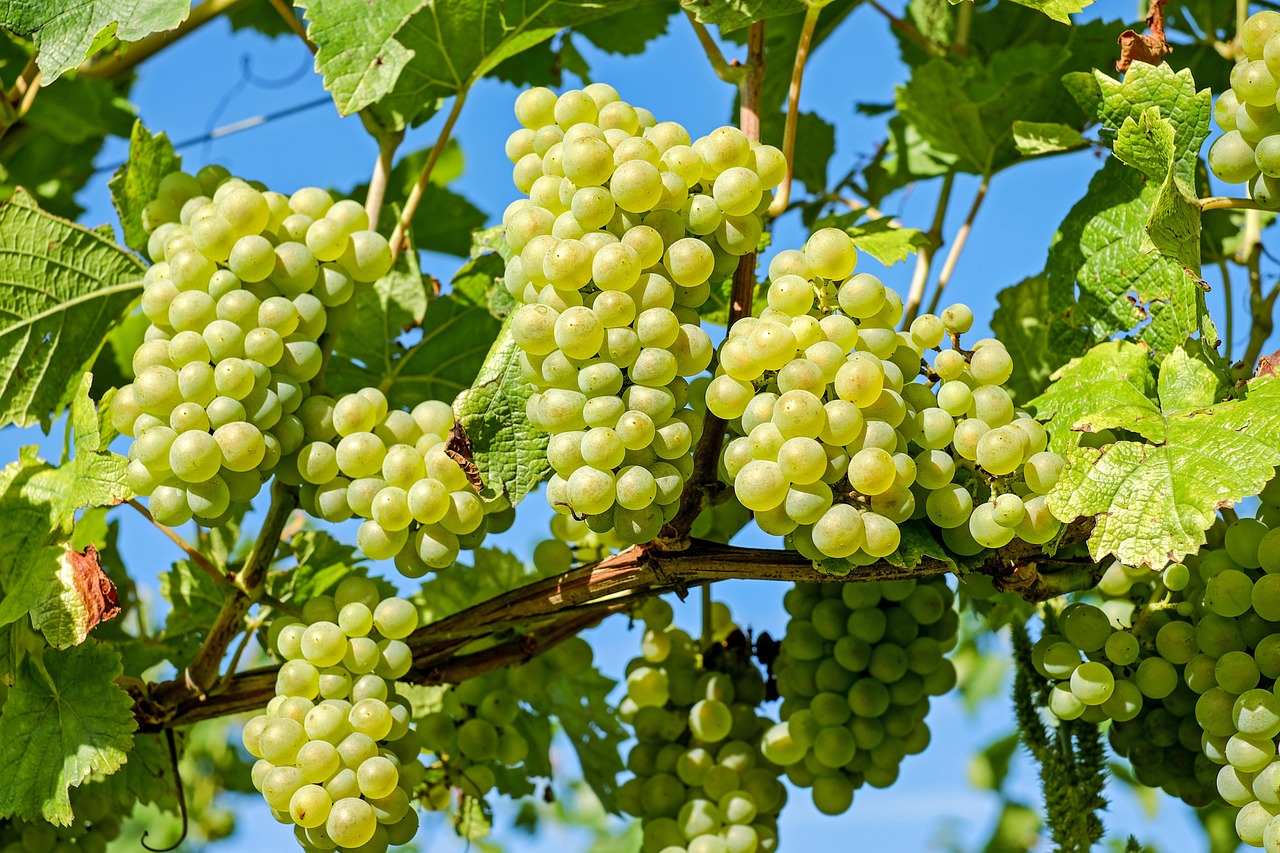
| Grape vine | Rounded leaves and small fruit clusters | Abundance, celebration, heritage | Arm, calf, shoulder, back |
| Olive branch vine | Slim leaves and calm spacing | Peace, healing, clarity | Collarbone, wrist, forearm, ankle |
| Thorn vine | Sharper lines and protective energy | Boundaries, survival, protection | Upper arm, wrist, shoulder, ribs |
These meanings are flexible rather than fixed rules. A rose vine might represent romance for one person and personal recovery for another. An ivy vine might symbolize commitment, family roots, or the ability to keep growing through difficult conditions. The most successful symbolic tattoos usually balance personal meaning with strong visual design.
How to design a vine tattoo that fits your body
A vine tattoo should look as though it belongs on the body, not as though it was transferred from a flat sketch without adjustment. Flow is the key design principle. Ask how the stem will travel, where the leaves will open, and where the eye should rest. A vine that curves with the wrist, shoulder, ribs, or ankle often looks more natural than one drawn as a perfectly straight strip.
Scale matters as much as style. Tiny leaves can look beautiful in a fresh design, but if they are packed too closely, they may blur visually as the tattoo settles. Leaving small gaps between leaves helps the design stay readable. For long vines, varied leaf size and angle can make the piece feel organic instead of stamped. See also: tattoo care.
Negative space is also useful. A vine does not need leaves from end to end. Open sections can make the tattoo feel lighter and allow future additions. If you plan to add flowers later, tell your artist before the first session so the vine can leave room for them.
It also helps to decide whether the vine is the main subject or a frame. As a main subject, it needs enough detail and contrast to stand alone. As a frame, it should support another element without competing with it. A vine around a name, moon, butterfly, or birth flower should guide attention rather than trap the central symbol inside a busy border.
Small vine tattoo ideas
Small vine tattoos suit first tattoos, discreet placements, or anyone who wants a soft botanical accent. The key is restraint. A small tattoo does not need every leaf vein, every curl, and every symbolic element. One clear stem with three to seven well-placed leaves can be more elegant than a crowded miniature scene.
- Tiny wrist sprig: A short curved stem with small leaves, placed slightly off-center for a natural look.
- Behind-the-ear vine: A very small vertical vine that follows the ear line; best kept simple for clarity.
- Finger vine: A delicate ring-like or side-finger design; consider fading risk because hands experience frequent friction and washing.
- Single ankle vine: A short botanical accent that can sit above the ankle bone or curve toward the foot.
- Minimal collarbone vine: A thin line with sparse leaves that follows the collarbone without becoming a necklace shape.
- Initial with vine: A letter softened by one small stem, useful for memorial, family, or personal identity tattoos.
Small designs benefit from simple line work and clean spacing. If the design is hard to read at phone-screen size, it may also be too detailed for a tiny tattoo.
Large and wraparound vine tattoo ideas
Large vine tattoos can create movement across the body. They are well suited to people who want a piece that feels alive, layered, and expandable. A wraparound forearm vine can create a natural sleeve foundation. A shoulder vine can trail into a chest or back piece. A hip-to-thigh vine can feel elegant and sculptural, especially when the leaves follow the body’s curve.
For larger tattoos, composition becomes more important than individual leaves. The design needs a beginning, a path, and a visual ending. Without that structure, a long vine may look like an endless line. Your artist may use larger leaves near focal points and smaller leaves near the ends to create depth. They may also break the vine into branches so the piece feels natural rather than rope-like.
If you want a floral vine, consider choosing one main flower type. Mixing roses, lilies, daisies, grapes, and ivy in one design can work, but it requires careful composition. Too many plant types may weaken the identity of the tattoo. A more refined option is to use one central flower and one vine species, then add small accents only where they improve the flow.
Practical notes before getting a vine tattoo
Because tattooing places ink into the skin with needles, safety and aftercare matter as much as design. Public guidance from the FDA has reported concerns involving contaminated tattoo inks and allergic reactions, while the American Academy of Dermatology advises people to watch for unusual reactions, persistent redness, swelling, pain, rashes, or other signs that need medical attention. These points are especially relevant for detailed vine tattoos because long lines and wraparound placements may cover larger areas of skin.
Choose a licensed, reputable studio that follows local rules, uses sterile equipment, and opens needles in front of you. Ask your artist how the design may age in your chosen placement. High-friction areas such as fingers, feet, and inner wrists may need different line weights from low-friction areas such as the upper arm or back. If you have a history of keloids, allergies, immune-related conditions, or unusual scarring, speak with a qualified medical professional before booking.
Aftercare instructions can vary by artist and bandage type, so follow the guidance from your studio. In general, avoid treating a fresh tattoo like normal skin. Keep it clean, avoid picking, protect it from unnecessary friction, and avoid sun exposure while it heals. Once healed, sunscreen can help preserve contrast and reduce premature fading.
Frequently asked questions
What does a vine tattoo usually symbolize?
A vine tattoo often symbolizes growth, resilience, connection, renewal, or persistence. The meaning depends on the plant and the wearer’s story. Ivy may suggest endurance, roses may add love or strength, and thorns may suggest protection or boundaries.
Where is the best place for a vine tattoo?
The best placement depends on visibility, pain tolerance, and design size. Wrists, forearms, ankles, ribs, collarbones, shoulders, and spines are all popular because vines can follow natural curves. For a first tattoo, the forearm or upper arm often gives more room for clean detail than very small areas like fingers.
Do vine tattoos have to include flowers?
No. A vine can stand alone with leaves, tendrils, thorns, or simple branching lines. Flowers can add color and symbolism, but they are not required. A leaf-only vine often looks cleaner and more timeless if you prefer minimalist botanical ink.
Are fine-line vine tattoos a good idea?
Fine-line vine tattoos can look beautiful, especially on the wrist, collarbone, ribs, or ankle. The design should not be too tiny or crowded, because very delicate lines and small leaves may soften over time. A skilled artist can adjust spacing and line weight for better long-term readability.
Can a vine tattoo be expanded later?
Yes. One advantage of vine tattoos is that they can grow into larger botanical pieces. You can later add flowers, insects, names, dates, ornamental shapes, or more branches. If expansion is likely, tell your artist before the first session so the original design leaves room for future additions.