
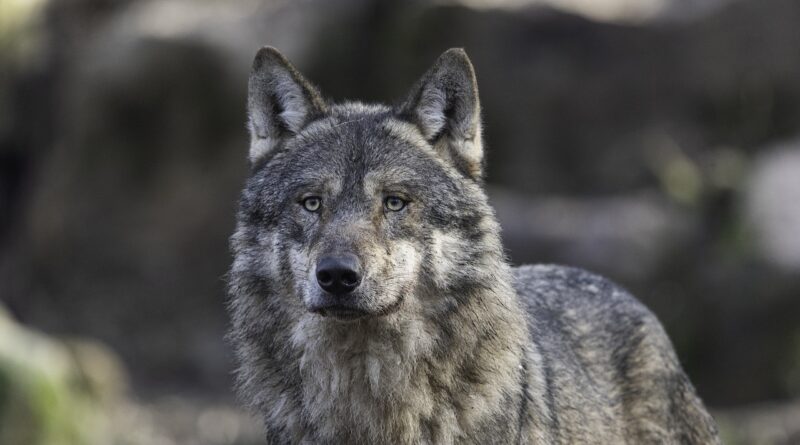
Wolf tattoo ideas for meaningful designs, placements, and styles
Choosing a wolf tattoo idea with meaning and staying power
Wolf tattoo ideas often begin with a feeling: loyalty, independence, protection, instinct, survival, or a strong connection to a pack. The strongest designs turn that feeling into a clear visual choice rather than relying only on a dramatic animal image. A howling wolf can feel spiritual or solitary. A pair of wolves can suggest partnership. A wolf with forest or moon details can build a wider story around wilderness, change, and self-trust.
Before choosing a stencil, consider three things together: the meaning you want, the style you like, and the body area where the design will sit. For broader inspiration across themes, you can also explore our tattoo ideas section.
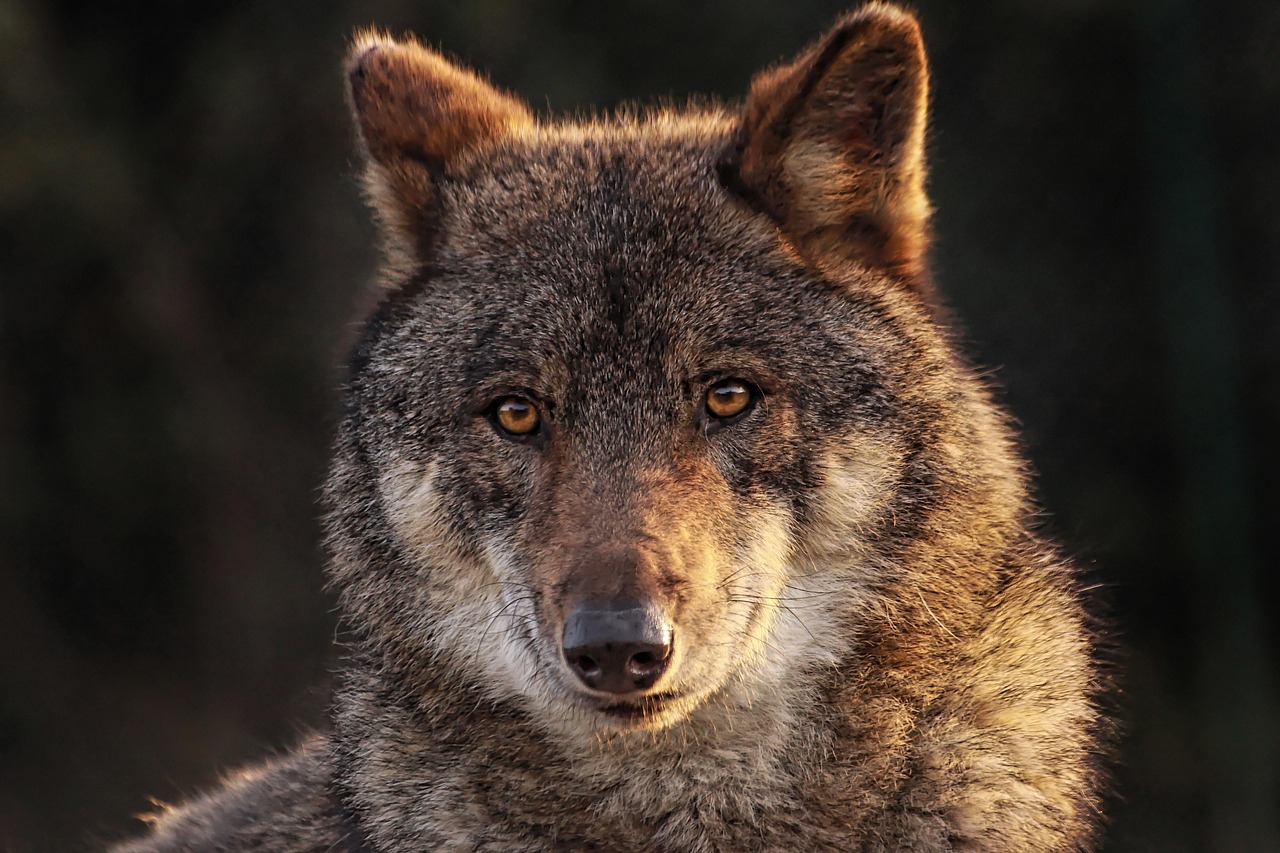
A wolf is a flexible subject. It can be soft, fierce, realistic, abstract, minimal, traditional, or symbolic. That range is useful, but it also makes planning important. A small wolf head on the wrist needs a very different drawing from a full back piece with mountains, trees, and a night sky. In most cases, the more detail you want, the more space the design needs.
What a wolf tattoo can represent
Wolf symbolism is not limited to one fixed meaning. In modern tattoo design, the wolf often represents a mix of personal strength and connection. Some people choose it for independence. Others connect it with family groups, cooperation, loyalty, and protection. A good design does not need to explain every possible meaning at once. It should focus on the idea that matters most to the person wearing it.
| Design direction | Common meaning | Good fit for |
|---|---|---|
| Howling wolf | Voice, instinct, solitude, longing | Forearm, upper arm, calf, shoulder blade |
| Wolf and moon | Mystery, change, night energy, intuition | Upper arm, thigh, back, chest |
| Wolf pack | Family, loyalty, unity, protection | Back, ribs, sleeve, thigh |
| Geometric wolf | Balance, focus, structure, duality | Forearm, chest, shoulder, calf |
| Wolf with flowers | Strength softened by growth, grief, renewal, beauty | Upper arm, thigh, shoulder, side body |
| Minimal wolf outline | Quiet confidence, subtle identity | Wrist, ankle, inner arm, behind the ear |
Expression changes the message, too. A calm wolf can suggest watchfulness. A snarling wolf feels defensive or aggressive. A wolf looking upward may feel hopeful, searching, or reflective. A wolf walking through trees can suggest a journey. These choices matter because the face, posture, and surrounding elements affect how the tattoo reads from a normal viewing distance.
Wolf tattoo ideas by style
Fine line wolf tattoos
Fine line wolf tattoos work well for people who want a clean, understated design. They usually rely on delicate outlines, light shading, and selective detail rather than heavy blocks of black. A fine line wolf head, a simple howling silhouette, or a wolf blended with a crescent moon can feel elegant while still carrying strong symbolism. This approach suits the inner arm, wrist, ankle, collarbone, or shoulder.
The main planning issue is detail control. Fine line designs can look crowded if the artist tries to fit fur texture, eyes, trees, stars, and lettering into a very small area. For a small tattoo, simplify the wolf shape first and keep any supporting elements minimal.
Black and gray realism
A black and gray realistic wolf is a strong option for depth, facial expression, and dramatic shading. This style can capture the eyes, muzzle, fur, and light direction in a way that feels intense without relying on color. It usually works best at medium to large scale, especially on the upper arm, shoulder, chest, back, thigh, or calf.
Realism depends heavily on reference quality and artist skill. A realistic wolf tattoo should have a clear light source, readable eyes, and enough size for fur texture. If the piece is too small, the details may visually blend together over time. For that reason, a realistic wolf is usually better as a main tattoo than as a tiny filler piece.
Geometric wolf tattoos
Geometric wolf tattoos combine animal symbolism with structure. The face may be built from triangles, symmetry, dotwork, linework, or split designs where one side is realistic and the other is abstract. This style is popular with people who want a modern, balanced design that feels less literal.
A geometric wolf can look especially strong on areas with natural symmetry, such as the chest, upper back, sternum, or forearm. If the design includes dotwork or mandala details, leave enough negative space so the wolf remains recognizable from a normal viewing distance.
Traditional and neo-traditional wolf tattoos
Traditional and neo-traditional wolf tattoos use bold shapes, strong outlines, and clear contrast. A classic wolf head with roses, a dagger, a banner, or a moon can feel timeless because the design is built for readability. Neo-traditional versions often add richer color palettes, decorative framing, and more expressive faces.
This style works well when you want a wolf tattoo that stays clear even with color, movement, and surrounding elements. It can fit the upper arm, thigh, calf, or part of a sleeve. If you plan to add more tattoos later, ask the artist to consider how the wolf will connect with future pieces.
Minimal and silhouette wolf tattoos
Minimal wolf tattoos are built on restraint. A single continuous line, a small wolf profile, a howling silhouette, or a tiny paw and moon combination can carry meaning without dominating the body. These designs suit first tattoos, discreet placements, or people who prefer personal symbolism over visual drama.
Minimal does not mean careless. A simple wolf outline still needs strong proportions. The ear shape, muzzle angle, and back line often determine whether the animal is readable. If the design is too generic, it may look like a dog, fox, or abstract shape instead of a wolf.
Placement ideas and how size changes the design
Choose the placement before finalizing the artwork. A wolf tattoo that looks balanced on a flat screen may need adjustment for the curve of the arm, shoulder, ribs, or calf. Placement affects scale, line direction, pain expectations, visibility, and how the design moves with the body.
- Forearm: Good for howling wolves, geometric faces, vertical forest scenes, and medium-sized blackwork. It is visible and easy to read.
- Upper arm: A flexible area for realistic wolf heads, wolf and moon designs, flowers, or the start of a sleeve.
- Chest: Works well for symmetrical wolf faces, protective symbolism, or a larger piece centered near the sternum or pec.
- Back: Best for large storytelling scenes, wolf packs, mountains, night skies, and detailed landscapes.
- Thigh: Offers enough space for realism, neo-traditional color, wolves with flowers, or a full moon composition.
- Calf: Strong for vertical designs, walking wolves, forest silhouettes, or bold traditional work.
- Hand, neck, and face areas: These placements are highly visible and can have social or workplace consequences, so they need extra thought before committing.
Small placements usually call for simpler shapes. Large placements can support texture, background, and layered symbolism. If you want a wolf with trees, stars, mountains, and script, choose an area with enough breathing room. If you want something small, reduce the idea to one strong silhouette, pose, or expression.
Motifs that pair well with wolf tattoos
Additional elements should support the wolf, not compete with it. A common mistake is adding too many symbols because each one feels meaningful on its own. A stronger approach is to choose one or two supporting motifs and keep the composition readable.
Moon and night sky
The moon is one of the most natural pairings for a wolf tattoo. It can suggest intuition, cycles, change, or a connection to night and wilderness. A full moon creates a bold background, while a crescent moon keeps the design lighter and more minimal. Stars can add atmosphere, but they should not crowd the wolf’s face. See also: tattoo care.
Forest, mountains, and landscape
Forest and mountain details give the wolf a setting. This can turn a simple animal portrait into a scene about travel, survival, or returning to nature. Landscape elements work especially well in forearm, calf, thigh, and back tattoos because these areas give the artist room to layer foreground and background.
Flowers and botanical details
Flowers can soften the intensity of a wolf tattoo. Roses may add a classic tattoo feel, while wildflowers, leaves, or branches can create a quieter natural mood. Botanical details are also useful for shaping the tattoo around curves of the shoulder, thigh, or ribs.
Compass, arrows, and map details
A wolf with a compass or arrow can suggest direction, instinct, and movement. This combination is common for people who want the tattoo to represent self-trust or a life path. Keep the compass clean and avoid tiny map markings unless the tattoo is large enough to hold them.
Planning notes before getting a wolf tattoo
Design planning should include safety and long-term care, not only style. Public guidance from the U.S. Food and Drug Administration, Mayo Clinic, and the American Academy of Dermatology describes tattooing as a process that breaks the skin and can involve risks such as infection or allergic reaction. This does not mean people should avoid tattoos, but it does mean the studio, artist, hygiene practices, and aftercare instructions matter.
Before booking, look for healed examples of the artist’s wolf tattoos or similar animal work. Fresh tattoo photos can be impressive, but healed work shows how lines, shading, and contrast settle into the skin. Ask whether the artist is comfortable with the specific style you want. A fine line artist, a realism artist, and a traditional artist may approach the same wolf idea very differently.
- Save references for mood and direction, not for copying an existing tattoo exactly.
- Choose the placement before approving the final shape.
- Ask the artist what size is needed for the detail level you want.
- Discuss black, gray, and color choices in relation to your skin tone and long-term contrast.
- Follow the aftercare instructions given by your artist and seek medical advice if you notice unusual swelling, spreading redness, fever, or persistent irritation.
It is also worth thinking about future tattoos. A single wolf on the forearm may later become part of a nature sleeve. A chest wolf may connect to shoulder or sternum work. Good spacing now gives you more options later.
Wolf tattoo idea sets for different goals
For a subtle first tattoo
Choose a small wolf outline, a fine line howling wolf, a crescent moon and wolf silhouette, or a tiny geometric wolf head. Keep the design controlled and avoid tiny fur texture. Inner arm, ankle, wrist, and shoulder are practical areas for a restrained design.
For a bold statement piece
Consider a black and gray wolf portrait, a snarling wolf in neo-traditional style, a wolf with a full moon, or a large forest scene. Upper arm, thigh, chest, back, and calf give the artwork enough room to make an impact. A bold tattoo should have strong contrast, clear eyes, and a composition that still reads from several feet away.
For family or loyalty symbolism
A wolf pack, two wolves facing each other, a parent wolf with a cub, or a wolf paired with birth flowers can communicate connection without relying on text. If you want names or dates, place them carefully so they do not distract from the main artwork. In many cases, symbolic details look more timeless than large lettering.
For a spiritual or introspective design
A howling wolf under the moon, a split wolf face with a calm and wild side, a wolf with stars, or a wolf emerging from mist can create a reflective tone. These designs work best when the artist uses negative space and avoids overloading the background.
Frequently asked questions
What is the most meaningful wolf tattoo idea?
The most meaningful idea is the one that connects a clear symbol with your own reason for wearing it. For some people, that is a lone wolf for independence. For others, it is a wolf pack for loyalty and family. A meaningful design does not need many elements; it needs a focused idea.
Are wolf tattoos better in black and gray or color?
Both can work. Black and gray is strong for realism, shadows, fur texture, and a serious mood. Color works well for neo-traditional designs, flowers, sunset backgrounds, and dramatic contrast. The better choice depends on the style, placement, and how bold you want the tattoo to appear.
Where should I place a wolf tattoo?
For medium designs, the forearm, upper arm, calf, and shoulder are practical choices. For large detailed work, consider the back, chest, thigh, or sleeve area. For small designs, use simplified outlines on the wrist, ankle, inner arm, or collarbone.
Can a wolf tattoo be small and still look clear?
Yes, but the design must be simplified. A small wolf tattoo should focus on an outline, silhouette, or one recognizable feature such as the head shape or howling pose. Small designs usually should not include detailed fur, tiny forests, complex eyes, and lettering all at once.
How do I make a wolf tattoo feel original?
Start with your meaning, then customize the expression, posture, placement, and supporting elements. Instead of copying a popular design, combine a clear wolf image with details that matter to you, such as a specific flower, moon phase, landscape mood, or balanced geometric structure.
Final thoughts
A strong wolf tattoo starts with a clear story and improves through careful editing. Choose the meaning first, match it with a style that suits your taste, and give the artwork enough space for the level of detail you want. Whether you prefer a minimal outline, a realistic portrait, a geometric face, or a full wilderness scene, the best wolf tattoo ideas are readable, personal, and wearable over time.