
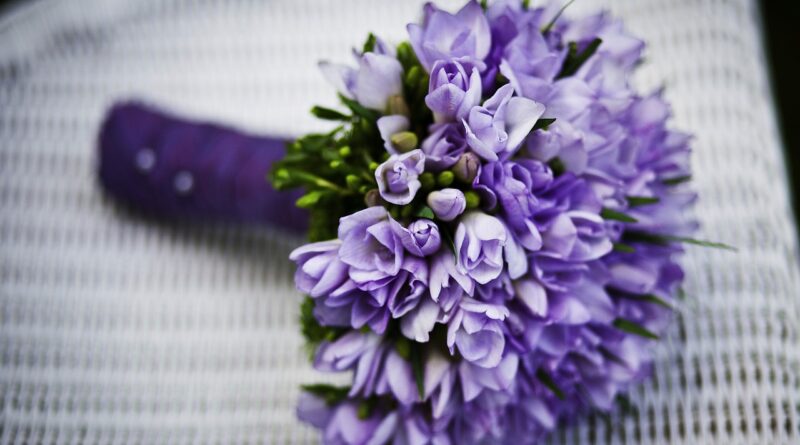
Flower bouquet tattoo placement ideas for balanced, wearable designs
Choosing placement before choosing every flower
The best flower bouquet tattoo placement is the area where the bouquet’s shape, level of detail, and personal meaning can work together without looking crowded. A long wildflower arrangement often suits the forearm, ribs, spine, thigh, or calf. A rounder bouquet can sit more naturally on the upper arm, shoulder blade, hip, or chest. Visibility also matters: a wrist or forearm piece becomes part of your everyday style, while a rib, back, or thigh tattoo is easier to keep private.
Before settling on a location, think about size, movement, clothing coverage, sun exposure, pain tolerance, and how the tattoo may age. Placement is not just a style choice. It is the structure that determines whether stems, leaves, petals, and negative space remain clear over time.
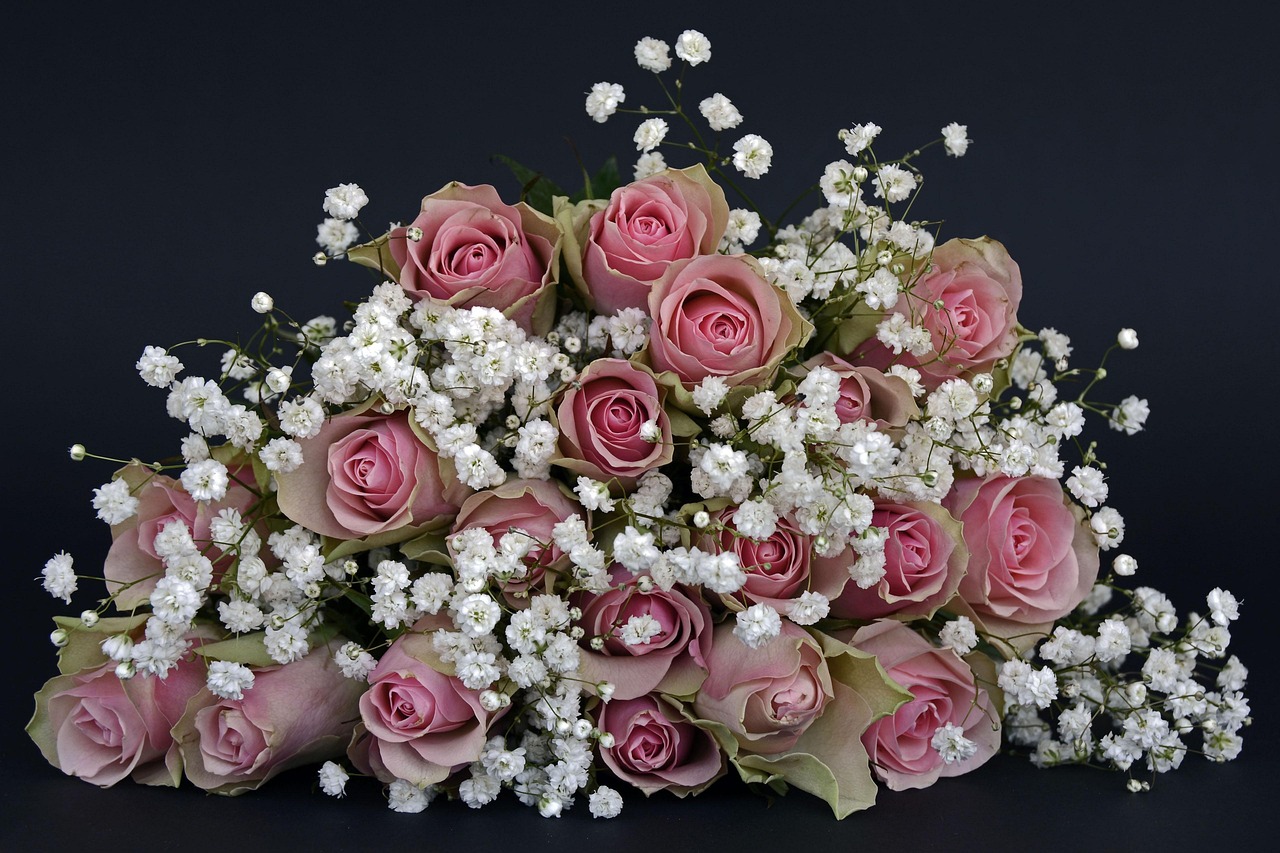
If you are comparing several body areas, it may help to browse related tattoo placement ideas first, then narrow the options based on the bouquet shape you actually want.
How placement changes the look of a flower bouquet tattoo
A bouquet tattoo is different from a single flower design because it has more visual direction. It may include stems, petals, leaves, ribbon, filler flowers, and open space between elements. Placement decides whether those parts feel balanced and intentional or squeezed into an awkward frame.
There are three common bouquet silhouettes. A vertical bouquet has long stems and a clear top-to-bottom flow. It usually works well on elongated areas such as the forearm, upper arm, side ribs, spine, thigh, shin, or calf. A rounded bouquet has a compact floral head and less emphasis on stems. It often suits the shoulder, upper arm, chest, hip, shoulder blade, or outer thigh. A cascading bouquet has flowers and leaves that fall diagonally or downward, which can look natural on the shoulder-to-upper-arm area, side torso, hip, thigh, or back.
Placement also affects how much detail the artist can include. Tiny petals, fine leaves, and thin stems need enough room and enough skin stability to remain readable. A design that looks delicate on a digital mockup may become muddy if it is placed too small on a high-friction area. For that reason, artists often simplify micro bouquet tattoos or recommend a slightly larger placement for botanical detail.
Placement comparison for common body areas
No placement is perfect for everyone. The right choice depends on whether you want the tattoo to be visible, discreet, ornamental, sentimental, or easy to expand later. The table below compares common options in practical terms.
| Placement | Works well for | Main advantage | Planning note |
|---|---|---|---|
| Forearm | Vertical bouquets, fine-line florals, readable stems | Easy to see and easy to photograph | More visible in daily life and harder to hide in warm weather |
| Upper arm | Medium bouquets, wrapped stems, floral clusters | Good space with flexible visibility | Design should account for arm curve and movement |
| Shoulder | Rounded bouquets, floral caps, cascading petals | Natural rounded shape for flower heads | May distort slightly with arm position, so stencil review is important |
| Ribs or side torso | Long-stem bouquets, elegant vertical arrangements | Private and visually graceful | Often considered more sensitive and affected by breathing during the session |
| Back or shoulder blade | Larger bouquets, detailed botanical compositions | Enough space for detail and negative space | You will not see it without a mirror, and aftercare may require help |
| Thigh | Large bouquets, colorful florals, bold compositions | Spacious and easy to cover | Clothing friction should be considered during healing |
| Ankle or lower leg | Small bouquets, delicate sprigs, minimal stems | Subtle and decorative | Fine details may need simplification because the area is smaller |
| Chest or sternum | Symmetrical bouquets, sentimental florals, ornamental pieces | Strong visual impact and personal meaning | Placement should respect anatomy, clothing lines, and comfort level |
Matching bouquet shape to body placement
Start with the bouquet silhouette before deciding on the final location. A placement that flatters one bouquet shape may not suit another. This is especially important if you want several specific flowers, such as roses, lilies, daisies, peonies, lavender, or birth flowers, in one composition.
Long-stem bouquets
Long-stem flower bouquet tattoos need vertical space. The forearm is one of the most practical choices because stems can run with the natural line of the arm. The inner forearm feels more intimate and softer, while the outer forearm is more visible and graphic. The calf, shin, ribs, and spine can also support a long bouquet without forcing the artist to bend the stems too much.
If the stems are a major part of the design, avoid placements that require heavy compression. A small wrist or ankle bouquet can be beautiful, but the stems may need to be reduced, crossed, or simplified.
Rounded floral bouquets
Rounded bouquets usually work better on curved or broader areas. The shoulder can frame a circular flower cluster naturally. The upper arm gives enough room for flowers and leaves while allowing the piece to be covered with short sleeves, depending on size. The hip and thigh can make a rounded bouquet feel more decorative and private.
For a compact bouquet, ask whether the flowers will still be identifiable at the size you want. If every flower is tiny, the overall impression may matter more than botanical accuracy. If you want each flower to be recognizable, you may need more space.
Cascading bouquets
A cascading bouquet has movement. It may look like flowers are falling across the shoulder, down the side, or along the hip and thigh. This style can be especially effective when leaves and filler florals create a diagonal rhythm. The key is to avoid making the design look accidentally tilted. A good stencil should look intentional when your body is relaxed, not only when you pose for a photo.
Visibility, pain, aging, and lifestyle factors
Placement is not only about aesthetics. A tattoo becomes part of your routine, wardrobe, and skin care. A visible forearm bouquet may feel empowering, but it will also be seen by coworkers, clients, family members, and strangers. A rib or thigh bouquet may feel more personal, but you may see it less often. Neither choice is better in every case; the better choice is the one that fits your life.
Pain is subjective, and no chart can predict your exact experience. In general, areas with more padding are often easier for many people than bony or thin-skinned areas. The outer upper arm and outer thigh are commonly chosen for larger pieces partly because they offer workable space and are manageable for many clients. Ribs, sternum, spine, ankle, and foot placements are often described as more intense because there is less cushioning or more sensitivity.
Long-term aging also matters. Public tattoo safety and aftercare guidance from organizations such as the U.S. Food and Drug Administration and the American Academy of Dermatology emphasizes clean procedures, proper healing, and attention to signs of irritation or infection. From a design perspective, sunlight, friction, and very fine detail can influence how crisp a tattoo looks over the years. A bouquet with slightly stronger structure, enough spacing, and a placement that is not constantly rubbed by tight clothing may be easier to maintain visually.
Color choice can also interact with placement. Soft pastel flowers may look subtle and romantic, but they can be less bold than blackwork or high-contrast color. If the tattoo will sit on a sun-exposed area such as the forearm or shoulder, discuss protection and touch-up expectations with your artist. If you prefer a lower-maintenance look, a clear black or black-and-grey structure may age more predictably than a very pale, tiny bouquet. See also: tattoo care.
How to plan the stencil with your artist
A strong bouquet tattoo usually begins with a practical conversation. Bring references for flower types, bouquet shape, and mood, but avoid asking for a direct copy of another person’s tattoo. Your artist can translate the idea into a composition that fits your anatomy and is original to you.
Before the appointment, decide which factors are non-negotiable. For example, you may care most about including a grandmother’s favorite flower, keeping the tattoo hidden at work, or making the stems flow along the arm. If everything is equally important, the design can become crowded. Clear priorities help the artist make better placement and scale decisions.
During stencil placement, check the design in natural body positions. Stand normally. Let your arm rest. Sit down if the tattoo is on the ribs, hip, or thigh. Look at it from the front, side, and in a mirror. A flower bouquet can change significantly when the body bends or rotates, so the stencil stage is the right time to adjust angle, height, and spacing.
- Ask whether the bouquet has enough room for petals and leaves to breathe.
- Check whether the stems follow a natural body line instead of fighting it.
- Confirm how much of the tattoo will show with your usual clothing.
- Discuss whether fine lines should be reinforced for long-term readability.
- Ask how the design could be expanded later if you may want more flowers.
If you are still undecided, compare two or three stencil positions rather than every possible body area. Too many options can make the decision harder. A focused comparison, such as inner forearm versus upper arm or ribs versus thigh, gives you a clearer sense of visibility, scale, and comfort.
Placement ideas by personal style
Different placements create different emotional effects. A bouquet on the inner forearm feels accessible and personal because you can see it often. An outer forearm bouquet feels more public and design-forward. A shoulder bouquet can look romantic, especially when the flowers curve with the body. A back bouquet can feel more like a private art piece, while a thigh bouquet gives the artist room to build a fuller arrangement.
For minimal style, consider the inner arm, ankle, upper arm, or side ribs with fewer flowers and more negative space. For a botanical illustration look, choose a larger area such as the forearm, thigh, back, or calf so the artist has room for leaf veins, petal layering, and stem detail. For a sentimental bouquet, placement may be guided by privacy: the ribs, chest, hip, or upper thigh can make the piece feel more personal.
For a balanced planning process, think in this order: bouquet shape, size, visibility, pain tolerance, clothing, aftercare, and future expansion. That sequence helps prevent a common mistake: choosing a tiny placement for a design that needs more space.
Frequently asked questions
Where is the most versatile flower bouquet tattoo placement?
The upper arm is one of the most versatile choices because it can handle small to medium bouquets, rounded floral clusters, and some vertical stems. It is also easier to cover than the forearm while still giving the artist enough room to work.
Is the forearm a good place for a flower bouquet tattoo?
Yes, the forearm works especially well for long-stem bouquets and fine-line floral arrangements. The main tradeoff is visibility. If you want a tattoo that is easy to hide, the forearm may not be the most practical choice.
What placement works best for a small bouquet tattoo?
Small bouquet tattoos can work on the wrist, ankle, inner arm, upper arm, or behind the shoulder, but the design should be simplified. Too many tiny flowers can blur together visually, so choose fewer elements or allow more space.
Should a bouquet tattoo face up or down?
Most bouquet tattoos are placed so the flowers read naturally to other viewers, especially on the arm or leg. However, some people prefer the design oriented toward themselves for personal meaning. Discuss both options with your artist before the stencil is finalized.
Can I add more flowers later?
Often, yes. If expansion is likely, tell your artist before the first session. Leaving open space around the bouquet or choosing a placement with extra room, such as the upper arm, thigh, calf, or back, can make future additions easier.
Final placement checklist
Before committing, ask whether the placement supports the bouquet’s natural direction, whether the size allows the flowers to remain readable, and whether the visibility fits your lifestyle. A beautiful bouquet tattoo is not only about the flowers you choose; it is about how those flowers sit on the body. When the placement, scale, and composition work together, the design feels intentional from the first stencil to long-term wear.
For more location-focused inspiration, visit the site’s tattoo placements section and compare how different body areas change the mood of a design.