
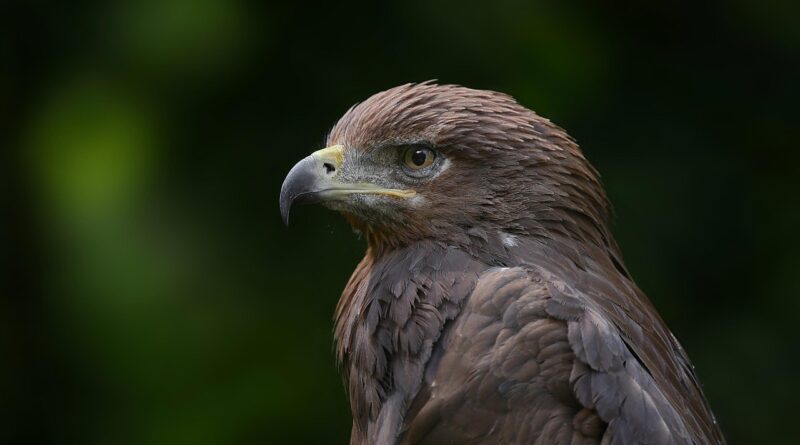
Eagle with snake tattoo meaning and design ideas
What an eagle with snake tattoo means
An eagle with snake tattoo most often symbolizes a struggle between opposing forces: sky and earth, freedom and danger, discipline and instinct, or protection and temptation. In many tattoo designs, the eagle stands for power, vision, courage, independence, and spiritual height. The snake can suggest threat, transformation, wisdom, hidden fear, healing, or rebirth. When the two animals are shown fighting, the tattoo usually points to conflict, survival, and the will to overcome something difficult. When they are shown in balance rather than violence, the design can suggest integration: a person learning to live with both ambition and instinct.
Because the eagle and serpent appear in different cultural, national, and religious contexts, this tattoo should not be reduced to one universal meaning. A Mexican flag-inspired eagle and snake design, for example, carries a very different meaning from an American traditional battle scene or a personal tattoo about recovery.
Core symbolism of the eagle and the snake
The strength of this tattoo comes from contrast. The two animals are visually distinct, symbolically rich, and readable even from a distance. That is why the design remains popular in traditional, blackwork, illustrative, and neo-traditional tattooing.
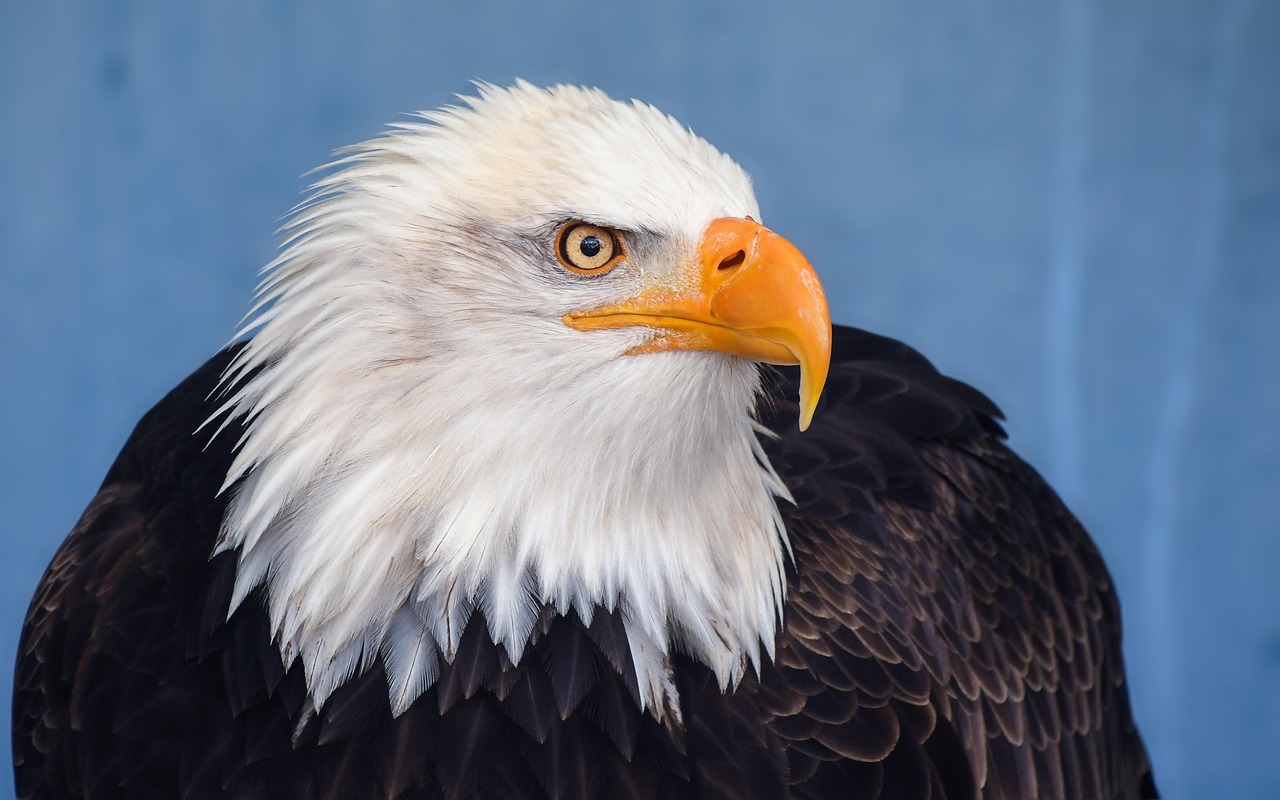
The eagle as vision, power, and freedom
The eagle is usually read as a sky symbol. Its wings, claws, sharp beak, and hunting posture create a sense of command. In tattoo language, an eagle may suggest independence, authority, focus, victory, courage, patriotism, or the ability to rise above a problem. A flying eagle often feels expansive and free, while a diving eagle feels aggressive and decisive.
In an eagle and snake composition, the eagle can represent the part of a person that wants clarity, control, direction, and elevation. This does not always mean moral purity. In some designs, the eagle is simply the stronger predator. In others, it is the guardian figure protecting the wearer from a danger represented by the serpent.
The snake as transformation, danger, and instinct
The snake is more ambiguous. It can mean danger, betrayal, secrecy, temptation, fear, and poison. It can also mean healing, renewal, fertility, protection, patience, and transformation because snakes shed their skin. This double meaning is one reason snake tattoos remain powerful: the same image can feel threatening, sacred, sensual, or wise depending on style and context.
When paired with an eagle, the snake often becomes the force that must be confronted. It may stand for addiction, trauma, a destructive habit, a rival, a past identity, or a hidden truth. For other wearers, the snake is not the enemy. It is the grounded, instinctive, resilient part of the self that needs to be understood rather than destroyed.
The battle between sky and earth
The most common reading is the clash of sky and earth. The eagle attacks from above; the snake coils, strikes, or resists from below. This creates a clear story in a single image: the moment of confrontation. The tattoo can speak to victory over fear, the fight for freedom, or the tension between spiritual goals and earthly realities.
This is also why the design works well visually. Wings give the piece width and movement, talons create a focal point, and the snake’s body can wrap through the design to guide the eye. A skilled tattoo artist can use this movement to fit the piece naturally on the arm, chest, back, ribs, or thigh.
Cultural meanings and why context matters
One of the most important things to understand is that an eagle with snake tattoo can carry cultural meaning beyond personal symbolism. The design may look like a general animal battle to one person, but to another it may directly reference national identity, ancestral history, religion, or folklore.
Mexican and Aztec-inspired symbolism
The best-known eagle and serpent image is connected with Mexico’s national emblem: an eagle on a cactus with a serpent. Official Mexican cultural sources describe the image as connected to the founding story of Mexico-Tenochtitlan, although historians also note that the exact form of the image developed through historical interpretation and later national symbolism. For many people with Mexican heritage, a tattoo based on this image is not only about conflict or victory. It can represent family roots, national pride, Indigenous history, and belonging.
If a tattoo clearly imitates the Mexican coat of arms, it should be approached with care and respect. The details matter: the cactus, the eagle’s posture, the serpent, and the overall emblem-like composition all change the meaning. A wearer who has no connection to Mexican culture may still admire the image, but should consider whether a more general eagle-and-snake battle design would be more appropriate.
Good versus evil in Western readings
In many Western interpretations, the eagle is read as noble or righteous, while the serpent is read as dangerous, deceptive, or corrupt. This comes partly from religious and literary traditions where serpents are associated with temptation or evil. In tattoo form, this can make the eagle with snake design feel like a statement of moral victory: clarity overcoming deceit, courage defeating fear, or discipline conquering weakness.
That interpretation is common, but it is not the only one. Serpents are not negative in every tradition. They can also represent knowledge, healing, guardianship, and renewal. A thoughtful design can avoid a flat good-versus-evil message by showing the snake with dignity rather than treating it as a disposable villain.
Personal symbolism beyond tradition
Many modern tattoos borrow from older symbols but are ultimately personal. Someone may choose an eagle and snake to mark recovery, a hard decision, military service, a spiritual change, a break from a toxic relationship, or the ability to survive pressure. In this kind of design, the wearer’s story matters more than a dictionary definition.
Before committing, it helps to put the meaning into one sentence. For example: “This tattoo represents the discipline I needed to overcome a destructive part of my life.” That sentence can guide the artist’s choices, including whether the eagle should dominate the snake or whether the two animals should appear locked in equal struggle.
Design styles that change the meaning
The same subject can feel heroic, dark, patriotic, spiritual, or decorative depending on tattoo style. For a design this symbolic, style is not just an aesthetic choice. It changes how the meaning is read.
American traditional eagle and snake
American traditional designs use bold lines, limited colors, strong silhouettes, and readable shapes. An eagle and snake in this style often feels direct, tough, and timeless. The eagle may have spread wings, red or yellow accents, and a fierce expression. The snake may be green, black, or red with a dramatic open mouth.
This style is a strong choice for arms, shoulders, calves, and chests because it stays readable as the tattoo ages. The symbolism usually leans toward battle, bravery, defiance, and survival. See also: tattoo care.
Blackwork and fine-line interpretations
Blackwork can make the tattoo feel more graphic, serious, and symbolic. Heavy black shading emphasizes the violence and weight of the struggle. Fine-line work, by contrast, can make the image feel more elegant or spiritual, especially if the eagle and snake are arranged in a circular or balanced composition.
Fine-line versions should be planned carefully because feathers, scales, eyes, and claws can become crowded if the tattoo is too small. For long-term clarity, the artist may simplify details rather than trying to include every scale and feather.
Realism and illustrative designs
Realistic eagle and snake tattoos can be dramatic, especially on larger placements. They work well when the wearer wants the animals to feel alive and physically powerful. However, realism needs space. A small realistic eagle gripping a coiled snake may blur over time if too much detail is packed into a limited area.
Illustrative designs offer a practical middle ground. They can keep anatomical detail while allowing cleaner lines, stronger contrast, and a more symbolic composition. This is often a good choice for a tattoo that needs to be both meaningful and durable.
Placement, size, and composition ideas
An eagle with snake tattoo usually needs enough room for wings, talons, coils, and movement. Small versions are possible, but the design tends to be stronger when the composition has space to breathe.
| Placement | Why it works | Best design approach |
|---|---|---|
| Chest | Wide space suits open wings and a central battle scene | Symmetrical eagle, snake crossing the sternum, bold shading |
| Upper arm | Good for classic tattoo shapes and visible movement | Traditional or illustrative eagle gripping a coiled snake |
| Back | Large canvas allows detail and cultural references | Full scene, extended wings, cactus or landscape elements if appropriate |
| Thigh | Enough surface for realism or neo-traditional color | Dynamic diagonal composition with strong contrast |
| Forearm | Readable vertical layout for daily visibility | Snake wrapping through the design, eagle angled downward |
Composition determines the message. If the eagle is above the snake with talons locked in, the tattoo reads as dominance and victory. If the snake coils around the eagle, it may suggest ongoing struggle or danger. If both animals form a circle, the meaning shifts toward balance, cycles, and inner tension. If the snake is in the eagle’s beak, the design feels more final, like a completed conquest.
For more animal and symbolic tattoo interpretations, you can explore the broader tattoo meanings section.
Questions to ask before getting this tattoo
Because this design is bold and culturally loaded, planning matters. A strong eagle and snake tattoo is not just a striking image; it should have a clear reason, clean composition, and enough space to age well.
- What is the main meaning? Decide whether the tattoo is about victory, balance, heritage, transformation, protection, or survival.
- Which animal should dominate? The eagle, the snake, or equal tension between them will change the emotional message.
- Is the design culturally specific? If it references Mexico’s emblem, Aztec-inspired imagery, military symbols, or religious meaning, research the context and avoid casual copying.
- Will the size support the detail? Feathers and scales need room. If the tattoo is small, simplify the design.
- Should it be color or black and gray? Color can make the animals more dramatic, while black and gray can feel more serious and timeless.
- How will it age? Strong outlines, clear contrast, and uncluttered negative space usually hold better than tiny packed detail.
A useful approach is to bring references for mood rather than asking an artist to copy a finished tattoo. Show examples of wing shape, snake posture, line weight, and overall style, then let the artist create an original composition that fits your body.
Common variations and what they suggest
Small changes in the image can make the meaning more specific. These variations are worth considering before the final stencil is drawn.
- Eagle killing a snake: Triumph, survival, decisive victory, or defeating a personal threat.
- Eagle carrying a snake: Control, protection, mastery, or moving beyond a past struggle.
- Snake wrapped around eagle: Temptation, pressure, unresolved conflict, or a difficult force that still has power.
- Eagle and snake in a circle: Balance, duality, cycles of change, or the union of instinct and higher purpose.
- Mexican emblem-inspired design: Heritage, national pride, family identity, or connection to the story of Mexico-Tenochtitlan.
- Skull with eagle and snake: Mortality, danger, hard transformation, or victory after loss.
- Flowers with eagle and snake: Growth after conflict, softened aggression, remembrance, or renewal.
Not every variation needs extra elements. In many cases, the strongest version is the clearest one: eagle, snake, movement, contrast, and a composition that fits the body. Adding too many symbols can make the tattoo harder to read and weaken the central idea.
Frequently asked questions
Is an eagle with snake tattoo always about good versus evil?
No. Good versus evil is one common interpretation, especially in Western symbolism, but it is not universal. The design can also represent balance, survival, transformation, cultural heritage, or the struggle between ambition and instinct.
Is an eagle and snake tattoo connected to Mexico?
It can be. An eagle with a serpent is strongly associated with Mexico’s national emblem and the founding story of Mexico-Tenochtitlan. However, not every eagle and snake tattoo is Mexican-inspired. The meaning depends on details such as the cactus, emblem layout, style, and the wearer’s intention.
Where is the best place for an eagle with snake tattoo?
The chest, upper arm, back, thigh, and forearm are strong placements because they offer room for wings, claws, and snake coils. Larger areas work better for realism or cultural detail, while traditional designs can work well at medium size.
Should the tattoo be color or black and gray?
Both can work. Color is effective for American traditional and neo-traditional designs because it adds energy and contrast. Black and gray is often better for a serious, timeless, or realistic look. The best choice depends on your style, skin tone, placement, and how much visual drama you want.
What should I avoid in this design?
Avoid copying another person’s tattoo, overloading the design with tiny details, or using culturally specific imagery without understanding it. Also avoid making the tattoo too small if you want detailed feathers, scales, eyes, and movement. Clear composition will matter more over time than excessive detail.