

Tattoo ideas with meaning for personal, symbolic, and timeless designs
How to choose tattoo ideas with meaning
The strongest tattoo ideas with meaning usually begin with a clear personal reason. From there, the idea can be shaped into a design that is readable, wearable, and still honest years later. A meaningful tattoo does not have to be large, complex, or easy for everyone else to interpret. It might be a date, flower, short line of script, animal, cultural motif, fine-line symbol, or abstract composition tied to a private experience.
For many people, the starting point is a feeling rather than an image: grief, survival, family, freedom, faith, transformation, or a new chapter. A good design translates that feeling into visual language. It should be specific enough to feel personal, but not so dependent on a trend that it loses meaning as tastes change. If you are still comparing visual directions, browsing related tattoo styles can help you match the meaning to the right aesthetic.
Start with the meaning before the motif
One common mistake is choosing a symbol first and assigning meaning afterward. That can work, but it often leads to designs that feel generic. A stronger process starts with the message. Decide what the tattoo needs to hold: a person, a promise, a lesson, a place, a belief, or a version of yourself you want to remember.
Write the meaning in one sentence before collecting reference images. Instead of starting with “I want a butterfly,” try “I want a tattoo that marks recovery after a difficult period.” A butterfly may still be the right answer, but so might a phoenix, a sprouting branch, a moon phase, a wave, or an abstract broken-and-repaired line. This approach gives the artist more room to create something personal and reduces the risk of copying a design that already belongs to someone else.
Meaningful tattoos often fall into a few broad families. These categories can guide the brief without forcing the final design into a cliché.
- Identity tattoos: names, initials, birth flowers, zodiac elements, handwriting, hometown references, heritage patterns, or language-based designs.
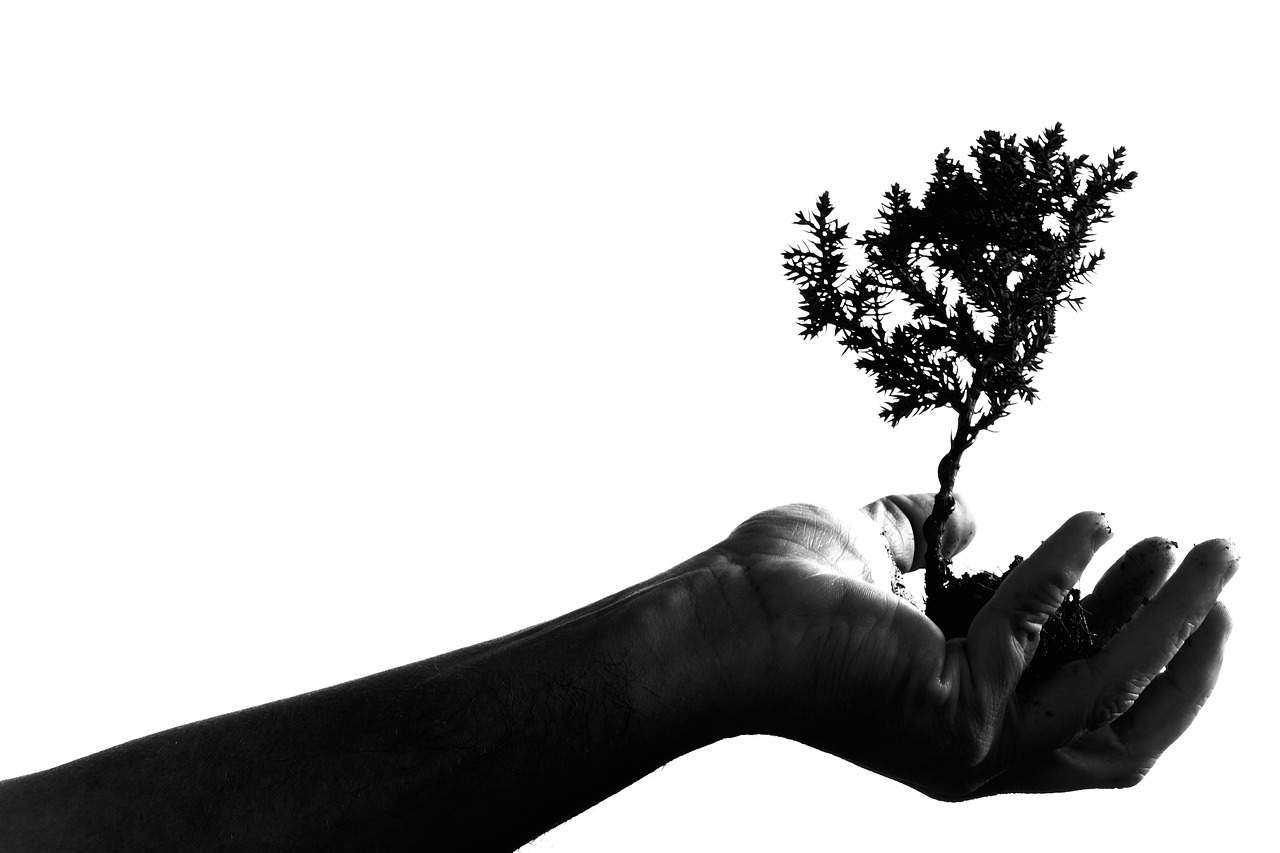
- Growth tattoos: butterflies, trees, seeds, mountains, phoenixes, sunrise imagery, arrows, or unfinished lines that suggest progress.
- Protection tattoos: eyes, guardian animals, shields, sacred geometry, spiritual symbols, or objects connected to safety.
- Love and bond tattoos: matching symbols, family constellations, parent-child motifs, pet portraits, coordinates, or shared phrases.
- Remembrance tattoos: dates, handwriting, memorial flowers, sound waves, objects associated with a person, or subtle portrait-inspired details.
- Values tattoos: words such as courage, patience, balance, hope, or discipline, as well as symbols that represent those ideas visually.
Meaningful tattoo ideas by theme
The same symbol can carry different meanings for different people, so the ideas below are best treated as starting points rather than fixed definitions. A rose may suggest romance for one person, grief for another, and resilience for someone else because of its thorns. The meaning becomes stronger when the design includes a personal detail, such as a birth month, location, style reference, or composition that reflects your story.
Growth and transformation
Butterflies, moths, phoenixes, snakes, lotus flowers, seedlings, and moon phases are common choices for transformation because they show change visually. A butterfly can represent softness after hardship. A snake can suggest renewal through shedding. A lotus can represent rising from difficult conditions. Moon phases can mark cycles, patience, and emotional change.
To make these designs less generic, add a timeline or identity detail. A moon phase can connect to a specific date, a butterfly wing can include a hidden initial, or a small sprout can grow from a meaningful word. Details like these keep the tattoo personal without making the composition feel crowded.
Strength and resilience
Strength tattoos do not need to look aggressive. Mountains, waves, anchors, swords, bears, lions, oak trees, and repaired objects can all represent endurance. A mountain may show persistence. A wave may represent surviving change. An anchor can suggest stability. A cracked vase repaired with gold-like lines can symbolize beauty after damage, inspired by the idea of visible repair.
For a quieter interpretation, consider minimalist lines, small placement, or negative space. A tiny mountain behind the ear, a fine-line wave on the wrist, or a single word in personal handwriting can carry more emotional force than a large design if it better matches your personality.
Love, family, and connection
Family tattoos are often more meaningful when they avoid overly literal treatment. Instead of a full family tree, you might choose leaves for each family member, small stars in a constellation, birth flowers arranged in a bouquet, or coordinates of a shared home. For parents, children’s handwriting, a small drawing, a birth time, or a simple outline of hands can become a deeply personal tattoo.
Matching tattoos can also work well, but they should be chosen with care. A shared symbol is usually more flexible than a full name, especially for friendships or romantic relationships. If names are important, many people prefer initials, handwriting, or a coded reference that can still feel meaningful if life changes.
Memory and tribute
Memorial tattoos are among the most personal forms of body art. They may include handwriting, dates, favorite flowers, birds, religious symbols, objects linked to a loved one, or small portrait elements. A memorial tattoo does not need to explain the whole relationship. In many cases, it only needs to hold one meaningful part of it.
If the tattoo uses handwriting or a portrait, bring the clearest reference available and discuss longevity with the artist. Tiny script and highly detailed miniature portraits can blur over time, so size and placement matter. A skilled artist can help preserve the emotional detail while adapting it for skin.
Freedom, travel, and direction
Compasses, maps, birds, arrows, airplanes, waves, coordinates, and horizon lines are common choices for freedom and movement. These designs can represent travel, independence, a major move, or the decision to choose a new path. Coordinates are especially personal, but they should be checked carefully before the appointment because even one wrong digit changes the location.
For a more original travel tattoo, consider a small landscape outline, a local plant from a meaningful place, a skyline fragment, or a map line from a real route. These details often feel more personal than a generic compass.
Symbol ideas and what to consider before choosing them
Many symbols have long histories across different cultures, religions, and artistic traditions. That does not mean every symbol is off limits, but context matters. Before using a sacred, tribal, or culturally specific image, learn where it comes from and whether it is appropriate for you to wear. A meaningful tattoo should not depend on removing a symbol from a culture you do not understand.
| Symbol or motif | Common meaning | How to personalize it | Important caution |
|---|---|---|---|
| Lotus | Growth, peace, rising through difficulty | Add birth month color, water lines, or a date | Understand spiritual associations before using religious elements |
| Phoenix | Rebirth, survival, renewal | Use ashes, flame shape, or abstract wings | Large designs usually age better than tiny detailed versions |
| Mountain | Strength, patience, achievement | Base it on a real place or route | Very fine ridge lines may soften over time |
| Birth flower | Identity, family, memory | Combine several flowers into one bouquet | Confirm the flower tradition you want to follow |
| Coordinates | Home, travel, life-changing place | Use a meaningful location with a simple font | Double-check every number before tattooing |
| Script | Promise, value, quote, name | Use personal handwriting or a short phrase | Small lettering can blur, especially in delicate fonts |
Placement changes the meaning and the experience
Placement is not only a practical choice. It affects how private, visible, intimate, or expressive the tattoo feels. A small wrist tattoo may work as a daily reminder. A rib tattoo may feel more private. A shoulder or forearm piece may invite conversation. A back tattoo can hold a larger symbolic composition without being visible every day. See also: tattoo care.
Visibility also matters for work, family, climate, and personal comfort. While tattoos are widely accepted in many settings, expectations still vary by industry, location, and role. If you want flexibility, choose an area that can be covered easily. If the tattoo is meant to be a public statement, a more visible placement may support that purpose.
Pain tolerance is another practical factor. Areas with thinner skin, more nerve endings, or less cushioning can feel more intense, while fleshier areas may be easier for longer sessions. Individual experience varies, so avoid choosing placement based only on a pain chart. Ask your artist how the design, size, and detail level fit the area you are considering.
- Wrist or inner arm: good for reminders, names, small symbols, and fine-line work.
- Forearm: readable, expressive, and suitable for medium designs with detail.
- Rib or side: private and emotional, often chosen for script or memorial pieces.
- Shoulder or upper arm: flexible for symbols, florals, animals, and future expansion.
- Back: useful for larger stories, symmetrical designs, and detailed compositions.
- Ankle or foot: subtle, but may require extra thought because of friction and fading risks.
How to make a meaningful tattoo feel original
Originality does not require inventing a completely new symbol. It often comes from combining familiar elements in a way that reflects your life. A rose is common; a rose drawn from a family garden and paired with a grandmother’s handwriting becomes specific. A wave is common; a wave shaped from the coastline of your hometown becomes personal.
One useful method is to combine three layers: the core meaning, the visual symbol, and the personal detail. If the meaning is resilience, the symbol might be a mountain and the personal detail might be the outline of a trail you completed. If the meaning is family, the symbol might be a bouquet and the personal detail might be each person’s birth flower.
- Define the sentence: Write what the tattoo means in plain language.
- Choose the symbol family: Decide whether the idea fits nature, script, geometry, animals, objects, or abstract art.
- Add a personal detail: Use a date, location, flower, handwriting, number, or hidden mark.
- Select the style: Match the emotion to fine line, traditional, blackwork, realism, ornamental, watercolor-inspired, or minimalist design.
- Test the design: Look at the sketch at different sizes and imagine wearing it for years.
It is also wise to avoid copying a tattoo from social media exactly. Reference images can help explain mood, placement, and style, but a reputable artist should adapt the idea into a new design. This protects the originality of your tattoo and respects the work of other artists.
Practical checks before booking the appointment
A meaningful idea still needs safe execution. Public health agencies and dermatology organizations commonly advise choosing a licensed studio, following aftercare instructions, and watching for signs of infection or allergic reaction. Requirements vary by location, so local licensing rules and studio hygiene standards matter. If you have sensitive skin, a medical condition, a history of keloids, or concerns about ink reactions, consult a qualified health professional before getting tattooed.
Design longevity is another important check. Very small details, delicate script, and tightly packed lines can soften as the tattoo heals and ages. This does not mean you must avoid fine-line tattoos, but size, spacing, and placement should be realistic. Ask the artist what will remain clear over time, not just what looks impressive in a fresh photo.
Before the appointment, confirm spelling, dates, coordinates, translations, and cultural references. Translation tattoos deserve special caution. Do not rely on automatic translation alone, especially for languages you do not read. A native speaker or qualified translator can help prevent permanent mistakes.
- Check the artist’s healed work, not only fresh portfolio photos.
- Ask whether the design size supports the level of detail you want.
- Confirm all names, dates, numbers, and coordinates in writing.
- Follow the studio’s aftercare instructions rather than mixing advice from random sources.
- Give yourself time to sit with the design before committing.
Frequently asked questions
What tattoo has the deepest meaning?
The deepest meaning usually comes from personal connection, not from the symbol alone. A small date, handwritten word, or simple flower can be more meaningful than a complex design if it represents a real person, turning point, or value in your life.
What are meaningful tattoo ideas for a first tattoo?
Good first ideas include birth flowers, small script, a family initial, a simple mountain, a moon phase, a pet outline, coordinates, or a minimalist symbol of growth. Choose a design that is easy to place, easy to read, and not dependent on a passing trend.
Are matching tattoos a good idea?
Matching tattoos can be meaningful when the symbol stands on its own. Instead of choosing a design that only makes sense as a pair, consider a motif that still feels personal if your relationship changes or if one person later wants a different style.
Should I get a name tattoo?
Name tattoos can be powerful for children, parents, memorials, or deeply stable relationships. For situations that may change, initials, handwriting, dates, or symbolic references may offer more flexibility while keeping the meaning intact.
How do I avoid a tattoo I might regret?
Slow the process down. Define the meaning, research the symbol, check the artist’s healed work, confirm every detail, and live with the design mockup for a while. A meaningful tattoo should feel steady after the initial excitement fades.
Final thoughts
Meaningful tattoos work best when they combine emotion, clarity, and sound design judgment. Start with the story you want to carry, then choose a symbol, style, and placement that can hold that story well. A tattoo does not need to explain everything to everyone. It only needs to remain honest to you, visually balanced on the body, and carefully made by an artist whose work fits the idea.