

Leg tattoo placement guide for thigh, calf, shin, knee, and ankle designs
Quick answer on choosing leg tattoo placement
The best leg tattoo placement depends on what you want the tattoo to do: stay private, frame the body, hold detail, or make a bold visual statement. For most first-time leg tattoos, the outer thigh and outer calf are practical options because they offer usable space, are relatively easy to cover, and usually face less day-to-day friction than areas around the knee, ankle, or inner thigh. A shin, knee, or ankle tattoo can look striking, but these placements need more planning because the skin sits close to bone, bends often, or rubs against shoes and clothing.
Think of leg tattoo placement as a design decision, not just a pain decision. The right spot should match the artwork’s size, direction, visibility, and healing conditions. If you are comparing placements across the body, our tattoo placement guides can help you evaluate how leg tattoos differ from arm, back, chest, and rib placements.
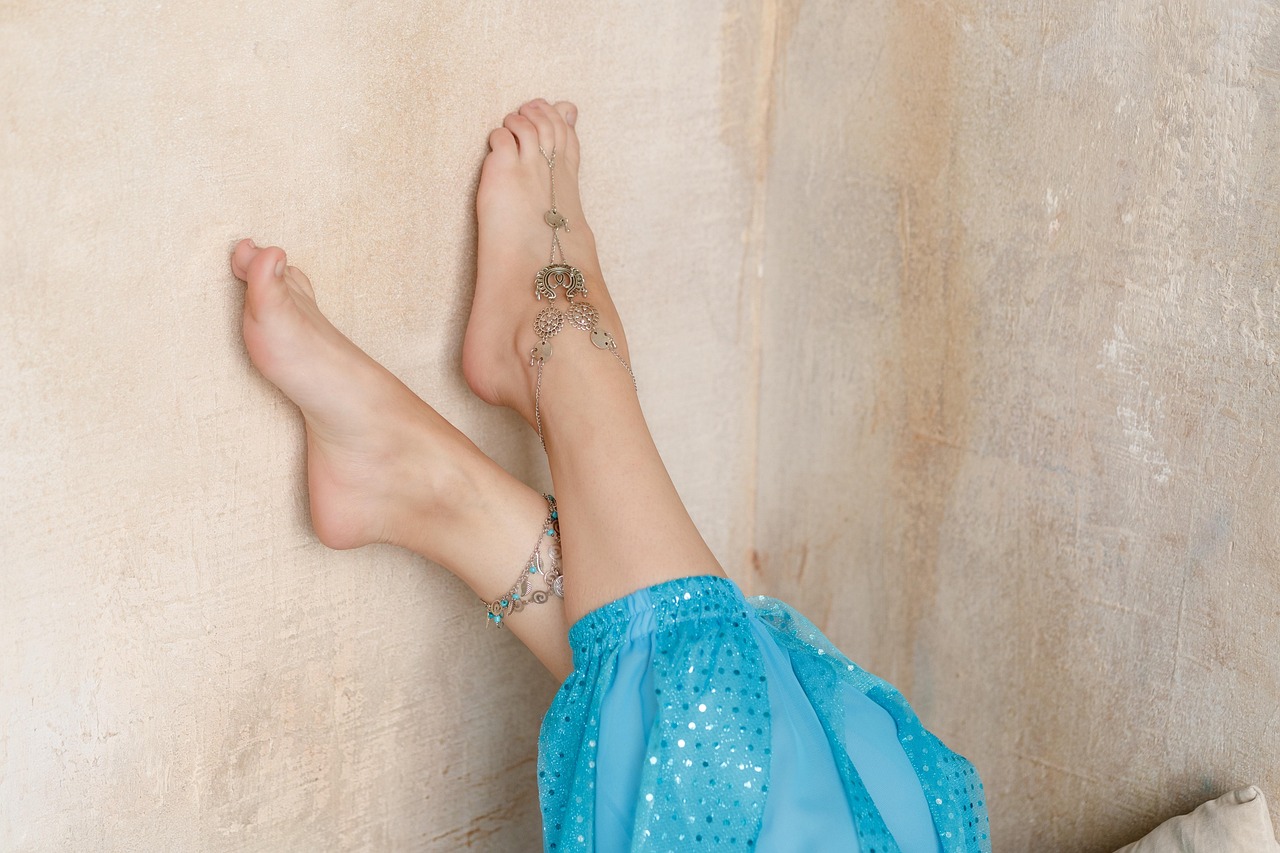
Why the leg is a flexible tattoo canvas
The leg is one of the most adaptable areas for tattooing because it includes large surfaces, narrow vertical lines, curved muscle groups, and small accent zones. A thigh piece can be large and easy to conceal. A calf tattoo can be visible in shorts but hidden in trousers. A shin tattoo creates a strong front-facing effect. An ankle or foot-adjacent tattoo can feel minimal and personal, while a full leg sleeve can connect multiple panels into one continuous composition.
This flexibility is also why exact placement matters. Two tattoos with the same design can feel completely different depending on whether they sit on the outer calf, wrap around the lower leg, or run down the shin. The leg changes shape when standing, walking, sitting, or flexing, so an experienced artist will usually assess the design on the body in a natural posture, not only on a flat stencil sheet.
The main placement factors are visibility, available space, skin movement, pain tolerance, aftercare practicality, and how the tattoo may age with the body. A design with fine line detail needs enough stable space to remain readable. A bold ornamental band needs careful wrapping so it does not appear tilted. A portrait or realistic animal usually needs a surface that will not distort the face when the knee bends or the calf contracts.
Leg tattoo placement options compared
The table below gives a practical comparison of common leg tattoo placements. Pain levels are described in general terms because individual sensitivity, session length, technique, and design density can all change the experience.
| Placement | Best for | Visibility | Typical considerations |
|---|---|---|---|
| Outer thigh | Large florals, animals, script blocks, illustrative pieces, ornamental panels | Easy to hide; visible in swimwear or short clothing | Often a strong first leg placement because it has room and is less exposed to daily rubbing than the inner thigh |
| Inner thigh | Private designs, symmetrical pieces, soft ornamental work | Usually hidden | More sensitive for many people and more prone to friction from walking or tight clothing during healing |
| Front thigh | Statement pieces, vertical designs, large lettering, framed artwork | Visible in shorts and swimwear | Good space for detail, but placement should account for sitting posture and clothing lines |
| Outer calf | Medium designs, animals, traditional motifs, geometric work, memorial tattoos | Visible in shorts; easy to cover for work | Works well for designs that follow muscle shape; the rounded surface affects stencil layout |
| Back of calf | Vertical pieces, script, symmetrical designs, paired tattoos | Visible from behind in shorts | Can rub against chairs, bedding, or exercise equipment during healing |
| Shin | Bold vertical designs, daggers, florals, dragons, ornamental lines | Highly visible in shorts | Skin over bone can feel sharper; designs need strong contrast to read from the front |
| Knee | Mandala, web, floral center, bold traditional designs | Very visible when uncovered | Movement, swelling, and curved anatomy make it a more advanced placement |
| Ankle | Small symbols, fine line motifs, bands, initials, delicate florals | Seasonally visible depending on shoes and clothing | Can be affected by socks, shoes, swelling, and thin skin near bone |
How design style should guide placement
Placement should support the design’s natural direction. Long vertical designs usually work well on the shin, side calf, outer thigh, or down the side of the leg. Round designs often suit the knee, outer thigh, or calf muscle, but they need careful alignment so the center does not drift visually when the body moves. Horizontal bands around the thigh, calf, or ankle can look clean, yet they are technically demanding because a small stencil angle can become obvious once the line wraps around the limb.
Large leg tattoos need breathing room
Large designs need more than empty skin. They need enough space for contrast, negative space, and future aging. A detailed tiger, dragon, phoenix, portrait, or full floral arrangement may look compressed if it is forced into a small calf area. The thigh often provides a better canvas for larger work because the artist can use scale to preserve detail. For lower-leg pieces, simplifying the design or using bolder lines can help the tattoo remain readable from a normal viewing distance.
Small tattoos need a placement that will not swallow them
A small tattoo can disappear visually if it is placed in the middle of a large area without a clear reason. Minimal symbols, small script, and fine line designs often work better near a natural landmark: above the ankle bone, along the side of the calf, just above the knee, or on the upper outer thigh. These placements give the tattoo a visual anchor without making the design larger than intended.
Symmetry matters on both legs
Paired leg tattoos require extra planning. A design on each calf, each thigh, or each shin should be mapped while standing so the height and angle look balanced. The human body is not perfectly symmetrical, so exact stencil measurements may not always look visually equal. Good placement usually combines measurement with how the tattoo appears from the front, side, and back.
Pain, healing, and clothing friction
Pain should be part of the decision, but it should not be the only factor. Many people find fleshier areas such as the outer thigh or outer calf more manageable than bony or high-movement areas such as the shin, knee, and ankle. Inner thigh tattoos can feel more sensitive because the area is softer and more prone to friction. Knee tattoos can be challenging because the skin stretches and compresses every time the joint moves.
Healing is just as important as the appointment itself. The American Academy of Dermatology describes some redness and swelling after a tattoo as common, but it also advises paying attention to warning signs such as worsening pain, pus, or fever. The U.S. Food and Drug Administration has also warned that tattoo inks can be associated with infections or allergic reactions, particularly when contamination or unsafe practices are involved. Mayo Clinic similarly notes that tattoos can carry risks such as infection, allergic reaction, scarring, and occasional MRI-related skin reactions.
For leg tattoos, the practical healing issue is friction. Tight jeans, leggings, work uniforms, socks, boots, and athletic gear can irritate a fresh tattoo. A thigh tattoo may rub against fitted clothing. A calf tattoo may contact chair edges, bedding, or compression socks. An ankle tattoo may be affected by shoes. If your job requires long hours standing, protective footwear, or frequent physical movement, schedule the tattoo when you can realistically manage aftercare.
Exercise is another planning point. Running, cycling, heavy leg training, swimming, and contact sports can increase sweat, rubbing, and exposure while the tattoo is still healing. Follow your artist’s aftercare instructions, and do not treat general online advice as a substitute for professional guidance, especially if symptoms look unusual or become worse instead of better. See also: tattoo care.
Visibility and lifestyle considerations
Leg tattoos can be easy to hide or highly visible depending on clothing. This makes the leg useful for people who want control over when their tattoo is seen. The upper thigh is usually private in daily settings. The calf and shin are visible in shorts but concealed in trousers. The ankle sits in between: discreet in long pants and certain shoes, but easy to reveal in sandals, cropped pants, or athletic wear.
Workplace expectations still matter. Even when tattoos are widely accepted socially, some industries, uniforms, and client-facing roles may have appearance rules. If you need a tattoo that remains hidden at work, test the placement with your actual clothing before booking. Sit, walk, bend, and check whether hems rise enough to reveal the design.
Seasonal visibility can also shape placement. A calf tattoo may be seen frequently in summer and almost never in winter. A thigh tattoo may be mainly visible at the beach, gym, or in private settings. An ankle tattoo may be visible in warm weather but hidden under boots in colder months. These details matter because a tattoo that feels subtle in one wardrobe can feel much more public in another.
How to plan a leg tattoo before your appointment
Good planning reduces regrets and helps the artist make better placement choices. Bring reference images for mood and direction, not for copying. Be clear about whether the tattoo should be hidden, visible, expandable, or part of a future leg sleeve. If you might add more tattoos later, leave enough space around the first piece so future work can connect naturally.
- Decide the viewing angle: front-facing, side-facing, back-facing, or wraparound.
- Match the shape of the design to the body area instead of forcing a flat image onto a curved surface.
- Check clothing lines, socks, shoes, and workwear before approving the stencil.
- Ask how the design will look when standing, walking, and sitting.
- Consider whether the tattoo needs room for future additions.
- Plan your schedule so healing is not disrupted by travel, sports, swimming, or tight uniforms.
- Choose a studio that follows professional hygiene practices and provides clear aftercare instructions.
Before the needle starts, examine the stencil from several angles. Stand naturally, bend the knee, and look in a mirror. For side calf or thigh placements, ask whether the design is meant to face forward, outward, or follow the leg’s vertical line. Small adjustments before tattooing can make a major difference once the tattoo is permanent.
Frequently asked questions
What is the easiest leg tattoo placement for a first tattoo?
The outer thigh or outer calf is often the most practical starting point because these areas provide enough space for clean design work and are easier to cover with clothing. They also tend to avoid some of the friction and sharpness associated with the inner thigh, knee, shin, and ankle.
Where should I place a small leg tattoo?
Small leg tattoos often look best near a natural visual point, such as above the ankle, on the side of the calf, above the knee, or on the upper outer thigh. This keeps the tattoo intentional rather than making it look isolated in a large empty area.
Are shin tattoos a good idea?
Shin tattoos can look strong and graphic, especially for vertical designs, but they are not the easiest placement for everyone. The skin sits close to bone, so the sensation can feel sharper, and the placement is highly visible when the lower leg is uncovered.
Do leg tattoos stretch or distort?
All tattoos move with the body, but thoughtful placement can reduce distortion. Areas around the knee bend often, while the calf and thigh change shape with muscle movement. An artist can place the stencil so the design still reads well when the leg is in a natural position.
How do I choose between thigh and calf placement?
Choose the thigh if you want a larger or more private tattoo with room for detail. Choose the calf if you want a medium-size design that is easier to show in casual clothing but still simple to cover in professional settings. The better option depends on the design’s shape, your wardrobe, and how visible you want the tattoo to be.