
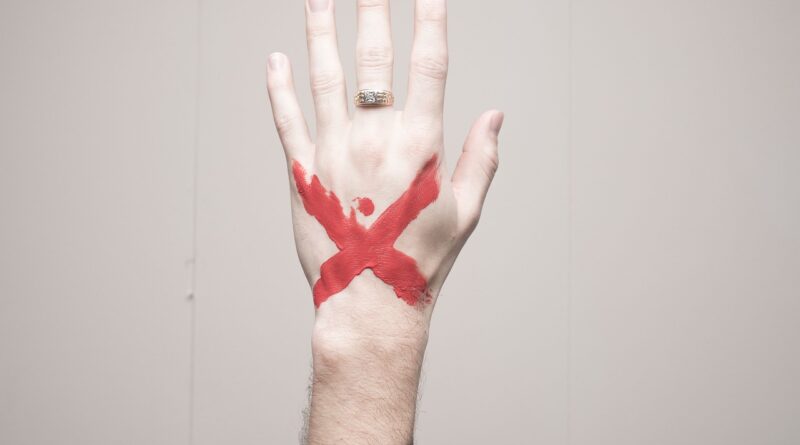
Red tattoo ideas for bold ink, subtle accents, and safer planning
Red tattoos work best when the design has a clear color role
Red tattoo ideas can be striking, minimal, romantic, symbolic, or graphic. The strongest designs usually treat red as a deliberate visual choice, not a novelty. Red can carry an entire tattoo, outline a fine-line piece, or work as a small accent inside blackwork. Before booking, the key questions are practical: how much red should be used, where will it sit on the body, how should it read after healing, and what ink-related risks should be discussed with the artist?
Public health and dermatology sources, including the U.S. Food and Drug Administration, Mayo Clinic, and the American Academy of Dermatology, note that tattoo inks can be linked with allergic reactions or infections. Red is often discussed as a color that deserves extra caution. That does not mean everyone should avoid red ink. It means design planning should cover both appearance and practical considerations, including healed color, skin tone, aftercare, and the studio’s hygiene standards.

Why red changes the mood of a tattoo
Red has a different visual weight from black, grey, blue, or green. Depending on the shade and linework, it can feel warm, urgent, ceremonial, romantic, rebellious, or delicate. A small red line can look intentional because the color naturally draws the eye. A large red area can feel powerful, but it also makes healing, saturation, and long-term readability more important.
Before choosing a design, decide what red is meant to do. In tattoo composition, red usually works in one of four ways:
- Main ink color: the entire tattoo is red, often used for script, symbols, florals, dragons, hearts, or fine-line motifs.
- Accent color: red appears in one part of a mostly black tattoo, such as a flame, blood drop, flower petal, eye, ribbon, or sun.
- Contrast layer: red sits behind or beside blackwork to create movement, shadow, energy, or a stamped effect.
- Symbolic marker: red highlights meaning, such as love, warning, courage, luck, passion, protection, or remembrance.
If you are still comparing themes, browse related tattoo ideas and save examples that show healed red ink, not only fresh studio photos. Fresh red often looks sharper and brighter than it will once the skin has settled.
Red tattoo ideas by style
Fine-line red script
Red script works well for short words, dates, initials, coordinates, or one-line phrases. Compared with black ink, the color can soften the look and make a personal tattoo feel more like a mark or memory than a label. Keep the lettering simple. Very thin strokes, tight spacing, and long cursive phrases can lose clarity faster, especially on high-movement areas such as fingers, wrists, ankles, and ribs.
Red thread and ribbon tattoos
A red thread tattoo can represent connection, fate, protection, family, or continuity. It may wrap around a wrist, ankle, finger, collarbone, or arm. Ribbon designs can be minimal or ornamental, and they usually work best when the line has movement rather than sitting flat. For a subtle design, use a single continuous red line. For a bolder design, combine the ribbon with black botanical details or small charms.
Red flowers and botanical designs
Roses, poppies, peonies, cherry blossoms, and small wildflowers are natural fits for red ink. A full red flower can feel classic, while a black outline with selected red petals is often easier to balance. Botanical tattoos also offer flexible scale: a tiny red flower behind the ear feels delicate, while a forearm stem or shoulder piece can create stronger flow. Ask your artist whether the petals need black or dark red structure so the flower does not heal as a flat color patch.
Red dragons, snakes, and mythic creatures
Red is a strong match for dragons, snakes, phoenixes, koi, tigers, and other movement-based tattoo themes. These designs benefit from curves, scales, flames, and negative space. A red dragon drawn with fine linework can feel elegant; a red-and-black dragon can look more graphic and durable. For larger mythic pieces, red usually works best with a clear black skeleton of lines or shadows so the design remains readable from a distance.
Red hearts, anatomical motifs, and love symbols
Heart tattoos can move in many directions: tiny red outline hearts, sacred heart imagery, anatomical hearts, broken hearts, matching couple designs, or folk-art hearts with rays and flames. A small heart can work almost anywhere, but anatomical and sacred heart designs need enough space for inner detail. If the design includes red filling, consider adding black, burgundy, or negative-space structure to avoid a simple blob effect after healing.
Red sun, moon, star, and celestial marks
A red sun can feel bold and symbolic without needing a large size. It works as a circle, rising sun, small burst, or abstract stamp. Red moons and stars are less common than black celestial tattoos, which makes them useful for people who want a familiar symbol with a different tone. These designs suit the inner arm, shoulder, sternum, upper back, calf, and ankle.
Red abstract and brushstroke tattoos
Brushstroke tattoos, red blocks, painterly marks, and abstract shapes can look modern and expressive. They are useful when the goal is feeling rather than literal symbolism. The challenge is intention: abstract red marks need good placement and proportion so they look designed, not accidental. Pairing red with thin black geometry, calligraphy, or negative space can make the composition more deliberate.
Use red as an accent when you want impact without a full red tattoo
For many people, the most wearable red tattoo is not fully red. It is a black tattoo with one controlled red moment. This approach creates a focal point and may make future touch-ups easier than a design built from large red fields. It can also make the tattoo easier to style with clothing and existing tattoos.
| Idea | Why it works | Good placements | Planning note |
|---|---|---|---|
| Black rose with one red petal | Adds emotion without overpowering the design | Forearm, shoulder, calf | Keep the petal large enough to heal clearly |
| Red eye in a black animal tattoo | Creates a sharp focal point | Upper arm, thigh, back | Works best with strong surrounding contrast |
| Red sun behind black linework | Gives warmth and depth | Chest, upper back, forearm | Use clean negative space so the circle stays readable |
| Red flame on black script | Adds motion and attitude | Ribs, forearm, shoulder | Avoid tiny flame tips that may blur together |
| Single red drop or mark | Minimal but symbolic | Wrist, neck, ankle, hand | Small red tattoos still need careful aftercare |
Accent red is also a smart option if you already have blackwork and want cohesion. Instead of adding a separate red tattoo, the artist can place red inside an existing visual language: a stamp-like sun, a red thread passing through black symbols, or a small red flower near older black linework.
Placement changes how red ink is perceived
Placement affects both style and maintenance. Areas exposed to more sun, friction, stretching, or frequent washing may change faster. Hands, fingers, feet, elbows, knees, and the inner lip are more demanding than the upper arm, shoulder, outer thigh, calf, or upper back. This applies to many tattoos, but red can make changes more noticeable because the color is central to the design’s identity.
For a first red tattoo, consider placements with enough flat space for clean lines: inner forearm, outer arm, shoulder blade, calf, upper thigh, sternum, or upper back. These areas give the artist more room to manage line weight and spacing. If you want a tiny red tattoo on the finger, wrist, or behind the ear, simplify the design and accept that crisp detail may be limited.
Body movement also matters. A red ribbon around a wrist may look beautiful, but it crosses a flexible area. A red script tattoo on the ribs may look elegant, but the session may be less comfortable and the skin moves when breathing. A red flower on the shoulder or thigh gives more design freedom and can be scaled for better longevity.
Choose a shade of red, not just the word red
Red tattoo ink is not one color. Cherry red, crimson, scarlet, brick, oxblood, burgundy, coral red, and muted terracotta create different results. Bright red feels graphic and energetic. Burgundy feels deeper and more mature. Brick red can look earthy and understated. Pinkish red may look softer but can also be less visible depending on skin tone and placement. See also: tattoo care.
The healed appearance of red ink depends on the client’s skin, undertone, placement, ink formulation, technique, and aftercare. On some skin tones, bright red may stay vivid; on others, a warmer or darker red may be more readable. A responsible artist should be able to discuss healed examples on skin tones similar to yours. Fresh photos are useful for composition, but healed photos say more about the final color.
If you want a design that must remain legible for years, ask whether black, deep burgundy, or negative space should support the red. Pure red outlines can be beautiful, but they are less forgiving than black outlines. A red-only tattoo is usually best when the design is simple, spacious, and not dependent on tiny internal details.
Safety questions to ask before getting red ink
Red tattoos are common, but color tattoos should still be planned carefully. The FDA explains in consumer materials that tattoo inks and pigments are subject to its oversight as cosmetics in the United States, while tattooing practices are generally overseen by state and local authorities. The FDA has also noted that contaminated ink can contribute to infections, even when bottles are unopened, and that it has not approved pigments for injection into the skin for cosmetic purposes.
Dermatology sources such as Mayo Clinic and the American Academy of Dermatology describe allergic reactions, granulomas, keloids, infection symptoms, and delayed reactions as possible tattoo-related concerns. Mayo Clinic specifically notes that red ink tends to be more prone to allergic reactions than other colors. The AAD notes that reactions may appear immediately or much later, and that red is often the color involved, although any color can cause a reaction.
Before booking a red tattoo, ask practical questions rather than trying to diagnose risk yourself:
- Can the artist show healed red ink work, ideally on a similar skin tone?
- What brand, shade, and batch information can be recorded for the ink used?
- Is all ink poured into single-use cups rather than reused?
- Are needles and tubes opened from sealed packages in front of the client?
- What aftercare steps does the studio recommend for color tattoos?
- What should you do if redness, swelling, itching, heat, bumps, or fluid persists?
A small test spot is sometimes discussed by artists and clients, but it is not a guarantee because some reactions can be delayed. If you have a history of keloids, significant allergies, immune concerns, or previous tattoo reactions, speak with a qualified healthcare professional or dermatologist before getting a large red piece.
How to narrow your red tattoo idea before the appointment
Bring your artist a clear design direction, not a rigid copy. The best references show mood, placement, line weight, color intensity, and scale. For red tattoos, include at least one healed reference if possible. Tell the artist whether you want the red to look delicate, bright, dark, symbolic, ornamental, or aggressive.
Use this quick decision path:
- If you want subtlety: choose fine-line script, a tiny heart, a red thread, a small star, or one red flower.
- If you want symbolism: choose a dragon, phoenix, sacred heart, poppy, rose, koi, sun, or protective knot.
- If you want graphic impact: choose red-and-black contrast, brushstroke shapes, bold flame work, or a stamp-like red sun.
- If you want long-term readability: keep the design spacious and consider black support lines or darker red shading.
- If you are unsure about red ink: start with a small accent instead of a large red-only tattoo.
A good red tattoo should look intentional from two distances: close enough to appreciate the detail and far enough to understand the silhouette. If it only works in a zoomed-in reference image, simplify it before committing.
Frequently asked questions
Are red tattoos more likely to cause allergic reactions?
Not everyone reacts to red tattoo ink, but dermatology and public health sources commonly identify red as a color associated with allergic reactions. Any tattoo color can cause a reaction, so the better approach is to choose a reputable studio, ask about ink details, follow aftercare, and seek medical advice if symptoms persist or worsen.
Do red tattoos fade faster than black tattoos?
Red can change noticeably over time, especially in areas exposed to sun or friction. Black ink usually provides stronger long-term contrast, which is why many artists add black structure to red designs. Shade, placement, technique, skin tone, and aftercare all affect the healed result.
What are the best small red tattoo ideas?
Strong small options include a red heart, red thread, single flower, tiny sun, small flame, cherry, initial, short word, star, or abstract mark. Keep the design simple and avoid tiny details that depend on perfect color separation.
Can red ink work on darker skin tones?
Yes, but the exact shade matters. Some reds may heal more subtly on deeper or warmer skin tones, while darker reds or red supported by black linework may read more clearly. Ask the artist for healed examples on similar skin before choosing a final shade.
Should a first red tattoo be large or small?
A smaller red accent or simple red-only design is often easier for a first experience. If you want a large red tattoo, choose an artist with strong healed color work and discuss the possibility of multiple sessions, touch-ups, and long-term maintenance.