Cobra tattoo meaning and design ideas for power and protection
What does a cobra tattoo mean?
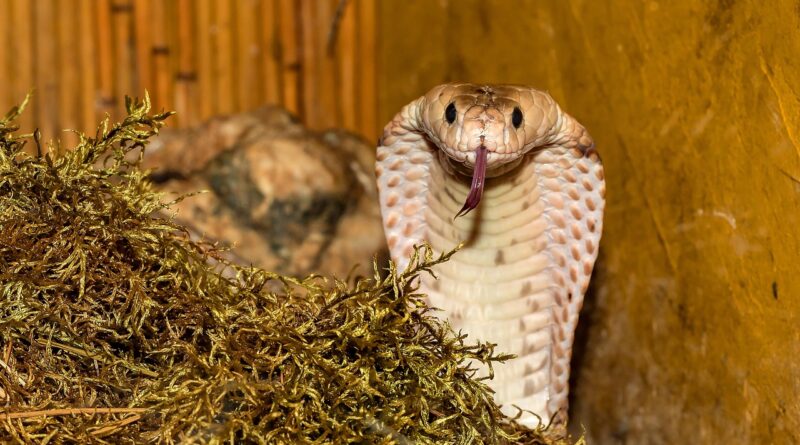
The meaning of a cobra tattoo usually centers on power, protection, danger, transformation, and calm control under pressure. A cobra is not just a generic snake image. Its raised hood, upright posture, and defensive warning display make it a strong symbol of alertness, authority, and self-protection. For some people, a cobra tattoo says, ‘I am dangerous when threatened.’ For others, it represents spiritual guardianship, personal rebirth, discipline, or the ability to face fear without panicking.
The most accurate meaning depends on the pose, style, added symbols, and cultural references in the design. A coiled cobra can feel patient and strategic. A striking cobra can feel aggressive and confrontational. A cobra paired with a lotus, moon, crown, dagger, or skull changes the message again. If you are exploring more symbolic designs, you can compare this idea with other guides in our tattoo meanings section.
Core cobra tattoo symbolism
Cobra tattoos are popular because they combine beauty with threat. Unlike soft floral motifs or simple animal outlines, the cobra carries tension. It can look elegant, sacred, rebellious, or intimidating depending on how it is drawn. That makes it a useful choice for people who want a tattoo with a clear emotional edge rather than a purely decorative image.
| Symbolic theme | What it can mean | Common design cues |
|---|---|---|
| Protection | Guarding yourself, your family, your values, or your boundaries | Raised hood, forward-facing head, shield-like symmetry |
| Power | Authority, confidence, leadership, and personal force | Crown, bold blackwork, large chest or back placement |
| Danger | A warning not to underestimate the wearer | Open mouth, fangs, venom drops, dagger pairing |
| Transformation | Growth, rebirth, leaving an old identity behind | Shedding skin, moon phases, flowers, smoke, fine line details |
| Wisdom and control | Patience, instinct, restraint, and calculated action | Coiled body, calm face, geometric framing |
The key is that a cobra rarely feels neutral. Even a small cobra tattoo tends to suggest watchfulness. The design tells others that the wearer has limits, instincts, and the ability to respond when those limits are crossed.
Cultural meanings behind cobra tattoos
Cobra symbolism has deep roots in several cultures, so it is worth understanding the background before using sacred or historical imagery. A tattoo does not need to copy a religious or royal symbol to borrow the broader themes of protection and power, but accuracy matters when the design includes identifiable cultural elements.
Ancient Egyptian cobra symbolism
In ancient Egyptian art, the upright cobra form known as the uraeus is strongly associated with royalty, divine authority, and protection. Museum descriptions of Egyptian artifacts commonly identify the cobra with the goddess Wadjet, a protective figure connected with Lower Egypt and royal power. This is why cobra imagery appears on crowns, headdresses, and sacred objects in Egyptian visual culture.
For tattoo design, an Egyptian-inspired cobra can suggest sovereignty, spiritual protection, and commanding presence. It should still be approached with care. If the tattoo includes pharaoh crowns, temple imagery, hieroglyph-like marks, or goddess references, the meaning becomes more culturally specific. A clean cobra silhouette inspired by Egyptian symmetry is different from copying sacred iconography without understanding it.
Naga and South Asian serpent symbolism
In Hindu and Buddhist traditions, naga figures are often described as powerful serpent beings associated with water, treasure, protection, and supernatural presence. In art, they may appear as serpents, human-serpent figures, or beings with cobra hoods. This background helps explain why cobra-like imagery can carry meanings beyond danger, including guardianship, spiritual power, fertility, hidden knowledge, and connection to nature.
If you want a design inspired by naga symbolism, avoid treating it as a random exotic decoration. Decide whether you want a general protective serpent tattoo or a design that directly references a deity, temple guardian, mantra, or sacred scene. The more specific the religious reference, the more important it is to research the tradition and work with an artist who can draw it respectfully.
Natural cobra behavior as symbolism
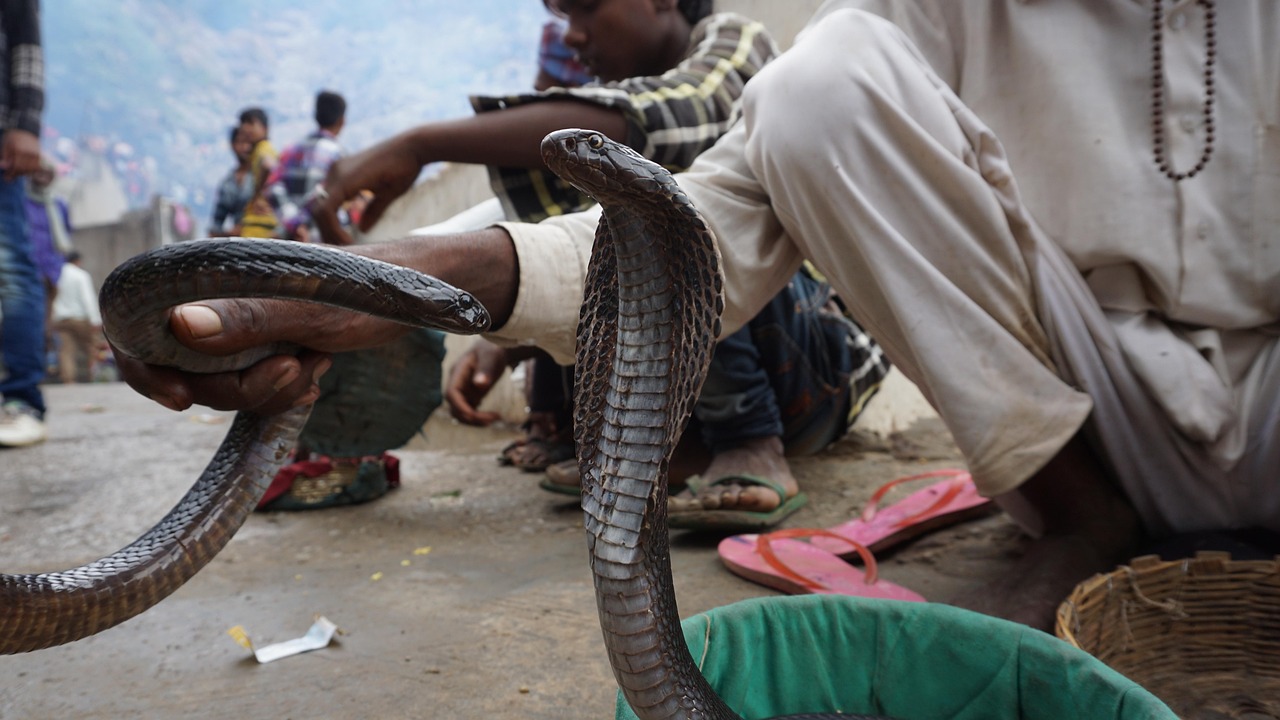
The cobra’s real behavior also shapes its tattoo meaning. Cobras are known for raising the front of the body, expanding the hood, and using visual warning displays when threatened. Natural history sources describe this posture as a defensive signal rather than simple aggression. In tattoo language, that distinction matters. A cobra can symbolize someone who does not seek conflict but is ready to defend themselves.
This is one reason cobra tattoos often appeal to people who relate to restraint. The message is not always attack first. It can be: stay calm, observe, and respond only when necessary.
Popular cobra tattoo design ideas and what they suggest
The same animal can tell very different stories depending on the composition. Before choosing a stencil, think about what the cobra is doing, what surrounds it, and what emotion the face and body create.
Rising cobra with spread hood
This is the most recognizable cobra tattoo design. A cobra rising with its hood open suggests alertness, defense, and visible power. It works well for people who want the cobra identity to be unmistakable. The hood should be clear, balanced, and large enough to remain readable after healing.
Coiled cobra
A coiled cobra has a quieter meaning. It can represent patience, self-control, strategy, and stored energy. Instead of showing immediate attack, it shows readiness. This design works well on rounded body areas such as the shoulder, knee, elbow, or upper arm.
Cobra and dagger
A cobra wrapped around a dagger often represents conflict, survival, betrayal, or the courage to face danger. In traditional tattoo styles, snakes and blades create a strong visual contrast between movement and sharpness. The meaning can be darker than a simple cobra, so it is best suited to someone who wants a symbol of struggle, warning, or overcoming a threat.
Cobra and skull
A cobra with a skull usually points to mortality, fearlessness, and danger. It can also suggest acceptance of life and death, especially when the cobra appears calm rather than furious. This pairing is common in blackwork, neo-traditional, and dark illustrative styles.
Cobra with lotus, moon, or flowers
Adding softer symbols changes the cobra’s tone. A lotus can suggest spiritual growth and rising above hardship. Moon phases can connect the cobra to cycles, intuition, and transformation. Roses or other flowers can create a beauty-and-danger theme. These pairings are useful when you want the cobra to feel protective or transformative rather than purely threatening.
Crowned cobra
A cobra with a crown emphasizes authority, self-respect, and command. It can be a strong choice for a chest, sternum, forearm, or back piece. Keep the crown style intentional. A realistic crown makes the tattoo feel regal, while a rough or broken crown can suggest survival, rebellion, or power earned through difficulty.
Style choices that change the meaning
Style affects symbolism as much as subject matter. A cobra in black ink can feel severe and timeless. A colorful traditional cobra can feel bold and rebellious. A realistic cobra can feel intense, while a fine line cobra can feel elegant and personal. See also: tattoo care.
- Blackwork cobra tattoos: Strong contrast, shadow, and negative space make the design feel protective, serious, and graphic.
- Traditional cobra tattoos: Bold outlines, saturated colors, and simplified forms give the cobra a classic tattoo look with a fearless attitude.
- Neo-traditional cobra tattoos: Decorative scales, jewel tones, flowers, and dramatic faces make the cobra expressive and highly stylized.
- Realistic cobra tattoos: Detail, texture, and accurate anatomy make the design more lifelike and intense, but it usually needs more space.
- Fine line cobra tattoos: Minimal linework can make the symbol subtle and elegant, but very tiny scales and thin details may soften over time.
- Geometric cobra tattoos: Symmetry and patterns can shift the meaning toward balance, discipline, and inner control.
For long-term readability, the hood and head shape are the most important parts. If those features are too small or crowded with details, the tattoo may look like a general snake instead of a cobra.
Best placements for a cobra tattoo
Cobra tattoos work best when the placement matches the animal’s shape. The raised body creates strong vertical movement, while the coiled body creates circular movement. Choosing the wrong placement can make the design feel squeezed or hard to read.
Forearm
The forearm is one of the most practical placements for a cobra tattoo because the long shape supports a rising cobra. It is visible, easy to show, and works for both medium and detailed designs. A forward-facing cobra on the inner forearm can feel personal and protective, while an outer forearm cobra feels more public and assertive.
Upper arm and shoulder
The upper arm gives more room for movement, scales, flowers, daggers, and background shapes. A coiled cobra can wrap naturally around the shoulder cap, while a rising cobra can run from bicep to shoulder. This placement is flexible if you may want to expand into a sleeve later.
Chest and sternum
A centered cobra on the chest or sternum creates a powerful guardian effect. The symmetrical hood can follow the natural centerline of the body. This placement often feels bold, intimate, and intense. It also requires careful planning because the design will move with the ribs and chest.
Back and thigh
The back and thigh are good for large cobras with detailed scales, full bodies, cultural elements, or complex backgrounds. These placements give the artist more room to make the hood, eyes, coils, and supporting symbols clear.
Hand, neck, and face-adjacent placements
Highly visible placements can make a cobra tattoo feel more confrontational. They may also affect work, social interactions, and future cover-up options. If you choose a hand or neck cobra, keep the design simple enough to age well and think carefully about visibility before committing.
How to choose a cobra tattoo that fits you
A meaningful cobra tattoo starts with a clear reason. Ask whether the design represents protection, fearlessness, rebirth, anger, wisdom, personal boundaries, or cultural identity. The clearer your answer, the easier it is for an artist to build a design that feels intentional rather than generic.
Use these questions before your appointment:
- Do I want the cobra to look calm, defensive, sacred, or aggressive?
- Should the tattoo feel personal and hidden, or bold and visible?
- Am I using Egyptian, Hindu, Buddhist, or other cultural references accurately?
- Will the hood, head, and body still be readable at the size I want?
- Do added symbols support the meaning, or are they only decoration?
It is also practical to think about safety and healing. U.S. health guidance from agencies and medical organizations consistently warns that tattoos can carry risks such as infection, allergic reactions, and skin complications. Choose a licensed studio where single-use needles, a hygienic setup, and appropriate aftercare are standard. If redness spreads, pain worsens, pus appears, or fever develops after a tattoo, seek medical advice rather than waiting for it to resolve on its own.
Frequently asked questions
Is a cobra tattoo good or bad?
A cobra tattoo is not automatically good or bad. It usually represents strong qualities such as protection, power, transformation, and warning. The meaning becomes darker if the cobra is drawn with skulls, blood, weapons, or an aggressive attack pose.
What does a cobra tattoo mean for men?
For men, a cobra tattoo often suggests confidence, resilience, discipline, and the ability to defend oneself. However, the symbol is not gender-specific. Anyone can use a cobra tattoo to express boundaries, rebirth, spiritual protection, or personal strength.
What does a cobra and dagger tattoo mean?
A cobra and dagger tattoo commonly points to danger, conflict, survival, and overcoming betrayal or fear. The dagger adds a sharper, more combative meaning, while the cobra adds movement, instinct, and warning.
Is a cobra tattoo disrespectful?
A general cobra tattoo is not usually disrespectful. It can become sensitive when it copies sacred religious figures, temple art, deity imagery, mantras, or culturally specific royal symbols without understanding them. If your design uses those references, research them carefully and talk with an artist familiar with the imagery.
Where should I put a cobra tattoo?
The best placement depends on the design shape. A rising cobra fits well on the forearm, sternum, calf, or spine. A coiled cobra works well on the shoulder, thigh, knee, or upper arm. Large symbolic scenes need more space, such as the back or thigh.