
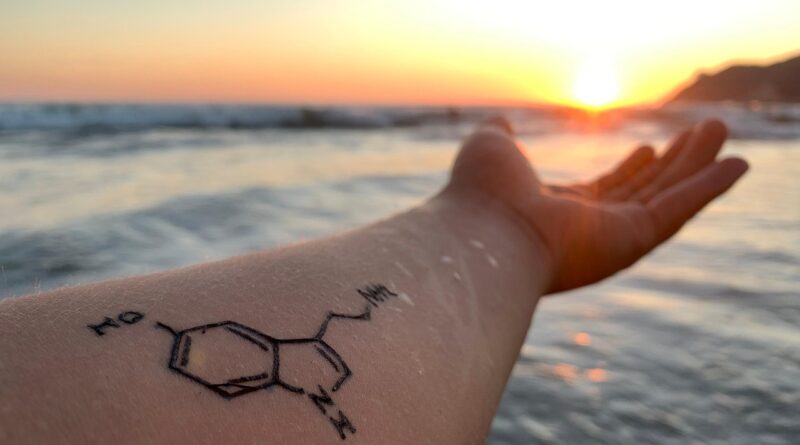
Sun tattoo ideas with meanings, styles, and placement tips
What a sun tattoo can say
Sun tattoo ideas work best when the design is planned around three basics: the meaning you want, the visual style you prefer, and the part of the body where the tattoo will sit. A sun can represent energy, renewal, clarity, confidence, warmth, or a turning point after a difficult season. It can also be purely visual, especially as a clean fine-line mark, a bold blackwork disk, or a glowing element in a landscape tattoo.
The strongest designs usually avoid copying a generic flash image without changes. Before the stencil is made, it helps to define the sun’s shape, rays, scale, surrounding elements, and level of detail. Because the sun is simple and instantly recognizable, small design choices have a big effect. Rounded rays feel softer than sharp rays. A face adds folklore or vintage character. A black circle with negative-space rays feels graphic and modern. A red-orange gradient can feel warm and expressive, but it needs careful planning because color, placement, and sun exposure can affect how a tattoo looks over time.

If you are still collecting references, keep them broad at first. Save examples by style, not only by subject. A small wrist sun, a sternum mandala sun, and a shoulder sunburst may share the same theme, but they need different line weights, sizes, and amounts of detail. For more general inspiration beyond solar motifs, you can browse our tattoo ideas collection.
Sun tattoo ideas by style
The same symbol can feel spiritual, playful, architectural, vintage, or dramatic depending on how it is drawn. Before choosing placement, decide whether the tattoo should read as a tiny personal mark, a decorative ornament, or the center of a larger composition.
Minimalist sun tattoo
A minimalist sun usually uses a small circle, short rays, and clean spacing. It works well for the wrist, ankle, collarbone, behind the ear, or upper arm. This direction suits someone who wants the meaning of light or renewal without a large statement piece.
The main risk is going too small. If the rays are extremely close together, they may lose clarity as the tattoo settles. Ask the artist to leave enough negative space between the rays and to simplify the design if the placement is narrow.
Fine-line sun tattoo
Fine-line suns can look elegant when the design includes delicate rays, small dots, a horizon line, or a thin crescent moon. This style is often chosen for the forearm, shoulder, ribs, or nape. It is especially suited to subtle celestial tattoos.
Fine-line work depends heavily on artist skill and long-term spacing. A design that looks crisp on a screen may need to be slightly enlarged for skin, especially if it includes dots, script, or multiple rings.
Geometric sun tattoo
Geometric sun tattoos use symmetry, circles, triangles, mandala patterns, or radial linework. They work well on flatter areas such as the upper arm, shoulder blade, chest, back, and thigh. This style can make the sun feel balanced and intentional rather than casual. It is also a practical option if you want a design that can pair with other geometric tattoos later.
Traditional or neo-traditional sun tattoo
Traditional sun tattoos often use bold outlines, strong contrast, and warm colors. A face, flames, clouds, or banners can make the design feel classic. Neo-traditional versions may add richer shading, stylized rays, or ornamental details. These styles suit medium and larger placements because bold shapes need room to breathe. The upper arm, calf, thigh, or shoulder are practical choices.
Blackwork sun tattoo
Blackwork can turn the sun into a strong graphic mark. Think of a solid black disk, heavy rays, stippled texture, or negative-space light beams. This direction works well for people who prefer contrast over color, and it can age clearly when the design is not overcrowded.
The key is balance. Too much black in a tiny sun can become visually heavy, while a larger piece can use black space more confidently.
Realistic sunset or sunrise tattoo
A realistic sun is usually part of a scene: ocean, mountains, desert, clouds, or a window-like frame. This is less about the sun as a standalone symbol and more about a place, memory, or mood. Realistic work needs more space and an artist who understands light, shading, and composition. It is better suited to the upper arm, forearm, thigh, calf, back, or chest than to very small areas.
Meaningful sun tattoo combinations
Pairing the sun with another symbol can make the tattoo feel more personal. The goal is not to add every meaningful object at once, but to choose one or two elements that sharpen the message.
- Sun and moon: A common celestial pairing that can suggest balance, contrast, cycles, or two sides of a personality. It can be symmetrical, overlapping, or placed as separate tattoos.
- Sun and flowers: Sunflowers, lotus flowers, or small wildflowers can soften the design and connect the sun to growth, warmth, or resilience.
- Sun and waves: A sun setting into water can suggest travel, calm, summer memories, or emotional release.
- Sun and mountains: This pairing often reads as endurance, perspective, or a personal milestone. It works especially well in fine-line or landscape styles.
- Sun and compass: A compass sun can express direction, independence, or a new path. Keep the compass points clear so the design does not become crowded.
- Sun and eye: An eye inside a sun can feel mystical or protective, but it should be designed carefully because the eye becomes the focal point.
- Sun and script: A short word, date, or phrase can work if the lettering has enough size. Avoid squeezing tiny script into narrow rays.
- Sun and lion: This combination is bold and symbolic, often associated with courage, vitality, or pride. It usually needs a medium or large canvas.
If the design includes national, religious, or heritage symbols, treat the reference with extra care. A sun inspired by a flag, deity, temple motif, or Indigenous pattern may carry meanings beyond a general idea of light. When in doubt, research the symbol and discuss the reference with an artist who understands respectful adaptation.
Placement guide for sun tattoos
Placement changes both the visual impact and the practical life of the tattoo. A round sun can sit naturally on the shoulder, elbow area, knee area, sternum, or upper back because those areas can support radial designs. Linear sunrises and sunsets often fit better along the forearm, ribs, ankle, or collarbone.
| Placement | Works well for | Design notes |
|---|---|---|
| Wrist or ankle | Minimalist suns, tiny sun and moon designs | Keep rays simple and spacing clear; avoid excessive micro-detail. |
| Forearm | Fine-line suns, sunrises, geometric designs | Good visibility and enough length for horizon or wave elements. |
| Upper arm | Traditional, blackwork, ornamental suns | Flexible canvas for medium designs and future sleeve planning. |
| Shoulder | Radial suns, mandala suns, bold sunbursts | The natural roundness of the shoulder can support circular compositions. |
| Sternum or chest | Symmetrical suns, celestial ornaments | Works best when the design is centered and scaled to the body shape. |
| Back or shoulder blade | Larger geometric suns, scenic sunsets | Offers space for detail and lower daily visibility if desired. |
| Thigh or calf | Color suns, landscape scenes, neo-traditional work | Good for larger pieces with shading, flowers, animals, or scenery. |
Visibility also matters. A sun tattoo on the hand, wrist, forearm, neck, or ankle will be exposed more often, which means it may need more sun protection after healing. A design on the back, ribs, thigh, or upper arm can be easier to cover, depending on clothing and lifestyle. See also: tattoo care.
How to make a sun tattoo feel original
A sun is a familiar motif, so originality usually comes from decisions around shape, texture, scale, and how the design relates to the body. Start with the meaning, then translate that meaning into design choices.
- Choose the sun shape. A perfect circle feels clean and modern. A hand-drawn circle feels softer. A half sun suggests sunrise, sunset, or transition.
- Define the rays. Short rays are subtle, long rays are dramatic, wavy rays feel warm, and sharp rays feel energetic.
- Decide on a face or no face. A face can feel vintage, mystical, or playful. A faceless sun feels more abstract and versatile.
- Use negative space. Leaving skin as the light source can make a blackwork sun more breathable and distinctive.
- Limit the supporting elements. One sun with one moon, one flower, or one horizon is often stronger than a crowded symbolic collage.
- Match line weight to size. Small tattoos need simplified lines. Large tattoos can hold shading, texture, and layered rays.
- Plan for the body’s movement. Radial designs should be placed where bending and stretching will not distort the main circle too much.
A useful test is to describe the tattoo in one sentence. For example, “a fine-line sunrise over three mountain peaks for a fresh start” is clearer than “a sun with mountains, flowers, water, stars, and a quote.” The clearer sentence will usually lead to a cleaner tattoo.
Color, healing, and sun exposure considerations
Color can make a sun tattoo feel warmer, but it also adds practical decisions. Yellow, orange, and red can create a glowing effect, especially in traditional, neo-traditional, watercolor, or illustrative designs. Black and gray, by contrast, can be more understated and easier to integrate with other tattoos. Neither approach is automatically better; the right choice depends on your skin tone, artist’s style, and tolerance for maintenance.
For healed tattoos, the American Academy of Dermatology recommends protecting tattooed skin in the sun with broad-spectrum, water-resistant sunscreen of SPF 30 or higher. This matters for sun tattoos in a literal way: UV exposure can affect skin and can also make tattoos appear duller over time. Fresh tattoos should be treated as healing skin, so follow your tattoo artist’s aftercare instructions before applying products or exposing the area.
In the United States, the Food and Drug Administration describes tattoo inks as cosmetic products, while the actual practice of tattooing is generally regulated at state or local levels. For a reader choosing a studio, the practical takeaway is simple: look for a licensed, hygienic shop, review healed examples of the artist’s work, and ask about aftercare before the appointment.
For long-term clarity, avoid packing too many small details into a tiny sun. Dots, micro-rays, thin script, miniature faces, and closely spaced lines may look impressive in a fresh photo, but skin is not paper. A good artist may recommend enlarging the design or simplifying it. That is usually responsible planning, not a lack of creativity.
Choosing the right sun tattoo concept
If you are choosing between several sun tattoo ideas, compare them by meaning, placement, and maintenance rather than visual appeal alone. A small fine-line sun might be perfect for a first tattoo, but it will not have the same impact as a large shoulder sunburst. A colorful sunset might feel emotionally rich, but it needs an artist experienced in color blending. A cultural sun symbol might be meaningful, but it requires more research than a general celestial design.
Use this quick decision path before booking:
- Pick the message. Renewal, balance, confidence, memory, protection, warmth, or decoration.
- Choose the style. Minimalist, fine-line, geometric, blackwork, traditional, illustrative, or realistic.
- Select the canvas. Small visible mark, medium personal piece, or larger statement tattoo.
- Remove clutter. Keep only the symbols that support the main idea.
- Check longevity. Ask whether the size, spacing, and line weight will remain readable as the tattoo ages.
- Review healed work. Fresh tattoos show technique; healed tattoos show how the artist’s choices settle on skin.
The most wearable sun tattoos are not necessarily the most complicated. They are the ones where the symbolism, style, and placement support each other. A tiny sun behind the ear can be as meaningful as a full-color back piece if it is designed with intention.
Frequently asked questions
What does a sun tattoo usually mean?
A sun tattoo often represents light, energy, renewal, strength, optimism, or personal growth. The meaning changes with style and context. A sunrise can suggest a new beginning, while a sun and moon design can suggest balance or contrast.
Are small sun tattoos a good idea?
Yes, small sun tattoos can work well if the design is simple. The main concern is detail. Tiny rays, dots, faces, or lettering may lose clarity, so a small sun should usually have clean lines and enough open space.
Where should I place a sun tattoo?
Round sun designs often fit the shoulder, upper arm, chest, back, calf, or thigh. Minimalist suns can work on the wrist, ankle, collarbone, or behind the ear. If the tattoo includes a horizon, waves, or mountains, the forearm, ribs, or calf can provide a better shape.
Do sun tattoos have to be yellow or orange?
No. Many sun tattoos are blackwork, fine-line, or black and gray. Warm color can create a glowing look, but black ink can make the design cleaner, more graphic, and easier to pair with other tattoos.
How do I keep a sun tattoo looking clear?
Choose a design with enough size and spacing, follow your artist’s healing instructions, and protect healed tattooed skin from excessive sun exposure. For visible placements, regular SPF 30 or higher sunscreen after healing can help preserve the appearance of the tattoo and protect your skin.