Small male tattoo ideas with placement and style tips
Why small tattoos work well for men
Small male tattoo ideas remain popular because they are personal, easy to place, and adaptable to different work and social settings. A compact design can sit on the wrist, inner arm, chest, ankle, or behind the ear without taking over the body. The best option is not simply the smallest image available. It is a design with clear lines, enough breathing room, and a placement that matches how visible you want the tattoo to be at work, at formal events, or in daily life.
Small tattoos can also be a practical starting point for first-time collectors. They use less skin space, the healing process is usually easier to manage than with large multi-session pieces, and they give you a sense of how your skin responds. Even so, a small tattoo is still permanent body art. The design should be simple enough to age well and meaningful enough that it will not feel temporary in a few years.
How to choose a small tattoo that will still look good later
The most common mistake with small tattoos is trying to fit too much detail into too little space. Portraits, complex landscapes, tiny clocks, full animals, and detailed religious scenes may look sharp in a fresh photo, but they can lose clarity as lines naturally soften over time. A better approach is to choose one clear subject, reduce it to its most recognizable shape, and leave enough negative space around the linework.
For men who want a subtle but confident result, reliable small designs usually have three things in common:
- Simple silhouette: The design can still be recognized from a short distance.
- Limited detail: Fine lines, dots, and shading are used with restraint instead of filling every part of the image.
- Intentional placement: The tattoo works with the shape of the body rather than looking randomly stamped onto the skin.
Contrast matters as well. Black ink often gives small tattoos the clearest structure, while color usually needs enough size to support it. If you want a tiny color tattoo, ask the artist whether the shade, placement, and line weight are realistic for long-term readability.
Small male tattoo ideas by theme
The right theme depends on whether you want the tattoo to feel personal, symbolic, decorative, spiritual, or connected to a hobby. These categories tend to work well in small formats because they can be simplified without losing their purpose.
Minimalist symbols
Minimalist symbols are a strong choice when you want a clean tattoo without a long explanation. Good options include a small cross, anchor, arrow, wave, mountain line, compass point, flame, lightning bolt, crown, star, or circle. These designs scale down well because they rely on shape rather than heavy detail.
An arrow can suggest direction or progress. A mountain outline can represent endurance. A small wave can point to calm, movement, or a connection to the ocean. Choose the meaning before choosing the shape, so the tattoo feels personal rather than purely decorative.
Lettering and numbers
Small lettering tattoos can look sharp when the wording is short. Initials, a date, a one-word reminder, coordinates, Roman numerals, or a short phrase can fit well on the wrist, ribs, collarbone, forearm, or upper arm. The main risk is readability. Very small script can close up over time, especially when the letters are thin or tightly spaced.
For a cleaner result, keep the wording brief and choose a font that is legible without needing to zoom in. Block lettering, small caps, and simple serif styles often age better than extremely delicate cursive. If the tattoo includes a date or coordinates, verify every number before the stencil is applied.
Geometric tattoos
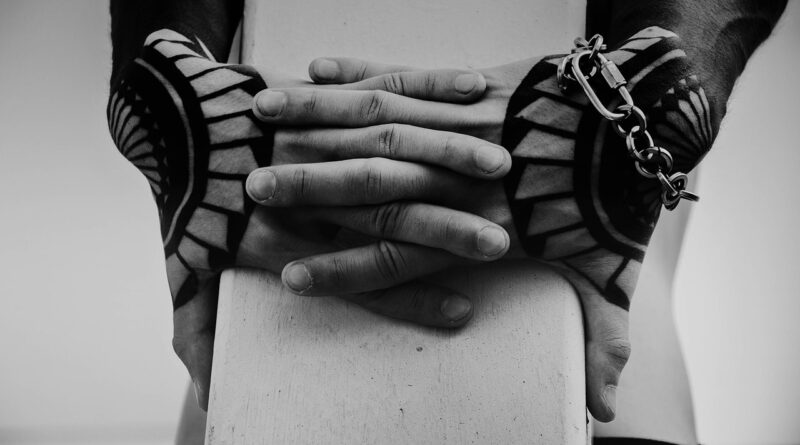
Geometric small tattoos work well for men who prefer a modern, balanced look. Triangles, circles, cubes, line grids, small mandala fragments, and symmetrical shapes can fit on the forearm, shoulder, calf, or chest. These designs depend on precision, so placement matters. A circle on a curved area of the body can appear distorted from certain angles, while a straight line across a bending joint may shift when you move.
Ask your artist where the design will sit most naturally. A good geometric tattoo should look intentional when your arm is relaxed, not only when the stencil is photographed from one perfect angle.
Nature-inspired designs
Nature themes are versatile in small tattoos because they can be simplified without losing meaning. A pine tree, fern, leaf, crescent moon, sun, mountain, wave, bird, snake, wolf outline, bear paw, or small fish can say a lot with limited space. Outdoor-inspired tattoos often work well on the forearm, bicep, shoulder, ankle, or calf.
If you want an animal tattoo, consider a head silhouette, paw, track, or single-line version instead of a fully shaded body. This keeps the tattoo readable and prevents a small area from becoming crowded.
Personal and memorial tattoos
Many people choose tattoos to honor or remember someone or something important. Pew Research Center reported in 2023 that honoring or remembering someone or something was the most commonly cited reason among tattooed U.S. adults. For a small male tattoo, that idea can translate into initials, a birth year, handwriting from a note, a small object linked to the person, a meaningful flower, a simple portrait symbol, or a place coordinate.
Memorial tattoos work best when they are specific but not overloaded. Instead of combining a name, date, portrait, quote, and symbol into one tiny design, choose the single element that carries the strongest emotional connection.
Faith, heritage, and cultural designs
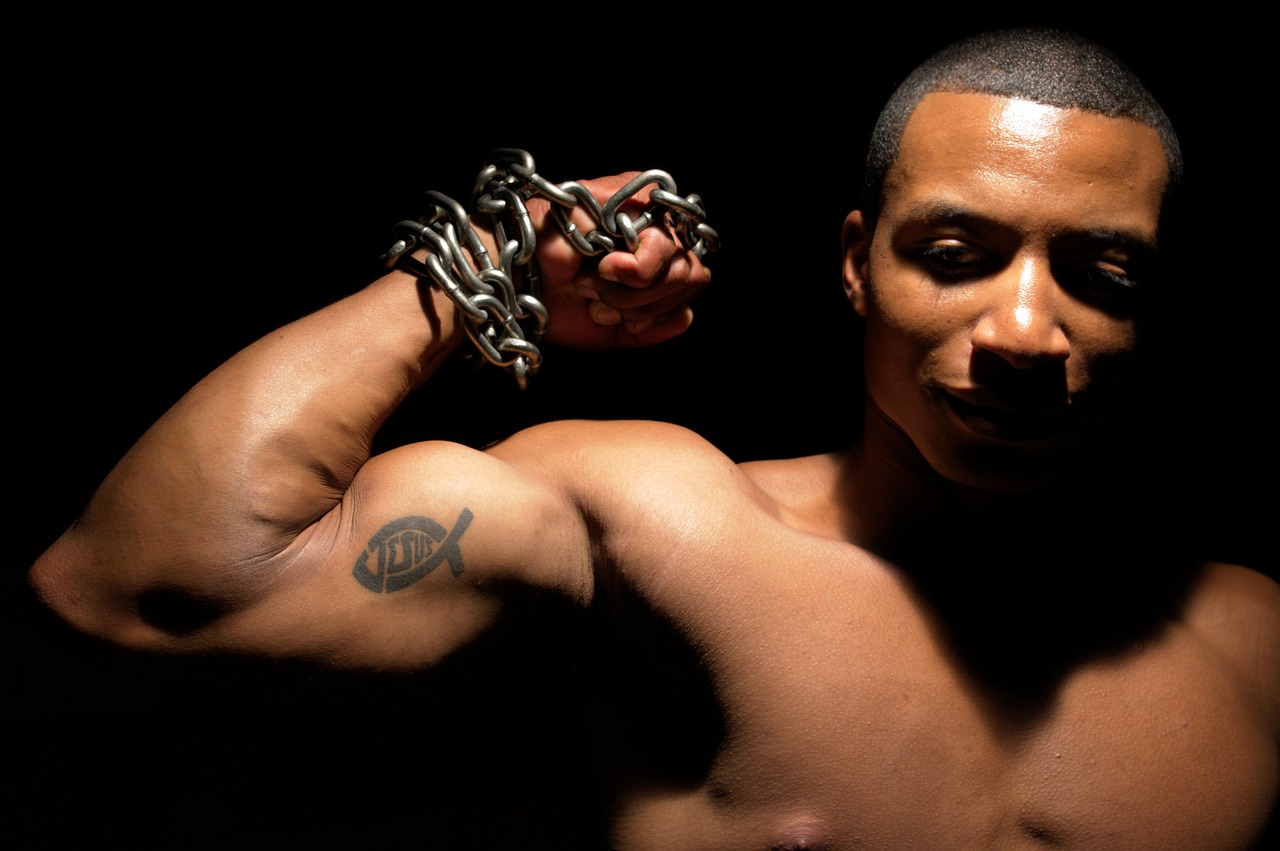
Small tattoos can reflect faith, ancestry, or cultural identity, but this category needs extra care. Crosses, prayer hands, scriptural references, knotwork, tribal patterns, flags, family crests, and language-based tattoos should be researched before they are inked. If a design comes from a culture, language, or spiritual tradition that is not your own, understand its context and avoid treating sacred imagery as decoration.
For foreign-language tattoos, get confirmation from a fluent speaker, not just an online translation tool. For heritage designs, consider simplifying a larger pattern into one respectful element rather than copying a complex symbol without understanding it.
Best placements for small male tattoos
Placement affects visibility, pain, aging, and how the tattoo works with your body. A small tattoo on the forearm feels very different from the same design on the ribs or behind the ear. Treat placement as part of the idea, not as an afterthought. See also: tattoo care.
| Placement | Best for | Visibility | Design notes |
|---|---|---|---|
| Inner wrist | Initials, small symbols, dates | Medium to high | Works best with simple linework and compact shapes. |
| Forearm | Arrows, animals, geometric pieces, words | High | Good for first tattoos because you can easily see the design. |
| Upper arm | Symbols, nature designs, small traditional pieces | Medium | Easy to cover with short sleeves depending on placement. |
| Chest | Personal symbols, faith designs, memorial tattoos | Low to medium | Offers privacy and can feel more intimate. |
| Ribs | Short quotes, coordinates, minimal linework | Low | Can be more uncomfortable and may shift with body movement. |
| Ankle or calf | Travel, nature, sports, small icons | Low to medium | Good for men who want a casual, less formal placement. |
| Behind the ear | Tiny symbols, stars, small initials | Variable | Very compact space; avoid complex detail. |
If you are still comparing styles and placements, browse more tattoo ideas before committing to a stencil. Seeing how different designs sit on real body areas can help you decide whether you want something discreet, visible, symmetrical, or more organic.
Style options that suit small tattoos
Small tattoos can be done in many styles, but some translate better than others. Fine-line tattoos are popular for subtle designs, although they need clean execution and realistic expectations because very delicate lines may soften. Minimalist blackwork uses stronger lines and usually gives a bolder result. Traditional-style mini tattoos can work if the artist simplifies the design and keeps the outline strong.
Single-needle designs can look refined, especially for tiny text or soft imagery, but they are not automatically better for every idea. Micro-realism can be impressive when fresh, yet it is one of the harder styles to keep clear at very small sizes. If your concept needs eyes, fur, reflections, or several layers of shading, consider making it larger or simplifying it into a symbol.
For men who want a masculine but understated look, blackwork, geometric, minimalist, and small traditional pieces are often the most practical categories. They provide enough visual weight without requiring a large tattoo.
Planning tips before your appointment
Before booking, save references for mood and style, not for direct copying. A good artist can use those references to create a design that fits your body and avoids duplicating another person’s tattoo. Be clear about size, placement, visibility, and whether this tattoo may become part of a larger sleeve or collection later.
Consider these steps before the appointment:
- Print or view the design at actual size. If the details disappear on paper, they may not work well on skin.
- Check the placement in normal posture. A stencil should look good when you stand naturally, not only when you twist for a photo.
- Ask about aging. A professional artist can explain whether the line weight, spacing, and shading are suitable.
- Avoid rushing memorial or relationship tattoos. Give yourself time to confirm the design still feels right.
- Plan around healing. Avoid scheduling a tattoo right before beach trips, heavy sun exposure, swimming, or intense friction from sports gear.
Cost should not be the only deciding factor. Small tattoos still require setup, sterilization, design time, and careful application. A tiny tattoo done poorly can be harder to fix than a larger design with room for adjustment.
Safety and aftercare basics
Even a small tattoo breaks the skin, so safety matters. The U.S. Food and Drug Administration has noted that tattoo-related problems can include infections, allergic reactions, granulomas, keloids, and complications from contaminated inks. The agency has also stated that tattoo inks can be contaminated even when containers are sealed. This does not mean every tattoo is unsafe, but it does mean you should choose a licensed, hygienic studio and ask practical questions before the needle touches your skin.
Look for single-use needles, fresh gloves, covered work surfaces, properly labeled inks, and an artist who explains aftercare clearly. Avoid do-it-yourself tattoo kits, improvised inks, or informal settings where sterilization is uncertain.
Aftercare instructions vary by artist and bandage type, so follow the specific guidance you receive. In general, keep the area clean, avoid picking or scratching, and protect the tattoo from unnecessary friction while it heals. The American Academy of Dermatology advises protecting tattooed skin from sun exposure because ultraviolet light can fade some inks, and it recommends broad-spectrum, water-resistant sunscreen with SPF 30 or higher once the tattoo is healed and exposed to sunlight.
Contact a health care professional if the area is not healing, or if you notice a spreading rash, worsening redness, unusual swelling, fever, chills, or severe pain. Early attention is better than waiting and hoping the problem clears on its own.
Frequently asked questions
What is a good first small tattoo for men?
A good first tattoo is simple, readable, and personally meaningful. Initials, dates, small arrows, mountain lines, waves, geometric symbols, and short words are common choices because they do not require a large area or complex shading.
Where should men place a small tattoo?
The forearm, inner wrist, upper arm, chest, ankle, and calf are practical placements. Choose the area based on how visible you want the tattoo to be and whether the design fits the natural shape of that body part.
Do small tattoos age well?
Small tattoos can age well if they have enough spacing, clear lines, and limited detail. Very tiny lettering, crowded shading, and micro-realistic designs are more likely to lose clarity over time.
Are small tattoos less painful?
They often take less time, which can make the experience easier, but pain depends more on placement than size. Bony or sensitive areas such as ribs, ankles, hands, and behind the ear may feel more intense than the upper arm or outer forearm.
Should a small tattoo be black or colored?
Black ink is often the safest visual choice for small tattoos because it gives strong contrast and clear lines. Color can work, but it needs enough size and space to remain readable as the tattoo settles and ages.