Back tattoo ideas male collectors can plan by placement, style, and size
Start with placement before choosing the image
A strong back tattoo for a male wearer is usually planned from placement outward. The image matters, but the same design will behave differently as an upper-back piece, spine tattoo, shoulder-blade design, full-back panel, or lower-back composition. This guide groups back tattoo ideas male collectors commonly compare, then explains which placements suit bold animals, mythological scenes, geometric work, lettering, blackwork, memorial pieces, and designs that may expand later.
Because a tattoo breaks the skin, the plan should also account for hygiene, aftercare, and realistic healing. Public health and medical sources such as the U.S. Food and Drug Administration, Mayo Clinic, the American Academy of Dermatology, and CDC materials all emphasize risks including infection, allergic reaction, keloid formation, and reactions linked to contaminated ink or unsafe equipment.
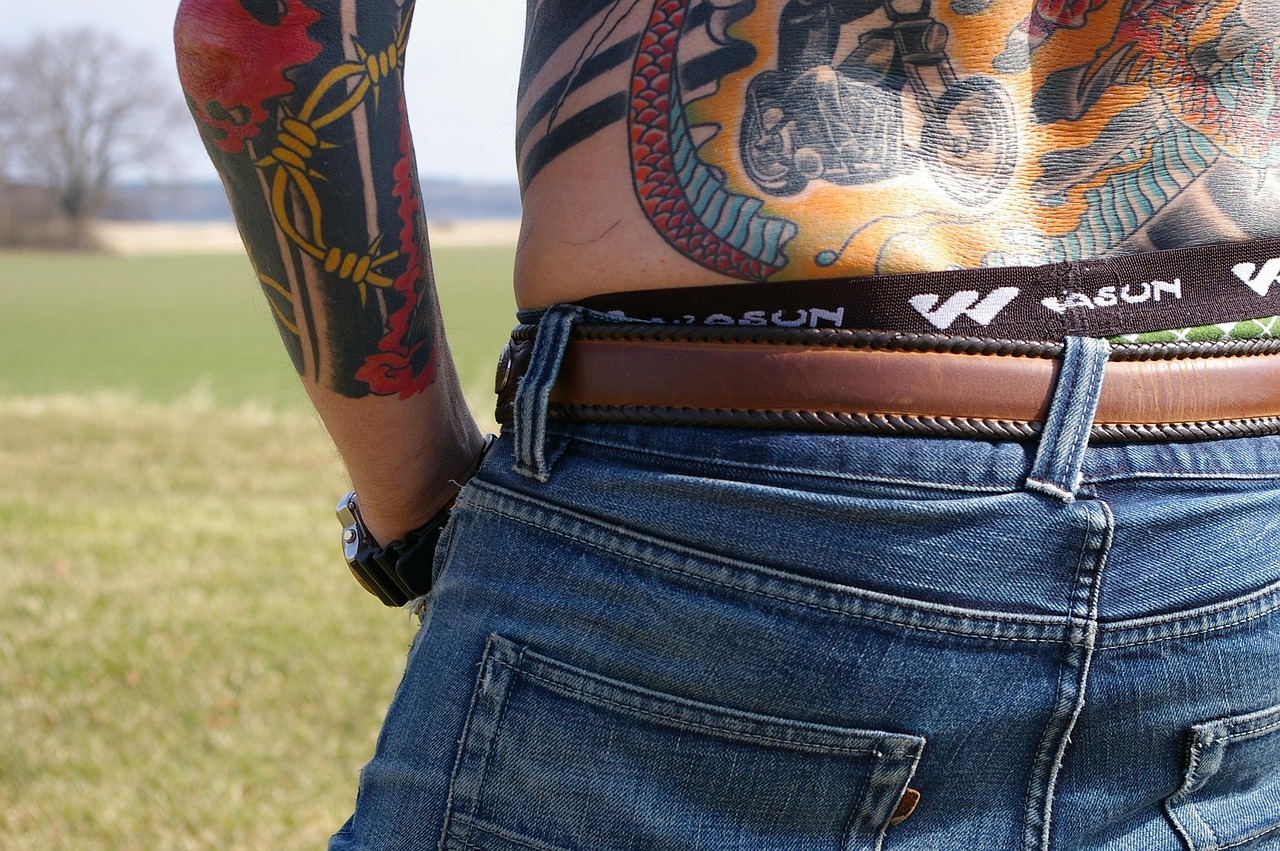
For broader inspiration across placements, browse the site’s tattoo ideas section. For back pieces specifically, the first practical decision is the zone: where the tattoo sits affects visibility, pain, scale, symmetry, and whether the design can grow later.
| Back placement | Works well for | Planning notes |
|---|---|---|
| Upper back | Wings, animals, mandalas, armor shapes, centered symbols | Often easy to cover with clothing and wide enough for balanced designs. |
| One shoulder blade | Single animals, small scenes, crests, floral work, abstract blackwork | A practical first back tattoo area, as long as the design follows the shoulder blade rather than fighting it. |
| Spine | Script, vertical symbols, geometric lines, ornamental patterns | Highly visible when shirtless and usually more sensitive because it follows the centerline over bone. |
| Full back | Japanese-inspired panels, mythological scenes, large animals, biomechanical work | Needs a clear concept, multiple sessions, and a composition that reads from a distance. |
| Lower back and waistline | Horizontal lettering, ornamental bands, snakes, waves, abstract shapes | Can be visually strong, but bending, waistbands, and future expansion should be considered. |
| Back-to-shoulder extension | Dragons, eagles, armor, clouds, smoke, floral movement | Useful when the back piece may later connect to a sleeve or chest tattoo. |
Style directions that suit a male back tattoo
The back can carry detail, but scale still decides what works. A small tattoo with too many elements may blur visually. A full-back design with too little structure can look unfinished. Start with the silhouette, then decide how much detail the space can support.
Animal and predator designs
Large animals remain popular for male back tattoos because they create an immediate silhouette. Wolves, lions, tigers, bears, snakes, eagles, owls, ravens, koi, and dragons can be adapted to the shoulder blades or full back. A front-facing lion or tiger fits the upper center back well. A snake or dragon can travel diagonally from the lower back toward one shoulder. Birds with spread wings use the natural width across the shoulder line.
For a less obvious version, consider a habitat-based composition instead of only an animal head. Mountains, smoke, waves, moon phases, branches, or cloud forms can help fill the back without forcing unrelated symbols into the tattoo.
Mythological and warrior-inspired pieces
Greek gods, Norse figures, samurai, archangels, knights, skull warriors, and classical statues can work well as large upper-back or full-back tattoos. These designs usually need strong contrast because they may be seen from several feet away. A central figure can be framed with wings, shields, swords, architecture, rays, flames, or ornamental borders.
If the design borrows from a living culture or religious tradition, treat the source carefully. A focused reference board, accurate symbolism, and a conversation with an artist experienced in that tradition can help avoid a design that looks decorative but feels careless.
Geometric, ornamental, and mandala work
Geometric back tattoos suit men who want structure rather than a character or scene. A mandala between the shoulder blades, a vertical spine pattern, or a symmetrical upper-back composition can look clean and intentional. Alignment is the main issue. Even a small imbalance becomes obvious when a design is meant to sit on the spine.
Ornamental work can also soften a broad back without looking delicate. Dotwork, sacred geometry, filigree, black ornamental borders, and negative-space shapes can scale from a single shoulder-blade tattoo to a full-back layout.
Blackwork, biomechanical, and abstract designs
Blackwork is one of the strongest choices for the back because it relies on shape rather than tiny detail. Heavy black panels, negative-space patterns, brush-stroke effects, tribal-inspired forms, and abstract body-flow designs can all use the back’s large surface effectively. Biomechanical tattoos also benefit from the broad canvas because the artist can build depth around the spine, ribs, and shoulder blades.
Before committing to very dense blackwork, consider future removability and cover-up limitations. Heavy black areas are visually powerful, but they leave fewer options if your taste changes.
Lettering and script
Lettering can look strong across the upper back, down the spine, or in a smaller shoulder-blade placement. Short phrases usually age better than long paragraphs because they allow larger letters, cleaner spacing, and stronger line weight. For a spine quote, avoid overly thin fonts unless the artist explains how the lines are expected to heal over time.
Names, memorial dates, coordinates, family references, and personal mottos should be checked carefully before the appointment. Spelling, language, punctuation, and date formats are part of the design, not an afterthought.
How to match size to the design idea
Back tattoos often fail when the idea is the wrong size for the space. A detailed battlefield scene, realistic animal face, or religious figure needs room for contrast and skin breaks. A small upper-back tattoo can work well, but it should usually focus on one main subject instead of trying to tell a full story.
- Small back tattoos: Choose one symbol, compact animal, short word, crest, glyph, or minimal geometric form. These work best on one shoulder blade, the upper center back, or below the neck.
- Medium back tattoos: Use one main subject plus a simple frame, such as a wolf with pine trees, a skull with smoke, or a mandala with ornamental lines.
- Large back tattoos: Plan a complete composition with a foreground, background, and clear flow. The full back can handle scenes, but the design still needs a focal point.
- Expandable tattoos: Leave intentional open space if you may later connect the piece to sleeves, chest work, ribs, or a lower-back extension.
A useful planning test is to shrink the sketch mentally. If the design still reads as a clear shape from across the room, it is more likely to work on the back. If it only looks good close up, ask the artist to simplify the concept, enlarge it, or move it to a smaller zone where close viewing is expected. See also: tattoo care.
Pain, sessions, and healing realities
The back is not one single pain level. Muscular areas of the upper back may feel more manageable for many people, while the spine, shoulder blades, ribs, and lower-back edges are often described as sharper or more sensitive. Pain varies by body type, sleep, stress, session length, needle grouping, shading style, and personal tolerance, so any pain chart should be treated as a rough guide rather than a promise.
Session planning matters as much as design planning. A small shoulder-blade tattoo might be finished in one appointment. A detailed full-back tattoo can require separate sessions for linework, shading, color, background, and touch-ups. Large projects also need recovery time between appointments so the skin can settle before more work is added.
Medical guidance commonly describes a fresh tattoo as a wound that needs careful aftercare. Mayo Clinic notes that many tattoos take about two weeks to heal on the surface, though deeper settling and final appearance can take longer. During early healing, typical advice includes keeping the tattoo clean, avoiding rubbing, avoiding swimming or soaking, protecting it from sun exposure, and following the artist’s specific instructions. If redness, swelling, pus, spreading warmth, fever, or worsening pain appears, it is safer to contact a healthcare professional than to wait and guess.
Safety and long-term appearance should shape the idea
A back tattoo is usually chosen for aesthetics, but the practical side affects how good it looks years later. The FDA classifies tattoo inks used for intradermal tattoos as cosmetics and has discussed concerns involving contaminated inks, infections, allergic reactions, granulomas, keloids, removal difficulty, and occasional MRI-related swelling or burning. The actual practice of tattooing is generally regulated by state or local authorities in the United States, so licensing and inspection rules can vary by location.
Before booking, look for basic professional hygiene: disposable gloves, sealed needles and tubes, single-use ink cups, clean work surfaces, and proper sterilization for reusable equipment. CDC materials on body art emphasize reducing cross-contamination and exposure to bloodborne pathogens. These details are less exciting than the artwork, but they matter more than any trend.
Long-term appearance also depends on skin care. The American Academy of Dermatology advises protecting healed tattoos from the sun with broad-spectrum, water-resistant sunscreen of SPF 30 or higher when exposed. It also notes that tattoos can make it harder to see changes in moles or early signs of skin cancer, so it is wise to avoid tattooing directly over moles or spots that need monitoring.
- Ask whether the artist has healed photos of similar back pieces, not only fresh photos.
- Discuss how fine lines, red ink, heavy black areas, and pale shading may age on your skin tone.
- Keep moles, scars, acne-prone areas, and keloid-prone areas part of the consultation.
- Do not schedule a large back tattoo right before swimming, intense sun exposure, or travel that will make aftercare difficult.
A practical planning worksheet for your artist
Arriving with a clear brief helps the artist design something that fits your body instead of copying a disconnected image. You do not need a finished drawing, but you should know your limits and priorities.
- Choose the zone: upper back, shoulder blade, spine, full back, lower back, or a back-to-shoulder layout.
- Define the mood: bold, calm, aggressive, spiritual, memorial, ornamental, dark, clean, realistic, abstract, or traditional.
- Name the main subject: one animal, figure, symbol, phrase, scene, or pattern should lead the design.
- List what to avoid: unwanted symbols, too much color, tiny lettering, visible neck extension, or imagery that conflicts with your work or lifestyle.
- Decide visibility: hidden under a T-shirt, visible above the collar, visible in gym wear, or designed mainly for shirtless settings.
- Plan the future: tell the artist if you may add sleeves, chest panels, ribs, or a full-back extension later.
For many men, the most durable back tattoo idea is not the most complicated one. It is the idea that fits the back’s anatomy, leaves enough breathing room, can be healed responsibly, and still feels personal after the first excitement fades.
Frequently asked questions
What back tattoo placement is easiest to start with?
The upper back or one shoulder blade is often a practical starting point because the area gives enough room for a clear design while staying easy to cover with clothing. Pain still varies, especially near the shoulder blade and spine, so discuss session length with your artist.
Are spine tattoos a good idea for men?
Spine tattoos can look clean and masculine when the design uses vertical flow, symmetry, and readable spacing. They are better for script, symbols, ornamental lines, and geometric work than for crowded images. The main tradeoff is sensitivity along the centerline.
What style works best for a full-back tattoo?
Full-back tattoos work well with styles that need a large canvas, such as Japanese-inspired panels, mythological scenes, large animals, biomechanical work, blackwork, and realistic compositions. The design should have a strong focal point and enough contrast to read from a distance.
How long should I wait before swimming after a back tattoo?
Follow your artist’s aftercare instructions and avoid swimming or soaking while the tattoo is healing. Public medical guidance commonly recommends keeping a new tattoo clean, avoiding pools and natural bodies of water during healing, and seeking medical advice if signs of infection appear.
Should I get a small back tattoo or save the space for a larger piece?
If you may want a full-back tattoo later, tell your artist before getting a small piece. A small tattoo can be placed so it becomes part of a future composition, but a random center-back design may limit later options or require a cover-up plan.