Turtle Polynesian tattoo meaning and cultural context
What a turtle Polynesian tattoo usually means
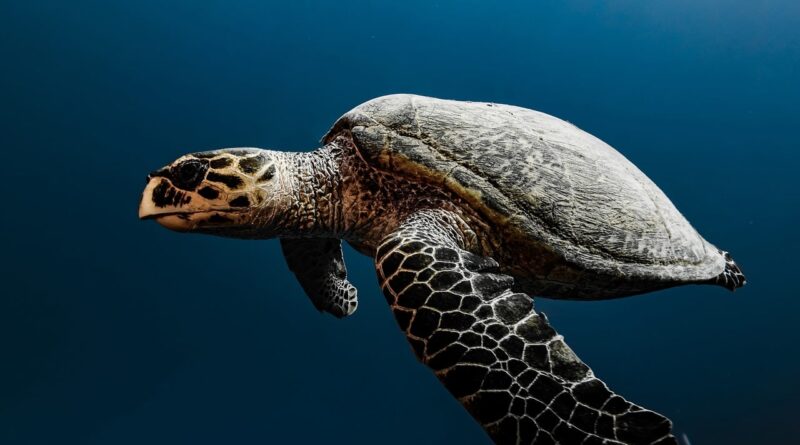
The core turtle Polynesian tattoo meaning usually combines protection, family, long life, safe passage and connection to the ocean. In many contemporary designs, the turtle is chosen because it suggests calm strength rather than aggression: it moves slowly, survives long journeys, carries its home and is protected by its shell. In Hawaiian contexts, the turtle is widely known as honu; in some Marquesan references, turtle forms may be called kea. Polynesia, however, is not one single culture. A turtle motif can carry different layers in Hawaiian, Marquesan, Tahitian, Māori, Samoan or contemporary Polynesian-inspired work. The responsible answer is therefore not one fixed meaning, but a set of meanings shaped by the wearer, the artist, the surrounding symbols and the cultural line being referenced.
That distinction matters in real design work. A small tourist-style turtle outline, a full Polynesian sleeve with a turtle shell at the center, and a custom piece created by a Polynesian practitioner do not communicate the same thing. One may simply suggest ocean life and peaceful endurance. Another may connect family, ancestry, migration, guardianship and personal identity.
Why the turtle became such a powerful symbol
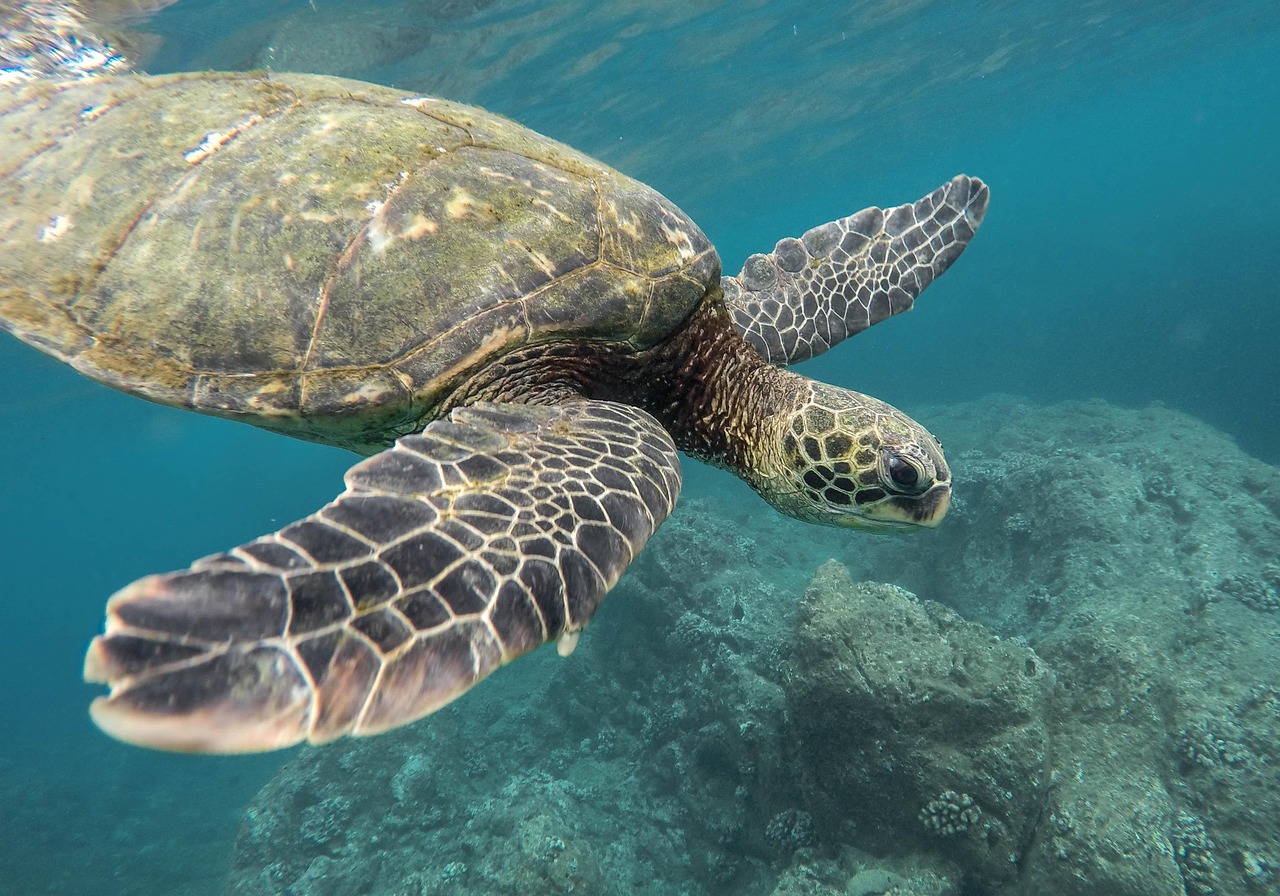
The turtle’s symbolism comes from both observation and story. Sea turtles cross large distances, return to familiar nesting areas, live between land and sea, and carry a visible shield on their backs. These qualities make them easy to read as signs of endurance, homecoming, protection and navigation. Public cultural and conservation sources in Hawaiʻi, including the Hawaiʻi Division of Aquatic Resources and National Park Service educational materials, describe the honu as culturally significant to many Native Hawaiians, with some families regarding it as an ʻaumakua, or ancestral family guardian.
In tattoo design, those ideas become visual cues. The hard shell can suggest protection and emotional resilience. The turtle’s path through the ocean can point to safe travel, migration or the courage to move between worlds. Its long lifespan makes it a natural symbol for patience, health and continuity. Its return to familiar shores adds another layer: staying connected to origin, family and roots even when life carries a person far from home.
For more articles on tattoo symbolism, history and design context, visit the tattoo culture section.
Common meanings and what they actually imply
Search results often reduce the turtle to a short list of meanings. Those meanings are more useful when they are tied to the visual logic behind them. The table below separates common interpretations from the design choices that usually support them.
| Meaning | Why it is linked to the turtle | Design notes |
|---|---|---|
| Protection | The shell functions as a natural shield, making the turtle a strong image for guarded strength. | Often emphasized with a bold shell, enclosing patterns or shark-tooth forms around the turtle. |
| Family and ancestry | The turtle can represent home, roots and guardianship, especially in Hawaiian readings of honu. | Family meaning is often strengthened by human figures, repeated patterns or a central shell composition. |
| Longevity | Turtles are popularly associated with long life, patience and slow endurance. | Works well in calm, balanced designs rather than aggressive layouts. |
| Navigation and safe passage | Sea turtles are ocean travelers, so they naturally suggest movement, return and direction. | Often paired with waves, ocean bands, birds, compass-like shapes or path motifs. |
| Peace and stability | The turtle’s steady movement makes it a symbol of calm persistence rather than domination. | Rounded shells, flowing waves and balanced symmetry can support this reading. |
| Fertility and continuity | Some interpretations connect turtle nesting and new life with fertility or generational continuity. | This meaning should be handled carefully and discussed with an artist familiar with the tradition. |
How meaning changes across Polynesian traditions
Polynesian tattooing is a family of related but distinct traditions. The word Polynesian covers a vast region and many peoples, including Hawaiians, Māori, Samoans, Tahitians, Marquesans, Tongans and others. Shared oceanic themes do exist, but a symbol does not always mean the same thing everywhere. A turtle drawn in a Hawaiian-inspired composition may be read differently from one placed in a Marquesan-style layout or a Māori-inspired design.
Hawaiian honu
In Hawaiian usage, honu commonly refers to the green sea turtle. Modern cultural explanations often connect the honu with longevity, peace, ancestral protection and connection to home. The idea of ʻaumakua is important here: in Hawaiian belief, certain animals may be understood by particular families as ancestral guardians. That does not mean every turtle tattoo is automatically an ʻaumakua tattoo. It means that for some Native Hawaiian families, the turtle can carry personal and spiritual significance that outsiders should not flatten into a decorative symbol.
Marquesan and Tahitian turtle forms
Marquesan and Tahitian tattooing often use dense geometric structures, repeated motifs and animal forms to build a larger visual story. In this setting, a turtle may relate to protection, the universe, travel or spiritual passage, depending on how it is drawn and where it sits in the composition. A turtle at the center of a shell-like layout can feel like a stable home base. A turtle surrounded by waves or path forms may speak more strongly to journey and navigation. A turtle combined with ancestor figures may shift the reading toward family and lineage.
Māori and Samoan context
Māori tā moko and Samoan tatau have their own cultural protocols. Te Ara Encyclopedia of New Zealand and Te Papa Tongarewa explain that Māori moko is deeply connected with identity, genealogy, status, role and personal history. For that reason, it is not accurate to treat Māori moko as a menu of interchangeable symbols. Similarly, traditional Samoan tattooing is not simply a graphic style; it is tied to family, service, endurance and social meaning. If a non-Polynesian wearer wants a turtle design, it is usually safer to discuss a contemporary Polynesian-inspired turtle with a knowledgeable artist rather than copying a culturally specific moko or tatau pattern without context.
Design elements that change the meaning
A turtle tattoo rarely stands alone in traditional or tradition-inspired Polynesian work. Its meaning comes from the surrounding visual grammar. The shell, head, flippers, border patterns and neighboring motifs all affect how the piece is read.
- Shell patterns often hold the most personal detail. A simple shell may emphasize protection, while a shell filled with repeated family-like figures can shift the meaning toward relatives, community or ancestry.
- Waves and ocean bands strengthen the reading of travel, life movement, emotional flow and the ocean as a source of identity.
- Shark teeth can add ideas of strength, defense and courage. When placed around a turtle, they may make the piece feel more protective.
- Human figures can refer to people, ancestors, family groups or community, depending on the tradition and artist.
- Sun forms can add continuity, life, leadership or renewal, especially when used as a framing element.
- Symmetry often communicates balance and order, while diagonal movement can suggest travel or transition.
This is why two turtle tattoos can look similar to an untrained eye but carry very different meanings. One shell may contain a family story; another may be a decorative geometric fill. One turtle may represent a guardian, while another may represent the wearer’s move across oceans, recovery from hardship or commitment to returning home.
Placement and style choices
Placement also affects meaning. A turtle on the shoulder or upper arm often reads as protection and strength because it sits near a part of the body associated with carrying weight and taking action. A turtle on the chest can feel more personal, close to breath, heart and family. A back piece gives the turtle more room to become a central symbol of home, journey or spiritual protection. A leg or calf design can emphasize movement, travel and forward progress.
Small turtle tattoos are popular because the silhouette remains recognizable at a modest size. The tradeoff is limited symbolic detail. If the shell is too small, important motifs may blur as the tattoo ages. Larger designs allow cleaner negative space, stronger line rhythm and more meaningful supporting symbols. For Polynesian-inspired work, scale is not only aesthetic; it determines whether the visual language remains legible. See also: tattoo care.
Style matters as well. A minimalist turtle outline with a few triangles may be attractive, but it should not be presented as a fully traditional Polynesian tattoo. A custom piece by a trained practitioner can integrate the turtle into a broader story with more care. If the goal is cultural respect, the best design choice is not always the most complex one. Sometimes a simpler ocean turtle, clearly described as inspired by Polynesian symbolism rather than as traditional identity marking, is more honest.
How to approach the design respectfully
A respectful turtle Polynesian tattoo starts with a clear question: what are you trying to honor? If the answer is family, travel, survival, ocean connection or patience, the turtle may be a good fit. If the answer is only that the pattern looks exotic, it is worth slowing down. Polynesian tattooing carries living cultural meaning, and some forms are connected to ancestry, rank, gender, family history or community obligations.
Before booking, ask the artist about their experience with Polynesian traditions, not just geometric tattooing. A skilled artist should be able to explain which elements are broadly symbolic, which are culturally specific, and which should be avoided or customized. They should also be comfortable saying when a requested motif is not appropriate. That kind of boundary is a sign of professionalism, not a lack of creativity.
It is also useful to avoid claiming an exact cultural meaning if you do not have that cultural connection. Instead of saying a design is an ancient family guardian symbol, a non-Polynesian wearer might describe it as a contemporary turtle design inspired by Polynesian visual traditions, chosen to represent family, safe passage and endurance. That wording is more accurate and more respectful.
Finally, living sea turtles are not props. If a tattoo is inspired by the honu or other sea turtles, the symbolism is stronger when paired with basic respect for the animal itself: observe local wildlife rules, keep distance, and avoid treating a sacred or ecologically important creature as only an aesthetic trend.
Frequently asked questions
Is a Polynesian turtle tattoo only a Hawaiian symbol?
No. The Hawaiian word honu is widely recognized, but turtle symbolism appears in several Polynesian contexts. The meaning changes depending on whether the design is Hawaiian-inspired, Marquesan, Tahitian, Māori, Samoan or broadly contemporary Polynesian-inspired.
Can someone without Polynesian heritage get a turtle Polynesian tattoo?
Many people do, but the more important question is how it is designed and described. A respectful approach avoids copying protected or identity-specific patterns, works with a knowledgeable artist, and does not claim cultural meanings that do not belong to the wearer.
What does the turtle shell mean in a Polynesian tattoo?
The shell commonly emphasizes protection, home and inner structure. When filled with other motifs, it can also hold personal meanings such as family, ancestors, travel, strength or life stages.
Is the turtle a protection symbol?
Yes, protection is one of the most common readings because of the turtle’s shell and its role as a guardian figure in some cultural interpretations. The strength of that meaning depends on the design, surrounding symbols and cultural context.
What symbols pair well with a turtle tattoo?
Waves, ocean bands, shark teeth, sun forms and human figures are common pairings. Each one changes the story: waves suggest journey, shark teeth add defense, sun forms suggest continuity, and human figures may point toward family or ancestors.