What Are the Best Tattoo Locations on Body for First-Time Ink?
What Are the Best Tattoo Locations on Body?
Choosing the best tattoo locations on body is not only about where a design looks good in the mirror. Placement changes the pain level, healing process, sun exposure, work dress rules, and how the tattoo may look after years on the skin. A fine-line flower on the wrist, a bold dragon on the calf, and a memorial quote on the upper arm will not heal or age in the same way.
Public data also explains why placement deserves real thought. Pew Research Center reported in August 2023 that 32% of U.S. adults have at least one tattoo, and 22% have more than one, based on a survey of 8,480 adults conducted in July 2023. Tattoos are common now, but they are still long-term body choices. The right spot is the one that fits the design, your pain limit, your job setting, and your daily routine.
Forearm for Clear Everyday Art
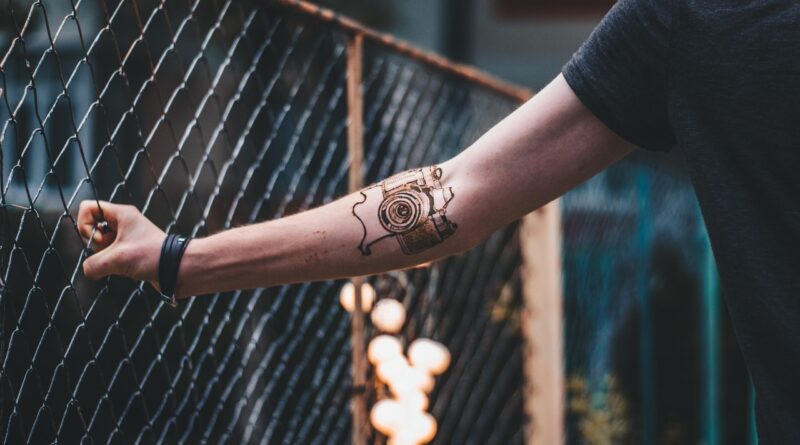
The forearm is a common choice because it is easy to see, easy to photograph, and flat enough for script, flowers, animals, geometric work, and small illustrative pieces. It also lets you watch the tattoo heal without turning in front of a mirror. For a first tattoo, that simple point can make the process feel easier.
Upper Arm for Flexible Coverage
The upper arm gives you a practical middle option. You can show it with short sleeves, or cover it with a normal T-shirt. It works for medium designs, patchwork pieces, and later sleeve plans. If your job has formal dress rules, this spot keeps things simple without making the tattoo feel hidden every day.
Calf for Strong Detail and Movement
The calf gives the artist enough room for clear lines and medium to large designs. It fits animals, mandalas, traditional flash, and vertical layouts. Since the leg moves when you walk, the design should work with the muscle shape instead of going against it. A stencil check while standing is useful here.
Which Tattoo Placements Hurt Less?
Pain is different for each person, so no public medical source can rank every tattoo location with one exact score. Skin thickness, nerve density, needle style, session length, sleep, hydration, and stress can all change the feeling. Still, many tattoo artists and clients see fleshy areas away from bone as easier places to start. Mayo Clinic notes that tattooing pierces the skin many times and usually causes some pain and minor bleeding, so comfort should be part of the placement decision from the start.
Outer Forearm Feels Manageable for Many People
The outer forearm is often a good first-timer area because the skin is fairly steady and not as close to bone as the wrist or elbow. It also lets you sit in a normal position during the session. A small design here can feel less stressful than a rib tattoo, where breathing and body movement may make the appointment feel longer.
Outer Thigh Gives Artists Room to Work
The outer thigh has more padding than many upper-body areas, so it may feel easier for larger work. It is also simple to cover while it heals. If you want a bigger first tattoo but do not want it showing at work, the thigh is a practical option. Loose clothing for the first few days will help reduce rubbing.
Shoulder Cap Balances Pain and Visibility
The shoulder cap works well for round designs, florals, ornamental pieces, and small statement tattoos. Pain can increase near the collarbone or shoulder blade, but the outer shoulder is often easier than the ribs, sternum, or inner arm. It can also age well when you keep it out of strong sun.
Where Do Tattoos Age Best?
A tattoo changes as your skin changes. Sun, rubbing, stretching, ink color, line weight, and aftercare all affect the result over time. The American Academy of Dermatology advises using broad-spectrum, water-resistant sunscreen with SPF 30 or higher on tattooed skin and reapplying at least every two hours when outdoors. Mayo Clinic also notes that weight gain, including pregnancy weight gain, may change how a tattoo looks. For long-term results, a good placement usually has less sun, less friction, and enough room for the design to sit naturally.
Upper Arm Ages Well Under Clothing
The upper arm is often covered by sleeves, so it gets less daily UV exposure than hands, fingers, or the neck. It also has enough space for lines that stay readable. If you want color, this can be a better choice than a spot that is always exposed. Sunscreen still matters whenever the tattoo is showing.
Back Holds Larger Designs Steadily
The back gives a wide area and usually has less daily rubbing than hands or feet. It works well for large symbolic designs, Japanese-inspired work, wings, animals, and fine blackwork. The downside is that you need a mirror to see it clearly. Some people like that because the tattoo stays private until they choose to show it.
Outer Calf Handles Moderate Wear
The outer calf gets sun when you wear shorts, but it usually avoids the constant rubbing that hands, fingers, and feet deal with. It can hold bold designs well, especially when the lines are not too small. If you run, cycle, or wear tight boots often, discuss the exact placement with the artist before booking. A small shift can make healing and long-term wear easier.
Which Locations Fit Work, Travel, and Daily Life?
Social acceptance has changed, but visibility still matters. Pew Research Center reported in 2023 that 80% of U.S. adults believe society has become more accepting of tattooed people over the past 20 years. At the same time, among adults without tattoos, 29% said seeing a tattoo gives them a more negative than positive impression. In plain terms, visible ink can work, but the placement should match your real work, travel, and family setting.
Hidden Spots for Conservative Settings
Upper arm, thigh, ribs, back, hip, and chest placements are easier to cover with normal clothing. They suit people in strict offices, client-facing jobs, schools, healthcare settings, or family situations where visible tattoos may bring unwanted comments. Hidden does not mean plain or weak. Many strong tattoos are only shown at the beach, the gym, or in private time.
Visible Spots for Personal Branding
Forearm, wrist, neck, hand, and lower leg tattoos are noticed quickly. They become part of how people read your style. That can work well for artists, barbers, musicians, tattoo collectors, and fashion-driven roles. Still, visible placement needs more thought because removal can be expensive, slow, and not always clean.
Travel-Friendly Placement Choices
If you travel often, choose areas that can heal without heavy rubbing from backpacks, waistbands, sandals, or tight sleeves. A fresh ankle tattoo before a walking trip is a poor plan. A shoulder tattoo right before a beach vacation is not much better. Book the appointment for a time when you can keep the area clean, shaded, and left alone. See also: tattoo care.
Where Should Small Tattoos Go?
Small tattoos look simple, but they still need careful placement. Tiny lines can blur over time if the design has too much detail or sits where the skin rubs often. Fingers, palms, and feet may need touch-ups sooner because they deal with washing, shoes, sweat, and daily friction. For small ink, clean shapes and enough spacing usually hold better than crowded detail.
Wrist for Simple Symbols
The wrist works for initials, tiny flowers, dates, short words, and simple icons. It is visible, personal, and easy to look at during the day. The drawback is exposure. Watches, bracelets, sleeves, and sun can affect healing or long-term clarity, so the design should stay simple.
Ankle for Subtle Detail
The ankle is a common place for delicate tattoos. You can show it with sandals or cover it with socks. It suits small vines, stars, initials, waves, and minimalist line art. Healing can be annoying if shoes rub the area, so soft footwear and good timing matter.
Behind the Ear for Tiny Ink
Behind the ear can look discreet from one angle and bold from another. It suits small symbols, numbers, dots, or tiny script. Because the area is small, the design should stay very simple. If you want detailed shading, another body part will usually be a better fit.
Where Should Large Tattoos Go?
Large tattoos need enough room. If a big idea is pushed into a small area, the design can lose detail and balance. Think about how the artwork looks when you stand, sit, bend, and move. A skilled artist will place the main focus where the body supports the shape, not only where it looks flat in a stencil photo.
Back Pieces Give the Most Canvas
The back is one of the best areas for full scenes, symmetrical work, large animals, wings, spiritual imagery, and detailed black and gray pieces. It gives scale without forcing the design around small joints. These pieces may need several sessions. Plan the budget, appointment time, and healing weeks before you start.
Thigh Tattoos Support Bold Composition
The thigh works well for portraits, ornamental frames, large flowers, snakes, daggers, and fantasy designs. It gives enough width for detail and is easy to cover in daily life. If your weight changes often, ask the artist how the design may sit over time. A small change in angle may help the tattoo age better.
Chest Tattoos Carry Personal Meaning
The chest is a strong place for memorials, lettering, sacred symbols, and balanced designs. It sits close to the heart, so many people choose it for personal work. It can hurt more near the sternum and collarbones. For that reason, it is better for someone who feels ready for a harder session.
FAQ
Q1: What Is the Best Tattoo Location for a First Tattoo? A: The outer forearm, upper arm, shoulder, outer thigh, and calf are common first-tattoo choices because they give a balance of visibility, space, and manageable discomfort.
Q2: Which Tattoo Locations Should You Avoid for Your First Ink? A: Ribs, sternum, fingers, palms, feet, neck, and inner elbow can be harder because of pain, fading, friction, or visibility. They are possible, but they are less forgiving.
Q3: Do Visible Tattoos Still Affect Work? A: Sometimes. Acceptance has grown, but workplace culture changes by industry, region, and role. If you are unsure, choose a spot you can cover with normal clothing.
Q4: Which Placements Fade Fastest? A: Hands, fingers, feet, and areas with heavy sun or friction often fade faster. Fine lines and pale colors may also soften sooner than bold black work.
Q5: How Do You Pick the Right Placement for a Tattoo Design? A: Match the design size, line weight, meaning, pain level, and visibility needs. Then ask your artist to place the stencil while you stand and move, not only while you sit.