What Does a Maori Chin Tattoo Mean and Who Can Wear One?
If you searched for “maori chin tattoo,” you are probably looking at moko kauae, the Māori chin and lip tattoo closely linked with wāhine Māori, or Māori women. In today’s tattoo culture, it shows up in photos, travel posts, and social media, but it is not just a good-looking facial design. It belongs to tā moko, a living Māori practice tied to identity, genealogy, mana, and community. Before copying a line from a photo or asking a nearby studio for a similar chin piece, it is worth knowing what the mark stands for and why many people treat it as sacred.
What Does a Maori Chin Tattoo Mean?
A Māori chin tattoo is not just a choice of placement. Moko kauae speaks through line, position, story, and whakapapa. Public cultural sources such as Te Ara Encyclopedia of New Zealand and Te Papa Tongarewa describe tā moko as a practice centered on history, status, and identity, not as decorative “tribal” ink.

A Marker of Identity and Whakapapa
Whakapapa is often translated as genealogy, but it means more than a family tree on paper. It places a person within lines of descent, land, ancestors, and living relationships. In this setting, moko kauae can show who you are, where you come from, and what responsibilities you carry. The design is not chosen from a flash sheet in a quick shop visit. For many wearers, it comes through kōrero, or conversation, with whānau, elders, and a trained artist.
Moko Kauae as a Sacred Women’s Mark
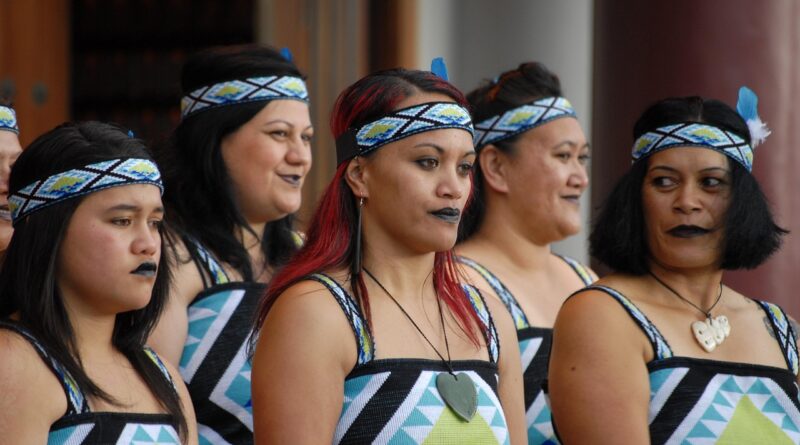
Moko kauae is most often associated with Māori women. It may cover the chin, the lower lip, or both, depending on tikanga, the wearer, and the artist. Te Ara records that Māori women continued receiving moko kauae into the 1950s, and that detail matters because it shows the practice did not stop at museum history. It stayed with living people, even when social pressure and colonial views made facial markings harder to wear in public.
A Living Practice, Not a Fashion Trend
The safest way to understand moko kauae is as a living cultural mark. It can be clean, strong, simple, or detailed, but looks are not the main point. If it is treated as a face ornament, the story behind it gets pushed aside. That is why a copied chin design can feel intrusive, even when the person copying it thinks the design looks respectful.
How Did Moko Kauae Become Part of Tā Moko?
Tā moko has roots in Aotearoa New Zealand and sits within wider Pacific tattoo histories. The practice has changed over time as tools, social conditions, and public attitudes changed. Even so, the main idea stayed firm: moko is tied to identity and status in a way that a normal fashion tattoo is not.
Customary Tools and Skin Carving
Te Papa notes that Māori developed uhi, tattooing tools used to cut grooves into the skin. It also records that metal began replacing bone in uhi by the 1840s. That may sound like a small tool detail, but it says a lot about the practice. Tā moko was not frozen in one old image; materials changed, artists adjusted, and some modern practitioners use tattoo machines while still following tikanga and cultural process.
Chin and Lip Markings in Women’s History
Historic portraits, written records, and museum collections often show kuia, elder women, with moko kauae. These images are important, but they should not be used as free design sheets. Te Papa’s Kuia Mau Moko exhibition presents 29 black-and-white photographs by Marti Friedlander of Māori kuia who received moko kauae in the 1920s through an unbroken female tattooing tradition. The photos were taken in the late 1960s and early 1970s, when many people thought the practice was fading.
Revival Through Kuia, Artists, and Whānau
Te Papa also states that within two decades of those photographs, moko kauae began a quiet revival, and today hundreds of Māori women proudly wear ancestral moko. That background is important because the revival was not a random tattoo trend. It grew from cultural recovery, language revival, family pride, and the work of artists and communities. In this setting, a chin tattoo can feel like a return to something carried forward, not a new accessory.
Who Can Wear a Moko Kauae Respectfully?
This is the question many people ask quietly, especially outside New Zealand. There is no single internet rule that can speak for every iwi, hapū, artist, or whānau. Still, public Māori cultural sources point to a clear starting point: moko kauae is tied to Māori identity, and the face is not a neutral canvas.
Whakapapa and Community Consent
If you have Māori whakapapa, the right path is still not usually a fast booking with any artist who can draw Polynesian lines. You would normally speak with family, learn the right names and stories, and find an artist who works within Māori practice. Consent may be personal, but it is also relational. A moko kauae can place you visibly inside a community story, so the process matters as much as the finished mark.
Kirituhi as a Safer Option
For non-Māori wearers, kirituhi is often discussed as a more respectful path than tā moko. It is Māori-inspired skin art that does not claim Māori genealogy or sacred personal markers. Even then, you still need an artist with cultural knowledge, and you need to accept limits. A large chin piece that imitates moko kauae is still likely to feel wrong to many people, even if someone calls it “inspired.”
Questions Before Any Design
Ask plain questions before you commit. Does the design contain iwi-specific forms, or does it copy a living person’s moko? Is the artist Māori, or are they only selling a style because it is popular online? Can they explain why certain motifs are used and what should be avoided? If the answers are vague, slow down. A little discomfort before the appointment is better than regret after the stencil comes off.
Why Is Copying a Maori Chin Tattoo Risky?
The risk is not only that someone online may criticize the tattoo. The deeper issue is cultural harm. Moko kauae can carry identity, ancestors, and social meaning. When it becomes a copied image, that meaning gets flattened into a look.
Sacred Symbols Carry Cultural Ownership
The World Intellectual Property Organization describes traditional cultural expressions as forms that can include designs, signs, symbols, ceremonies, and artistic expressions passed between generations. It says these expressions form part of the identity and heritage of Indigenous and local communities. That global framework fits the caution around Māori tattooing. A design can be visible to the public and still not be yours to take.
Public Life Can Misread Facial Tattoos
Facial tattoos are noticed quickly. In a job interview, airport line, classroom, or wedding photo, people often react before they ask. For a Māori wearer, moko kauae may be a proud statement of identity. For a non-Māori wearer with a copied chin design, the same visibility can raise hard questions about appropriation. That is a heavy burden for a tattoo chosen from a screen.
Search Demand Does Not Equal Permission
Searches for Māori tattoo ideas do not prove cultural permission. No reliable public source gives a current global count of people seeking moko kauae or wearing copied chin designs, so any big number in a casual blog should be read with caution. The better point is simple: online interest is real, but cultural consent is not measured by search volume. A design can trend and still be off limits. See also: tattoo care.
What Should You Ask a Tattoo Artist Before Booking?
A respectful tattoo starts before the needle touches skin. The artist you choose can guide you away from harm or sell you a design that causes problems later. A good consultation should feel patient, specific, and honest, not like a rush to collect a deposit.
Artist Lineage and Cultural Practice
Ask the artist about their background with tā moko or kirituhi. Where did they learn, and who taught them? Do they work with Māori clients and communities? Do they refuse some requests? A serious artist will not be annoyed by careful questions. In many cases, a refusal is a good sign because it shows the artist has boundaries.
Design Process and Personal Story
Real cultural tattoo work is rarely copied from a photo. It should connect with your story in an honest way and avoid claiming stories that are not yours. If you are not Māori, that may mean a kirituhi piece on the arm, shoulder, chest, or leg rather than the chin. The result can still mean something without pretending to be moko kauae.
Placement, Pain, and Aftercare
The chin is sensitive, public, and hard to hide. Swelling, talking, eating, and healing can all be awkward. More important, placement carries cultural meaning. If a design belongs somewhere else, listen to that advice. Aftercare also matters, so keep the area clean, follow the artist’s instructions, and avoid makeup or shaving near fresh work until it has healed.
How Can Tattoo Brands Write About Māori Tattoos With Care?
Shops, blogs, and suppliers often write about Māori tattoos to bring in readers. That can be useful when the content teaches respect. It becomes a problem when pages turn sacred marks into quick design menus. If you run a tattoo site, careful wording protects readers and communities.
Source Names and Dates
Use named public sources, not loose lines like “ancient tribes believed.” For example, Statistics New Zealand’s 2023 Census reported 887,493 people identifying with the Māori ethnic group, or 17.8 percent of the census usually resident population, and 978,246 people of Māori descent, or 19.6 percent. This background is demographic, not decorative. Māori culture belongs to a large living people, not a vanished past.
Language That Avoids Generic Tribal Claims
Words like “tribal chin tattoo” may look easy for SEO, but they blur real cultures. Use Māori, tā moko, moko kauae, kirituhi, whānau, and whakapapa when those are the right words. If a term is uncertain, say so instead of guessing. The Intellectual Property Office of New Zealand describes Māori culture and traditional knowledge as taonga, or treasure, and notes that IP rights can help prevent exploitation or inappropriate use. That point matters for any commercial tattoo content.
Education Before Sales
A page about moko kauae should not push readers straight to a booking button. Teach first, then let people decide with better information. Explain that some designs are not open for copying. Suggest talking with qualified Māori artists, and point non-Māori readers toward safer choices. Sales may still happen, but the page should leave people more careful than when they arrived.
FAQ
Q1: Is a Maori Chin Tattoo the Same as Moko Kauae? A: In most tattoo searches, yes. Moko kauae refers to the Māori chin and often lip tattoo associated with Māori women, while a general Māori tattoo may appear on many parts of the body.
Q2: Can a Non-Māori Person Get Moko Kauae? A: A non-Māori person should not copy moko kauae. If you want Māori-inspired work, ask a knowledgeable artist about kirituhi and avoid designs that claim Māori genealogy, status, or sacred facial placement.
Q3: Is Kirituhi Always Safe for Non-Māori Wearers? A: Not automatically. Kirituhi can be a better path, but the artist, design, placement, and process still matter. A careless copy can still be disrespectful.
Q4: Why Do Some Māori Women Wear Moko Kauae Today? A: Many wear it as a visible mark of identity, whakapapa, pride, and connection with ancestors. Te Papa describes the modern return of moko kauae as a revival linking past and present.
Q5: What Should You Do Before Getting Any Māori-Inspired Tattoo? A: Research named sources, speak with a qualified artist, avoid copying photos, ask what motifs mean, and choose a design that does not claim a culture or lineage that is not yours.