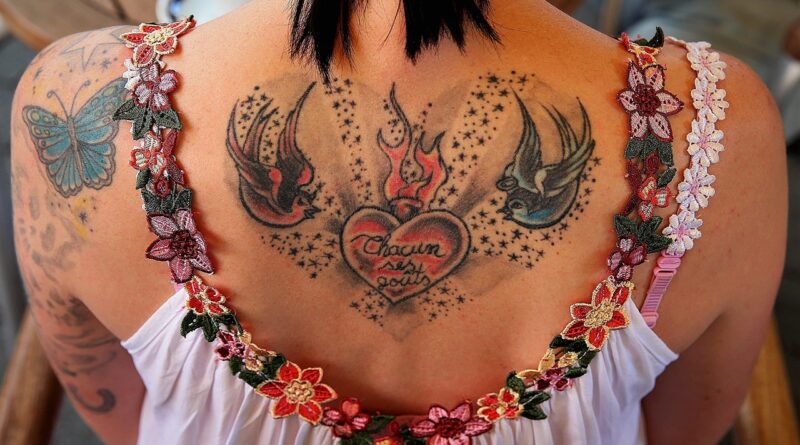
What Are the Best Tattoo Cover Up Ideas for Old Ink?
Why Do Tattoo Cover Up Ideas Need a Real Plan?
Tattoo cover up ideas are not only about putting a nicer picture over old ink. A proper cover-up has to deal with color, shape, size, scar texture, placement, and the reason you no longer want that tattoo on your skin. If you are checking styles before visiting a studio, the tattoo ideas section can help you narrow down the look before you talk about needles, time, and budget.
Cover-ups are common because tattoos are common, and people change. Pew Research Center reported in August 2023 that 32% of U.S. adults have a tattoo, 22% have more than one, and about 24% of tattooed adults have regretted at least one tattoo. That does not mean regret is the usual result. It just shows why cover-ups are a real tattoo service, not a small side request. (pewresearch.org)
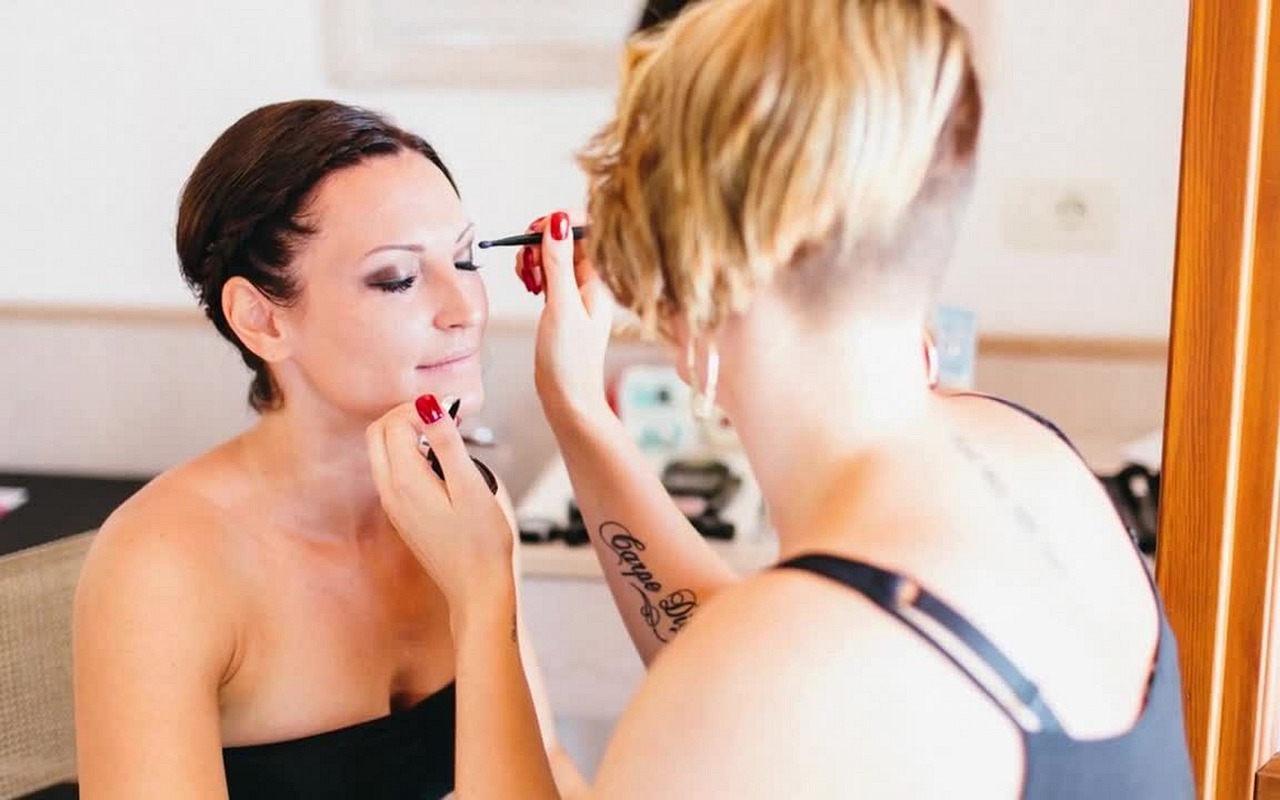
Regret Is More Common Than You Think
Regret often starts with names, quick vacation tattoos, old symbols, blurred linework, or artwork that no longer fits your life. A cover-up should not make you feel worse about the old choice; it should give the skin a cleaner direction. The old tattoo still sets the limits, though. A pale gray design may work under soft flowers, fine ornamental work, or a small animal piece, while a heavy black tribal band usually needs blackwork, deep shading, or a larger layout.
Skin, Ink, and Placement Set the Rules
Your skin is part of the job, not just the surface under the drawing. The U.S. Food and Drug Administration explains that tattoo ink sits in the dermal layer of the skin, and contaminated ink can lead to infection concerns. For a cover-up, the artist also has to check raised lines, scar tissue, blowout, dryness, and sun damage. A clear photo helps with the first review, but it cannot replace seeing the skin in person under studio lighting. (fda.gov)
A New Design Should Beat the Old Shape
A cover-up works when the new tattoo moves attention away from the old outline. That usually means the new design may need to be larger than you first expected. It may also need darker areas in the right places, not spread across the whole piece. The aim is not to turn the skin black unless that is the style you want; the aim is to control contrast, movement, and focal points so the old tattoo is no longer the first thing people see.
Which Tattoo Cover Up Ideas Work Best for Dark Ink?
Dark ink can be covered, but it needs firmer planning. Public sources do not give a reliable ranking of the most requested cover-up motifs, so it is better to ignore fake top-ten lists. The practical way is to match the new idea to the old tattoo’s shape, density, and location.
Bold Florals and Leaves
Roses, peonies, chrysanthemums, and large leaves are used often because they solve real cover-up problems. Petals give the artist shadows, folds, and overlapping shapes to work with. Leaves can hide old lettering, small symbols, or uneven patches without making the design look forced. For example, an old wrist name can become a wrap of leaves with one dark flower placed near the heaviest letters.
Blackwork, Geometric, and Ornamental Patterns
Blackwork is a practical choice when the old tattoo is already dark. Geometric panels, mandala shapes, sacred geometry, dotwork fields, and ornamental cuffs can turn a rough area into something that looks planned. This style does not suit every body part, though. It can look heavy on small wrists or ankles, so ask for a stencil at the real size before you agree to it.
Animals, Wings, and Mythic Figures
Animals and winged designs are useful when the old tattoo has a long, curved, or uneven shape. A snake can follow an old forearm line, and a raven wing can cover a faded shoulder piece. A koi fish or dragon can work over a curved calf tattoo because scales, fins, and smoke give the artist many dark and light areas. The main point is to choose an animal you actually like, not just the first creature that can hide the old work.
How Can You Cover Names, Dates, and Small Symbols?
Names, dates, and small symbols are often tied to strong feelings. They also need a careful hand. Not every old name needs a skull, a raven, or a large blackout panel. In many cases, the cleaner result comes from turning the old structure into part of a new decorative design.
Script Into Vines or Fine Florals
Script already has movement, and that movement can be turned into vines, stems, small flowers, smoke, or thin ornamental lines. If the name is light and not packed too tightly, the old curves may be hidden inside the flow of the new piece. If the letters are dark and close together, the artist may need one or two heavier flowers over the darkest sections. That gives the design a reason to be darker in those spots.
Dates Into Bands, Coordinates, or Frames
Dates are often easier than names because they usually sit in a straight line. A date on the arm can become a narrow band, a bracelet-style tattoo, a small frame, or a set of coordinates with added shading. Roman numerals can sometimes be changed into architectural lines or decorative borders. If the old date carries a lot of emotion, choose a new design that does not keep pulling your eye back to it.
Tiny Symbols Into Charms or Texture
Small hearts, stars, initials, and minimalist icons can become charms, sparkles, leaves, lace details, clouds, water texture, or small background shadows. A skilled artist will not always place one new object directly on top of the old mark. Sometimes the better move is to build a small group around it, then hide the old mark inside the busiest part. This usually looks more natural than forcing one symbol to cover another.
Should You Use Laser Fading Before a Cover Up?
Laser fading is different from full removal. It is often used to lighten the old tattoo enough so the new artwork has more room to work. The American Society for Laser Medicine and Surgery states that Q-switched and picosecond lasers are the most effective devices for tattoo removal, but no tattoo is fully removed in one session. The same source notes that six to more than ten treatments may be needed for maximum lightening, with six to eight week gaps between sessions. The American Academy of Dermatology also states that lasers continue to outperform older removal methods. (aslms.org) (aad.org)
When Fading Makes the New Tattoo Cleaner
Fading can help when the old tattoo is very dark, very large, or placed where you want a lighter new style. For example, a black name on the chest may need fading before it can become a soft botanical design. Without fading, the artist may have to use a much darker design than you wanted. Even one or two sessions can sometimes open up more style choices, although the old tattoo may still be visible.
How Many Sessions May Be Needed
The number of sessions depends on ink color, ink depth, tattoo age, your skin, and the laser provider. Do not book a cover-up for the week after a laser session because the skin needs time to settle. Many artists prefer to see fully healed skin before they draw the final design. Rushing this step is one common reason for patchy healing, muddy color, or another tattoo you do not like.
Color and Skin Tone Matter
Black ink usually gives the clearest planning path, whether you fade it first or cover it directly. Some colors are more difficult to predict. Light pigments can react in unexpected ways during laser work, and darker skin tones need careful laser settings from a trained provider. If laser fading is an option, speak with a qualified medical professional first, then take that plan back to your tattoo artist. See also: tattoo care.
What Should You Ask Your Artist Before Booking?
A cover-up consultation should be more detailed than a normal flash tattoo booking. You are not only picking art; you are asking the artist to solve a technical problem on living skin. Bring clear photos, healed photos if you have them, and a short list of styles you would really wear for years.
A Clear Photo Review
Send photos in natural light and do not use filters. Include one close photo and one photo from a normal viewing distance. If the tattoo wraps around the arm, leg, or ribs, show every side. A blurry photo can lead to a poor estimate, and a careful artist may still ask to see the tattoo in person, especially if the old ink is raised or scarred.
A Sketch That Hides the Old Edges
Ask how the new sketch deals with the old tattoo’s darkest areas and outer edges. This is more useful than only asking whether it can be covered. Listen for a clear answer. The artist might explain that the darkest flower sits over the old letter M, or that the wing shadow covers the old outline.
A Healing and Aftercare Plan
Cover-ups can need more ink, more shading, and longer sessions than small fresh tattoos. Ask how long the session may take, whether it should be split, and how aftercare should work for that body part. Hands, feet, elbows, knees, ribs, and collarbones can be harder to heal. That is not a reason to panic, but your schedule should leave room for swelling, loose clothing, and a few quiet days.
How Do You Choose a Style That Still Looks Good Later?
The best cover-up is not only the one that hides the old tattoo on the first day. It should still read well after healing, sun exposure, and normal aging. Clean structure matters more than tiny detail. Personal meaning matters too, but it should not box you in again.
Bigger Usually Covers Better
Many cover-ups need to be about two to three times larger than the old tattoo, although this is not a fixed rule. Extra size gives the artist room for shadows, background, and movement. If the new piece is kept too small, the old shape may show through. Bigger does not always mean louder; a larger design with open spacing can look calmer than a small dark patch.
Contrast Beats Detail
Tiny details can look good in fresh photos, but contrast is what keeps a cover-up readable over time. Dark against light, smooth against textured, and open skin against shaded areas all help the design hold its shape. A cover-up filled with micro lines may look clever at first and cloudy later. If your artist suggests fewer details, it may be a practical choice, not a lack of ideas.
Personal Meaning Should Stay Flexible
Choose meaning that can grow with you. Nature themes, travel symbols, animals, abstract patterns, and heritage-inspired ornaments often age better emotionally than jokes, trending icons, or another person’s initials. If you want a very personal design, that is fine. Just give it enough space so it still feels right years later.
FAQ
Q1: Can Any Tattoo Be Covered Up? A: Many tattoos can be covered, but not every tattoo can become every design. Dark, scarred, or very dense tattoos may need a larger piece, darker shading, or laser fading first.
Q2: What Is the Easiest Color to Cover? A: Light gray, faded black, and soft blue-green ink are often easier to work with than fresh dense black. Your artist will judge the real difficulty by looking at the healed tattoo.
Q3: Are Cover-Up Tattoos More Painful? A: The pain level depends on placement, session length, and your skin. A cover-up can feel more intense if it needs heavy shading or work over scarred skin.
Q4: Should You Pick the Design or the Artist First? A: Pick the artist first if the old tattoo is dark or complex. A skilled cover-up artist can tell you which styles will work before you fall in love with the wrong idea.
Q5: How Long Should You Wait Before Covering a New Tattoo? A: Wait until the tattoo is fully healed, and often longer if the skin is raised, shiny, or irritated. For many people, that means at least several months before a serious cover-up plan.