What Tattoo Types and Styles Will Look Best on Your Skin?
What Are the Main Tattoo Types and Styles?
The range of tattoo styles can look wide when you first search for tattoo types and styles. One flash sheet might have roses, skulls, dragons, small script, black sleeves, soft portraits, and geometric pieces on the same page. It helps to sort them by line, shading, color, size, and the message you want to wear. Tattooing is not a fringe choice now. Pew Research Center reported in August 2023 that 32% of U.S. adults have at least one tattoo, based on a July 10 to July 16, 2023 survey of 8,480 adults; 22% had more than one. That is why more clients now compare styles before booking instead of picking the first design on the wall. (pewresearch.org)
Traditional and Neo Traditional
Traditional tattoos use heavy outlines, simple shapes, and known icons such as roses, anchors, daggers, panthers, ships, and eagles. They are easy to read from a distance, so they often age better than small pieces with too much detail. Neo Traditional keeps that strong base, then adds more color mixing, broader themes, frames, and extra face or animal detail. If you want something classic but still made for you, this group is a steady place to begin.
Realism and Portrait Work
Realism tries to make skin look like a photo, sculpture, painting, or film still. Portraits, pets, religious figures, wildlife, and horror designs often sit in this style. It needs enough room for smooth shading, so a palm-sized portrait is usually a bad fit. Ask for healed photos as well as fresh work. A portrait can look clean on day one, but it may lose softness later if the contrast is too low or the placement moves a lot.
Fine Line Minimalist and Micro Tattoos
Fine line and minimalist tattoos use thin needles, small shapes, and open skin. They work well for initials, small flowers, dates, constellations, simple animals, and clean symbols. These tattoos can look neat on wrists, ankles, collarbones, and behind the ear. Still, small does not mean simple for the artist. Thin lines can spread a little as skin heals, so the design needs space. A tiny butterfly with many inner details can blur, while a plain outline may stay clear and pleasant.
Which Tattoo Style Matches Your Personality and Placement?
Style and placement need to work together. A forearm tattoo is visible when you shake hands. A rib tattoo may stay private unless you are at the beach. A back piece gives the artist room to build a larger design, while a finger tattoo needs a simple shape and plain expectations. YouGov’s March 31 to April 2, 2025 survey of 1,115 U.S. adult citizens found common tattoo inspirations included animals, flowers, symbols, designs people simply liked, life stories, memorial ideas, and quotes. In short, people choose tattoos for both meaning and appearance, and that is normal. (yougov.com)
Bold Ideas for Arms Legs and Chest
Arms, calves, thighs, and chest panels can handle bold tattoo types very well. Traditional, blackwork, Japanese inspired compositions, biomechanical pieces, and large florals all have enough room in these areas. If you wear short sleeves at work, check the visibility before choosing a half sleeve. A large tiger head on the forearm gives a different message than a small leaf near the ankle, even when both are done well.
Small Personal Symbols for Wrists Ankles and Ribs
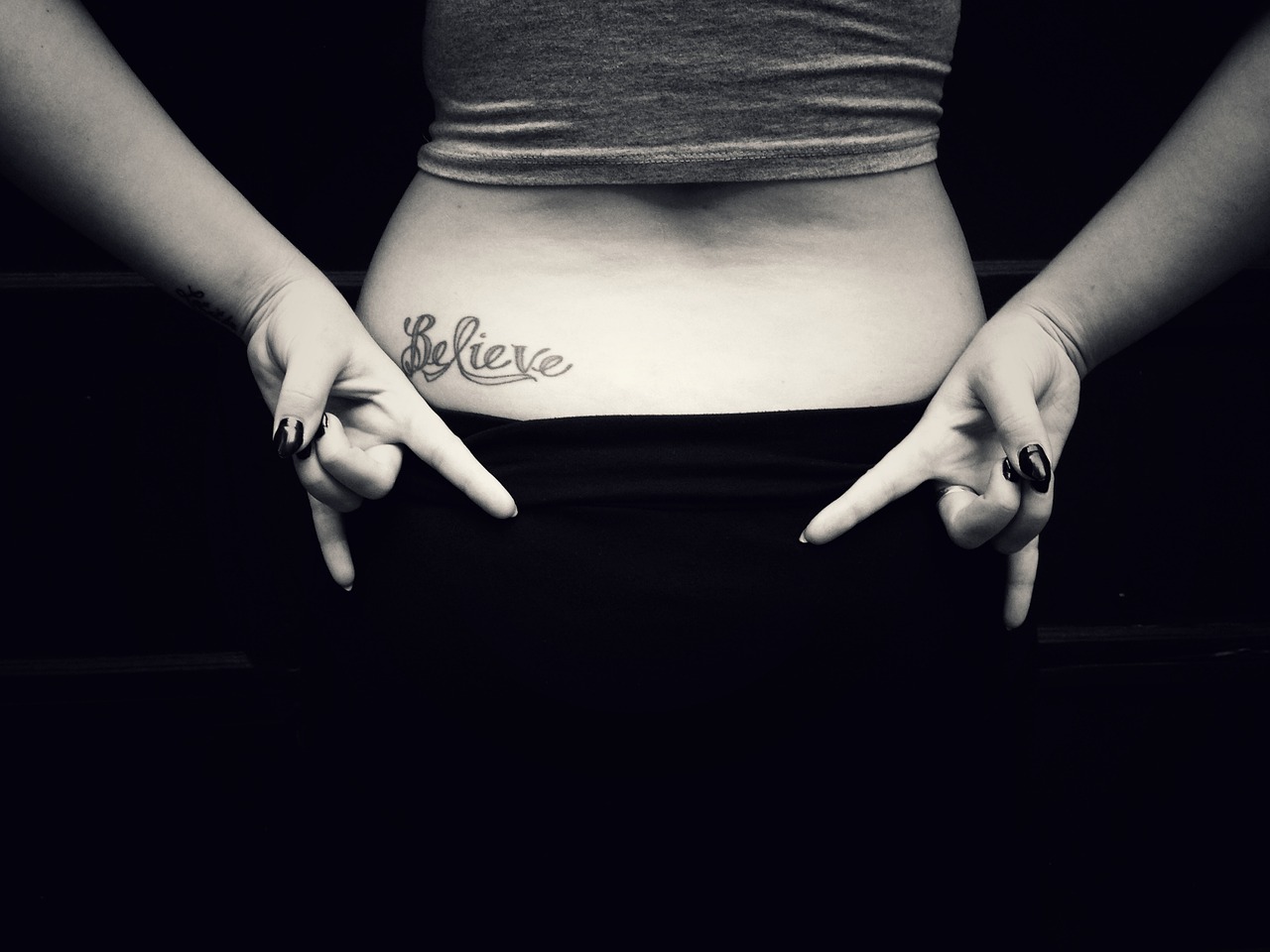
Wrists, ankles, ribs, and inner arms often suit personal symbols, script, birth flowers, zodiac signs, and small memorial tattoos. These spots feel more private, but they can be sore during the appointment. Ribs, in particular, catch many first timers off guard. For script, keep the wording short. A six-word quote may age better than a full paragraph, and your future self will likely appreciate the extra space between letters.
Flowing Designs for Back Shoulder and Hip
The back, shoulder, hip, and side body are useful for designs with movement. Snakes, koi fish, vines, dragons, ornamental patterns, and abstract waves can follow the body instead of looking pasted on. This is where an experienced artist earns the fee. A stencil should look balanced when you stand, twist, and relax your arm, not only when you hold one clean studio pose.
How Do Different Tattoo Styles Age on Skin?
There is no reliable public database that ranks every tattoo style by long-term aging with clean numbers. Most advice comes from dermatology guidance, healed portfolios, and shop practice built over years. Skin changes. Lines spread a little, colors fade, and sun exposure affects almost every tattoo. A tattoo that still looks strong after five years usually had enough size, contrast, and smart placement from the start.
Line Weight and Long Term Clarity
Bold lines usually hold better than very thin lines. That does not mean every tattoo has to look heavy. It means the smallest details should fit the body part and the final size. Traditional roses, blackwork symbols, and larger geometric pieces often stay readable because they do not rely on hair-thin gaps. Micro lettering, tight mandalas, and tiny realism need careful sizing and an honest talk before the stencil goes on.
Color Saturation and Sun Exposure
Color tattoos can age well when the saturation and shade contrast are strong enough. Yellow and pale pink often look faded sooner than black, deep red, or blue because light colors have less contrast on many skin tones. Sun exposure is the quiet problem here. A bright outer-arm tattoo that gets summer sun every week will usually need care sooner than a covered upper-thigh piece.
Placement Movement and Touch Ups
Hands, fingers, elbows, knees, feet, and neck areas move, rub, and shed faster than flatter areas. They are not off limits, but the plan has to account for that wear. A finger tattoo may need a touch up, and even then it may not look like a flat Instagram close-up. For a first tattoo, the forearm, upper arm, calf, or thigh often gives a more predictable result.
What Should You Know Before Choosing Color Blackwork or Graywash?
Color choice affects the mood, price, healing, and future cover-up options. Black can look clear and steady. Graywash gives a softer, shaded look. Full color can feel bright, film-like, floral, or playful. Skin tone matters too, not as a hard limit, but as part of the design plan. A good artist will check contrast and explain which colors are likely to show best on your skin.
Blackwork for Contrast and Graphic Impact
Blackwork includes many looks: solid bands, sacred geometry, blackout sleeves, tribal patterns, ornamental lace, gothic shapes, and abstract panels. It is strong, plain, and easy to notice from a distance. It can also cover older tattoos better than pale styles. The tradeoff is commitment. A large black area is hard to reverse, so the shape should fit your body and daily clothing, not just your mood this month.
Graywash for Soft Shading
Graywash uses diluted black ink to make soft shadows. You see it in realism, Chicano work, religious pieces, statues, roses, skulls, and script backgrounds. It suits people who want depth without bright color. Contrast still matters. If every part sits in the same mid-gray range, the tattoo may look flat over time. Strong dark areas and clean skin breaks help the piece stay readable.
Color Tattoos for Mood and Story
Color can show feeling fast. Red roses can feel romantic or risky. Green snakes feel alive, and blue waves feel calm. Full color Japanese inspired sleeves, Neo Traditional animals, anime tattoos, watercolor florals, and cute sticker-like designs all use color in different ways. Ask whether the artist’s healed color work still looks solid after a year. Fresh color always looks louder than healed color. See also: tattoo care.
Are Cultural and Symbolic Tattoo Styles Right for You?
Some tattoo types and styles carry cultural, spiritual, or family meaning. That does not mean you can never choose them. It does mean you should take more time, learn the background, and avoid using sacred or community-specific symbols as random decoration. A considered design usually feels better years later. It can also save awkward questions at parties, and those questions do happen.
Japanese Irezumi Inspired Themes
Japanese inspired tattoos often use dragons, koi, tigers, snakes, peonies, chrysanthemums, waves, wind bars, masks, and warriors. Body flow matters a lot in this style. A sleeve is not just a row of separate stickers; it is one full composition. If you want this style, choose an artist who understands the visual rules, including direction, season, background, and scale.
Tribal Polynesian and Geometric Influences
Tribal and Polynesian inspired tattoos can carry close links to ancestry, rank, family, protection, and place. Copying a pattern from search results without context can be disrespectful, and it can also look weak. If the design connects to your heritage, speak with someone who knows the tradition. If it does not, geometric or ornamental blackwork may give you a similar bold look without using specific cultural marks.
Script Spiritual and Memorial Designs
Names, dates, prayers, coordinates, handwriting, and memorial quotes can feel strong because they are direct. Keep script easy to read, and check spelling more than once. For another language, ask a native speaker instead of using an auto-translation screenshot. Memorial tattoos often work best when they include one real detail, such as a flower, tool, bird, or small object tied to the person.
How Can You Plan a Tattoo That Feels Right Years Later?
A tattoo plan does not need to be stiff. It just needs enough thinking before you book. Pick a style, choose a placement, set a budget, study healed photos, and talk with the artist about size. The U.S. Food and Drug Administration notes that tattoos are made by inserting ink into skin with needles, and it has received reports of infections from contaminated inks and allergic reactions. The FDA also says rare swelling or burning during MRI has been reported. Safety is not the fun part, but it belongs in the decision. (fda.gov)
Reference Images Without Copying
Bring references for mood, not an order to copy someone else’s tattoo. Three to six images are usually enough: one for style, one for subject, one for placement, and maybe one for color. Tell the artist what you like in each image. It may be the line weight, face angle, soft shading, red flowers, or open space. Clear notes are more useful than a folder with fifty screenshots.
Artist Choice Hygiene and Skin Safety
Choose an artist whose portfolio already shows the style you want. A strong traditional artist may not be the right portrait artist, and that is normal. Also check shop hygiene, sterile needles, sealed supplies, and aftercare instructions. The American Academy of Dermatology says redness and swelling can be normal after a tattoo, but signs like worsening pain, pus, rash, fever, or spreading redness need medical attention. (aad.org)
Budget Sessions and Aftercare
Cheap tattoos can turn into costly cover-ups. Large pieces may take several sessions, especially sleeves, back pieces, and realism. Ask about hourly rates, deposits, drawing time, touch-up policy, and healing windows before you commit. Aftercare is basic, but you still have to do it: keep it clean, do not pick, skip pools while healing, and protect it from sun once healed. A good tattoo is partly the artist’s work and partly your daily care.
FAQ
Q1: What Is the Best Tattoo Style for a First Tattoo? A: Traditional, small blackwork, simple florals, and clean script are common first choices because they are readable and easy to place. Choose a design with enough size for the detail you want.
Q2: Which Tattoo Types and Styles Last the Longest? A: Bold lines, strong contrast, and simple shapes usually age better than tiny detailed work. Traditional, blackwork, larger geometric tattoos, and clear illustrative pieces often stay readable with good care.
Q3: Are Fine Line Tattoos a Bad Idea? A: No. Fine line tattoos can look neat and clean. The design just needs proper spacing, a skilled artist, and a realistic size. Very tiny details may soften as the skin heals.
Q4: Should You Choose Color or Black Ink? A: Choose black ink for contrast, graphic style, and easier long-term readability. Choose color when mood, character, flowers, animals, or cultural imagery need more range. Your skin tone and placement should guide the palette.
Q5: How Do You Avoid Tattoo Regret? A: Wait a little before booking, check healed portfolios, avoid rushed trend choices, and choose meaning that still feels steady after the excitement fades. If the design still feels right after a few weeks, it has a better chance.