What Does a Tattoo of Butterflies Really Mean?
A tattoo of butterflies usually points to change, freedom, and the kind of strength people build after a hard time. If you are checking symbols before booking your appointment, it fits well in the wider topic of tattoo meanings, where one image can hold more than one idea. The main point is simple: a butterfly tattoo should not feel like a random picture picked from a wall. It should feel like something you would still be fine wearing on a normal day ten years from now.
Transformation and Personal Growth
The most common meaning comes from the butterfly life cycle. A caterpillar turns into a chrysalis, then comes out as an adult butterfly with wings. Smithsonian Gardens describes the butterfly’s short beauty and life cycle as signs of change in nature and the passing of time. In tattoo language, that often becomes a sign of recovery, a new stage in life, or a quiet promise that you changed and kept moving.
Freedom After a Hard Season
Butterflies fly in a light way, so the design often feels like release. Some people choose one after leaving a hard relationship, moving to another city, finishing treatment, or getting through a long period of doubt. The tattoo does not have to explain the whole story to everyone. A small butterfly on the wrist can say enough, especially when the reason behind it is private.
Delicate Beauty With Real Strength
A butterfly looks fragile, but it still deals with weather, migration, and a full body change. That contrast is one reason the image works well as body art. It can look gentle without looking weak. A fine-line tattoo of butterflies may suit someone who likes a simple style, while a larger shaded piece can feel stronger and more noticeable. Both can carry the same message: soft does not mean weak.
Why Are Butterfly Tattoos So Popular Right Now?
Butterfly tattoos feel familiar, but a good drawing keeps them from feeling plain. They also fit today’s tattoo market, where many clients want pieces with meaning, easy placement, and a design that is not hard to explain at work or around family. There is no reliable public database showing the exact share of butterfly tattoos among all tattoo requests, so claims like “number one design worldwide” are not safe to repeat. What can be checked is the wider growth of tattoo acceptance.
A Symbol That Feels Personal
Pew Research Center reported in August 2023 that 32% of U.S. adults had at least one tattoo, including 22% who had more than one. Pew also found that 80% of Americans said society had become more accepting of people with tattoos over the previous two decades. In this setting, a butterfly fits easily. It looks expressive, but most people can still understand it. Someone may notice the beauty first, and you can share the meaning only if you want to.
Small Designs That Fit Modern Life
A butterfly can be tiny, medium, or large enough for a full-back design, so it works for different lifestyles. A two-inch ankle design can stay covered under socks. A shoulder butterfly can show with summer clothes, while a rib piece stays private unless you choose to show it. This matters because real life includes dress codes, weddings, grandparents, beach trips, and job interviews where you may not want every personal story on display.
A Style That Works Across Ages
The design also changes well with age and taste. A younger client may choose a fine-line butterfly with small sparkle details. Someone who likes classic tattooing may choose bold black lines and solid color. A memorial piece may use soft shading with initials or a date. The symbol stays easy to read, but the style can change, which is why it keeps coming back without being tied to one short trend.
Which Butterfly Tattoo Design Says It Best?
Before choosing a stencil, think about what the butterfly needs to do. Is it for a new start, a memorial, a cover-up, or simply a design you like? The same subject can look very different with another line weight, wing shape, color choice, or small detail around it. A good design does not need too many symbols fighting for space. One clear idea usually heals and ages better.
Single Butterfly for a Clear Message
A single butterfly is clean and direct. It often points to personal change, independence, or quiet growth. This is a good option for a first tattoo because it is easy to size and place. If you want a subtle look, ask for simple wings, light shading, and enough negative space so the lines do not run together later. Tiny tattoos can look nice, but they still need room.
Two Butterflies for Connection
Two butterflies can show partnership, friendship, family, or two sides of the same person. Some clients choose one large and one small butterfly to stand for a parent and child. Others use paired butterflies for siblings or for someone who has passed away. Keep the pair balanced so the layout does not feel off. If both butterflies face the same way, the design feels like movement. If they face each other, it feels more personal and close.
Butterfly With Flowers, Names, or Dates
Flowers change the tone of a butterfly tattoo. Roses can feel romantic or memorial, lavender feels calm, and cherry blossoms can suggest short beauty and passing time. Names and dates can work too, but the lettering needs to stay readable. In tattoo shops, tiny script under a tiny butterfly is a common regret because letters can close up as skin changes. If the words matter, give them enough space and use a plain font.
Where Should You Place a Butterfly Tattoo?
Placement changes the whole feel of the piece. The same tattoo of butterflies can look bold on the upper arm, private on the ribs, neat on the collarbone, or playful behind the ear. Pain level, sun exposure, clothing friction, and possible touch-ups all need to be considered. A pretty spot is not always the easiest spot to heal.
Wrist, Ankle, and Collarbone
The wrist is visible and personal, so it works well for a daily reminder. The ankle feels light and classic, especially for a small butterfly in black ink. The collarbone can look clean because the wings may follow the natural bone line. These areas suit fine-line work, but they can fade faster when they get sun or rub against jewelry, shoes, or watch bands.
Shoulder, Back, and Hip
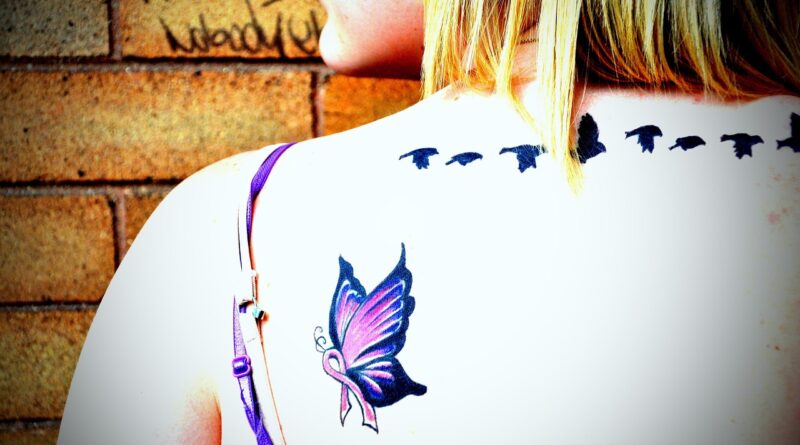
The shoulder gives the artist more room for wing detail and movement. The back works well for balanced designs or a small group of butterflies moving upward. The hip is more private and can handle a softer layout with flow. These spots help if you want more detail without showing the tattoo all the time. They also tend to work better for medium designs than for very tiny ones.
Behind the Ear and Fine-Line Spots
Behind the ear is popular, but the design needs to stay simple. There is limited space, and small details can blur together over time. Fingers, feet, and very thin wrist lines may also fade faster than expected. If you like these spots, choose a clean outline or a small silhouette. A good artist may refuse a design that is too detailed for the area. That is usually not attitude; it is shop experience. See also: tattoo care.
What Do Butterfly Tattoo Colors Mean?
Color gives a butterfly tattoo another layer of meaning. Black and gray can feel steady and classic, blue can feel calm, and pink may feel gentle or happy. Still, color meaning is not a fixed rule. Culture, personal memory, and skin tone all affect how the tattoo looks and feels. Choose the meaning first, then choose pigment that should heal well on your skin.
Black and Gray for Memory and Elegance
Black and gray butterflies are common for memorial tattoos because they feel calm and lasting. They also age well when the artist builds enough contrast. A small black butterfly can look clean on the wrist, neck, or ankle. Larger black and gray pieces allow soft shading inside the wings, which can make the tattoo look more realistic without making it too busy.
Blue, Purple, and Pink for Soft Emotion
Blue often suggests calm, freedom, or healing. Purple can feel spiritual, creative, or a little mysterious. Pink is often linked with tenderness, love, or a more playful look. These colors can work with fine-line or watercolor styles, but watercolor needs an artist who knows the style well. Without enough structure, soft color can heal into a light blur. A tattoo that looks pretty on day one is not always the one that looks best years later.
Red, Yellow, and White With Extra Care
Red, yellow, and white can stand out, but they are worth a proper talk during the consultation. The American Academy of Dermatology has noted that tattoo reactions can appear days, months, or even years later, and it gives an example involving red ink many years after the tattoo was done. The U.S. Food and Drug Administration also warns that tattoo inks can cause allergic reactions and that contaminated inks can lead to infections. This does not mean you have to avoid color. It means you should ask about ink quality, healing, and your own skin history before the session.
How Can You Plan a Tattoo of Butterflies Safely?
A meaningful tattoo still needs practical planning. A good result usually comes from a clear idea, a clean studio, a design made for your body, and aftercare you can actually follow. Rushing often shows later. Saving a screenshot late at night and booking the cheapest open slot the next morning may feel exciting, but skin keeps the record.
Choose a Skilled Artist
Look for healed photos, not only fresh ones. Fresh tattoos always look sharper because the skin has just been worked on. Healed photos show line quality, shading, and color retention after the real test. For a butterfly, check wing symmetry, smooth curves, and clean antennae. If you want fine-line work, choose someone who does it often. If you want color realism, choose an artist who handles color realism often.
Check Skin, Ink, and Aftercare
The FDA explains that tattooing places ink into skin with needles, so the skin barrier is broken during the process. That is why hygiene is not optional. Ask whether the studio uses single-use needles, sealed ink caps, and proper surface cleaning. After the session, follow the artist’s care plan. If you see spreading redness, heat, pus, fever, or pain that gets worse instead of better, get medical advice quickly.
Think About Aging and Touch-Ups
Butterfly wings have many small shapes, so size matters. If the design is too tiny, the inner lines may merge over time. Sun can also dull color, especially on exposed areas like the forearm, shoulder, ankle, and chest. A slightly larger design with clean spacing often ages better than a tiny piece packed with detail. If you also want names, dates, or flowers, leave enough room for each part to breathe.
FAQ
Q1: What Does a Tattoo of Butterflies Mean? A: It most often means transformation, freedom, beauty, recovery, or a new life chapter. The exact meaning depends on your story, the design style, and any added details such as flowers, initials, or dates.
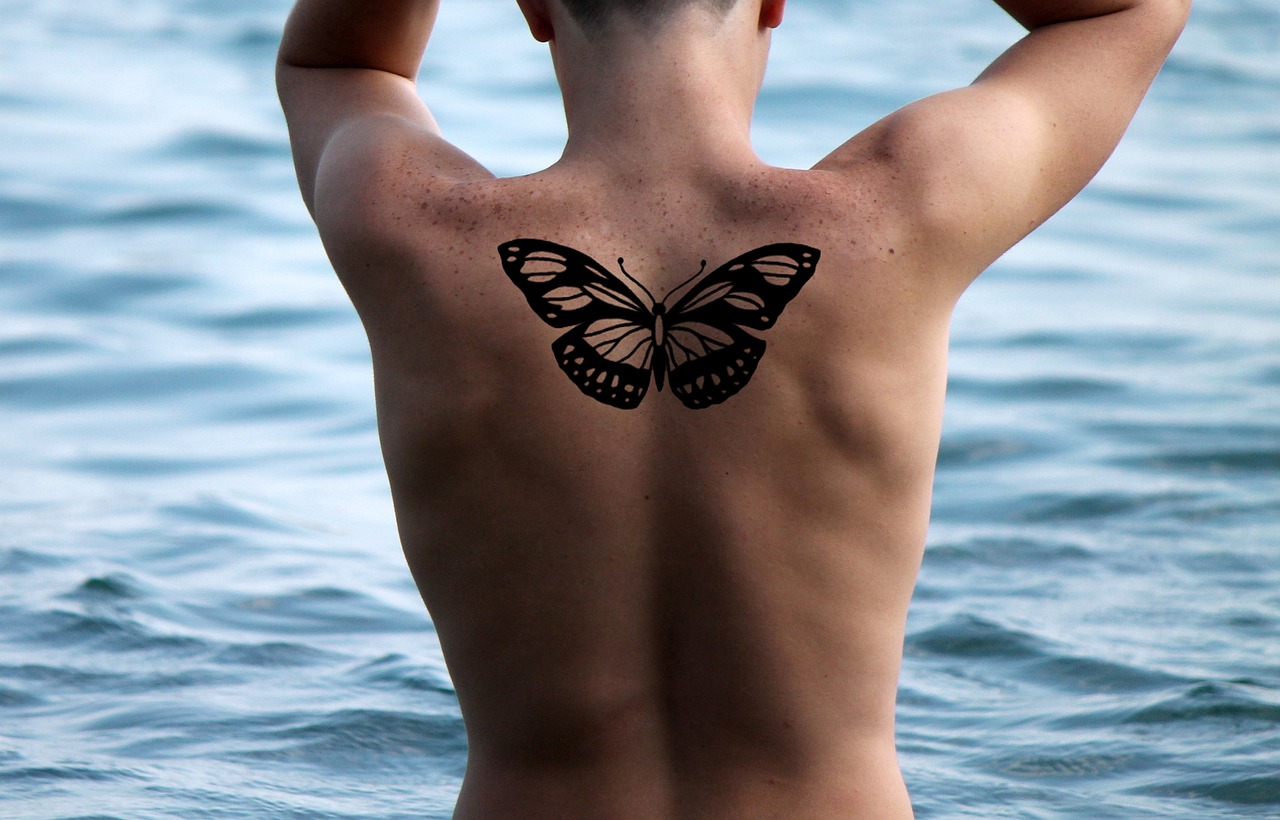
Q2: Is a Butterfly Tattoo Only for Women? A: No. Butterfly tattoos work for any gender. A bold black butterfly, a realistic monarch, or a geometric design can feel strong, clean, and balanced. The symbol is about change, not gender.
Q3: Where Is the Best Place for a Small Butterfly Tattoo? A: The wrist, ankle, shoulder, collarbone, and behind the ear are common choices. For better aging, choose a spot with enough room for clean lines and avoid packing too much detail into a very small area.
Q4: Do Butterfly Tattoo Colors Change the Meaning? A: Yes, color can shift the mood. Black and gray may feel elegant or memorial. Blue can suggest calm and freedom. Pink may feel soft or romantic. Red and yellow can look bright, but ask your artist about skin reactions and long-term healing.
Q5: How Should You Prepare Before Getting a Butterfly Tattoo? A: Save references, choose the meaning, check healed work from the artist, and ask about placement, size, ink, and aftercare. Eat before the appointment, wear comfortable clothing, and do not rush the final stencil.