Why Is Tattoo Culture More Powerful Than Ever?
Why Does Tattoo Culture Matter Today?
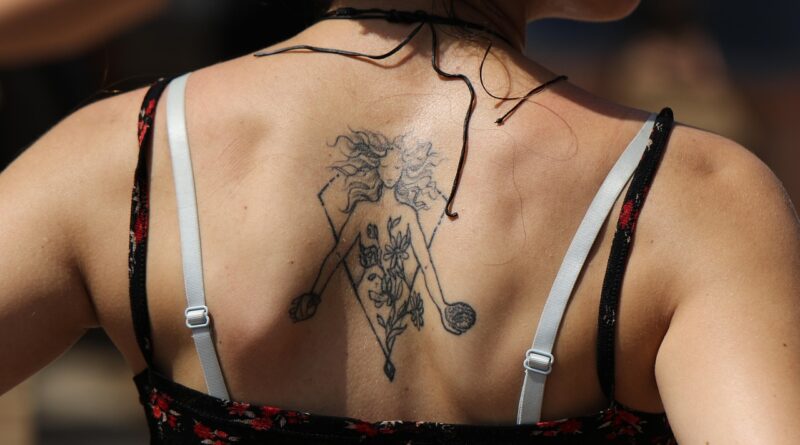
Modern tattoo culture is where art, personal story, fashion, ritual, and daily life meet. You may see a fine-line flower on a barista, a full Japanese-style back piece on a collector, or a tiny date on someone who does not explain it to anyone. The shared idea is simple: a tattoo makes the body a record the wearer chose to keep.
It Turns Private Memory into Public Art
A tattoo can carry grief, pride, love, faith, or a joke that only two people understand. That is why a small piece can matter more than a large one. A two-inch name on the ribs may hold a whole family story, while a sleeve may focus more on flow, balance, and craft. Good tattoo culture leaves space for both.
It Shows Identity Without a Long Speech
You do not need a lecture to see that body art can point to music, heritage, spirituality, humor, or taste. But tattoos are not plain labels, and they should not be read that way. A skull does not always mean rebellion. A rose does not always mean romance. The better habit is to ask first, not guess.
It Connects Small Studios to Global Style
A local tattoo studio can now take influence from Polynesian pattern work, American traditional flash, Korean fine-line trends, Japanese prints, and local street culture in the same week. That mix keeps the trade active and gives artists more room to learn. But it also needs care, because style moves faster than context. If a design travels, respect should travel with it.
How Old Is Tattoo Culture Really?
Tattooing is not a new fashion move. Smithsonian Magazine notes that tattooing has appeared across many cultures, and its article on global tattoo history traces how body marking served social, spiritual, decorative, and healing roles long before today’s studio scene. It also explains that the English word “tattoo” came into Western use after contact with Polynesian terms recorded during James Cook’s 1769 Tahiti voyage. (smithsonianmag.com)
Ancient Skin Shows a Long Human Habit
One reason tattoo culture feels old is that preserved human remains show it really is old. The famous Iceman known as Ötzi is often discussed as one of the oldest clear examples of tattooed human skin. His marks were not made for social media angles or trend boards. They suggest that tattooing could be linked to the body, pain, status, or healing. The exact meaning is still debated, and that uncertainty is fair.
Polynesian Language Changed the English Word
The word history matters because it shows that tattooing did not begin when Western sailors noticed it. Polynesian practices were already rich, skilled, and tied to social meaning. When a modern studio uses Polynesian-inspired shapes, the work should not be treated like random geometry. Those marks come from living cultures, not from a loose pattern folder.
Old Tools Still Shape Modern Respect
Hand-tapping, bone tools, soot pigments, sharpened points, and carved instruments belong to many tattoo histories. Electric machines changed speed and detail, but they did not remove the older ideas behind the work. A serious collector looks at method, not only at the image. Even a simple black armband may carry more history than it seems.
Why Do People Get Tattoos Now?
Public data gives a useful view of the market and the wider culture. Pew Research Center surveyed 8,480 U.S. adults from July 10 to July 16, 2023, and reported that 32% of Americans had at least one tattoo, including 22% who had more than one. Pew also found that 69% of tattooed adults said they got a tattoo to honor or remember someone or something, while 47% said they got one to make a statement about what they believe. (pewresearch.org)
Memorial Tattoos Carry the Biggest Share
Those Pew numbers match what many studio counters see every day: names, dates, paw prints, handwriting, military references, portraits, and symbols linked to loss or thanks. A memorial tattoo does not have to look dramatic. Sometimes it is only a small line copied from a birthday card. That kind of detail can feel stronger than a polished design with no personal link.
Belief and Beauty Often Work Together
People rarely choose a tattoo for only one reason. A snake may look good and also mark survival. A religious phrase may be about faith, but also about letter shape and placement. A flower may be chosen for a mother, a birth month, or simply because it fits the forearm well. Real tattoo choices can be a little mixed, and that is normal.
Placement Tells a Quiet Social Story
Where you place a tattoo changes how people read it. A chest piece feels private until summer, while a hand tattoo shows up every time you pay for coffee. A neck tattoo may still change how strangers react, even as tattoos become more accepted. Culture does not move at the same speed everywhere. Some rooms change sooner than others.
Which Cultural Styles Need Extra Respect?
Some tattoo styles carry family lines, community roles, sacred meaning, or historic pain. If you want work inspired by a culture that is not yours, slow down before booking. You can admire a style without taking a symbol that was not meant for you. A respectful tattoo starts before the stencil, often with reading, conversation, and better questions.
Māori Tā Moko Is Identity and Role
The Museum of New Zealand Te Papa Tongarewa describes tāmoko as a Māori practice with design meanings tied to identity, role, and artistic excellence. It also notes the special tools and techniques that developed in Aotearoa New Zealand. That background matters in real tattoo work. A moko is not just a bold face pattern; it can carry whakapapa, belonging, and cultural authority. (tepapa.govt.nz)
Japanese Motifs Carry Printed Art History
The Museum of Fine Arts, Boston explains that many popular Japanese tattoo motifs trace back to early 19th-century Edo, now Tokyo, where tattoo artists drew from ukiyo-e woodblock prints. Dragons, heroes, waves, peonies, and koi are not just strong images for a sleeve or back piece. They sit inside a visual system with social background, printed art, and changing public meaning. (mfa.org)
Borrowed Symbols Need Real Homework
Before choosing a sacred pattern, script, deity, tribal mark, or ceremonial image, check who uses it and why. Ask whether it is open, restricted, or better avoided. If reliable public data is not available for a specific symbol, do not invent a meaning just to make the design work. A good artist may say that it needs more research, and that answer can save you from a bad tattoo. See also: tattoo care.
How Has Tattoo Culture Changed in Daily Life?
Tattoos now sit closer to ordinary life than they did a generation ago. Pew Research Center reported in August 2023 that 80% of Americans said society had become more accepting of people with tattoos during the previous two decades. That does not mean every tattoo is accepted everywhere, but the social center has moved. (pewresearch.org)
More People Wear Visible Ink
Visible tattoos are common on arms, ankles, fingers, behind ears, and sometimes faces. In casual spaces, they may barely get a look. In formal spaces, people still notice size, placement, and subject matter. A fine-line wrist tattoo and a full throat piece do not get the same reaction. Fair or not, context still matters.
Workplaces Still Read Placement Differently
There is no single public dataset that fairly covers every industry, country, and role for tattoo acceptance at work. A chef, nurse, warehouse manager, designer, teacher, and bank teller may deal with different rules. If your job has a dress code, read it before you book a hand, neck, or face tattoo. It is not exciting advice, but it is useful.
Social Media Speeds Up Style Cycles
Micro tattoos, red ink, cyber sigils, patchwork sleeves, ornamental blackwork, and sticker-style flash can rise fast online. The issue is that your skin keeps the trend after the feed moves on. Save designs for a few weeks before booking. If the idea still feels right after the first excitement drops, it has a better chance of aging well.
What Should You Check Before a Tattoo?
Good tattoo culture is not only about meaning. It is also about safe practice. In 2024, the U.S. Food and Drug Administration issued final guidance to help tattoo ink manufacturers and distributors identify conditions where ink may become contaminated with microorganisms. The FDA also noted that between 2003 and 2024, firms carried out 18 voluntary recalls of contaminated tattoo inks. (fda.gov)
Studio Hygiene Comes Before Style
A good portfolio is not enough. You should see clean surfaces, fresh gloves, sealed needles, single-use items where needed, and clear disposal steps. If a studio acts annoyed when you ask about hygiene, leave. A professional artist has answered those questions many times and should not make it awkward.
Ink Safety Deserves a Direct Question
Ask what ink brands the artist uses and whether they track batch numbers. This matters even more for large color work. No public source can promise that every ink bottle is risk-free, and no responsible shop should say that. The safer answer is practical: buy from trusted suppliers, store products properly, and stop using anything that looks suspect.
Aftercare Is Part of the Culture
Your tattoo does not end when the machine stops. Healing is part of the work. Follow the artist’s aftercare sheet, keep the area clean, avoid picking, and stay out of pools until the skin closes. A rushed heal can blur lines and raise infection risk. That sounds basic, but basic care is what skin needs while it heals.
- Choose an artist whose healed work matches the style you want.
- Bring references, but do not demand an exact copy of another person’s tattoo.
- Ask about cultural meaning before using symbols from a community that is not yours.
- Check studio hygiene before you discuss price.
- Give yourself time before tattooing hands, neck, face, or fingers.
FAQ
Q1: What Is Tattoo Culture? A: Tattoo culture is the shared world around tattooing. It includes history, symbols, studio habits, tools, safety, style, and the personal meanings people place on their skin.
Q2: Is Tattoo Culture the Same in Every Country? A: No. Tattoo culture changes by place, faith, law, class, generation, and local history. A symbol that feels casual in one country may carry sacred or painful meaning in another.
Q3: How Can You Choose a Respectful Cultural Tattoo? A: Start with research from museums, cultural writers, and artists from that community. If a design is sacred, restricted, or tied to lineage, choose another idea.
Q4: Are Tattoos Fully Accepted at Work Now? A: Not fully. Many workplaces are more relaxed than before, but rules still vary by industry, role, customer contact, and tattoo placement.
Q5: What Makes a Tattoo Age Well? A: Clear design, good placement, skilled line work, healthy skin, proper aftercare, and personal meaning all help. Trendy tattoos can age well too, but only when they still feel like you after the trend fades.