
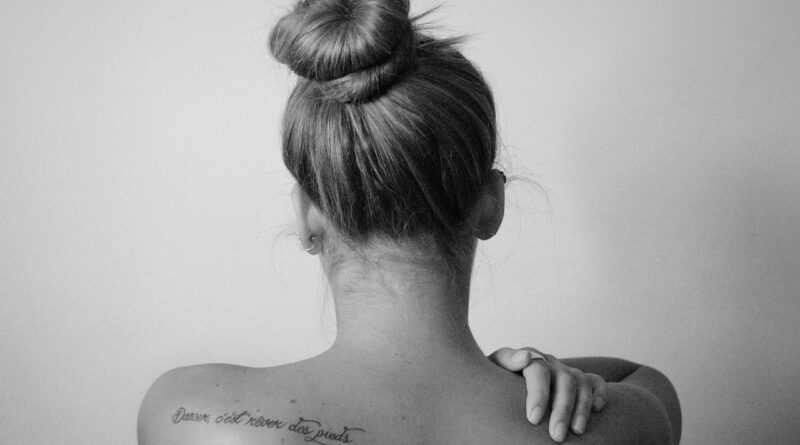
What Are the Best Minimalist Tattoo Placements for a First Ink?
What Should You Know Before Choosing Minimalist Tattoo Placements?
Minimalist tattoo placements can seem easy to choose, but the spot does a lot of the work. A small word on the wrist, a single-line flower near the ankle, or a tiny symbol on the rib can feel very different once you move, dress for work, or spend time in the sun. If you are still comparing body areas, the wider tattoo placements guide is a useful place to start before you narrow the idea to a small design.
Tattoos are now common. Pew Research Center reported in August 2023 that 32% of U.S. adults had at least one tattoo, including 22% who had more than one, based on a survey of 8,480 adults from July 10 to July 16, 2023. The same survey found that about 24% of tattooed Americans regretted at least one tattoo. That is the point to keep in mind for minimalist work: the tattoo may be small, but the placement still matters. (pewresearch.org)
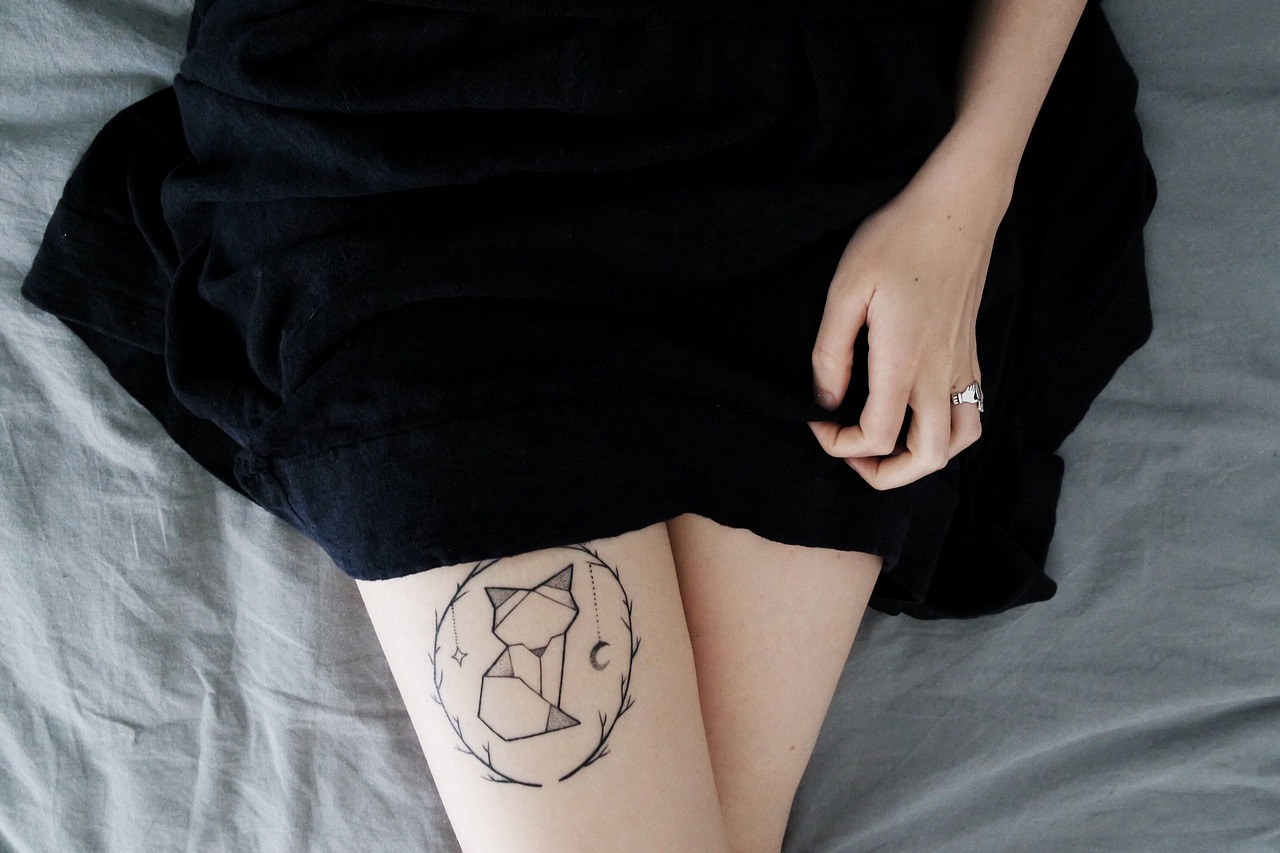
Small Scale Changes Everything
With a minimalist tattoo, the artist has less space to cover a small error. A heavy line, a slight lean, or letters placed too close together will show because there is little shading or background detail to pull the eye away. For tiny tattoos, flat or lightly curved skin usually reads better than tight bends. The outer forearm, upper arm, calf, upper back, and side of the ankle are common examples.
White Space Becomes Part of the Design
White space is not just empty skin with minimalist tattoos. It is part of how the design is seen. A two-inch fine-line moon can look clean when there is open skin around it, while the same piece squeezed between older tattoos may look like leftover filler. White space also helps the tattoo stay readable from a normal distance. Most people will not study it with a magnifying glass, even if the stencil looked neat under studio lights.
Line Weight Needs Room to Age
Fine lines can soften over time as skin changes. That does not mean minimalist tattoos are a poor choice. It means the placement should help the linework hold up. Areas with strong rubbing, regular bending, or steady sun may age faster. If the design has text, tiny stars, micro leaves, or a light outline, ask the artist whether the lines need to be a little larger or spaced farther apart.
Where Should You Put a Minimalist Tattoo if You Want It Hidden?
Hidden minimalist tattoos are popular because they can feel personal without becoming part of every outfit. The main point is to choose a spot that stays covered in real life, not only in one planned mirror photo. Work clothes, gym wear, swimsuits, and formal outfits all need to be considered.
Inner Arm and Upper Rib Choices
The inner upper arm works well for a small symbol, date, or short word. It is easy to cover with sleeves and usually gives enough flat space for clean lines. The upper rib is more private and can suit a tiny phrase or vertical design, but it can feel more sensitive during tattooing. Rib pieces also move when you breathe, so stencil placement needs extra care before the needle starts.
Hip, Back, and Ankle Spots
The hip can keep a minimalist tattoo hidden under daily clothing while still giving enough room for a small floral, number, or abstract line. The upper back and shoulder blade are also easy to cover, and simple shapes tend to sit well there. Ankles are more semi-hidden than fully private. Socks, shoes, and hems can rub the area, so keep the design simple and place it where footwear will not scrape it every day.
Clothing and Workday Coverage
Before booking, check the spot with the clothes you actually wear. A tattoo hidden under a hoodie may show in a short-sleeve uniform, and a hip tattoo may sit above low-rise jeans. If your workplace has conservative rules, choose areas covered by standard work clothes, not only winter layers. This quick check can prevent awkward conversations on a normal workday.
Which Visible Placements Look Clean Without Feeling Loud?
Visible minimalist tattoos usually work best when the design has a simple shape and fits the body area. Since the tattoo will be seen often, the placement should look planned. A tiny tattoo in the wrong visible spot can look accidental, almost like a pen mark.
Wrist and Forearm Simplicity
The wrist is a common spot for small initials, dots, waves, and symbols. It is easy to see, which can be nice if the tattoo has meaning. It also gets a lot of sun and hand movement. The forearm gives more room and suits slightly longer designs, such as a two-word phrase, a small branch, or a fine-line animal. For many first tattoos, the inner forearm feels visible without feeling too bold.
Collarbone and Behind the Ear Details
The collarbone works well for clean minimalist tattoos because the natural bone line gives the artwork a clear place to sit. A tiny script, small star, or single-line botanical piece can fit there without taking over the whole area. Behind the ear has a more casual feel and can be hidden with hair, but it is still visible in many settings. Very detailed designs do not work well there because the space is small and curved.
Finger and Hand Reality Checks
Finger and hand tattoos do look good in photos. Daily wear is the harder part. Hands are washed often, shed skin faster, and hit surfaces all day. Fine lines on fingers may fade or blur sooner than the same design on the arm. If you want a minimalist hand tattoo, expect a higher chance of touch-ups and choose a design that still looks acceptable when it softens.
Which Placements Hurt Less for Small Minimalist Tattoos?
Pain is personal, but placement changes the experience. Minimalist tattoos are often quick, sometimes 10 to 30 minutes for the actual tattooing, but a sharp area still feels sharp. Skin thickness, nerve density, bone, and body tension all affect how it feels.
Outer Arm and Upper Thigh Comfort
The outer upper arm is one of the easier first-tattoo spots for many people. It has some padding, does not bend all the time, and gives the artist a steady surface. The upper thigh is another good option if you want a hidden placement with more comfort. Both areas can handle small symbols, simple florals, and tiny line drawings without forcing the artist onto a tight curve.
Bony Areas Feel Sharper
Wrists, ribs, ankles, feet, sternum, spine, and collarbone can feel sharper because there is less cushion over bone or because the skin is more sensitive. A tiny tattoo there may still be manageable, but do not choose the hardest-looking spot only because the design is small. A five-minute tattoo can still feel long when every second hurts. If you are nervous, it is better to start with a placement that gives you a fair first experience.
Short Sessions Still Need Care
A small tattoo is still an open skin wound at first. The U.S. Food and Drug Administration notes that tattoos are made by inserting ink into the skin with needles and that possible risks include infections, allergic reactions, granulomas, keloids, swelling, burning, and removal problems. Size does not remove those risks. Studio hygiene and aftercare matter even for a tiny dot. (fda.gov) See also: tattoo care.
How Should Size, Shape, and Movement Guide Placement?
The best placement still works when your body is not perfectly still. Minimalist tattoos are often photographed in a posed position, but real life includes walking, reaching, sitting, sleeping, and pulling on jeans in a hurry. Movement can stretch, hide, or change how a small design looks.
Match Shape to Body Lines
Vertical designs often fit well along the inner forearm, side rib, spine, or back of the arm. Horizontal designs often suit the collarbone, wrist, upper back, or above the elbow. Round symbols can sit neatly near the ankle, shoulder, or calf. When the tattoo follows a natural body line, it looks placed there on purpose rather than stuck on afterward.
Leave Enough Breathing Room
Minimalist does not always mean as small as possible. Sometimes a design needs another half inch to stay clear. Lettering is a good example. If the words are too small, the spaces inside letters can close as the tattoo settles. For script, ask the artist to print the stencil at two or three sizes. The smallest option is not always the best one.
Test the Design at Real Size
Before the appointment, print the design at actual size or draw a rough version with skin-safe marker. Wear it around the house for a day. Check it in daylight, in a mirror, and with your normal clothes. This simple test often shows whether the tattoo feels balanced. It can also catch small problems, like a tiny crescent moon that disappears exactly under a watch strap.
How Can You Make a Minimalist Tattoo Age Well?
Good aging starts before the needle touches skin. Placement, artist skill, ink choice, aftercare, and sun habits all matter. Minimalist tattoos can hold up for years, but they need clean design choices and steady care. There is nothing exciting about lotion and sunscreen, but they do the job.
Sun Protection and Lotion Habits
The American Academy of Dermatology advises using water-based lotion or cream if tattooed skin feels dry, while noting that petroleum-based products may make ink fade. The AAD also recommends broad-spectrum, water-resistant SPF 30 or higher, applied 15 minutes before sun exposure and reapplied at least every two hours. This matters most for wrist, forearm, ankle, shoulder, and collarbone tattoos because these areas often see more sun. It is a small habit, but it helps the tattoo stay clearer. (aad.org)
Mole Free Skin and Skin Checks
Try not to place a tattoo over moles, freckles that are being watched, or spots that have changed. The American Academy of Dermatology says tattoo ink can make skin cancer harder to spot because it may change how borders and colors appear. For anyone with many moles or a family history of skin cancer, a dermatologist visit before tattooing is a sensible step. It is easier to check the skin first than to work around a problem later. (aad.org)
Ink Quality and Studio Hygiene
Choose a licensed studio with single-use needles, clean surfaces, sealed supplies, and clear aftercare instructions. The FDA has reported that infections can come from unhygienic practices and from contaminated ink, and it has warned that even sealed containers can be contaminated. Ask about ink brands, batch details, and how the artist sets up the station. It is not rude; it is basic safety for your skin. (fda.gov)
FAQ
Q1: What Is the Best Placement for a First Minimalist Tattoo? A: The outer upper arm, inner forearm, upper thigh, and ankle are common first choices because they give enough room for small designs and are easy to show or cover. If pain is a concern, the outer arm or upper thigh is usually a safer place to start.
Q2: Do Minimalist Tattoos Fade Faster? A: They can look softer over time, especially if the lines are very thin or the placement gets sun, friction, or regular movement. A slightly larger design with clear spacing usually ages better than a tiny crowded one.
Q3: Are Finger Tattoos Good for Minimalist Designs? A: Finger tattoos can look stylish, but they often need more maintenance. The skin on fingers wears quickly, and fine lines may fade or blur sooner. Choose a simple design and be ready for possible touch-ups.
Q4: Where Can You Hide a Minimalist Tattoo Easily? A: Good hidden spots include the inner upper arm, hip, upper rib, shoulder blade, upper thigh, and back. Check the placement with work clothes, gym clothes, and summer outfits before you make the final call.
Q5: How Small Should a Minimalist Tattoo Be? A: It should be small enough to feel subtle, but not so small that the lines merge. For lettering or detailed symbols, let the artist set a minimum size. Clean spacing matters more than choosing the tiniest stencil possible.