
What Makes Henna Tattoo Culture So Powerful Across Weddings, Art, and Identity?
Henna tattoo culture sits where body art, family habit, and personal style meet. If you work with temporary tattoo products, book artists for events, or simply want to understand the tradition, this guide in the tattoo culture section follows henna from wedding rooms to beach stalls, and from reddish-brown stains to fine line fashion.
Public cultural records also show why henna should not be treated as a quick beauty add-on. UNESCO inscribed “Henna: rituals, aesthetic and social practices” in 2024, describing henna as a practice learned by watching, trying by hand, and joining community events that build social ties. For buyers, event teams, and artists, that point is useful. Henna is not only decoration; it is often made in busy rooms, family corners, and celebration nights where people sit close and talk for a long time. (ich.unesco.org)
What Is Henna Tattoo Culture Today?
To read henna in the right way, start with a plain point: the design may be temporary, but the meaning is often serious. This is not ink pushed into skin. It is plant-based staining, shared memory, hand skill, and local custom placed into one small pattern.
Natural Plant Dye and Temporary Body Art
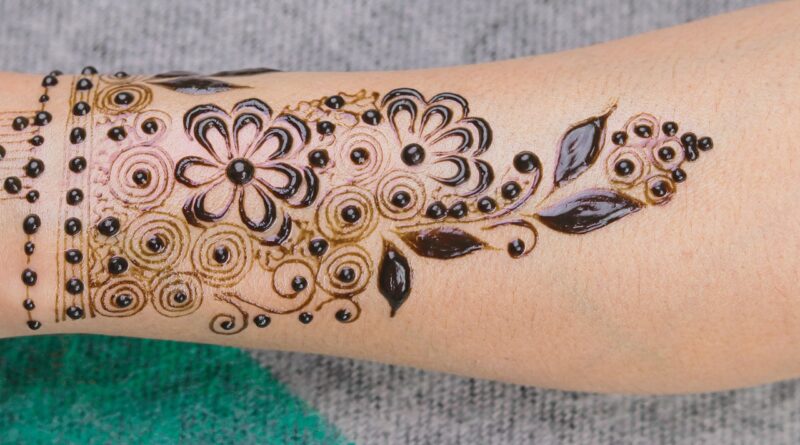
Natural henna comes from the Lawsonia plant. Its dried leaves are ground into powder and mixed into paste. On skin, the stain usually turns orange, brown, orange-brown, or reddish-brown. A PubMed-indexed review describes henna as a dye used for skin, hair, and nails, and notes that red henna is generally safe, with contact allergy reported as rare. In simple words, real henna is not the same as black tattoo ink. It stains the top layer of skin and fades as the skin renews. (pubmed.ncbi.nlm.nih.gov)
Rituals Shared Across Generations
Henna skill often passes through families without a formal class. A child watches an aunt fill a cone, a cousin learns how to keep the wrist steady, and a bride sits while older women comment on spacing and flow. It may look casual, and sometimes it is a little noisy. That is part of the culture, because the art stays alive through repeated use, not only through museum notes.
A Global Style with Local Rules
You may see henna at South Asian weddings, Middle Eastern celebrations, North African gatherings, music festivals, tourist markets, and modern tattoo-inspired photo shoots. Even so, each place has its own rules and mood. A palm design for a wedding ceremony does not feel the same as a small vine on the wrist at a summer fair. It can be the same plant, but it is not the same room.
Why Does Henna Matter in Weddings and Celebrations?
Henna becomes more meaningful when the body art is part of an event people share. It slows the room down. Instead of a short beauty service, a henna session can become a night of food, music, advice, teasing, and family stories.
Bridal Hands and Community Time
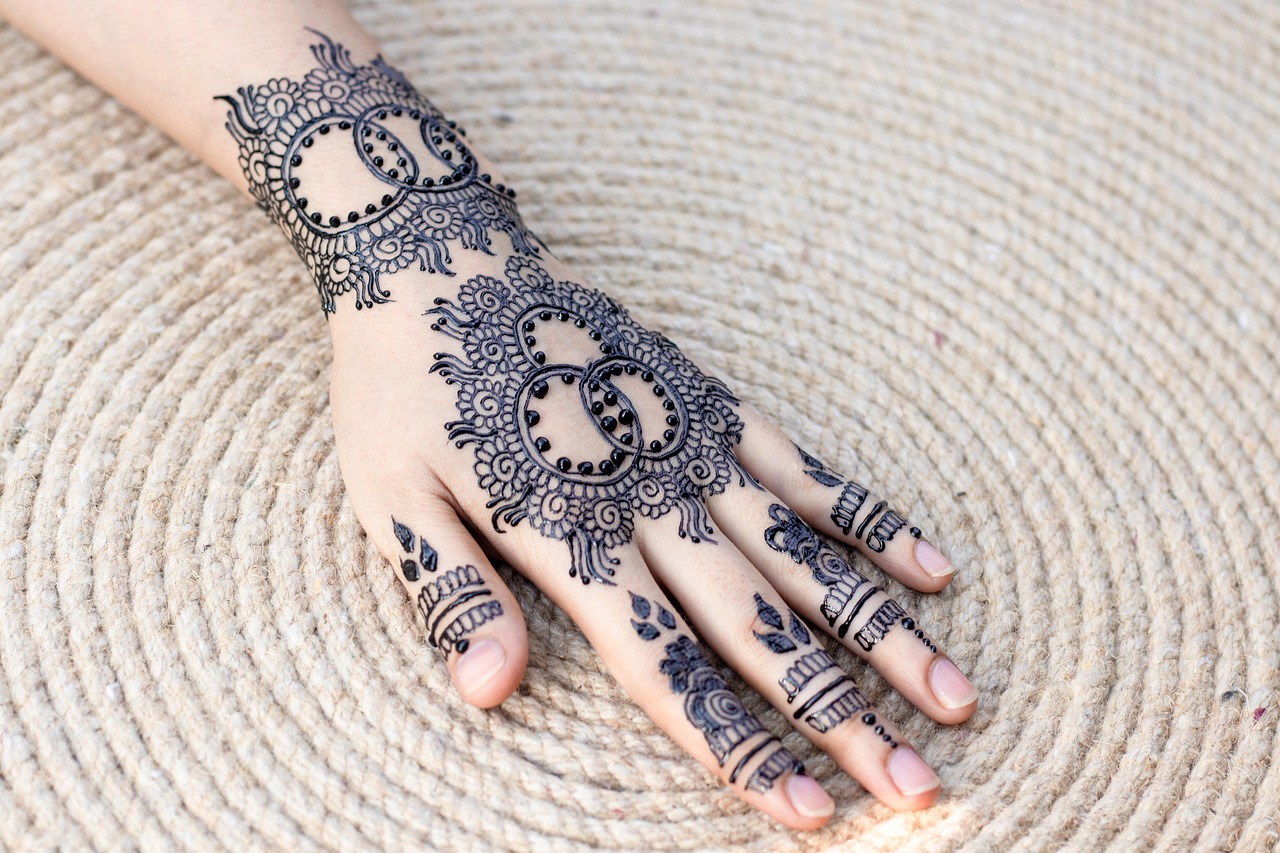
In many wedding settings, henna is applied to the bride’s hands and feet before the main ceremony. The work can be detailed: fingertips filled dark, palms covered with paisley and floral shapes, and fine lines placed close together until the skin looks like lace. Speed is not the main point here. The long sitting time gives relatives and friends a reason to gather around the bride before life changes the next day.
Blessing, Beauty, and Belonging
Henna also acts as a public sign of care. When guests receive small designs, they take part in the celebration instead of only watching it. The mark says, “You were here.” That may sound soft, but temporary body art can hold a memory well, especially when the stain lasts one or two weeks and a phone photo gets buried in a camera roll.
Patterns That Speak Softly
Henna patterns do not always need a long explanation. Vines can suggest growth, flowers can suggest joy, and circular motifs can suggest wholeness. Meanings change by region and family, so it is better to ask than to guess. A skilled artist can usually explain which motifs are only decorative and which ones belong to a specific ceremony.
How Is Real Henna Different from Black Henna?
This safety part is worth reading with care. Natural henna and “black henna” are not the same product, even if a seller puts both names on one sign. The U.S. FDA states that henna is approved only as a hair dye, not for direct skin application as mehndi in the United States, and it warns that products sold as black henna often use p-phenylenediamine, or PPD, to make the color darker. The FDA also says PPD is not permitted in cosmetics intended for skin application. (fda.gov)
Orange to Brown Staining
Real henna usually starts orange and gets deeper over the next day, moving toward brown or reddish-brown tones. It may look too light when the paste first comes off. That is normal with natural henna. The slow color change is one reason it feels different from sticker tattoos or instant black designs; you check your hand the next morning and see the stain has warmed up.
Black Color as a Warning Sign
A very dark black stain, a paste that sets fast, or a chemical smell should make you stop and ask questions. Health Canada’s 2026 public safety page says black henna may contain PPD, reactions may appear within 1 to 14 days, and symptoms can include redness, rashes, itching, blisters, swelling, and pain. It also notes that future exposure, such as hair dye use, may trigger allergy once a person becomes sensitized. That is not a small issue for a temporary design.
Safer Questions Before You Book
Before you sit down, ask direct questions about the paste and the expected stain. A good artist will not take offense, because clear ingredient talk is part of safe service.
- What ingredients are in the paste?
- Is there PPD or hair dye in the mixture?
- How long should the paste stay on the skin?
- What color should the stain become after 24 hours?
- Can you see the label if the paste is pre-made?
If the answer is vague, skip the service. A vacation tattoo is not worth a blistered wrist.
What Designs Fit Henna Tattoo Culture Best?
Design choice depends on the setting and the skin area. For a ceremony, a fuller design may fit the mood. For daily wear, a small wrist cuff or finger detail may be easier. The best design matches the moment without treating sacred or family-specific symbols like random clip art.
Floral and Vine Motifs
Flowers and vines are common because they follow the shape of the hand well. They can run from the fingertip to the wrist without looking stiff. They also photograph clearly, which matters at weddings where the hands hold rings, fabric, gifts, tea cups, and phones all day. For artists, these motifs also allow room to adjust the density without changing the whole layout.
Mandalas, Paisleys, and Fingertip Work
Mandalas and paisleys help larger designs look balanced. Fingertip filling gives the hand a stronger finish, especially when the palm has dense line work. On darker skin tones, more negative space can help the pattern show clearly. On lighter skin tones, very fine lines can look clean, but the artist still needs a steady cone and good paste. See also: tattoo care.
Modern Minimal Lines
Modern henna often borrows from tattoo culture, including tiny moons, wrist bands, collarbone accents, and simple botanical lines. This can look good when it is done with respect. The main point is not to turn henna into a generic temporary tattoo. Even a minimal design should still keep some hand-drawn warmth.
How Can You Respect Henna Traditions as a Visitor?
If henna is not from your own background, wearing it can still be respectful. The difference is in your attitude, the setting, and whether you give credit. Treat it as a practice connected to real people, not as a costume copied from a trend board.
Ask About Local Meaning
Ask the artist what the design means and when it is usually worn. That small question changes the whole exchange. You may learn that a pattern is common for brides, that a certain layout is only decorative, or that a motif should be avoided outside a specific ceremony. Five extra minutes can help you avoid a poor choice.
Choose Skilled Artists and Fair Pay
Good henna takes time, and the price should reflect the labor. Cheap, rushed designs can hide weak paste quality or copied work. Paying fairly supports the artist’s hand skill and knowledge. At festivals, look for clean tools, covered paste, clear ingredient information, and photos of healed stains, not only fresh paste; fresh paste always looks strong, but the later stain tells you more.
Wear Designs with Context
Context does not mean you need to explain the full history every time someone compliments your hand. It means you know what you are wearing. If you choose bridal-style coverage for a fashion shoot, say it is inspired by wedding henna rather than calling it a random pattern. Small honesty makes the choice easier to respect.
How Should You Care for a Henna Tattoo?
Aftercare affects how rich the stain looks. Natural henna needs time, warmth, and basic common sense. Cleveland Clinic notes that traditional henna designs can last about two weeks, while warning people to avoid black henna and chemical-smelling mixtures. That two-week window is common, not guaranteed, because skin type, placement, paste quality, and washing habits all matter. (health.clevelandclinic.org)
Let the Paste Dry Slowly
Do not scrape off the paste after only a few minutes. Natural henna needs enough time on the skin to leave a stronger stain. Many artists suggest several hours, and sometimes longer, for a deeper color. Keep your hand still when you can; smudges often happen during small impatient moments, like answering a phone too soon.
Keep Water Away at First
Once the paste comes off, avoid water during the first stage of stain development if your artist recommends it. Oil or balm may help protect the area, depending on the paste recipe. Do not scrub the stain harshly. A henna stain is not dirt, but it can fade faster if you treat it like dirt.
Read Your Skin Early
Mild dryness is different from a hot, painful, blistering reaction. If your skin becomes swollen, sharply itchy, or blistered, contact a health professional. If possible, keep the product name or artist details. That information can help with medical care and, in some regions, safety reporting.
FAQ
Q1: Is Henna Tattoo Culture Only for Weddings? A: No. Weddings are a main setting, but henna also appears during festivals, family gatherings, religious holidays, beauty routines, and modern temporary body art sessions.
Q2: How Long Does a Natural Henna Tattoo Last? A: Many natural henna stains last around one to two weeks. The final result depends on paste quality, skin location, aftercare, and how often the area is washed.
Q3: Is Black Henna the Same as Natural Henna? A: No. Black henna often contains added dyes such as PPD. A very black, fast-setting design should be treated as a warning sign, especially if the seller cannot list the ingredients.
Q4: Can You Get Henna Before a Permanent Tattoo? A: Usually, you should keep the skin clear before a permanent tattoo appointment. Ask your tattoo artist first, because stained, irritated, or recently treated skin may affect placement and skin checks.
Q5: What Is the Most Respectful Way to Wear Henna? A: Choose a skilled artist, ask about the design’s meaning, avoid sacred or ceremony-specific patterns unless invited, and give credit to the cultural tradition behind the art.