
How Long Does the Tattoo Healing Process Really Take?
What Happens During the Tattoo Healing Process?
The tattoo healing process begins as soon as your artist finishes the last pass. Your skin has been pierced many times, so it needs to be treated like a fresh wound before it settles into a clean tattoo. Basic tattoo aftercare helps the color hold better, lowers irritation, and keeps small healing issues from becoming bigger ones.
Your Skin Starts as an Open Wound
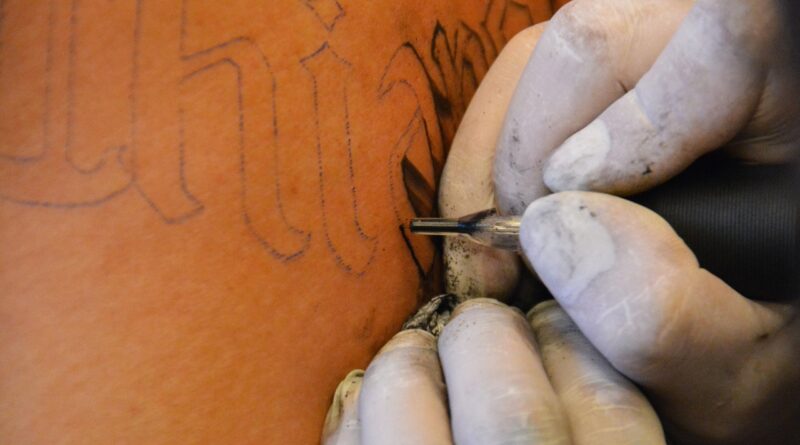
A new tattoo is not just ink sitting on the skin. The needle places pigment into the dermis, the deeper skin layer. The U.S. Food and Drug Administration noted in its 2023 draft guidance on tattoo ink contamination that ink goes into the dermal layer, which is why clean work and aftercare matter. During the first day, light bleeding, plasma, swelling, warmth, and soreness can be normal. Under the wrap, the tattoo may look messy, especially with heavy shading or packed color.
Inflammation Comes Before Peeling
In the first few days, your body sends fluid and immune cells to the tattooed area. That is why the tattoo may feel tight, sore, or raised. Redness should start to ease instead of spreading out. After this stage, the top layer dries and begins to flake. During peeling, the tattoo can look cloudy or dull for a while. This is common, and the color often looks clearer again once the dry skin comes off and the surface calms down.
Surface Healing Differs From Deeper Healing
Mayo Clinic public guidance says most tattoos take about two weeks to heal, but that usually means the surface looks closed and feels more comfortable. The deeper skin can take longer, especially with large color work, blackwork, rib tattoos, knees, elbows, ankles, or areas that rub on clothing. A tattoo may look healed on day 14 and still feel shiny, tight, or sensitive in strong sun for a few more weeks. That does not always mean something is wrong, but it does mean the skin is still settling.
How Long Does Each Healing Stage Usually Last?
Healing does not follow the same schedule for every tattoo. A small fine-line wrist tattoo may settle quickly, while a packed color thigh piece can peel more than once and stay tender longer. Most tattoos still move through a similar pattern. Use the timeline below as a working guide, not a medical rule.
Days 1 to 3 Fresh Wound Care
The first 72 hours are mainly about keeping the tattoo clean and settled. When your artist says it is time to remove the original wrap, wash your hands first, then clean the tattoo gently with lukewarm water and mild unscented soap. Pat it dry with a clean paper towel. Do not scrub, and do not use a shared bath towel that has been hanging near the shower for days. Small hygiene habits like this often matter more than buying extra products.
Days 4 to 10 Peeling and Itching
Peeling often starts around day 3, 4, or 5. The flakes may include ink-colored skin, which can look worrying but is often part of normal healing. Itching can also start during this stage. Keep moisturizer light, because the tattoo should not look wet or glossy after lotion. A thin layer is enough. If a scab forms, leave it in place. Picking can pull pigment, slow healing, and leave small patchy areas that may need a touch-up later.
Weeks 2 to 4 Settling and Softening
By the second or third week, most peeling should be finished. The tattoo may still look a little milky because the new surface skin is still young. This is a common stage. Keep washing gently, use moisturizer when the skin feels dry, and avoid soaking. By week 4, many tattoos look close to their healed result. Larger pieces or heavily saturated tattoos can keep improving after that.
What Should You Do Each Day to Help Healing?
Daily care does not need to be complicated. Too much care can make the skin more irritated. Cleveland Clinic aftercare guidance warns that poor aftercare can raise the risk of infection, rash, scarring, or smudged-looking results. A steady routine works best: clean hands, gentle washing, light moisture, and enough time for the skin to recover.
Clean Hands Before Every Touch
Wash your hands before touching your tattoo, even if you are only checking it. Phones, gym handles, steering wheels, pets, and door knobs can all carry germs. Use your fingertips instead of a washcloth or sponge. Wash the tattoo once or twice a day unless your artist gave different instructions. More washing is not always better, because over-cleaning can dry the skin and make itching worse.
Thin Moisture Instead of Heavy Coating
A small amount of unscented moisturizer or artist-recommended ointment can help stop cracking and keep the skin comfortable. Thick layers can trap sweat and dirt. If the tattoo still looks shiny ten minutes after applying product, you probably used too much. Blot the extra with a clean paper towel. Keep fragrance, harsh acids, retinoids, and strong exfoliating products away from fresh tattoos.
Loose Clothing and Clean Bedding
Clothing should cover the tattoo without rubbing the skin raw. Soft cotton usually works better than tight denim, compression fabric, or rough wool. For leg tattoos, clean loose pajama pants can keep plasma off the sheets during the first night or two. For shoulder and back tattoos, fresh bedding also helps because those areas press into the mattress for hours.
Which Mistakes Slow Down Tattoo Healing?
Most healing problems come from simple daily habits. They may not seem serious at the time, but the tattoo can get irritated fast. Then a normal two-week heal can turn into several weeks of worry. The first ten days are the main window to be careful.
Picking Scabs and Pulling Flakes
Peeling skin is hard to ignore. It catches on sleeves, looks untidy, and makes people want to remove it. Do not pull it. Scabs work like small bandages while the skin closes. If you remove them too early, you can reopen the skin and pull out pigment. Loose flakes can come off during normal washing. A tattoo with natural peeling will usually heal cleaner than one that was rushed.
Swimming, Soaking, and Long Hot Showers
Short showers are usually fine after your first cleaning window, but soaking is different. Baths, pools, hot tubs, lakes, and long steamy showers can soften scabs and expose the tattoo to bacteria. Wait until peeling is fully done and the skin is closed before swimming. If you already have a trip planned, it is often better to book the tattoo after the vacation instead of spending the whole beach day protecting one calf.
Sun Exposure Before Full Healing
Fresh tattoos and sun are a bad match. UV exposure can irritate healing skin and affect color. Do not put sunscreen on an open or peeling tattoo unless a medical professional tells you to. Cover it with loose clothing and stay out of direct sun. After the tattoo is fully healed, the American Academy of Dermatology recommends broad-spectrum, water-resistant sunscreen with SPF 30 or higher to help tattooed skin keep its appearance. See also: tattoo culture.
When Should You Worry About Infection or Reaction?
Some redness, swelling, and soreness can be normal right after a tattoo. The main thing to watch is whether the area is improving or getting worse. A tattoo should feel calmer day by day. If pain increases after day 3, redness spreads, or the tattoo feels hot and wet, do not ignore it.
Signs That Need Medical Advice
Contact a healthcare professional if you notice spreading redness, increasing swelling, pus, a bad smell, red streaks, fever, chills, severe pain, or skin that feels hot around the tattoo. The American Academy of Dermatology notes that redness and swelling can be part of normal healing, but infection signs should not be ignored. If symptoms are strong or spreading quickly, seek care the same day. Waiting too long can make a small problem harder to treat.
Allergic Reactions and Ink Sensitivity
Not every bad reaction is an infection. Some people react to pigments or aftercare products. Itchy bumps, a rash limited to one color, or swelling that appears after the first healing phase may point to sensitivity. The FDA has publicly warned that tattoo and permanent makeup inks can cause allergic reactions, rashes, granulomas, and other skin problems. A dermatologist can help tell the difference between infection, allergy, and irritation.
No Reliable Public Infection Rate
It is easy to look for one clean number that shows how often tattoos get infected. Public data is not that simple. A 2016 systematic review titled “The Risk of Bacterial Infection After Tattooing” identified 67 published bacterial infection cases from 1984 to 2015, but the authors also stated that many places lack public health reporting requirements for tattoo-related infections. The useful takeaway is plain: infection is not what usually happens, but it is real enough to take seriously.
How Can You Keep a Healed Tattoo Looking Good?
Once peeling is gone, aftercare becomes regular skin care. The tattoo is part of your skin, so daily habits affect how clear and readable it looks later. Pew Research Center reported in August 2023 that 32% of U.S. adults have at least one tattoo, based on a July 2023 survey of 8,480 adults. With tattoos this common, long-term care is no longer a small topic.
Moisturized Skin Shows Color Better
Dry skin makes tattoos look flat and dull. A simple, fragrance-free moisturizer can help healed tattoos look cleaner because the skin surface is smoother. You do not need a special product with a loud label. If your skin handles it well and it does not sting or cause bumps, it is usually enough. For dry spots such as elbows and shins, apply it after showering while the skin is still a little damp.
Sun Protection Slows Fading
Sun is one of the main long-term reasons tattoos lose clarity. Once the tattoo is fully healed, use sunscreen when it will be exposed. Covering the area also works, especially on long outdoor days. Black ink, color realism, fine-line work, and soft gray shading all hold up better with sun care. The smaller the detail, the easier fading is to notice.
Touch-Ups Need Fully Healed Skin
If a small area heals lighter than expected, give it time before judging the result. Many artists prefer to review touch-ups only after the tattoo has fully settled, often several weeks later. Going back too soon can irritate skin that is still recovering. Take a clear photo in natural light, skip filters, and ask your artist when they prefer to check healed work.
FAQ
Q1: Is It Normal for a Tattoo to Peel a Lot? A: Yes, peeling is common during the tattoo healing process, often around days 4 to 10. Do not pull the flakes. Let them fall on their own during gentle washing and normal daily movement.
Q2: Can You Work Out With a New Tattoo? A: Light activity may be fine, but avoid heavy sweating, friction, shared gym equipment rubbing the area, and tight clothing over the tattoo. For large pieces or tattoos near joints, a few rest days is usually the better choice.
Q3: Why Does a Healing Tattoo Look Cloudy? A: A cloudy or dull look often comes from new surface skin forming over the tattoo. This usually improves as the skin settles. If cloudiness comes with pus, heat, severe pain, or spreading redness, seek medical advice.
Q4: Should a Fresh Tattoo Be Dry or Moist? A: It should be clean and lightly moisturized, not wet or greasy. Use a thin layer of unscented moisturizer when the tattoo feels dry. Too much product can trap moisture and irritate the area.
Q5: When Can You Swim After a Tattoo? A: Wait until the tattoo is fully closed, done peeling, and free from scabs. For many tattoos, that means at least two weeks, and sometimes longer for large or heavily shaded work.