
What Should Be in a Tattoo Care Kit for Safe Healing?
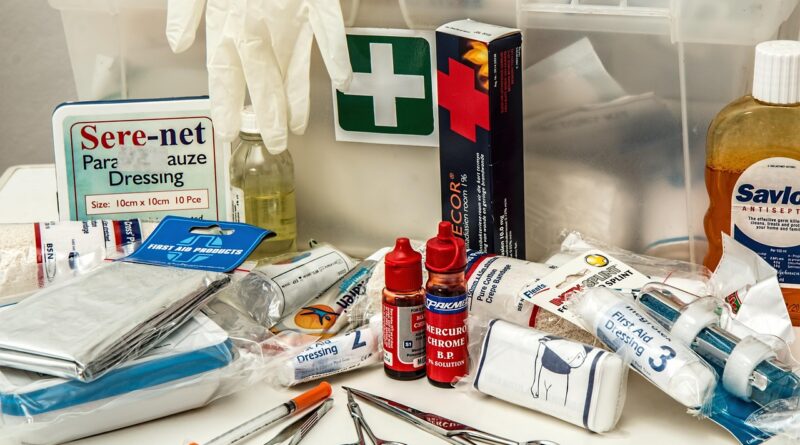
What Should Be in a Tattoo Care Kit?
A tattoo care kit does not need a large mix of products. It should be a small group of clean, skin-friendly items that helps with fresh ink at home, at work, or during travel. If you want a deeper routine after reading this guide, visit this tattoo aftercare resource for more practical tattoo care tips.
Tattoos are common now, but the care stage still needs attention. Pew Research Center reported in August 2023 that 32% of U.S. adults had at least one tattoo, based on a July 2023 survey of 8,480 adults. That means many people are healing new skin, booking touch-ups, or correcting poor aftercare habits. A kit keeps the basic items in one place, so you do not reach for scented body wash at midnight just because it is next to the sink.
Gentle Cleanser That Does Not Sting
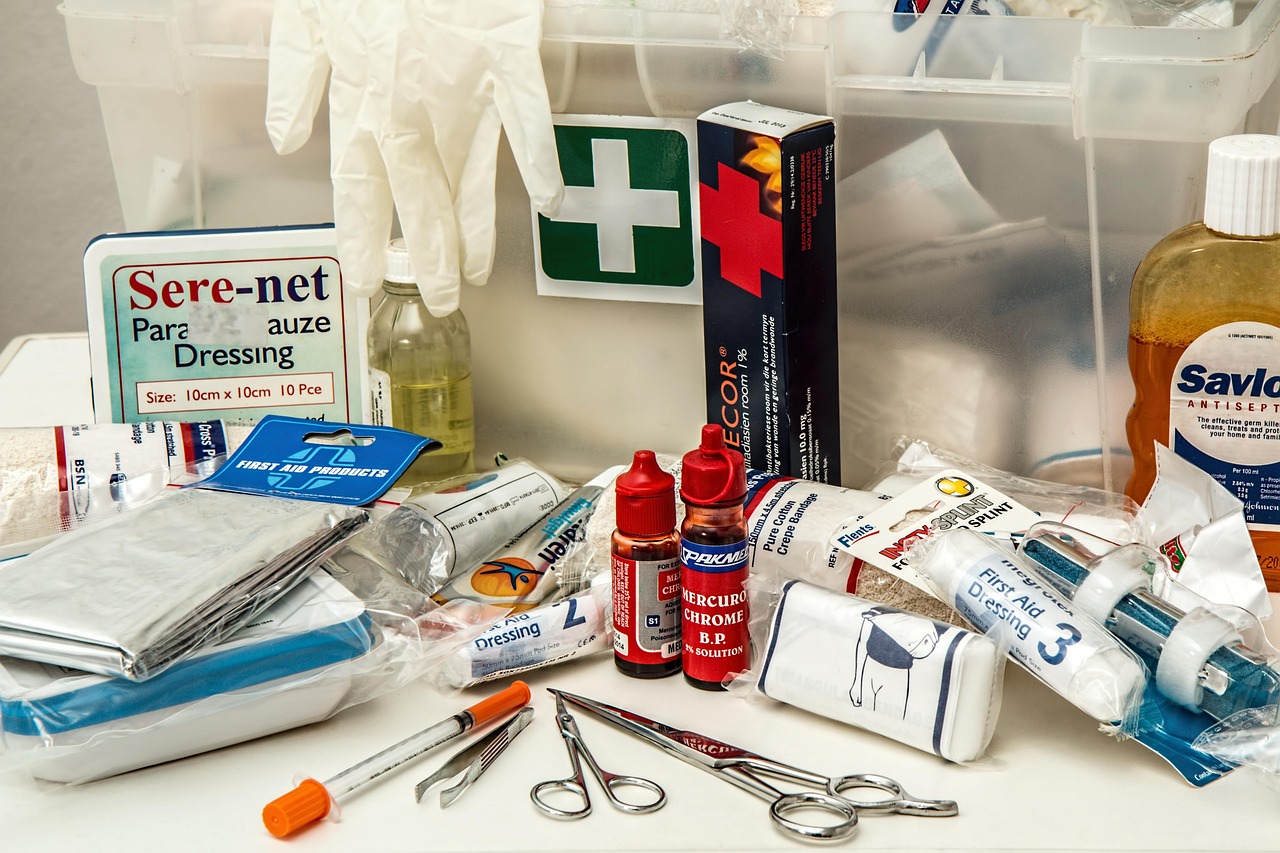
Choose a mild, fragrance-free cleanser for washing the tattoo. It should rinse off cleanly, leave no slippery film, and have no perfume smell. Strong scents, scrubs, and exfoliating acids can irritate fresh skin fast, so they are not a good fit in the first stage.
Clean Drying Supplies for the First Week
Pack clean paper towels or soft, lint-free disposable towels. A bathroom towel may look fine, but it can carry laundry residue, pet hair, or old moisture. Pat the area dry instead of rubbing it. This small habit helps protect the skin more than many people expect.
Light Moisture That Sits Thin on Skin
Add a fragrance-free lotion or tattoo balm that spreads in a thin layer. The American Academy of Dermatology advises using a water-based lotion or cream when tattooed skin feels dry. Fresh tattoos often need less product than people think, so start with a small amount and add only if the skin feels tight.
How Do You Use Your Kit in the First 24 Hours?
The first day is usually not complicated, but it is easy to do too much. Your artist may use plastic wrap, a sterile pad, or a breathable adhesive film. Follow the artist’s timing first, especially for large color work or a tattoo in an area where clothing rubs. Your kit should support that plan, not replace the instructions from the studio.
Clean Hands Before Any Touch
Wash your hands before touching the bandage, the tattoo, or any product tube. Tattooing breaks the skin barrier, so dirty fingers can create a problem right away. Keep a travel-size hand wash or sanitizer nearby when you are outside. Use soap and water when you can, because it is the better option for this step.
Bandage Removal Based on Artist Instructions
Remove the first covering only when your artist tells you to do it. If the bandage sticks, loosen it with clean running water and take your time. Do not pull it off quickly, because that can stress the skin. Once it is removed, wash the tattoo with lukewarm water and gentle cleanser, using clean fingertips.
A Pea-Sized Amount of Product
After drying, apply a very thin layer of moisturizer or balm if your artist recommends it. The skin should not look greasy after application. If the tattoo looks shiny, wet, or coated like lip gloss, there is too much product on it. Blot the extra product with a clean towel and leave the area alone.
Which Ingredients Should You Choose or Skip?
The safest tattoo kit is usually built around plain products. Fresh tattoos do not need strong fragrance, cooling menthol, glitter, retinol, vitamin C serum, or a heavy spa cream. The goal is simple: keep the skin clean, give it light moisture, and avoid ingredients that may cause irritation.
Fragrance-Free Formulas Are the Safer Bet
Look for fragrance-free on the label, not only unscented. Unscented products may still contain masking ingredients, and those can still bother healing skin. A plain cleanser and a plain lotion may not look exciting on a shelf. For fresh tattoo care, that is usually a better choice.
Water-Based Lotion for Dry Tight Skin
A tattoo can feel tight after washing, especially around the elbow, knee, ribs, or wrist. A water-based lotion can ease that tight feeling without trapping too much moisture. Use a small amount first. Add more only when the skin feels dry again.
Heavy Petroleum and Harsh Antiseptics Need Caution
The American Academy of Dermatology notes that petroleum-based products, such as petroleum jelly, can cause tattoo ink to fade. Some artists may still suggest a specific thin ointment for a short early period, so follow their product plan if they gave one. Avoid alcohol, hydrogen peroxide, and harsh antiseptic washes unless a clinician tells you to use them. These products can dry or irritate the area when the skin is already open.
How Can a Kit Lower Infection Risk?
A kit cannot make a risky tattoo safe, and it cannot correct contaminated ink or poor studio hygiene. It can still reduce common mistakes after the client leaves the studio. Many problems start with small habits, such as touching the tattoo with unwashed hands, letting a pet sleep on fresh ink, or sharing a product tub with another person.
Clean Tools and Single-Use Habits
Use pump bottles or squeeze tubes when possible. Do not scoop balm from a jar with fingers that have just touched the tattoo. If you use a jar, take product with a clean cotton swab instead. Keep every product capped and store it away from steamy shower shelves.
The Sterile Ink Lesson
Public health data shows why cleanliness is more than a studio slogan. The FDA reported in 2024 that close to one-quarter of tattoo ink samples tested in one research review contained bacterial contamination, even when some products were labeled sterile. FDA final guidance published in 2024 also cited 15 voluntary tattoo ink recalls from 2003 to 2019. Of those recalls, 14 were tied to microbial contamination.
Warning Signs That Need a Clinician
Call a healthcare professional if redness spreads, swelling gets worse, pain increases after the first few days, pus appears, the area feels hot, or you develop fever or chills. The Dudley Group NHS Foundation Trust advises medical contact when a tattooed area becomes inflamed, moist, red, or hot. A slow rash with bumps also needs attention. The CDC documented tattoo-associated nontuberculous mycobacterial infections in 22 cases across four states in 2011 to 2012. See also: tattoo culture.
What Should You Pack for Work, Travel, or the Gym?
Daily life does not stop because someone got a tattoo. A client may need to commute, sit in an office chair, walk through a humid parking lot, or sleep in a hotel room. A compact care kit helps avoid bad shortcuts when the tattoo starts to feel dry or dirty during the day.
A Small Wash Bag for Real Life
Pack travel-size cleanser, clean paper towels, your approved lotion, and a spare breathable layer of loose clothing. For a wrist tattoo, a clean long sleeve may help stop backpack straps or desk edges from rubbing. It may sound fussy, but cuff friction can turn a normal workday into a sore one. Keeping these items in one bag also makes aftercare easier to follow.
Loose Clothing and Clean Bed Sheets
Wear loose cotton or other soft fabric near the tattoo. Tight waistbands, bra straps, gym leggings, and stiff denim can scrape peeling skin. Change bed sheets before the first night if the tattoo is large. Keep pets away from the fresh tattoo, even if the dog wants to be close.
Sweat, Water, and Friction Limits
Skip swimming, hot tubs, saunas, and long baths until the tattoo is healed and scabs are gone. Sweat-heavy workouts can also irritate fresh work, especially in folds or high-rub areas. A short walk is usually easier on the skin than a hard lifting session under tight clothing. If the area starts to sting or feel hot, stop and clean it when you can.
When Does Aftercare Change After the Tattoo Heals?
Aftercare does not stop as soon as peeling ends. The Dudley Group NHS Foundation Trust describes a common heal, peel, and fade pattern over about 14 to 21 days, with final color settling closer to four to six weeks. A tattoo may look dull during this stage. It often looks clearer once the surface has settled.
Sun Protection After Surface Healing
Do not put sunscreen on broken or still-peeling skin unless a clinician says it is okay. Once the surface has healed, sun care becomes part of long-term tattoo care. The American Academy of Dermatology recommends broad-spectrum, water-resistant sunscreen with SPF 30 or higher, applied 15 minutes before going outside and reapplied at least every two hours. This is a simple step, but it matters for color and skin health.
Long-Term Moisture Without Fuss
After healing, normal body lotion is often enough. Dry skin can make ink look flat, especially blackwork and fine-line tattoos. Keep the routine simple: wash, moisturize, and protect from sun. There is no reliable public data proving that one branded aftercare kit heals every tattoo better than a clean, gentle routine.
Skin Checks Around Inked Areas
Check tattooed skin if you notice new itching, raised areas, color changes, or a mole that looks different. The American Academy of Dermatology warns that tattooed skin can make early signs of skin cancer harder to see. If something changes, ask a dermatologist instead of waiting for the next touch-up appointment. It is better to check early than to guess from a photo online.
FAQ
Q1: What Is the Most Important Item in a Tattoo Care Kit? A: A gentle fragrance-free cleanser is the main item because clean skin supports safe healing. Pair it with clean drying supplies and a light moisturizer.
Q2: Can You Use Regular Body Lotion on a New Tattoo? A: Only if it is fragrance-free, gentle, and approved by your artist. Avoid rich scented lotions, tanning lotions, and products with exfoliating acids while the skin heals.
Q3: How Often Should You Moisturize a Fresh Tattoo? A: Use a very thin layer when the tattoo feels dry or tight. Too much product can leave the skin wet and sticky, which does not help healing.
Q4: Should a Tattoo Care Kit Include Sunscreen? A: Yes, but it is for later use. Keep sunscreen in your long-term kit and use it after the tattoo surface has healed, not on open or peeling skin.
Q5: When Should You Stop Home Care and Call a Doctor? A: Get medical advice if redness spreads, swelling worsens, pain increases, pus appears, the skin feels hot, or you have fever or chills.