Which Skull Tattoo Styles Will Still Look Powerful Years from Now?
If you are comparing tattoo styles, skull tattoo styles are a practical place to begin. A skull can look dark, clean, memorial, rebellious, funny, religious, or modern, depending on how it is drawn. It is not one fixed message. It can point to mortality, protection, change, courage, grief, humor, or just a liking for bold art. That is why the same subject can work as a small wrist tattoo, a blackwork sleeve, a realistic back tattoo, or a bright neo traditional design.
There is no reliable public dataset that ranks the global popularity of each skull tattoo style, so it is not useful to treat style choice like a score chart. A better plan comes from the design idea, your own reason, the body area, and basic health guidance. For context, Pew Research Center reported in August 2023 that 32% of U.S. adults had a tattoo, based on a July 2023 survey of 8,480 adults, and 24% of tattooed Americans said they regretted one or more tattoos. That regret figure is worth noticing: a skull tattoo can still feel right years later, but only when the design, artist, and placement suit your day-to-day life. (pewresearch.org)

Why Do Skull Tattoo Styles Stay Popular?
Skulls keep showing up because they sit between beauty and discomfort. They are easy to recognize from a distance, but they also leave room for detail. A plain skull outline says one thing. A skull with roses, snakes, clocks, flames, wings, or a dagger says something different. This range makes skulls useful for many clients, from people getting a first piece to people building a larger collection.
A Symbol With Many Readings
A skull can remind you that time is limited, but it does not have to feel sad. In tattoo culture, it often stands for survival, courage, or a life change you want to remember. Add a rose and the design feels softer. Add a blade and it becomes harder. Add a crown and it moves toward pride or power. Small details can change the whole message, just like changing one word in a short note.
A Shape That Works on Many Bodies
The skull has a useful tattoo shape: round top, strong cheekbones, eye sockets, jaw, and teeth. An artist can pull those parts wider or tighter to fit the forearm, calf, chest, shoulder, or hand. This is one reason skulls appear in so many portfolios. The main shape stays readable even when the style changes from fine line to heavy blackwork.
A Long Place in Body Art
Tattooing itself has old roots, long before the modern studio scene. The Smithsonian has discussed tattooing as a practice tied to identity, culture, memory, and body storytelling, with evidence reaching back thousands of years, including ancient mummified remains. That does not mean every skull design is ancient or sacred. It does help explain why a permanent mark can feel more serious than normal decoration. (si.edu)
Which Skull Tattoo Style Fits Your Story?
The best skull tattoo style is not just the one that looks good on a phone screen. You need to think about why you want it, how much pain you can handle, your work setting, what you usually wear, and how much visual detail you actually like. Some skulls are loud. Some are quiet. Some work best from a few steps away, while others are made for a closer look.
Traditional Skull Tattoos
Traditional skull tattoos use bold lines, simple shading, and limited color. Think black outlines, off-white bone tones, red roses, green leaves, and clear banners. This style has stayed popular because it reads well, keeps contrast, and does not depend on tiny detail. If you want a skull that feels classic rather than trend-based, traditional is a steady choice.
Realistic Skull Tattoos
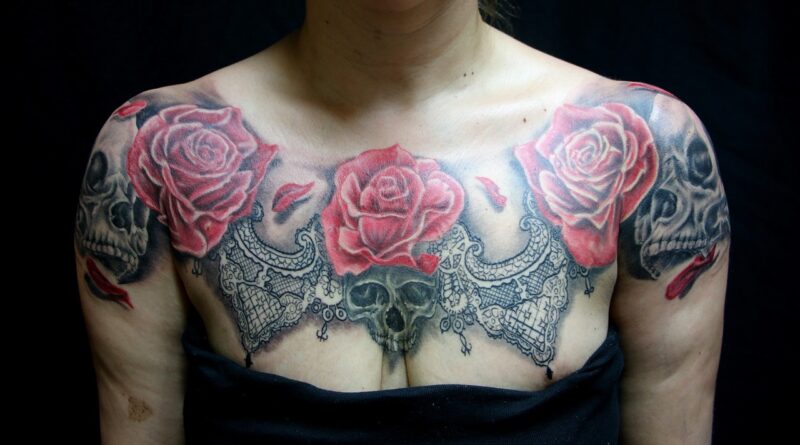
Realistic skull tattoos focus on depth, bone texture, shadows, cracks, teeth, and light source. They usually need more space than people first expect. A palm-sized realistic skull can look packed and dull if the artist tries to force in too much detail. For realism, larger areas like the upper arm, thigh, chest, or back usually give the design enough room. It is not always the lowest-cost option, but cheap realism often looks rough after healing.
Neo Traditional Skull Tattoos
Neo traditional skull tattoos keep the bold structure of old school work, but they add more color, decorative shapes, stronger depth, and a more styled look. This is a good direction if you want a skull with jewels, candles, animals, flowers, or fantasy elements. It has attitude without needing to look fully realistic. For many people, it sits between easy-to-read and personal.
How Do Different Skull Tattoo Styles Change the Mood?
Style changes the mood of the tattoo. The same skull can look sacred, punk, neat, aggressive, gothic, playful, or quiet, depending on line weight and shading. Before you book, save examples that match the feeling you want, not only the object itself. A skull is the subject; the style is the voice.
Blackwork and Dotwork Create Weight
Blackwork skulls use solid black areas, hard contrast, and clean negative space. Dotwork builds shadows and texture with small dots. These styles often feel serious and graphic, especially on arms, legs, or the sternum. They also sit well with geometric frames, mandalas, smoke, moths, or dark floral work. If you already wear a lot of black, this kind of skull can feel like an easy match, and in many cases it really is.
Fine Line and Minimal Skulls Feel Quiet
Fine line skulls use thin outlines, light shading, and small design choices. They work well for subtle placements, such as the inner arm, ankle, collarbone, or behind the ear. The tradeoff is long-term durability. Very small teeth, narrow cracks, and soft dots may blur as the skin changes. A skilled artist can simplify the skull so it still reads after years, not only on the day it is finished.
Sugar Skull and Ornamental Skulls Add Ceremony
Sugar skull designs often use flowers, gems, patterns, and bright color. Many people link this look with remembrance, family, and celebration. If the design comes from a living cultural tradition, handle it with care. Do not copy sacred symbols if you do not understand them. You can still choose a beautiful design, but ask questions and make the piece personal instead of costume-like.
Where Should You Place a Skull Tattoo?
Placement affects how the skull moves, how often people see it, and how much detail the artist can include. A good spot can make a simple skull look well planned. A poor spot can make a solid design fight against the body. Mayo Clinic advises choosing tattoo location carefully and notes that body changes, including weight changes, can affect how a tattoo looks over time. (mayoclinic.org)
Forearm and Upper Arm Give Clear Visibility
The forearm is one of the easier places to show a skull with clean detail. It is visible, fairly flat in some areas, and works for both vertical and angled designs. The upper arm gives more space and is also easier to cover with clothing. If this is your first large skull, the upper arm is often a safer choice than the hand, neck, or ribs.
Chest, Shoulder, and Back Allow Bigger Stories
A skull with wings, roses, snakes, or lettering needs room. The chest can make a skull feel bold and central. The shoulder works well with curved shapes, especially skulls wrapped in smoke or flowers. The back is better for a full scene, such as a skull with a clock, cathedral window, raven, or dark illustrative layout. See also: tattoo care.
Hands and Neck Need Extra Thought
Hand and neck skull tattoos look direct, but they are not casual choices. They are easy to see and can affect how strangers read you. Hands also fade faster because the skin moves, washes, and sheds more often. If you like this idea, ask your artist for healed photos of similar placements, not only fresh pictures. Fresh hand tattoos can make the result look easier than it really is.
How Can You Help a Skull Tattoo Age Well?
A skull tattoo ages better when the design has enough contrast, enough space, and a clear aftercare plan. Skin is not paper. Ink spreads a little over time, sunlight can weaken color, and small details can soften. The goal is not a perfect tattoo forever. The goal is a tattoo that still looks planned ten years from now.
Line Weight Should Match the Size
Small skulls need fewer details. Large skulls can carry cracks, teeth lines, shadows, and texture. If your artist suggests making the design bigger, it is not always an upsell. Sometimes it is just how skin works. A two-inch skull with every tooth drawn separately may look fine in the stencil but crowded after healing.
Contrast Keeps the Face Readable
The eye sockets, nose cavity, cheekbones, and jaw should be easy to read. Without contrast, a skull can turn into a gray patch. Black shading, open skin breaks, and clear highlights help the face stay sharp. Ask your artist where the darkest darks and lightest lights will sit. That one question can tell you a lot about the plan.
Ink Reactions Are Worth Taking Seriously
Health guidance matters, even when the design looks good. The FDA has reported infections linked to contaminated tattoo inks and allergic reactions to inks, and it notes that even sealed inks can sometimes contain microorganisms. The FDA also says no pigments have been approved for injection into the skin for cosmetic purposes. This does not mean you should fear every tattoo, but it does mean you should choose a clean studio, ask about sterile setup, and watch the healing process. (fda.gov)
What Should You Discuss With Your Tattoo Artist Before Booking?
A good consultation can save money, skin, and confusion on appointment day. Bring references, but do not expect a copy. Explain what you like in each image: the teeth, the eye sockets, the mood, the flowers, the shading, or the shape. This helps your artist build something that fits you instead of piecing together random screenshots.
Reference Images Need Clear Boundaries
Tell your artist what must stay and what can change. Maybe the skull must face forward. Maybe the roses can be adjusted. Maybe you want black and gray only because red does not fit your clothes. These small notes help a lot. A tattoo artist should not have to guess your life from a mood board, and most clients do not want that kind of guesswork either.
Session Time Should Match the Detail
A simple traditional skull may take one session. A realistic skull with smooth shading can take several hours or more than one appointment. Large back or chest pieces may need to be done in stages. Ask about estimated time, pain breaks, deposits, touch-up policy, and healed-photo expectations. Clear talk before the needle starts makes the day easier for both sides.
Aftercare Plans Should Be Specific
Ask exactly how to wash, dry, moisturize, and protect the tattoo while it heals. The American Academy of Dermatology says some reactions can appear right away, while others may show weeks or years later, and it lists warning signs such as spreading redness, worsening pain, fever, pus, open sores, or itchy painful bumps. If those signs appear, contact a doctor or board-certified dermatologist promptly. (aad.org)
FAQ
Q1: What Are the Most Timeless Skull Tattoo Styles? A: Traditional, blackwork, black and gray realism, and neo traditional skull tattoos tend to age well because they use clear structure and strong contrast. The most timeless choice is usually the one with fewer tiny details and a clean silhouette.
Q2: Are Skull Tattoos Only About Death? A: No. A skull can represent mortality, survival, protection, courage, grief, change, or personal style. Extra elements, such as flowers, clocks, animals, or lettering, help shape the meaning.
Q3: Do Skull Tattoos Need to Be Large? A: Not always. A simple skull can work small, but realistic skulls and detailed ornamental skulls need more space. If you want teeth, cracks, shadows, and background elements, go bigger.
Q4: Which Placement Is Best for a First Skull Tattoo? A: The upper arm, outer forearm, calf, or thigh are practical first choices. These areas offer space, easier aftercare, and enough room for readable detail.
Q5: How Should You Avoid Regretting a Skull Tattoo? A: Wait until the idea still feels right after a few weeks, choose an artist with healed examples, avoid copying another person’s tattoo, and keep the design readable. If you feel rushed, pause. Skin can wait.