
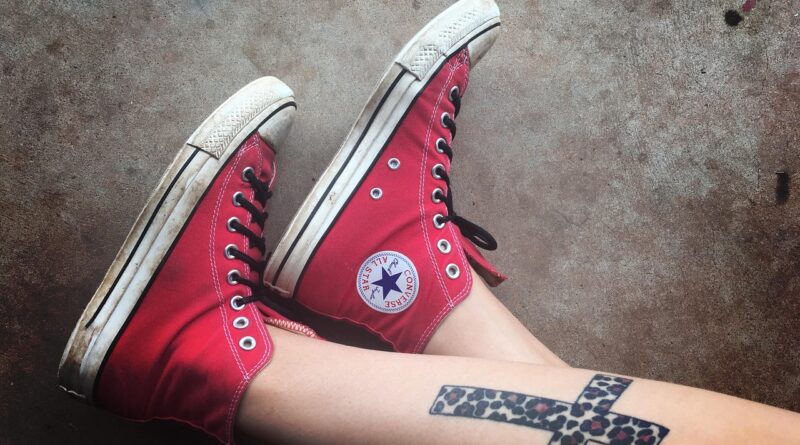
Which Cross Tattoo Styles Will Still Look Good in 10 Years?
What Makes Cross Tattoo Styles So Popular?
Cross tattoo styles keep showing up because one plain shape can carry faith, family memory, grief, courage, and a change in someone’s life. If you are checking ideas across different tattoo styles, the cross is one of the few designs that can work as a small wrist tattoo, a large chest piece, or part of a detailed sleeve. Pew Research Center reported in August 2023 that 32% of U.S. adults have at least one tattoo, and among tattooed adults, 69% said a tattoo honored or remembered someone or something. That explains why a symbol linked with belief and memory is still requested in tattoo shops. (pewresearch.org)
Faith, Memory, and Personal Meaning
A cross tattoo can be religious, but it does not have to stop there. Some people use it for Christian faith, while others use it to remember a parent, a grandparent, a friend, or a difficult time that changed them. Pew Research Center’s 2023 to 2024 Religious Landscape Study found that 62% of U.S. adults identify as Christian, so the symbol still speaks to many people in the United States. Even so, the right tattoo should come from your own story, not from a trend page.
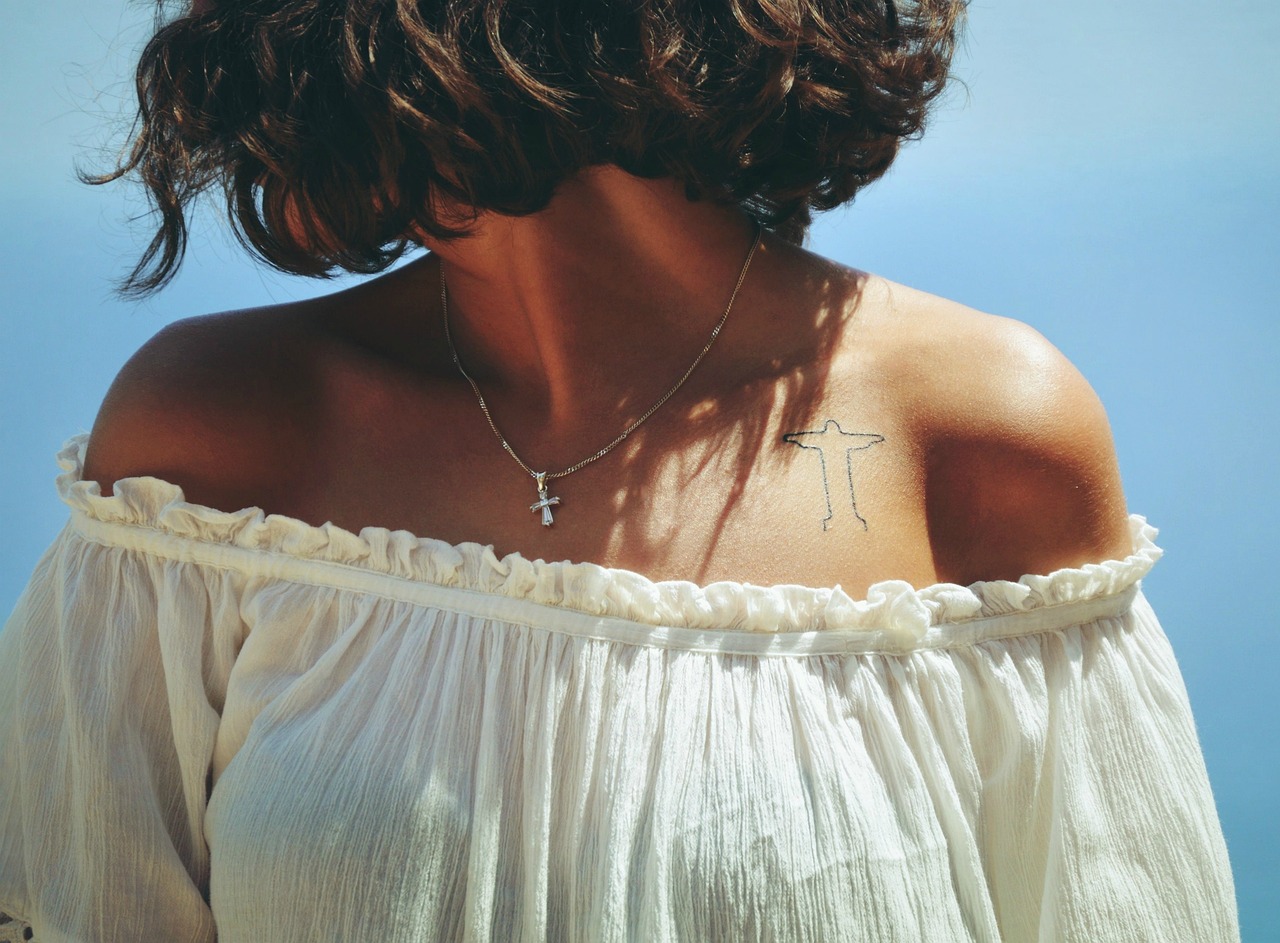
A Shape That Works at Many Sizes
The cross has clear geometry. Two lines meet, and the eye understands the shape right away. That helps a lot in tattoo design because simple structure usually holds up better on skin. A small fine-line cross behind the ear can stay readable if it is not packed with extra detail. A large back cross can carry script, roses, wings, clouds, or rays of light. The shape also allows negative space, and that empty skin can make the tattoo look cleaner after it heals.
A Style That Can Be Quiet or Bold
You can keep a cross tattoo very simple with black ink and clean edges, or you can make it the main part of a full arm piece. This range is one reason artists often ask about your work, clothing, and daily routine before they draw. A teacher, mechanic, nurse, designer, or gym owner may all want a cross, but they may not need the same size or placement. The design has to fit real life, not only the photo you saved.
Which Cross Tattoo Styles Fit Your Personality?
Choosing a style is not just about copying the most shared photo. It is more about matching line work, mood, and detail with the reason you want the tattoo. Public surveys can show tattoo popularity in a broad way, but there is no reliable public dataset that ranks every cross design by demand. Be careful when someone says one cross tattoo is the official number one style. A good artist will use your reference images and adjust them to your body.
Minimalist Cross Tattoos
A minimalist cross uses clean lines, light shading, and very little decoration. It works well on the wrist, finger, ankle, collarbone, or side of the neck. The main problem is making it too tiny while trying to give it too much meaning. Skin spreads ink over time, so a cross that is only half an inch tall may look sharp at first and softer a few years later. If you want a tiny tattoo, ask the artist to leave enough spacing around it.
Celtic Cross Tattoos
Celtic cross tattoos usually combine a cross shape with a circle and knotwork. They often feel tied to heritage, tradition, and strength. This style needs enough space because knot details can blur when the design is forced onto a small wrist or finger. A shoulder, upper arm, calf, or back panel gives the artist room to keep the woven parts clear. If you want a more current version, use fewer knots and stronger black lines.
Realistic Crucifix Tattoos
A realistic crucifix usually has more emotion and more detail. It may include Christ, fabric folds, light rays, thorns, stone texture, or clouds. This is not the kind of tattoo to rush as a quick walk-in if you want it done well. It needs an artist who can handle portrait work, anatomy, and shading. If the face or hands are included, do not make the design too small. Realism gets hard to read when it is squeezed into a small area.
Where Should You Place a Cross Tattoo?
Placement changes both the meaning and the way you live with the tattoo. A chest cross may feel private and protective. A forearm cross is seen often, so it becomes part of how people read you. A rib tattoo can look clean, but it is also a sensitive area. Before choosing a spot, think about pain, work rules, clothing, sun exposure, and how often you want people to ask about it. They will ask, sometimes when you are just buying groceries.
Forearm and Wrist Placement
The forearm is one of the most useful places for a cross tattoo. It gives a fairly flat canvas, heals well for many people, and can hold medium-size designs with script or small symbols. The wrist is better for simple work because the area is smaller and moves often. If you bend your wrist a lot or wear watches every day, place the tattoo a little higher so the design is not rubbed all the time.
Chest, Back, and Shoulder Placement
The chest is a common place for meaningful cross tattoos because it sits close to the heart. A vertical cross down the sternum can look strong, but symmetry matters there. The back works best for larger designs, such as angel wings, memorial dates, or a full sacred scene. The shoulder gives a good curve for Celtic, tribal, and blackwork crosses. It also stays covered under most shirts when you need it hidden.
Neck, Hand, and Finger Placement
Neck, hand, and finger tattoos are easy to see and harder to maintain. Finger crosses fade faster for many people because hands are washed, rubbed, and used all day. Neck tattoos can look clean, but they can affect first impressions in conservative workplaces. If you like visible ink, be honest about your job path. A bold hand cross may feel right now, but a later career change could make it harder to manage.
How Can You Make a Cross Tattoo More Personal?
A personal cross tattoo does not need to be crowded. Too many add-ons can make the main design weaker. Pick one or two details that matter most to you. A date, name, flower, verse reference, halo, crown, or flame can work if it supports the cross instead of fighting with it. The Cambridge Dictionary defines a cross as a symbol of Christianity, but tattoo culture also uses it as a visual sign for devotion, loss, survival, and hope. (dictionary.cambridge.org)
Names, Dates, and Short Script
Script works well with cross tattoos, but it needs to stay readable. Names and dates often age better than long quotes because they use fewer small strokes. If you want a Bible verse, think about using the reference instead of the full sentence. For example, a small verse number under the cross may look cleaner than a line of text wrapped around it. Ask your artist to print the stencil at real size, then look at it from six feet away. See also: tattoo care.
Flowers, Wings, and Light Rays
Roses can suggest love, grief, or beauty. Lilies often feel calm. Wings can point to protection or remembrance, and light rays can add a sacred feeling without adding too many separate objects. These parts need balance. If the cross is the main point, let it stay that way. A common shop solution is to keep the cross darker and make the surrounding elements softer, so the eye lands on the cross first.
Blackwork, Fine Line, and Shading Choices
Blackwork gives a cross tattoo weight and clear contrast. Fine line feels softer and more modern. Smooth gray shading can add depth, especially for stone, clouds, or fabric. If you have darker skin, talk with the artist about contrast and how the tattoo may look after healing. Strong line work and good spacing often matter more than heavy detail. Good tattooing is not only drawing; it is planning for healed skin.
What Should You Know Before Getting Inked?
A cross tattoo may be spiritual, stylish, or sentimental, but it is still a skin procedure. Safety and aftercare should not be pushed to the end as small details. The U.S. Food and Drug Administration says tattoos are created by inserting ink into skin with needles, and it has received reports of infections from contaminated inks and allergic reactions to inks. That does not mean you need to panic. It means you should choose a clean studio and follow aftercare with patience. (fda.gov)
Studio Hygiene and Artist Skill
Look for a licensed studio where needles are single-use, surfaces are covered, and the artist opens supplies in front of you. Check healed photos, not only fresh photos. Fresh tattoos usually look darker and sharper, so they do not tell the full story. Healed work shows how the artist’s lines, shading, and spacing hold up. For cross tattoos with faces, hands, knotwork, or micro script, healed examples matter even more.
Aftercare and Sun Protection
Follow your artist’s aftercare sheet. Do not soak a fresh tattoo, do not pick flakes, and do not cover it with too much ointment. The American Academy of Dermatology notes that tattooed skin still needs care and that tattoos can make early signs of skin cancer harder to see. Once the tattoo is healed, sunscreen helps black ink stay darker and helps fine lines fade more slowly. (aad.org)
Long-Term Aging and Touch-Ups
Every tattoo changes with time. Lines soften, small gaps close a bit, and sun exposure can make the surface look dull. Cross tattoo styles with bold outlines and clear spacing usually age better than designs filled with tiny detail. A touch-up after healing may be normal, especially for hands, fingers, and areas that get friction. Plan for the tattoo you want to wear in ten years, not only the photo you want on appointment day.
FAQ
Q1: What Are the Best Cross Tattoo Styles for a First Tattoo? A: Minimalist, fine-line, and small blackwork crosses are good first choices because they are clear, flexible, and usually faster to complete.
Q2: Do Cross Tattoos Have to Be Religious? A: No. Many people choose cross tattoos for faith, but others use them for remembrance, strength, family, protection, or a major life change.
Q3: Where Do Cross Tattoos Hurt the Least? A: The outer forearm, upper arm, and shoulder are usually easier than ribs, sternum, fingers, or the side of the neck, though pain varies by person.
Q4: How Big Should a Cross Tattoo Be? A: Simple crosses can be small, but designs with script, knots, faces, wings, or flowers need more space so the details stay readable after healing.
Q5: How Do You Keep a Cross Tattoo Looking Sharp? A: Choose clear line work, avoid overcrowded details, follow aftercare, protect healed skin from sun, and ask your artist about touch-ups if fading appears.