
What Is the Best Lip Tattoo Care for Safe Healing and Lasting Color?
What Should You Know Before You Start Lip Tattoo Care?
Lip tattoo care starts as soon as you leave the chair, because the lips have just taken a controlled skin injury. The job is simple: keep the area clean, settled, and lightly moist while the pigment settles in the skin. For general skin healing points, this tattoo aftercare guide is a useful place to start. Lips still need closer attention, because they move every time you talk, eat, smile, or drink coffee.
A Lip Tattoo Is Still a Tattoo
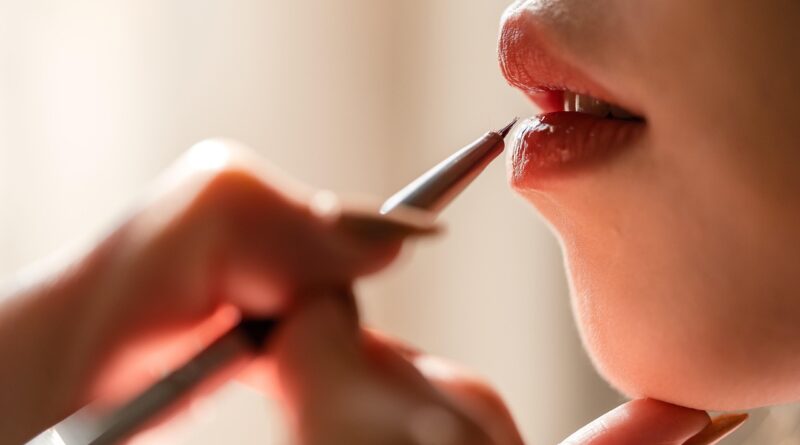
A lip tattoo, often called lip blushing, puts pigment into the lips to improve color and shape. Cleveland Clinic describes it as a semi-permanent tattoo, not makeup sitting on top of the skin. That point matters when you plan aftercare. You are looking after small surface breaks, so clean habits matter more than expensive products.
Aftercare Affects Comfort and Color
Some swelling, redness, tenderness, and crusting can show up after cosmetic tattooing. Cleveland Clinic also says final lip blushing results may take up to four weeks to appear. This is why the first few days can be misleading. If the shade looks too strong on day one or too pale on day five, wait before judging it.
Reliable Data Has Limits
Pew Research Center reported in August 2023 that 32% of U.S. adults have at least one tattoo, based on a July 2023 survey of 8,480 adults. Even so, there is no large public dataset with one clear infection rate for lip tattoo procedures alone. Good care still comes down to wound care basics, the artist’s instructions, and quick medical help when symptoms look wrong.
What Should You Do in the First 24 Hours?
The first day is not the time for lipstick, spicy noodles, or a new lip scrub. Your lips may feel tight and puffy, and the color may look stronger than expected. Keep the routine plain. This is one of those cases where simple care is better.
Clean Hands and a Fresh Lip Surface
Wash your hands before you touch your lips. If your artist asks you to blot lymph fluid or clean the area, use the method they gave you, often clean water or a gentle, fragrance free approach. Do not use a washcloth that has been sitting beside the sink for days. It may look clean, but it is not the right thing for fresh lip skin.
Cold Compresses for Mild Swelling
A clean cold compress can help with mild swelling. Wrap it first so ice does not stick to tender skin, and use short sessions instead of pushing hard for a long time. Cleveland Clinic mentions ice or a cold compress as a way to reduce swelling after lip blushing. If swelling keeps getting worse, do not keep icing and guessing.
No Smoking, Kissing, or Shared Products
Skip smoking, kissing, shared drinks, shared lip balm, and heavy sweating on day one. These things can bring irritation or germs to fresh skin. A simple rule works well here: if it touches another person’s mouth, it should not touch yours during early healing.
- Use a clean pillowcase the first night.
- Drink water, but do not rub the cup across the lip line.
- Keep pets away from your face, even if they are not happy about it.
How Should Your Lips Heal During the First Month?
Lip healing does not look even every day. Color can look bright, fade, flake, and then come back softer. This is why many artists book a touch up later. They do not judge the final result while the lips are peeling.
Days 1 to 3 Bring Swelling and Tenderness
In the first few days, the lips may feel tender and a little warm. The color may look bold because the surface is fresh and slightly swollen. Clean gently and use only the approved balm. Try not to stretch your mouth wide for large bites.
Days 4 to 10 Bring Flaking and Patchy Color
Light flaking is common during this stage. Do not pick at it, even if a loose edge is tempting. Picking can pull pigment, open small spots, and raise the risk of infection. If flakes catch on dry skin, soften them with the balm your artist approved and then leave them alone. It may look awkward on video calls for a few days, but that is part of the process.
Weeks 2 to 4 Reveal a Softer Tone
By weeks two to four, the lips usually look calmer. The color often looks softer than it did on the first day. Cleveland Clinic says it may take up to four weeks to see final results. Use that full window before you decide a healed lip tattoo is too light or too uneven.
What Products Are Safe for a Healing Lip Tattoo?
Product choice can make healing easier, or it can make the lips more irritated. The safer route is short and plain: use what your artist recommends, avoid fragrance, and do not stack several balms just because the lips feel dry. Too many products can create more trouble than relief.
Thin, Fragrance Free Balm
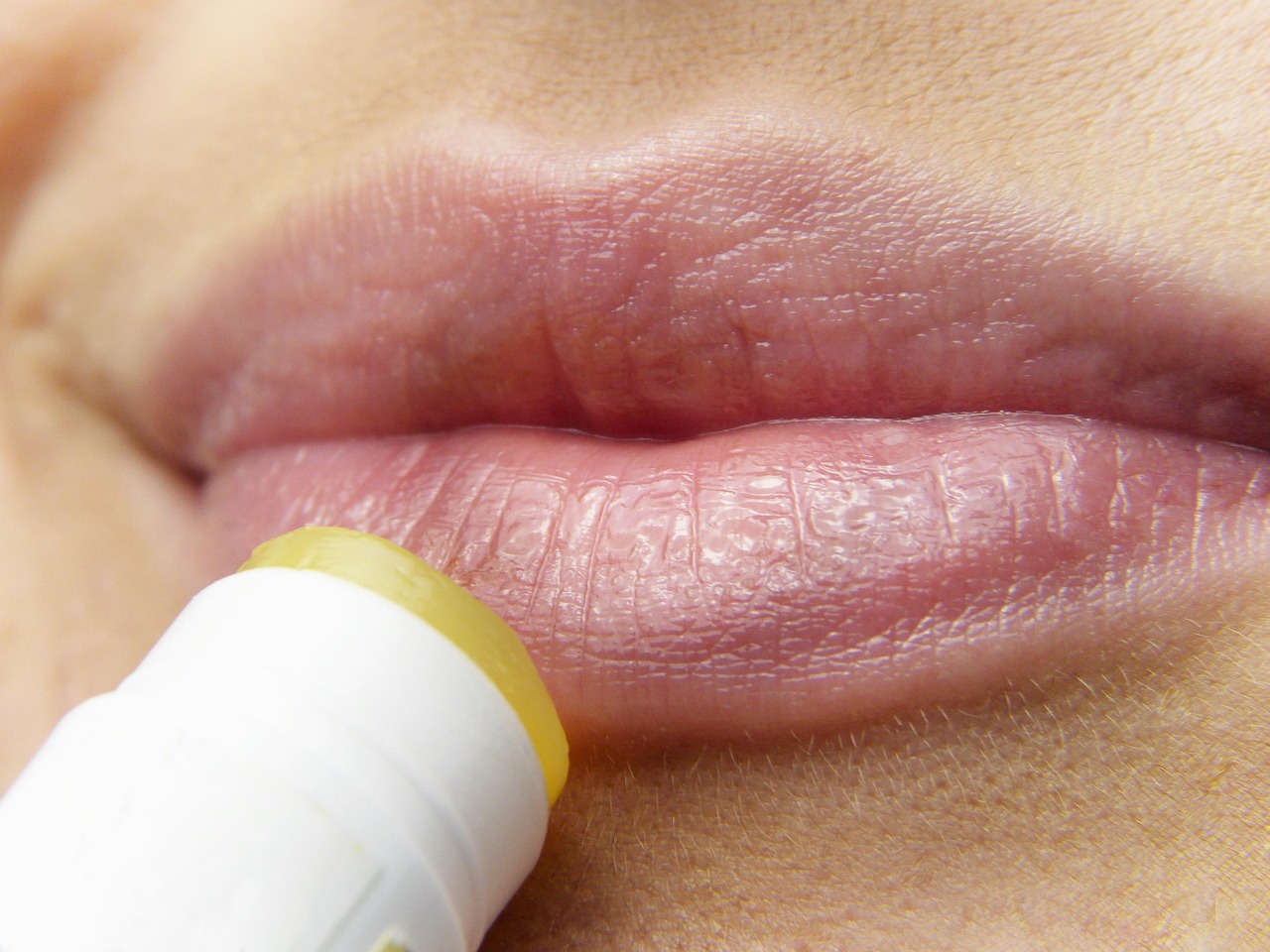
Apply a very thin layer of the approved balm. The lips should feel protected, not covered in a thick layer. Too much product can trap debris and make the area feel wet or heavy. If a balm burns, itches, or causes a rash, stop using it and ask your artist or a health professional.
Water Based Moisture after the Surface Closes
The American Academy of Dermatology says water based lotion or cream can help dry tattooed skin, while petroleum based products may cause ink to fade. For lips, use only lip-safe products and do not change the routine while the surface is still open. Wait until the skin has closed before you add anything new. If you are not sure, ask before applying it.
Lip SPF after the Skin Has Closed
Sun can fade tattoo pigment. The American Academy of Dermatology advises broad spectrum, water resistant SPF 30 or higher for tattooed skin when it is exposed to sun. For lips, choose a lip SPF after healing. Do not use it while the skin is cracked, peeling, or open unless your artist or clinician says it is safe.
Which Foods, Drinks, and Habits Slow Healing?
Food rules are partly about comfort and partly about keeping the lip line clean. There is no strong public study proving one perfect lip tattoo diet. Still, wound care logic and common studio guidance usually point to the same things: reduce sting, friction, and germs.
Hot, Spicy, and Acidic Meals
Very hot soup, chili oil, citrus, vinegar, and salty snacks can sting fresh lips. Choose cooler, softer foods for the first couple of days. Cut food into smaller pieces so you do not stretch the lips too much. Soup is fine, but not lava-hot soup. See also: tattoo culture.
Alcohol, Smoke, and Dry Lips
Alcohol can dry the mouth and may make swelling feel worse. Smoking adds heat, chemicals, and repeated lip movement. Cleveland Clinic specifically tells patients to avoid smoking after lip blushing. If you vape, treat it like smoking during early healing and pause if you can.
Clean Cups and Careful Sipping
Use clean cups and avoid shared straws. Some artists suggest a straw for cold drinks to reduce contact with the lip surface, while others dislike the puckering motion. Follow your artist’s rule because they know their own procedure and pigment system. Whatever method you use, keep anything near your mouth clean.
When Should You Worry About Infection, Allergy, or Cold Sores?
Some redness and swelling can be normal after tattooing. The concern is when things move the wrong way, such as spreading redness, stronger pain, pus, fever, or a rash that does not calm down. The FDA states that tattoo infections can come from contaminated ink and may need antibiotics, sometimes for a long time.
Spreading Redness, Pus, Fever, or Chills
The European Academy of Dermatology and Venereology lists rapidly spreading pain, redness, local heat, pus, pustules, boils, delayed healing, fever, or chills as warning signs of tattoo infection. These symptoms are not something to cover with more balm. Fever or chills need prompt medical attention. If the lips keep getting hotter, more painful, or more swollen, contact a clinician.
Rash or Burning That Does Not Settle
The FDA notes that rash, redness, or bumps near a tattoo can signal infection or allergy. Cleveland Clinic also points out that red tattoo pigments are among the more common allergenic colors. Lip pigments often sit in the pink and red family, so a stubborn rash should not be ignored. If burning or itching keeps going, get advice instead of testing more products.
Cold Sore Tingling Needs Fast Advice
If you have a history of cold sores, tell your technician before the appointment. Lip trauma can trigger an outbreak in some people. If tingling, itching, or blisters appear after the procedure, contact a health professional quickly. Antiviral treatment works best when it starts early.
How Do You Keep Lip Tattoo Color Looking Good?
Long term care is quieter than the first week, but it still matters. Color can fade from sun, smoking, picking, harsh products, and normal skin turnover. Small daily habits help the healed result stay cleaner. They also make future touch ups easier to plan.
Gentle Cleaning Beats Scrubbing
Once healed, cleanse your lips gently and avoid gritty scrubs unless your artist or dermatologist says they are fine. A lip tattoo does not need rough exfoliation to look fresh. Harsh rubbing can irritate the border and make color look uneven. If the lips feel dry, use a simple lip-safe product instead of scrubbing.
Sun Protection Helps Slow Fading
The American Academy of Dermatology warns that ultraviolet light can fade some tattoo inks and that tanning beds can also fade ink while raising skin cancer risk. A lip balm with SPF is a small habit, but it is useful on beach days, snow days, and normal errand days too. Use it after the skin has healed. Reapply it when you are outside for a while.
Touch Ups Need Fully Healed Skin
Do not rush a touch up while the lips are still healing. Many artists wait several weeks because the real shade is not clear in the beginning. If you had infection signs, allergy signs, or a cold sore outbreak, get medical advice before adding more pigment. Healthy skin gives the artist a better base to work on.
FAQ
Q1: How Long Does Lip Tattoo Care Usually Take? A: The most careful phase is usually the first 7 to 10 days, but the color can keep settling for about four weeks. Keep following your artist’s instructions until the lips are fully calm.
Q2: Can You Wear Lipstick after a Lip Tattoo? A: Do not wear lipstick on fresh or peeling lips. Wait until the surface is fully healed and your artist says makeup is safe again. Use a clean product, not an old tube from the bottom of a bag.
Q3: Is Peeling Normal after Lip Blushing? A: Light flaking can be normal. Thick scabs, pus, spreading redness, strong pain, fever, or chills are not normal healing signs. Get medical help if those symptoms appear.
Q4: Can Lip Tattoo Color Disappear During Healing? A: It can look pale or patchy during the flaking stage, then return softer as the skin calms. Judge the color after the full healing window, not during the awkward middle days.
Q5: What Is the Biggest Lip Tattoo Care Mistake? A: Picking flakes is one of the worst mistakes. It can pull pigment and irritate fresh skin. Keep the lips clean, use a thin balm layer, avoid smoke and sun, and let the flakes fall on their own.